Is Sebago Lake Good for Bass Fishing?
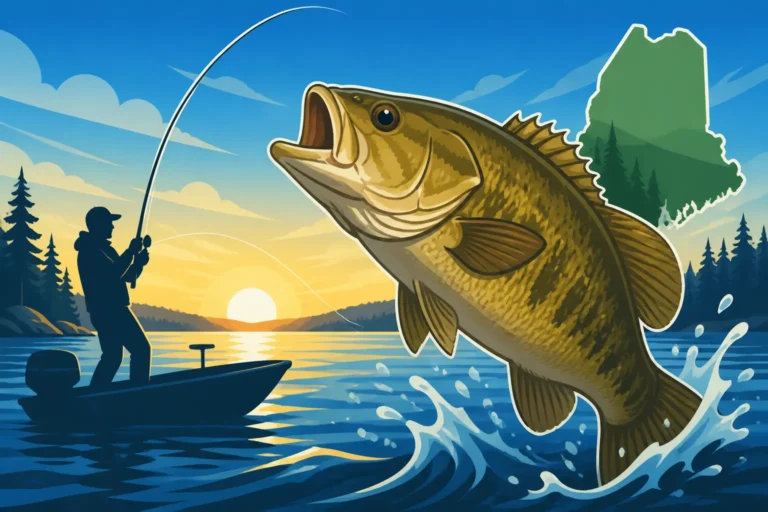
It’s a common question that echoes through bait shops and along the docks: "Is Sebago Lake good for bass fishing?" For many anglers, the immense popularity of Sebago Lake for landlocked salmon and lake trout often overshadows its fantastic bass fishing opportunities. But let me tell you, if you’re a bass enthusiast, or even just curious about chasing some hard-fighting smallmouth and largemouth, Sebago Lake is absolutely a prime destination. This guide will dive deep into why this expansive body of water is a bass angler's dream, covering everything from habitat to the best techniques and spots.
Why Sebago Lake Is a Prime Bass Fishing Destination
When you look at Sebago Lake, with its deep, clear waters and sprawling expanse, it might not immediately scream "bass factory" to the uninitiated. However, beneath that pristine surface lies a thriving ecosystem that supports robust populations of both smallmouth and largemouth bass, offering some truly exceptional angling experiences.
Ideal Habitat for Both Smallmouth and Largemouth
Sebago Lake isn't just one type of water; it's a diverse aquatic landscape that provides distinct, excellent habitats for both of Maine's prominent bass species. For smallmouth bass, those feisty bronzebacks that love to put up a fight, Sebago offers an abundance of rocky points, ledges, humps, and gravelly shoals. These features provide the perfect ambush points and spawning grounds for smallmouth, especially as you move towards the clearer, deeper sections of the lake. Picture those sun-drenched rocky shorelines and submerged boulder fields – that's smallmouth heaven right there.
On the other hand, the lake also boasts numerous coves, shallow bays, and slower-moving tributaries with plenty of weed beds, submerged timber, and lily pads. These areas are tailor-made for largemouth bass, which prefer a more vegetated, structure-rich environment where they can hide and ambush prey. Places like Jordan Bay, the Songo River, and various smaller inlets off the main body offer that classic largemouth cover. The sheer variety means you can spend a day targeting smallmouth on open water structure, then pivot to probing heavy cover for largemouth, all within the same vast fishery. This diverse structure is a huge part of what makes Sebago Lake so special for bass anglers.
Abundant Forage and Water Quality
A healthy bass population hinges on a robust food chain, and Sebago Lake delivers in spades. The lake is teeming with various baitfish, including ample populations of rainbow smelt, alewives, and various shiners, all providing a rich and readily available food source for growing bass. This abundance of forage allows bass to grow quickly and reach impressive sizes. Many anglers report catching smallmouth in the 3-5 pound range regularly, with larger specimens not uncommon. Largemouth, while perhaps less numerous in the most open water, also thrive in their preferred weed-filled havens, growing fat on the smaller fish and aquatic insects found there.
Beyond the food supply, Sebago Lake’s renowned water quality is another critical factor. The lake is known for its clarity and relatively cool, oxygen-rich waters, especially in its deeper sections. This excellent water quality is vital not only for the health of the bass themselves but also for their prey and the entire aquatic ecosystem. It means less stress on the fish, better growth rates, and generally healthier, harder-fighting bass. You can expect to find vigorous, vibrant fish that truly test your angling skills.
Seasonal Opportunities for Bass Anglers
One of the great joys of fishing Sebago Lake for bass is that it offers fantastic opportunities across multiple seasons, each with its own charm and challenges.
Spring: Post-Spawn Aggression
As the ice recedes and water temperatures slowly climb in the spring, bass begin to shake off their winter lethargy. Pre-spawn activity can be phenomenal, with big smallmouth moving up onto shallower rocky points and flats looking to feed heavily before they spawn. They become incredibly aggressive, hitting a variety of baits. Once spawning is complete, usually by late May to early June, bass are often fiercely protective of their fry, leading to some of the most exciting topwater action of the year. During this period, focusing on these shallower areas where they've spawned can be incredibly productive. You can learn more about Maine Spring Fishing Guide tactics to maximize your early season success.
Summer: Deep Water and Early Morning Bites
Summer on Sebago means warmer surface temperatures, and while bass will still feed in the shallows during low light hours, many of the bigger smallmouth will retreat to deeper structure during the day. This is prime time for locating submerged humps, deep rock piles, and drop-offs using your fish finder. Early mornings and late evenings offer excellent topwater and shallow-water opportunities for both species, especially in the shaded coves and along weed lines for largemouth. Targeting the cooler, more oxygenated water found in structure can be key to consistent catches during the hotter months. Understanding Maine Bass Fishing Techniques by Season will certainly give you an edge.
Fall: The Feeding Frenzy
For many bass anglers, fall is the undisputed champion season on Sebago Lake. As water temperatures begin to drop, bass go on a serious feeding binge, trying to pack on weight for the upcoming winter. They become incredibly active and often school up, especially smallmouth. This means if you find one, you're likely to find more! Bass can be found shallower than in summer, but also frequently on structure adjacent to deep water. This is when some of the biggest bass of the year are caught, often showcasing their incredible fighting prowess. The crisp air and vibrant foliage also add to the beauty of a fall fishing trip.
Understanding Sebago Lake's Bass Population and Regulations
Navigating the nuances of Sebago Lake's bass fishing means understanding the specific characteristics of its smallmouth and largemouth populations, as well as the regulations that help protect them. Maine, being a state dedicated to conservation, has specific rules to ensure healthy fisheries.
Smallmouth Bass: The Lake's Fighting Pride
Without a doubt, smallmouth bass are the dominant bass species in Sebago Lake and often the primary target for many anglers. They are renowned for their incredible fighting ability, often leaping clear of the water when hooked, making for a truly exhilarating experience. Sebago's smallmouth thrive in the lake's vast expanses of rocky shoreline, deep water structure, and gravel flats. They are a resilient species that have adapted well to the lake's conditions, and their population is robust. You'll find these bronzebacks congregating around points, ledges, and submerged islands, especially those with access to deeper, cooler water in the summer months. Anglers seeking these hard fighters often focus on areas like Frye Island's rocky edges, the extensive shoals around Raymond Cape, and the many smaller islands scattered throughout the lake. If you're looking for a detailed look at them, check out our guide on Sebago Lake Smallmouth Bass Fishing in Maine.
Largemouth Bass: The Elusive Greenbacks
While smallmouth might be the stars of Sebago's open waters, the largemouth bass hold court in the lake's more secluded, vegetated zones. These "greenbacks" are often larger in overall body mass and prefer different types of cover. Think lily pads, dense weed beds, submerged logs, and overhanging trees in the lake's numerous coves and shallow bays. They are often more challenging to locate consistently than smallmouth in Sebago, but when you find them, they can be trophy-sized.
Areas like Jordan Bay, the Songo River, and the various arms and inlets around the Naples causeway offer prime largemouth habitat. These fish tend to be more ambush predators, patiently waiting in thick cover for unsuspecting prey. Targeting largemouth requires a different approach, often involving heavier gear to extract them from dense vegetation. While not as widespread as smallmouth, the pursuit of a chunky Sebago largemouth can be incredibly rewarding. Our comprehensive Largemouth Bass Fishing in Maine article can provide even more insight into chasing these beauties.
Navigating Bass Fishing Limits by Zone
Maine has specific regulations for bass, and it’s crucial to be aware of them to fish legally and responsibly. Sebago Lake falls within what Maine terms the "South Zone" for fishing regulations. These rules are put in place to manage fish populations effectively and ensure sustainable fishing for everyone.
For bass in the South Zone, including Sebago Lake, the general law often dictates a specific bag limit and a slot limit. A common regulation for bass might be a daily bag limit of two fish, with only one fish allowed to be over 14 inches. This slot limit encourages anglers to release larger, older breeding fish while allowing for the harvest of smaller, more numerous ones. However, regulations can change, and it's absolutely essential to consult the most current Maine Department of Inland Fisheries and Wildlife (MDIFW) open water fishing law book before you head out. You can find detailed information on these rules in resources like Maine Bass Fishing Limits by Zone or specifically on How Many Bass Over 14 Inches Can You Keep in the South Zone?. Always double-check the latest guide, as special regulations can apply to specific waters within the South Zone.
| Species | Daily Bag Limit (South Zone) | Minimum Length | Maximum Length (if applicable) |
|---|---|---|---|
| Smallmouth Bass | 2 fish (only 1 over 14") | 10 inches | 14 inches (for 1 fish slot) |
| Largemouth Bass | 2 fish (only 1 over 14") | 10 inches | 14 inches (for 1 fish slot) |
Note: This table represents general law for the South Zone. Always consult the most current MDIFW fishing regulations for Sebago Lake, as specific rules can vary or be updated.
Top Techniques and Spots for Bass Fishing on Sebago Lake
Now that you know Sebago Lake is indeed a fantastic bass fishery and you're clear on the rules, let's talk about how to actually catch them! Success often comes down to employing the right techniques in the right places, and sometimes, knowing when to call in an expert.
Effective Lures and Baits for Sebago Bass
Sebago Lake bass, like bass everywhere, can be fickle, but there are definitely some tried-and-true lures and baits that consistently produce. For smallmouth, you'll want a variety of presentations. Jerkbaits, crankbaits (especially those diving to various depths to explore structure), and spinnerbaits are excellent for covering water and triggering aggressive bites, particularly in spring and fall. Tubes, grubs, and soft plastic swimbaits rigged on jig heads are fantastic for probing rocky bottoms and drop-offs where smallmouth often congregate. Carolina rigs and drop shots excel when fish are deeper or less active, allowing for subtle presentations.
For largemouth, focus on lures that can penetrate or work through heavy cover. Weedless jigs tipped with soft plastic craws, Texas-rigged worms or creature baits, and hollow-body frogs or buzzbaits over lily pads are all highly effective. Bladed jigs, like the ChatterBait, can also be deadly when fished along weed lines. Don't forget the power of live bait; shiners can be incredibly effective for both species when presented correctly. For a broader perspective on what works, our guide on Best Lures for Maine Open Water Fishing offers great insights.
Prime Locations for Shore and Boat Anglers
Sebago Lake is vast, covering over 45 square miles, so knowing where to start is key.
Shore Fishing Access
While many of the prime bass spots require a boat, there are definitely opportunities for shore anglers, especially if you know where to look. State parks like Sebago Lake State Park offer shoreline access, and while you might not hit trophy fish every time, you can certainly catch respectable bass. Focus on areas with rocky points, public docks (where legal to fish), and small coves. Early mornings and late evenings will often yield the best results for shore-bound anglers, as bass move shallower during these times. Our article on Shore Fishing Access Points in Maine can help you find specific locations around Sebago.
Best Boating Locations
For boaters, the options open up dramatically. For smallmouth, key areas include the rocky points and shoals around Frye Island, the extensive structure off Raymond Cape, and the many islands and ledges in the main basin. Using your electronics to locate submerged humps and transition zones where rock meets gravel can be incredibly productive. For largemouth, head into the shallower, more vegetated arms of the lake. Jordan Bay, the Songo River, and the numerous smaller coves along the northern and eastern shores are prime largemouth territory. These areas provide the dense cover that largemouth love. Knowing Where to Launch a Boat on Sebago Lake is also essential for accessing these hotspots.
Hiring a Guide for Sebago Lake Bass Success
If you're new to Sebago Lake, or just want to maximize your chances of success and learn the nuances of fishing this immense body of water, hiring a local guide is an excellent investment. A Registered Maine Guide who specializes in Sebago Lake bass fishing will have intimate knowledge of the current conditions, seasonal patterns, and secret spots. They can put you on fish faster, teach you specific techniques for the lake, and provide all the necessary gear.
A good guide not only helps you catch fish but also educates you on the lake's ecology and responsible fishing practices. They know exactly how the bass are behaving on any given day, whether they're deep on structure or shallow in the weeds. If you’re planning a trip and looking for expert assistance, platforms like FishingBooker can connect you with experienced Sebago Lake Fishing Guides who can tailor a trip to your bass fishing ambitions. This can be especially valuable for targeting specific species or learning the best Maine Open Water Fishing Techniques Guide. Don't hesitate to check out options for Hiring a Maine Fishing Guide for a truly memorable and productive outing.
Sebago Lake isn't just "good" for bass fishing – it's phenomenal. With a diverse array of habitats, abundant forage, and healthy populations of both smallmouth and largemouth, it truly offers an exceptional experience for any angler willing to explore its waters. Whether you're casting from shore or navigating by boat, whether you prefer chasing acrobatic smallmouth or wrestling chunky largemouth out of heavy cover, Sebago Lake provides ample opportunity for a successful and enjoyable day on the water.
Disclaimer
Please remember that fishing regulations, including bag limits and length restrictions, can change. Always consult the latest rules and advisories from the Maine Department of Inland Fisheries and Wildlife (MDIFW) before heading out on the water. This article is intended for informational purposes only and does not constitute legal advice.