Ice-Out Date for Sebago Lake Most Years
The moment the ice begins to recede on Maine's grand lakes is a time of immense anticipation for anglers, and for a gem like Sebago Lake, pinpointing that exact "ice-out" date can feel like trying to catch mist. This guide will walk you through the typical timing for Sebago Lake's ice-out, what factors influence it, and how you can stay informed so you're ready to hit the water the moment it opens up for prime fishing opportunities.
Understanding Sebago Lake's Annual Ice-Out Phenomenon
For many in Maine, the official declaration of "ice-out" on Sebago Lake isn't just a weather statistic; it's a deeply felt signal that spring has truly arrived and open water fishing is just around the corner. Sebago Lake, being one of Maine's largest and deepest lakes, has a unique dynamic when it comes to shedding its winter coat. It’s not a uniform event, and it rarely happens on the same calendar day year after year.
What Defines "Ice-Out" on Sebago?
It’s important to clarify what "ice-out" actually means, as there's often a bit of a local debate about it. For Sebago Lake, the official ice-out declaration is made when the lake is considered entirely free of ice from shore to shore, allowing for unimpeded boat navigation. This isn't just when you see open water near your favorite cove, or when the big chunks start to drift. It means the entire vast expanse of Sebago is clear. This official date is traditionally recorded by local observers, often associated with the Portland Water District given their close monitoring of the lake, as Sebago is a crucial drinking water source. Their definition ensures safe passage for all lake activities, which is critical for such a large body of water.
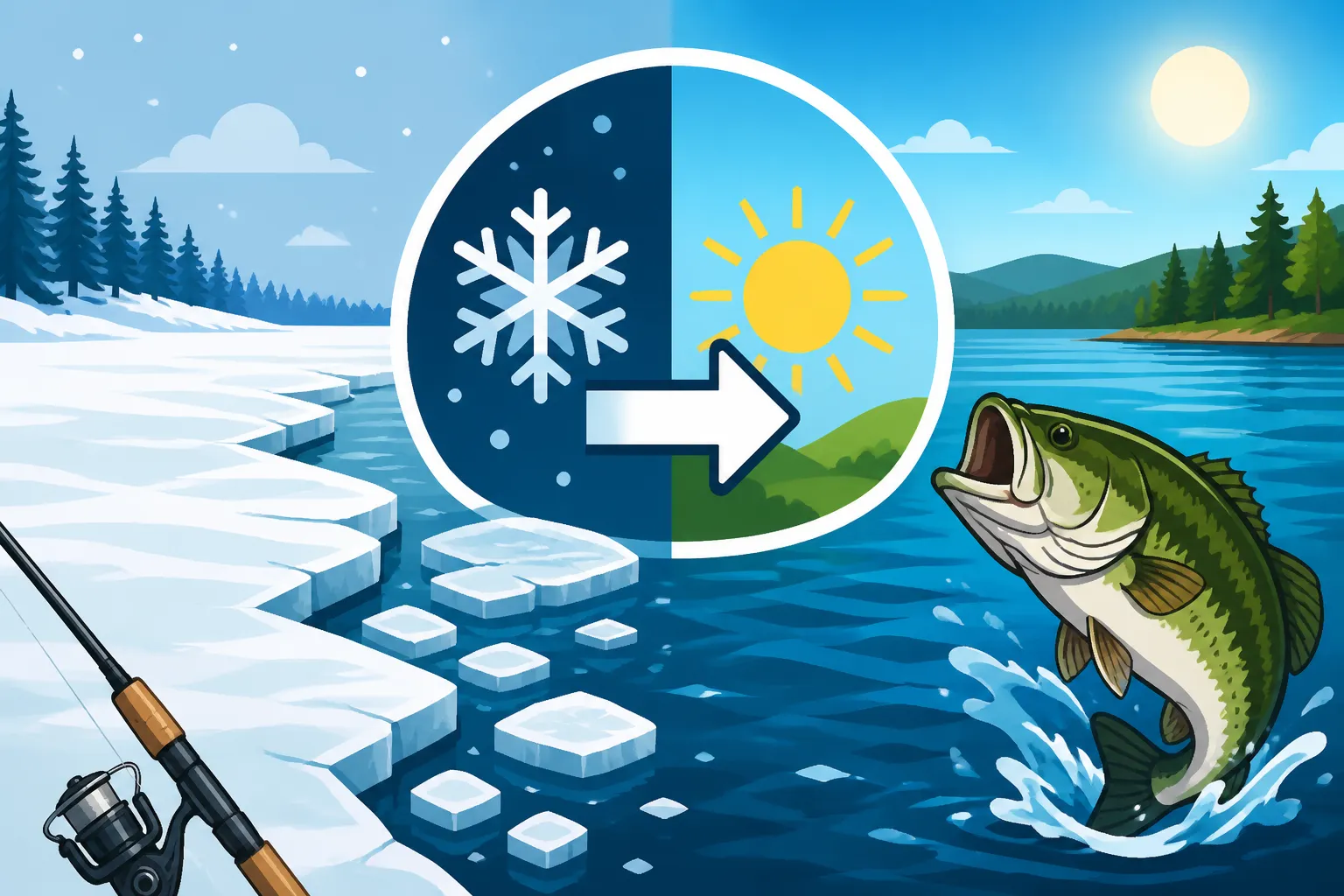
The process of ice-out is usually gradual. First, you'll see "dark ice" – ice that's lost its structural integrity, often appearing dark and slushy. Then, cracks appear, larger sections break free, and finally, the wind and currents push these remaining pieces to shore where they quickly melt. The south end of the lake, being shallower and more exposed to warmer winds, often opens up before the deeper, more sheltered northern sections. This can lead to days or even a week where parts of the lake are open while others remain locked in ice.
Factors Influencing Sebago Lake's Ice-Out Date
Predicting the precise ice-out date for Sebago Lake is a bit like predicting the lottery – you can guess, but the exact outcome is always a surprise. Several key factors play a significant role in how quickly or slowly the ice melts away each spring.
First and foremost is winter severity. A long, brutally cold winter with consistent sub-zero temperatures will build up a much thicker layer of ice. This dense, robust ice naturally takes longer to melt, pushing the ice-out date later into the spring. Conversely, a mild winter with fluctuating temperatures and periods of rain might lead to thinner, weaker ice that breaks up much earlier. Think about how a few warm days can make a huge difference; if those happen in late February or early March, it can accelerate the process dramatically.
Spring weather patterns are equally, if not more, crucial. Even after a harsh winter, a sustained period of warm, sunny days combined with strong winds can rapidly break up the ice. Sunshine directly melts the ice, while wind action creates waves that crash against the ice, breaking it into smaller, more meltable pieces, and circulating warmer surface water underneath. Heavy rains can also contribute by adding warmer water and eroding the ice from above. A cold, cloudy, and calm spring, even after a mild winter, can hold onto the ice much longer than expected. It's not just about the thermometer; it's the whole package of atmospheric conditions.
The depth and size of Sebago Lake also play a role. Sebago is massive, covering over 45 square miles, and it's quite deep in many areas. This large volume of water means it takes a lot of sustained cold to freeze thoroughly and a lot of sustained warmth to melt entirely. Smaller, shallower ponds often lose their ice weeks before Sebago, simply because there's less mass to freeze and thaw. The sheer thermal inertia of such a large lake means it's a slow responder to temperature changes, both freezing and thawing.
Historical Ice-Out Data and Predictions for Sebago Lake
While predicting the exact day is tricky, looking at historical data gives us a pretty good average to work with for Sebago Lake. Over the years, careful records have been kept, providing a valuable dataset for understanding the general timing.
Average Ice-Out Dates for Sebago Lake
Historically, the average ice-out date for Sebago Lake tends to fall in the first half of April. You're generally looking at sometime between April 5th and April 15th as the most common window. However, "average" doesn't mean "every year." It’s entirely possible for the ice to go out much earlier or much later depending on the specific conditions of that particular year.
For instance, some exceptionally mild winters have seen ice-out as early as late March, which is a real treat for eager anglers. On the flip side, particularly harsh winters or stubbornly cold springs have pushed the date into the latter half of April, sometimes even touching the first few days of May, though that's a much rarer occurrence.
Here's a look at some historical ice-out dates for Sebago Lake, just to give you a sense of the variability:
| Year | Sebago Lake Ice-Out Date | Notes |
|---|---|---|
| 22023 | April 10 | Average spring conditions. |
| 2022 | April 6 | Relatively mild winter. |
| 2021 | April 14 | Cooler, slower spring. |
| 2020 | March 30 | Exceptionally early after a very mild winter. |
| 2019 | April 11 | Close to the historical average. |
| 2018 | April 20 | Late after a cold spring. |
| 2017 | April 4 | Mild conditions, early melt. |
As you can see, there's quite a range! The 2020 ice-out, for example, was notably early, giving anglers a jump start on the season. This kind of historical data is crucial for understanding general trends and setting expectations, even if it can't tell you the exact date for the upcoming season.
How to Track Current Ice Conditions
If you're chomping at the bit for open water on Sebago, you'll want to keep a close eye on current conditions. The official declaration usually comes from the Portland Water District, so their public announcements or website are often the most reliable source for the definitive "ice-out" call.
However, many local Maine fishing communities and bait shops also closely monitor the ice. These are your boots-on-the-ground sources. Places like Sebago Lake Ice Fishing Report groups on social media, or local tackle shops around Windham, Naples, or Raymond, will often share real-time updates and observations. Talking to folks who live right on the lake or regularly visit can provide invaluable anecdotal evidence of ice deterioration. Many seasoned anglers will also keep an eye on how other, smaller lakes in the region are faring, as they often thaw before Sebago, giving a hint of the general trend.
You can also watch local news outlets or weather forecasts, especially those focusing on southern Maine. Sustained periods of warm temperatures, sun, and wind are all good indicators that the ice is weakening and nearing its final break-up. Just remember, Maine Ice Fishing Rules Guide are in effect until the ice is officially out, so don't jump the gun!
Preparing for Sebago Lake's Open Water Season
Once Sebago Lake's ice-out date is declared, it's a mad dash for many anglers to get their boats in the water and their lines wet. But being prepared beforehand can make all the difference between a frustrating first outing and a successful one.
Gear Check and Maintenance
Before the ice even thinks about leaving, it’s a smart move to go through all your open water fishing gear. Take out your rods and reels, give them a good cleaning, and check for any wear and tear. Re-spool your reels with fresh line, especially if it's been sitting for a while. Old line can weaken and become brittle, leading to frustrating break-offs when you hook into a nice landlocked salmon or a feisty smallmouth bass.
It’s also the perfect time to organize your tackle boxes. Check your lures, hooks, and weights. Replace any rusty hooks, sharpen dull ones, and make sure your favorite Sebago Lake Landlocked Salmon Fishing in Maine spoons and stickbaits are ready to go. Think about the species you'll be targeting. If you're heading out for early spring smallmouth, ensure you have plenty of jigs, tubes, and crankbaits. For those pursuing trout and salmon, make sure your trolling gear, including flashers and leader materials, is in top shape. If you use a boat, check your motor, electronics, and safety equipment, including life jackets and flares. A well-maintained boat and gear will ensure you're ready to launch without any last-minute headaches.
Early Season Fishing Strategies
The period immediately following ice-out on Sebago Lake offers some fantastic fishing, but it often requires specific strategies. The water is still very cold, and fish behavior is quite different from what you'd expect in summer.
Targeting Cold-Water Species: This is prime time for cold-water species like landlocked salmon, lake trout (togue), and brook trout. These fish will often be found shallower than they are in the heat of summer, as the entire water column is cool and well-oxygenated. Look for them cruising near shorelines, points, and around structure. Trolling with smelt-imitating lures, spoons like Mooselook Wobblers, or stickbaits like Rapalas can be incredibly effective. Consider light colors or natural patterns that mimic the local baitfish populations, such as smelt. Many anglers find the Best Time of Year to Catch Landlocked Salmon in Maine is during this early spring window.
Slow and Low: Fish are often lethargic in cold water, so a slower presentation is usually best. Don't be afraid to slow your trolling speed right down or work your jigs and crankbaits with a more deliberate, less aggressive retrieve. The fish aren't going to chase down a fast-moving bait like they might in warmer water. Pay attention to Reading Water Temperature for Maine Trout, as even small changes can concentrate fish.
Safety First: Early season also means cold water safety. Even if the air temperature feels mild, the water itself is dangerously cold. Always wear a life jacket, especially if you're the first one out after ice-out, and be extra cautious about sudden movements in your boat.
Why Ice-Out Matters for Anglers on Sebago Lake
Beyond just signaling the start of open water, Sebago Lake's ice-out date has a profound impact on the lake's ecosystem and, by extension, on the fishing itself. Understanding these dynamics can give you a significant advantage.
Fish Behavior Post Ice-Out
As the ice melts and the lake transitions to open water, several things happen that directly affect where and how fish feed. The cold water throughout the entire lake (a phenomenon known as "turnover" or "isothermal" conditions) means oxygen levels are high everywhere. This allows cold-water species like salmon and togue to roam freely, often moving into shallower areas they'll abandon once surface temperatures rise. This makes them more accessible to shore anglers or those who prefer to troll in shallower depths.
Baitfish, particularly the smelt that Sebago is famous for, also become more active, moving into tributary mouths and shallower areas. Where the baitfish go, the predators will follow. This is why early spring can be a fantastic time to target Landlocked Salmon Fishing in Maine, as they often gorge themselves on newly available forage. Smallmouth bass, while still somewhat sluggish, will also begin to move into slightly shallower rocky areas as they prepare for their pre-spawn feeding. If you're planning a trip, checking with a local guide through platforms like FishingBooker might give you some excellent localized insights into where the fish are moving immediately after ice-out.
Prime Fishing Windows and Opportunities
The period right after ice-out, lasting roughly two to four weeks depending on how quickly the water warms, is often considered one of the best times to fish Sebago Lake.
Landlocked Salmon: These powerful fighters are often very active near the surface or in the upper water column. Trolling with streamers, spoons, or stickbaits in the top 10-20 feet can yield excellent results. Areas near stream inlets or over rocky points are often hotspots. If you're looking for an unforgettable fight, this is your window.
Lake Trout (Togue): Togue are also more accessible in the spring. While they typically prefer deeper, colder water, post-ice-out, they'll often venture shallower, even into 20-40 foot depths, to feed. Jigging or trolling with larger spoons or live bait can entice these deep-dwelling giants.
Smallmouth Bass: While not as immediately active as salmon, smallmouth bass will start to congregate in rocky areas, especially those exposed to sunlight. They'll be feeding on crayfish and baitfish. Slow-working jigs, tubes, and suspending jerkbaits can be very effective for these fish, particularly on sunny days when they may move into even shallower water to warm up. For a deeper dive into techniques, consult a guide on Maine Open Water Fishing Techniques Guide.
Planning a trip around the anticipated ice-out can be a bit of a gamble, but the rewards can be incredible. If you're traveling a long distance, it's wise to build in some flexibility or consider booking a trip slightly after the earliest projected ice-out to ensure you don't arrive to a still-frozen lake. Using a resource like FishingBooker to connect with local guides can also provide you with real-time updates and expert advice on the best timing for your visit. Remember, the general law fishing season usually kicks off on April 1st, so even if Sebago isn't fully open, other waters might be. For a broader overview, check out the Best Time of Year to Fish in Maine.
Ultimately, the ice-out date for Sebago Lake is a dynamic target. By understanding the factors at play, tracking reliable sources, and preparing your gear, you’ll be ready to answer the call of the open water and enjoy some of the most exciting fishing Maine has to offer. And when in doubt, just ask a local; they're usually the first to know!
Disclaimer
The information provided in this guide is for general informational purposes only and is subject to change. Fishing regulations, ice conditions, and official ice-out declarations can vary. Always consult the official Maine Department of Inland Fisheries and Wildlife (MDIFW) regulations and local authorities for the most current and accurate information before planning any fishing trip. Safety should always be your top priority when on or near the water.