Jigging Techniques for Togue
It can feel incredibly frustrating to spend hours on the water, whether it's the vast expanse of Moosehead Lake in summer or a frozen Sebago Lake in winter, only to come up empty-handed when you're targeting those elusive togue. These deepwater residents, known for their strong fights and delicious table fare, often seem to play hide-and-seek. This comprehensive guide will demystify the art of jigging for togue, breaking down the techniques, gear, and strategies you need to put more of these magnificent lake trout in your cooler.
Understanding Togue: Maine's Deepwater Dweller
Before we dive into the nitty-gritty of jigging, it’s really helpful to understand the fish we’re chasing. Togue, which is just the local Maine term for lake trout, are fascinating creatures perfectly adapted to the cold, oxygen-rich depths of our larger lakes. Knowing their habits and preferences is the first step to outsmarting them.
What Makes Togue Unique
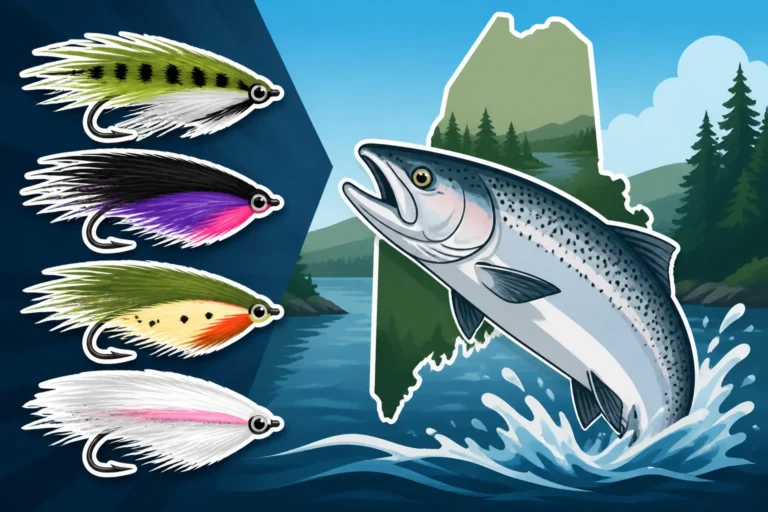
Togue are members of the char family, distinct from true trout, and they thrive in deep, cold lakes across Maine. They are apex predators in their ecosystems, growing quite large and living for many years. Unlike many other fish species that might school in massive numbers, togue often behave more individually, holding close to structure or suspended in the water column, patiently waiting for an unsuspecting baitfish to swim by. This solitary nature can make them a challenging but incredibly rewarding target for anglers, and it's why understanding their movements and feeding patterns is so crucial. They're often found in the same waters as landlocked salmon, but usually much deeper, making specialized techniques like jigging essential.
Togue's Preferred Habitats and Behavior
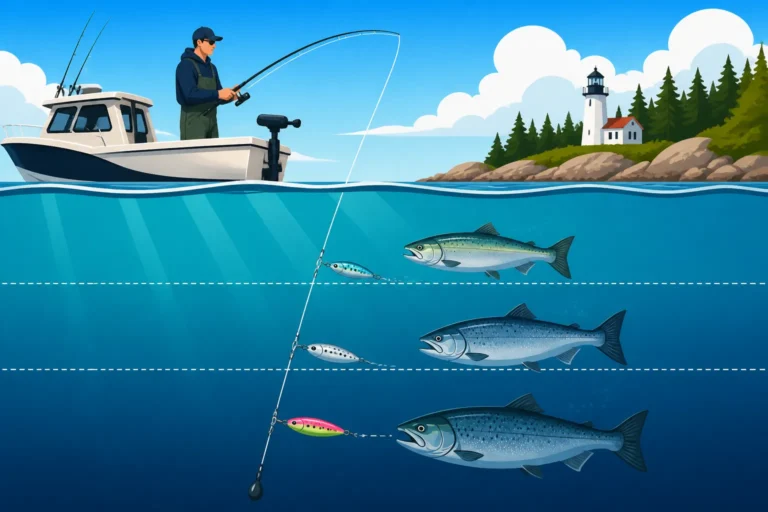
Togue are true cold-water specialists. Their ideal water temperature range is typically between 45 and 55 degrees Fahrenheit, which means they spend the warmer months in the deepest, coolest parts of a lake. This can be anywhere from 40 to over 100 feet deep in a large lake like Moosehead or Rangeley. They love areas with significant underwater structure: rocky points, humps, ledges, submerged islands, and deep basins. These features provide ambush points, shade, and access to their preferred forage, primarily smelt and other baitfish. When you’re looking for togue, don’t just look for open water; focus on these distinct underwater contours. During the spring and fall, especially around spawning season, togue might venture into shallower waters, but for most of the year, they are deep-dwellers. For more detailed information, you can explore guides on topics like what depth do togue hold at in summer.
Essential Gear for Successful Togue Jigging
You wouldn't try to build a house with a butter knife, right? The same goes for togue fishing. Having the right tools for the job makes all the difference, especially when you're trying to fool a wary deepwater predator.
Rods, Reels, and Line Selection
For open water jigging, a medium-heavy to heavy spinning or baitcasting rod, typically 6 to 7.5 feet long, is ideal. You need a rod with enough backbone to handle heavy jigs and the powerful fight of a large togue, but with a sensitive tip to detect subtle bites at depth. A good quality reel with a smooth drag system is non-negotiable – togue can make blistering runs, and a sticky drag will cost you fish. For line, braided line in the 15-30 pound test range is highly recommended. Braid has almost no stretch, which is crucial for feeling bites and setting the hook in deep water. Pair it with a 6-10 foot fluorocarbon leader (10-20 pound test) for abrasion resistance and invisibility, as togue can be quite line-shy.
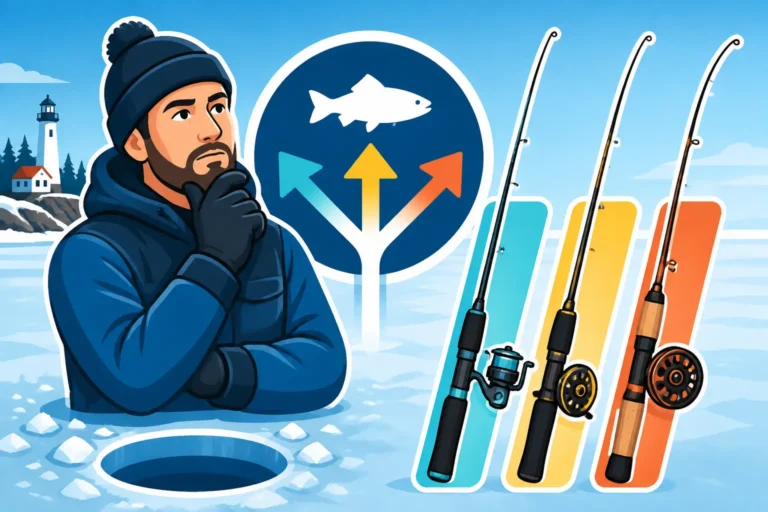
When it comes to ice fishing, the gear changes slightly. You'll want a medium-heavy to heavy ice rod, usually 30-40 inches long, often with a quick tip and a strong blank. Paired with a sturdy spinning reel loaded with 8-15 pound test braided line and a short fluorocarbon leader, you'll be well-equipped. Many anglers even pick up their essential ice fishing gear from reputable online retailers like Amazon, often finding a wide selection of specialized rods and reels.
The Best Jigs and Baits for Togue
Choosing the right jig is paramount. Togue are opportunistic feeders, and presentation matters. Here are some tried-and-true options:
- Tube Jigs: These soft plastic lures, especially in white, pearl, or smoke colors, mimic dying baitfish perfectly. They typically range from 3-6 inches and are fished on a jig head, often tipped with a piece of bait.
- Spoon Jigs: Metal spoons like Crippled Herrings, Swedish Pimples, or Kastmasters are excellent for their flash and flutter. Silver, blue, and glow patterns are very effective. They can be jigged aggressively to attract attention or subtly twitched.
- Soft Plastics: Grubs, paddle tail swimbaits, and even larger fluke-style baits rigged on a weighted jig head can be deadly. Colors that imitate smelt or perch are usually winners.
- Blade Baits: These vibrating metal lures (like a Silver Buddy or Cicada) are fantastic for vertical jigging, creating a lot of commotion and flash that can draw togue in from a distance.
Remember, presentation can be enhanced by tipping your jig with a small piece of cut bait, such as a smelt, sucker meat, or even a shiner. This added scent and taste can be the deciding factor when togue are finicky. Just be sure to check the Maine fishing regulations, as live bait rules can vary.
Electronics: Your Eyes Under the Water
In the deep, dark world of togue fishing, your electronics are your best friend. A high-quality fish finder or sonar unit is absolutely essential for locating these fish and the structure they relate to.
- Open Water: A good side-imaging or down-imaging unit allows you to scan wide swaths of water and see structure and fish far from directly under your boat. Traditional 2D sonar is still vital for precise depth readings and identifying suspended fish. Look for units from brands like Humminbird, Lowrance, or Garmin. Being able to mark the thermocline (the layer where water temperature changes rapidly) is also key, as togue often hang just above or below it in summer.
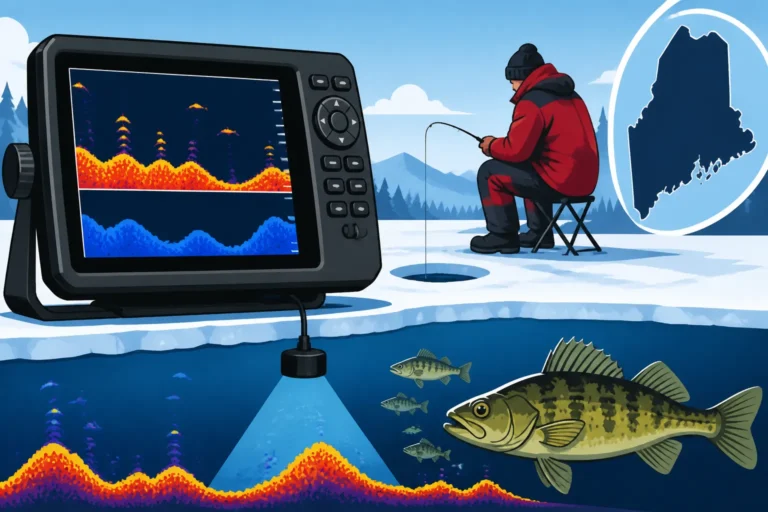
- Ice Fishing: Flasher units like those from Vexilar or Marcum are incredibly popular among ice anglers. They provide real-time updates of what’s happening directly below your hole, showing your jig, passing fish, and even how fish react to your presentation. This immediate feedback allows you to adjust your jigging cadence and depth on the fly, making you a much more effective angler. You'll often find a good selection of these on Amazon, ready to ship to your door.
Without electronics, you're essentially fishing blind in a vast ocean. Investing in good sonar isn't just a luxury; it's a fundamental part of successful togue jigging.
Mastering Open Water Jigging Techniques
Open water jigging for togue is a dynamic and engaging method that requires a blend of skill and patience. Unlike trolling, where you cover large areas, jigging allows for a precise, targeted approach once you've located fish or promising structure.
Vertical Jigging Strategies
Vertical jigging is perhaps the most common and effective technique for togue in open water. The idea is simple: get your jig directly above or slightly ahead of the fish you see on your sonar and entice them to strike.
- Initial Drop: Once you've marked fish or structure, drop your jig quickly to the target depth. Many anglers use a controlled free-spool, applying light thumb pressure to prevent backlashes while ensuring a fast descent. The quicker you get to them, the less likely they are to move off.
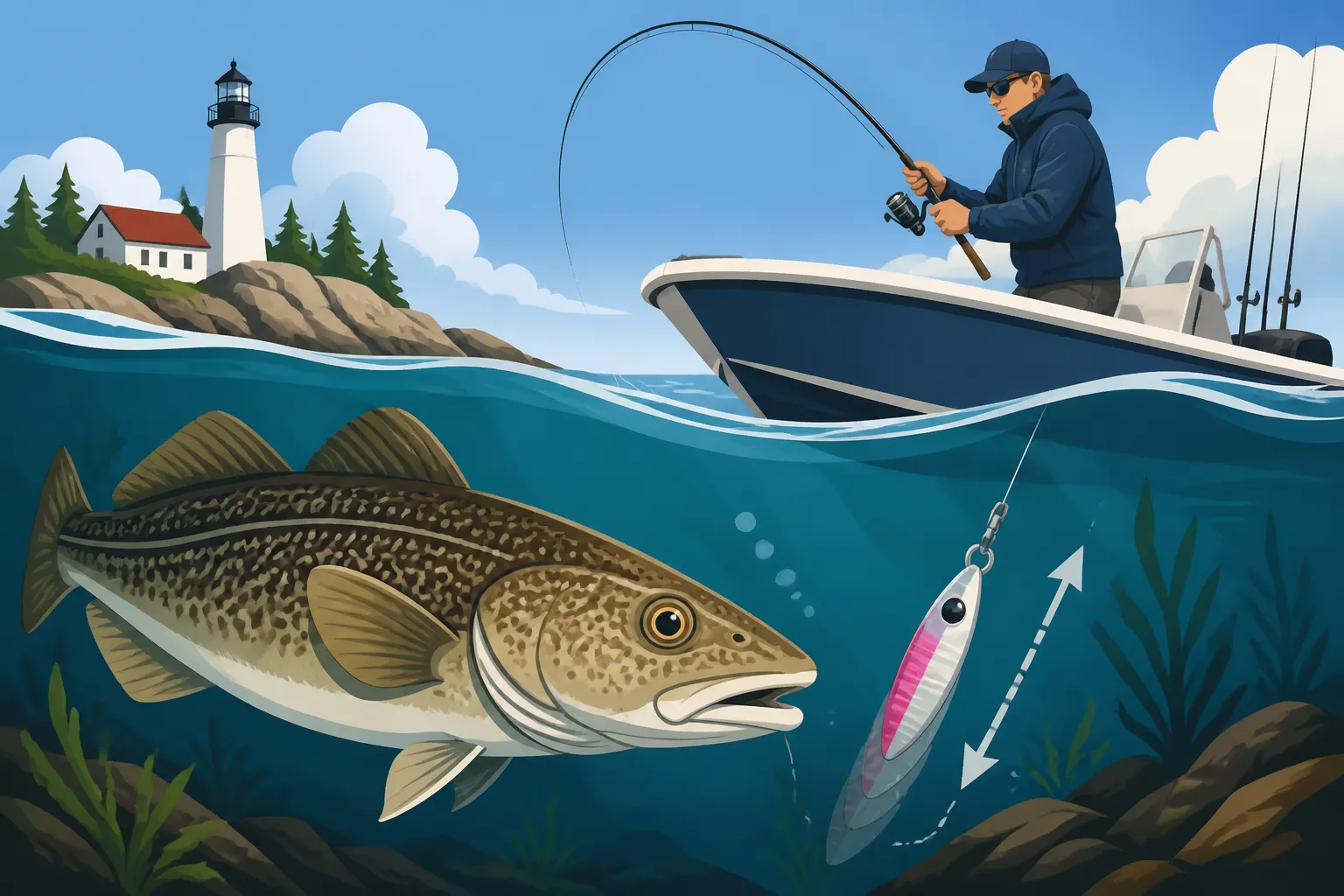
- The Jigging Motion: This is where the art comes in. Start with a sharp upward snap of the rod tip, anywhere from 1 to 3 feet, then let the jig flutter back down on a semi-slack line. The "flutter" on the fall is often what triggers the bite, mimicking a wounded baitfish. Experiment with the height and speed of your snaps. Sometimes a subtle, short twitch is all it takes; other times, an aggressive, high rip is necessary to get their attention.
- Feeling the Bite: Because you're fishing deep with non-stretch braid, bites can be subtle. It might be a slight "tick," a sudden heaviness, or just your line going slack (meaning the fish picked it up on the fall). Be vigilant and set the hook with a strong, sweeping motion at the slightest hint of a strike. A sensitive rod tip is crucial here. Don't be afraid to try different lures and presentations, as outlined in our guide on Best Lures for Maine Open Water Fishing.
- Boat Control: Staying directly over your target is key. A good trolling motor with GPS Spot-Lock capabilities (like a Minn Kota Terrova or a Rhodan GPS Anchor) is invaluable for holding your position against wind and current, allowing you to focus on your presentation. Without it, you'll be constantly drifting, making it hard to stay on top of the fish you've marked.
Targeting Deepwater Structure
Togue love structure. It provides cover, ambush points, and often correlates with baitfish concentrations. Learning to read your electronics to identify these spots is crucial.
- Humps and Ledges: Look for distinct changes in bottom contour. A hump rising from 100 feet to 60 feet, or a sharp drop-off (ledge) where the bottom quickly plunges, are prime real estate for togue. Fish often patrol the edges or sit on top of the hump.
- Submerged Islands and Rock Piles: These isolated pieces of structure in deep water can hold large numbers of fish. Use your side imaging to scan around these features, then drop waypoints on fish you mark and move directly over them.
- The Thermocline: In summer, many Maine lakes develop a thermocline – a distinct layer where the water temperature changes rapidly. Togue will often suspend just above or below this layer, where cooler, oxygenated water meets their ideal temperature range. Your sonar can usually identify this as a faint line or a change in density returns. If you're marking fish suspended, chances are they're relating to the thermocline. Pay attention to how many Landlocked Salmon Size and Bag Limits in Maine are present in these areas too, as they often share these deep, cool waters.
When you're over structure, jig your lure right in the strike zone, whether that's right on the bottom, just above the structure, or at the same depth as suspended fish. Constant attention to your fish finder will tell you if fish are moving in or if you need to adjust your depth.
Ice Fishing for Togue: Jigging Through the Hardwater
Ice fishing for togue is a cherished winter tradition in Maine, offering a unique opportunity to access areas unreachable by boat in the warmer months. Jigging through the ice is a highly effective way to connect with these powerful fish.
Setting Up Your Ice Fishing Spread
Successful ice fishing for togue often involves more than just one hole. A strategic setup can significantly increase your chances.
- Hole Placement: Start by drilling several holes in a grid or along a contour line on your chosen structure. This allows you to explore different depths and fan out your lines. For instance, if you're fishing a deep point, drill holes at 40, 60, and 80 feet.
- Shelter and Comfort: Maine winters can be brutal. A portable ice shack or hub-style shelter is almost a necessity for comfort, especially if you plan to spend hours jigging. Heaters, good clothing layers, and proper footwear are crucial for staying warm and focused. You might find excellent deals on these items, including ice augers, on Amazon.
- Electronics in Action: This is where a flasher unit really shines. Place it in your primary jigging hole. It will show you your jig, any fish that come into the cone angle, and their reaction. Seeing a fish rise quickly to your bait, or seeing your jig "disappear" as a fish inhales it, is incredibly exciting and allows for immediate adjustments to your presentation. If you're using tip-ups, place them around your jigging hole, covering various depths to increase your chances. For details on regulations, check the guide on Maine Ice Fishing Line Limits.
Active Jigging vs. Deadsticking with Jigs
When the ice is thick, you have a couple of primary jigging approaches for togue.
- Active Jigging: This is the hands-on, interactive method. Lower your jig to the desired depth (often right off the bottom or where you've marked fish) and begin your cadence. It's similar to open water vertical jigging but often with shorter, more precise movements.
- Pounding the Bottom: Start by dropping your jig to the bottom, then raising it a foot or two and gently tapping the bottom several times. This creates puffs of sediment, mimicking a feeding fish, and can attract curious togue.
- Lift and Drop: Lift your rod tip 6-12 inches, then let the jig fall naturally. Pause for a few seconds. Repeat. Vary the speed of the lift and the duration of the pause. Togue often strike on the fall or during the pause.
- Aggressive Rippage: Sometimes, especially if fish are hesitant, a more aggressive approach is needed. Rip the jig up several feet, then let it helicopter down. This can draw fish in from a distance.
- The "Tick" and the Hold: With flashers, you'll often see a fish come in and nose your bait. This is where patience pays off. Often, a slight "tick" or a feeling of added weight means the fish has it. Set the hook!
- Deadsticking with Jigs: While tip-ups are traditionally used for deadsticking with live bait, you can also "deadstick" a jig in a secondary hole. This means letting a jig, often a tube jig or a small spoon, sit mostly still at a specific depth, sometimes with a very subtle, almost imperceptible jiggle. This passive presentation can be deadly for finicky togue that are wary of aggressive movements. You can even combine this with your active jigging; actively jig one hole while a deadsticked jig works silently in an adjacent hole. This strategy effectively covers more ground and offers different presentations simultaneously, increasing your chances. Sometimes, the fish just want something easy.
Seasonal and Environmental Considerations
Togue are present in Maine's waters year-round, but their behavior and location change dramatically with the seasons. Adapting your jigging techniques to these shifts is crucial for consistent success.
Summer Deepwater Tactics
Summer fishing for togue demands a focused deepwater strategy. As surface waters warm up, togue retreat to the cooler, deeper parts of the lake.
- Locating the Thermocline: As discussed earlier, the thermocline becomes the key feature. Use your fish finder to locate this layer, which is often a visible break on your sonar screen. Togue will typically be found at or just below this transition zone, where the water is cool and oxygenated, and baitfish are often concentrated. If you are struggling to find them, research like Best Depth for Togue on Moosehead Lake in Summer can give you a head start.
- Targeting Depth and Structure: Focus your jigging efforts on deep humps, ledges, and submerged islands that extend into or near the thermocline. Togue will relate to these structures for ambush points. Don't be afraid to drop your jigs 60, 80, or even 100 feet or more.
- Slower, More Subtle Presentations: In the heat of summer, togue can sometimes be a bit lethargic. While aggressive jigging can certainly draw them in, a more subtle approach often triggers strikes. Long pauses between jigs, soft lifts, and gentle twitches can be very effective. Ensure your bait is tipped with scent or a piece of cut bait to further entice them.
- Early Morning and Late Evening: While togue are deep all day, they can sometimes become more active feeders during the low light periods of early morning and late evening, even in deep water. These times might offer a brief window of more aggressive bites.
Early and Late Ice Period Strategies
Ice conditions can vary wildly, and understanding the nuances of early and late ice periods is critical, not just for safety but for finding fish.
- Early Ice: This is often a fantastic time for togue fishing. With ice just forming, often around December, the fish are still active and haven't seen much pressure. They may be found in shallower depths than mid-winter, sometimes in 20-40 feet, as the entire water column is still relatively cool and oxygenated. Look for points, transitions from deep to shallow, and the edges of weed beds (if present in cooler water). Be extremely cautious with ice safety, as early ice can be unpredictable. You might even want to check out the Maine Ice Fishing Season Dates Guide for typical start times.
- Mid-Winter Stagnation: During the coldest, thickest ice of January and February, togue can become a bit more sluggish. They'll often be found in their deepest winter haunts, and a slower, more deliberate jigging presentation might be necessary. This is when combining active jigging with deadsticked jigs becomes particularly effective.
- Late Ice (Pre-Spawn): As the days lengthen and the ice begins to show signs of breaking up (often late March into April), togue activity can pick up dramatically. This pre-spawn period sees them feeding more aggressively. They might start moving towards shallower spawning areas (rocky shoals or rubble), making them accessible in different locations. Again, ice safety is paramount, as deteriorating ice can be extremely dangerous. Always check local ice conditions and be aware of "ice-out" dates for lakes like Sebago Lake.
| Jig Type | Best Depth Range | Jigging Style | Common Bait Tips | Notes |
|---|---|---|---|---|
| Tube Jigs | All depths, especially deep | Lift-drop, subtle quiver, deadstick | Smelt, sucker meat, shiner | Very versatile, excels with scent. Natural presentation. |
| Spoon Jigs | All depths | Aggressive rips, sharp snaps, slow flutter | Smelt, shiner | Flash and vibration attract from a distance. Good for active fish. |
| Blade Baits | Mid-depth to deep | Short, sharp snaps; vibrating retrieve | None typically | High vibration, great for active fish, less forgiving on subtle bites. |
| Soft Plastics | All depths | Jig and glide, slow retrieve, twitch | Sucker meat, scent | Mimics various baitfish. Good for pressured fish. |
Common Mistakes and How to Avoid Them
Even seasoned anglers can fall into traps when targeting togue. Knowing what to watch out for can save you a lot of time and frustration.
Ignoring Your Electronics
This is perhaps the biggest mistake you can make when jigging for togue. These fish are often spread out, deep, and relate to specific features. If you're not constantly monitoring your fish finder, you're essentially guessing.
- Not Watching the Bottom: Are you seeing fish right on the bottom? Are they suspended 10 feet up? Knowing exactly where they are allows you to adjust your jigging depth precisely. A common error is just dropping to the bottom and jigging, when all the fish are actually 20 feet off the bottom.
- Ignoring Fish Reactions: Your flasher or fish finder doesn't just show fish; it shows their reaction to your lure. Are they ignoring it? Moving away? Rushing in aggressively? This feedback is priceless. If fish are coming in but not biting, try changing your jigging cadence, lure color, or even the size of your jig. Are they shy? Scale down. Aggressive? Speed things up. If you're not getting any marks, it's time to move.
- Not Marking Structure: Don't just look for fish. Actively scan for humps, ledges, and drop-offs. Mark these spots as waypoints on your GPS. These are the consistent holding areas for togue, and even if no fish are there at the moment, they're spots worth returning to. This can even apply to finding great spots for Maine Landlocked Salmon Bag Limits, as these species often share habitat.
Being Afraid to Change Tactics
It's easy to get stuck in a rut, using the same jig, the same color, and the same jigging motion because "it worked last time." But togue are moody, and what worked yesterday might not work today.
- Vary Your Lures: If you've been jigging a white tube jig for an hour with no bites, switch it up! Try a silver spoon, a glow blade bait, or a different color soft plastic. Carry a variety of options. Sometimes, the fish are keyed into a specific baitfish profile or color pattern.
- Experiment with Cadence: Don't be afraid to try different jigging styles. If slow lifts aren't working, try aggressive rips. If fish are just nosing your bait, try leaving it perfectly still for 10-20 seconds. Sometimes a long pause is the trigger.
- Change Your Depth: Even if your electronics show fish at a certain depth, sometimes jigging just above or below them can provoke a strike. Don't be afraid to raise your lure several feet above the fish and slowly drop it back down. This "rising bait" can trigger a chase instinct.
- Move, Move, Move: If you've spent a significant amount of time jigging a promising spot and the fish just aren't biting or aren't there, move to another marked waypoint or search for new structure. Maine has so many amazing lakes with thriving togue populations that staying put on a dead spot is just wasting valuable fishing time. Consider exploring areas like Moosehead Lake Togue Fishing Spots in Maine, which are known producers.
By being observant, flexible, and willing to experiment, you'll dramatically increase your chances of jigging up some impressive togue in the beautiful waters of Maine. Good luck out there!
Disclaimer
Fishing involves inherent risks, including but not limited to changing weather conditions, slippery surfaces, and the use of sharp hooks and tools. Always prioritize safety, wear appropriate personal flotation devices if on open water, and check ice thickness thoroughly before venturing out. Adhere to all local, state, and federal fishing regulations, including licensing requirements, bag limits, and gear restrictions. The information provided in this guide is for informational purposes only and should not be considered a substitute for professional advice or your own due diligence.