Where to Fish for Striped Bass in the Kennebec River
Trying to figure out where to chase striped bass on the Kennebec River can feel like a daunting task, especially with its vast stretches and varying conditions. This guide is here to cut through the confusion, offering a comprehensive look at the best spots, essential techniques, and crucial access points to help you successfully target these powerful fish in one of Maine's most renowned fishing grounds.
Understanding the Kennebec River's Unique Appeal for Striped Bass
The Kennebec River isn't just another waterway; it's a dynamic estuary that serves as a vital artery for migratory fish, particularly the beloved striped bass. Its journey from the vast North Woods down to the Atlantic Ocean creates a diverse environment that stripers find incredibly attractive. From brackish marshes to swift-flowing freshwater sections, the Kennebec offers a smorgasbord of habitats that make it a prime location for anglers.
Why Stripers Love the Kennebec
Striped bass are opportunistic predators that thrive in environments offering a combination of ample baitfish, diverse structure, and favorable water conditions. The Kennebec River delivers on all fronts. As the river flows towards the sea, it experiences significant tidal exchanges, especially in its lower and mid-sections. These strong currents constantly churn up the water, disorienting baitfish and making them easy targets for lurking stripers. You'll find a wealth of natural structure here: rocky ledges, submerged boulders, deep channels, and points where currents converge. These features provide perfect ambush points for bass waiting to pounce on an unsuspecting meal.
Beyond the physical structure, the Kennebec is rich in food sources. Early in the season, smelt and river herring runs draw stripers into the river like a magnet. As the season progresses, bunker (menhaden), sand eels, and various smaller baitfish become prevalent. The cooler, oxygen-rich waters of the Kennebec, particularly in its upper tidal reaches, also provide a comfortable summer refuge for stripers when coastal waters can get a bit too warm for their liking. This consistent food supply and varied habitat are precisely why the Kennebec consistently ranks as a top destination for those looking to fish for striped bass.
Seasonal Movements of Kennebec Stripers
Understanding the seasonal migration patterns of striped bass in the Kennebec is key to successful fishing. These fish are constantly on the move, following their food sources and seeking optimal water temperatures.
Spring Migration: The season kicks off in late April to early May when the first "schoolie" stripers (smaller, younger fish) begin to arrive, pushing upriver in pursuit of river herring and alewives making their annual spawning runs. These early arrivals are often found in the lower estuary, gradually moving upstream as water temperatures rise. By late May and early June, larger, mature striped bass start entering the system, eager to feed after their long journey. This is a fantastic time for shore anglers, as fish are often concentrated in specific areas following the bait.
Summer Patterns: As summer progresses and coastal waters warm up, many larger stripers move further up the Kennebec into the cooler, oxygenated sections, sometimes as far north as Augusta. They will hold in deeper pools, around bridge pilings, and at the mouths of cooler tributaries during the day, becoming more active during dawn, dusk, and even at night. The summer also sees a steady presence of schoolie fish throughout the mid-river sections, offering consistent action. Understanding the Maine Striped Bass Season and Limits is crucial as you plan your summer outings, as regulations can change.
Fall Departure: As autumn approaches, usually from late September through October, stripers begin their migration south, feeding heavily to build up energy reserves for the journey. This "fall run" can be incredibly productive, with fish aggressively chasing bait schools in the lower and mid-Kennebec. They often stack up in predictable patterns, making for some exciting fishing before they completely depart the river system for their wintering grounds. Timing your trip during these peak migratory windows can significantly increase your chances of a memorable catch.
Top Productive Zones for Striped Bass in the Kennebec River
The Kennebec River is a long and varied fishery, and different sections offer distinct advantages for targeting striped bass. From the broad, salty mouth to the narrower, fresher upper reaches, knowing where to focus your efforts is paramount.
The Lower Kennebec Estuary: Saltwater Influence
This is where the Kennebec truly meets the Atlantic, forming a rich, expansive estuary that's a prime target for stripers. Areas around Popham Beach, Phippsburg, Georgetown, and the islands at the river's mouth are consistent producers. Here, you'll encounter strong tidal currents, numerous rocky ledges, and deep channels—all classic striper habitat. The confluence of salt and fresh water creates a nutrient-rich environment brimming with baitfish.
Anglers often focus on rocky points, current seams where faster water meets slower eddies, and the edges of marsh flats. Popham Beach State Park offers excellent shore access, particularly near the mouth where currents are strong. Further up, the waters around the Kennebec River's eastern and western branches, near Georgetown and Arrowsic Island, provide a maze of productive coves and inlets. Kayak and small boat anglers can access more secluded areas where stripers ambush bait. Think about the structure: any place where water is disrupted, forming a current break or eddy, is a potential hotspot. Look for submerged rocks, oyster beds, and drop-offs. Fishing the outgoing tide as water drains from the flats, carrying bait with it, can be particularly effective in this zone.
Mid-River Hotspots: Transition Zones and Tributaries
Moving upstream, the Kennebec transitions from a purely saltwater environment to a more brackish and eventually freshwater one. This mid-river section, encompassing towns like Bath, Woolwich, and Richmond, is often overlooked but can hold some of the river's largest stripers, especially during summer. The defining features here are the numerous bridges, deeper channels, and the mouths of smaller tributaries that feed into the Kennebec.
The famous Bath Iron Works area, while heavily industrial, often holds fish due to the deep water and structure provided by docks and pilings. Further upriver, the Merrymeeting Bay area, where several rivers converge, creates vast flats and channels that are exceptional for bass. Access points around Richmond and the Chops Point area offer opportunities for both boat and shore anglers. The mouths of tributaries like the Sasanoa River or Muddy River can be particularly productive, as these smaller waterways often have cooler water and concentrated baitfish. Fishing around bridge pilings requires precision casting to get your lure into the turbulent water where stripers hide. These areas can hold large schools of bass, especially when the current is ripping. When considering what to use here, remember that Best Lures for Striped Bass in Maine often include larger plugs and soft plastics to imitate the prevalent baitfish.
Upriver Reaches: Chasing Freshwater Stripers
Yes, striped bass do venture well into the freshwater sections of the Kennebec, sometimes as far as the dam in Augusta. These "freshwater" stripers are often keenly sought after, as they tend to be larger and fight incredibly hard in the confined river channels. This section is characterized by narrower flows, deeper holes, and significant rapids and falls that mark the upper limit of their migration.
Key areas include the stretch above Augusta, particularly below the Edwards Dam site, which was removed, opening up more habitat. Further downriver, but still in the "fresher" zone, the waters around Gardiner and Hallowell can be excellent. The fishing here is typically focused on deep pools, current breaks created by islands or ledges, and areas where strong currents funnel bait. While these fish are still technically anadromous (migrating between salt and fresh water), they behave more like river-dwelling fish, holding in specific spots and ambushing prey. Don't be surprised to hook into other species here; however, the regulations for Maine Bass Fishing Limits by Zone will primarily apply to species like smallmouth and largemouth bass, not stripers, which have their own specific rules. Access in these upper reaches often involves smaller public boat launches or finding shore access points along the riverbanks.
Here's a quick overview of these zones:
| Kennebec River Zone | Characteristics | Key Fishing Spots | Best Tactics | Primary Bait/Lure Types |
|---|---|---|---|---|
| Lower Estuary | Strong tidal currents, rocky structure, open water, salty | Popham Beach, Phippsburg, Georgetown islands | Live bait, drifting, casting to structure | Mackerel, Eels, Pencil Poppers, Jigging Soft Plastics |
| Mid-River | Brackish to less salty, bridges, coves, tributaries, deeper channels | Bath, Woolwich, Merrymeeting Bay, Richmond | Trolling, casting plugs, live bait | River Herring, Bunker, Plugs, Swimbaits |
| Upper Reaches | Mostly freshwater, narrower river, deep holes, dam areas | Augusta, Gardiner, Hallowell | Casting to current breaks, bottom fishing | Worms, Smaller Soft Plastics, Jerkbaits |
Essential Techniques and Gear for Kennebec River Stripers
Catching striped bass in the diverse waters of the Kennebec requires a versatile approach, adapting your techniques and gear to the specific conditions you encounter. It’s not just about having the right lure; it’s about presenting it correctly and understanding the behavior of the fish.
Baits and Lures That Get Results
Striped bass are aggressive feeders, and a variety of baits and lures can be highly effective. For live bait enthusiasts, mackerel and herring are absolute kings, especially in the lower estuary. You can jig up fresh mackerel near the mouth of the river and then use them live-lined or as chunks. Eels are another deadly option, particularly for larger stripers fishing after dark or in deeper holes. If you’re fishing with bait, make sure your rig is appropriately weighted to get it into the strike zone with the current.
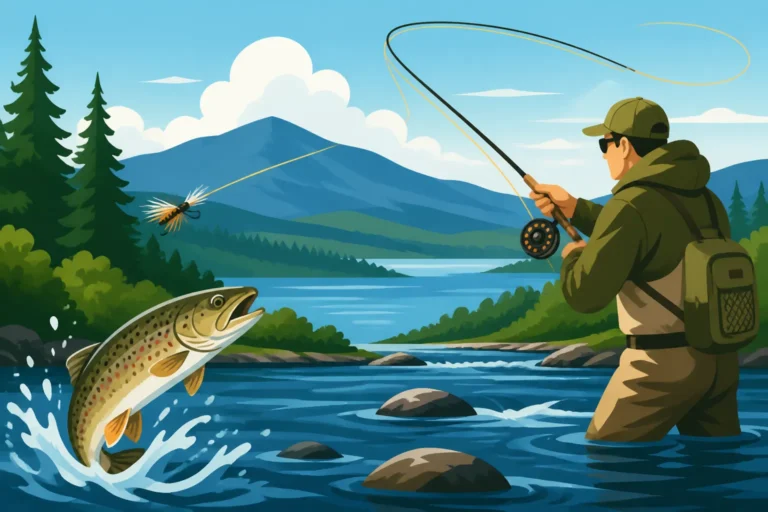
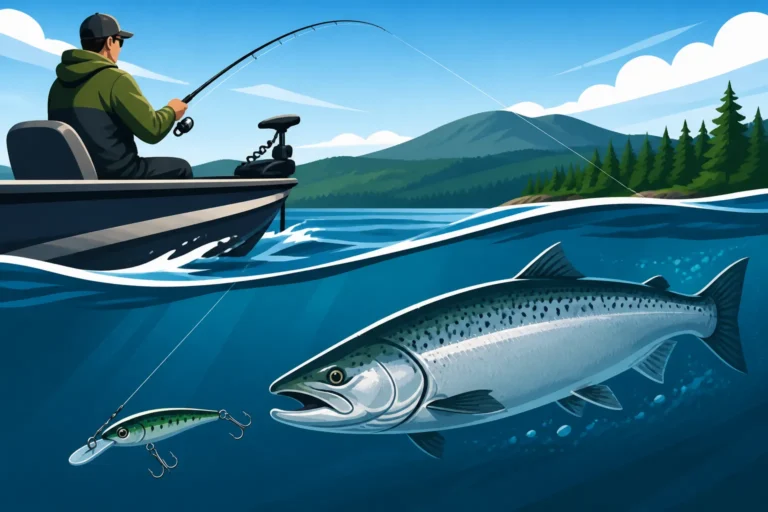
When it comes to artificials, the choices are vast. Topwater plugs like pencil poppers or walkers are exhilarating to use at dawn or dusk when stripers are actively busting on baitfish on the surface. For subsurface action, soft plastic paddle-tail swimbaits (like those from FishingBooker guides often recommend) rigged on jig heads are incredibly versatile and imitate a variety of baitfish. Minnow-imitating plugs (divers or suspending) work well when stripers are feeding on bait just below the surface. In deeper water or when fish are holding tight to structure, bucktail jigs tipped with a Berkley Gulp! trailer can be deadly. Fly anglers will find success with large deceiver patterns, clousers, and various baitfish imitations, especially when fish are focused on smaller bait. Remember to always be mindful of the Striped Bass Size Slot in Maine Explained to ensure you're fishing legally.
Fishing Strategies: Tides, Structure, and Presentation
The Kennebec River's fishing success is intrinsically linked to the tides. Stripers use tidal currents to their advantage, ambushing bait that gets swept along. Generally, the last few hours of the outgoing tide and the first few hours of the incoming tide are often the most productive. The outgoing tide drains bait from marsh flats and coves, concentrating it in main channels. The incoming tide pushes new bait and fresh, cooler water into the system. Understanding How to Read Tides for Striped Bass Fishing is a game-changer.
When fishing around structure like bridge pilings, rocky ledges, or submerged wrecks, focus your casts to allow your lure or bait to drift naturally with the current past these ambush points. This often means casting slightly upstream of the structure and letting the current carry your presentation into the strike zone. Vary your retrieve speed and depth until you find what triggers a strike. For boat anglers, trolling can be highly effective, especially in wider sections of the river. Using wire line or downriggers to get your plugs or tube-and-worm rigs down to the desired depth can unlock deeper holding fish. Shore anglers should look for accessible points where currents converge or where there are distinct changes in bottom structure.
Rods, Reels, and Line Recommendations
Selecting the right tackle will significantly enhance your Kennebec River striper fishing experience. For most Kennebec River applications, a medium-heavy to heavy spinning rod, typically 7 to 9 feet in length, is ideal. This length provides the casting distance needed for shore fishing and the leverage required to fight strong fish in current. If you're planning to target larger fish from a boat, a conventional setup might be preferred for its winching power.
Pair your rod with a durable, saltwater-rated spinning reel in the 4000 to 6000 size range, capable of holding 200-300 yards of line. You'll want a reel with a smooth, reliable drag system, as Kennebec stripers can make powerful runs. Spool your reel with 20 to 40 lb braided line. Braid offers superior casting distance, sensitivity, and strength compared to monofilament. However, always tie on a leader of 30 to 50 lb fluorocarbon or monofilament, typically 2-4 feet long, to provide shock absorption and invisibility in clearer water. For those interested in Best Line Weight for Bass Fishing, keep in mind that stripers are a much stronger fight than their freshwater bass cousins, so err on the side of heavier tackle. Having a reliable landing net or a set of lip grippers is also essential for safely landing and releasing your catch, especially when practicing catch and release.
Accessing the Kennebec River for Striped Bass Fishing
The Kennebec River offers a variety of access points for anglers, whether you prefer to fish from shore, launch a boat, or hire a seasoned professional. Knowing where to go and how to get there is half the battle when planning your trip.
Public Boat Launches and Shore Fishing Opportunities
The Kennebec River boasts numerous public access points that cater to different fishing styles. For shore anglers, Popham Beach State Park in Phippsburg offers direct access to the lower estuary, where you can cast into strong currents and target fish moving in and out with the tide. Further up, the waterfront areas in Bath and Richmond provide good opportunities to cast from piers or designated shore fishing spots, particularly during the spring and fall runs. These urban areas often have accessible parks and walkways along the river.
If you have a boat, there are excellent public launches throughout the river. In the lower estuary, launches in Phippsburg and Georgetown provide quick access to the islands and rocky structures near the mouth. As you move upstream, the Bath City Boat Launch and facilities in Woolwich and Richmond allow you to explore the mid-river coves, channels, and bridge pilings. For those venturing into the upper reaches, there are launches available in Gardiner and Augusta to reach those freshwater striper haunts. Before heading out, always check a local map or resources like the Maine Department of Inland Fisheries and Wildlife for specific details on Kennebec River Fishing Access Points in Maine, including parking availability and launch conditions.
Hiring a Local Guide or Charter
While the Kennebec is accessible for independent anglers, hiring a local guide or booking a charter can dramatically increase your chances of success, especially if you're new to the area or targeting trophy fish. A local guide possesses invaluable knowledge of the river's ever-changing currents, hidden structures, and the current feeding patterns of striped bass. They know the precise spots that are hot on any given day, saving you countless hours of searching.
Many reputable guides operate on the Kennebec, offering half-day or full-day trips that include all the necessary gear, bait, and local expertise. A quick search on platforms like FishingBooker will show you numerous highly-rated captains specializing in Kennebec River striped bass. These services are particularly beneficial for beginners who want to learn the ropes or for experienced anglers looking to unlock the river's most challenging spots. Charters are also an excellent option for groups or families. If you're considering this route, exploring options for Maine Striped Bass Charters can help you find the perfect fit for your trip. They often have specialized boats and gear tailored for the Kennebec's unique conditions.
Navigating Kennebec River Regulations
Fishing in Maine, including for striped bass on the Kennebec, comes with specific regulations designed to protect fish populations and ensure sustainable angling for future generations. It's absolutely crucial to be familiar with these rules before you wet a line. First and foremost, anyone aged 16 or older needs a valid Maine Fishing License Guide. This applies to both residents and non-residents, whether you're fishing from shore, a boat, or with a guide.
Beyond the general license, striped bass have specific bag limits, size restrictions (often a "slot limit"), and season dates that vary by year. These rules are put in place by the Maine Department of Marine Resources (DMR) in conjunction with other Atlantic states. For example, there's typically a slot limit, meaning you can only keep fish within a certain size range, while fish smaller or larger must be released. Always consult the most current regulations handbook, available online or at license vendors, to understand the precise rules for the current season. Ignoring these regulations can lead to hefty fines and penalties. Familiarizing yourself with the comprehensive Maine Fishing Regulations Explained will ensure your Kennebec River adventure is both enjoyable and legal.
Disclaimer
Please note that fishing conditions, regulations, and access points can change frequently. Always consult the latest rules and advisories from the Maine Department of Inland Fisheries and Wildlife (MDIFW) and the Maine Department of Marine Resources (DMR) before planning your fishing trip. This guide is for informational purposes only and should not replace official sources.