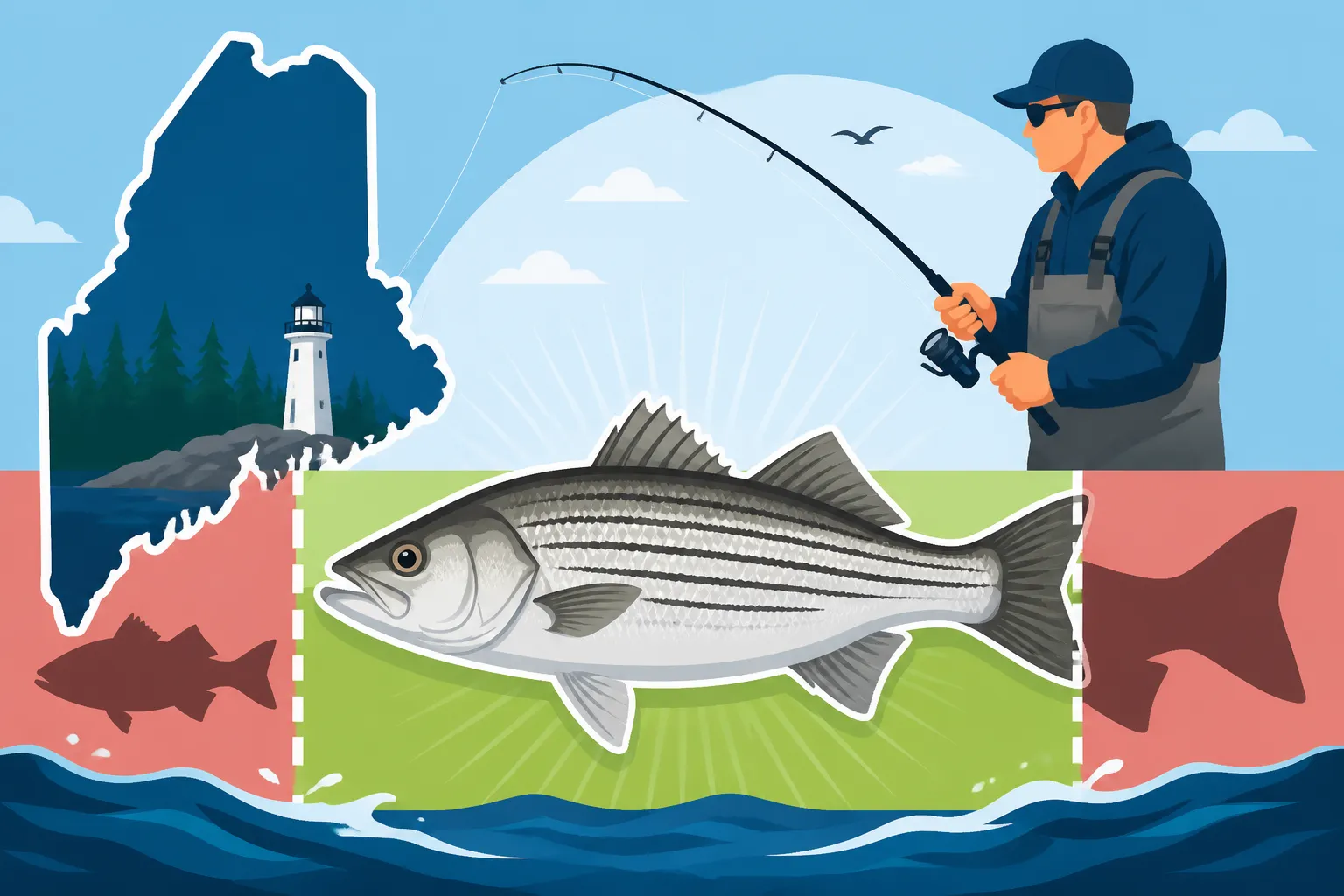
Striped Bass Size Slot in Maine Explained
Oh, the beloved striped bass! There's nothing quite like the thrill of a striper tugging on your line in the briny waters off Maine. But let's be honest, figuring out the rules and regulations for these magnificent fish can feel a bit like trying to solve a Rubik's Cube blindfolded. Many anglers, seasoned and new alike, get tripped up by the "size slot" limits, leading to confusion and sometimes even unintended violations. This comprehensive guide is here to untangle the mystery of Maine's striped bass size slot, helping you understand exactly what you need to know to fish responsibly and legally.
Understanding Maine's Striped Bass Slot Limit: Why It Matters to Anglers
When you're out on the water, whether it's casting from a rocky shore or trolling from a boat, knowing the rules isn't just about avoiding a fine; it's about being a responsible steward of our natural resources. The slot limit for striped bass in Maine is a prime example of a regulation designed with the long-term health of the fishery in mind. It's a critical piece of the puzzle that ensures these fantastic fish will be around for generations to come.
What Exactly Is a Slot Limit, Anyway?
In simple terms, a slot limit means you can only keep fish that fall within a specific length range – not too small, and not too big. Think of it like a "goldilocks" zone for keeping fish. Any striped bass you catch that is shorter than the minimum length must be released, and, crucially, any fish that is longer than the maximum length must also be released. This differs from a simple minimum size limit, where once a fish reaches a certain size, it's fair game. The slot limit introduces an upper bound, which is where many anglers find themselves scratching their heads.
Maine, like many other coastal states, implements a slot limit specifically for striped bass because it's a highly migratory and popular species that faces significant fishing pressure. These regulations are often a result of collaborative efforts across multiple states along the Atlantic seaboard, aiming to manage the stock as a whole. The goal is to balance the desire for recreational harvest with the absolute necessity of maintaining a healthy, thriving population. It's a proactive approach to conservation, trying to prevent overfishing and sustain the population for everyone who loves to chase these powerful fish.
The Importance of Protecting the Breeding Stock
The primary reason for a slot limit, especially one with an upper size restriction, is to protect the breeding stock. Those really big striped bass, often called "cows," are the most productive spawners. They produce exponentially more eggs than smaller, younger fish. By requiring anglers to release these larger, mature fish, the slot limit ensures that these vital breeders can continue to contribute to the next generation of striped bass. It’s a smart way to let the biggest, most genetically robust fish keep doing what they do best: making more fish!
Without protecting these large breeding fish, a fishery can quickly decline. Imagine if everyone only kept the biggest fish; eventually, you'd deplete the very individuals most crucial for population growth. The slot limit acts as a biological safety net, allowing the middle-sized fish to be harvested while safeguarding the future of the species. It's a tricky balance because anglers love catching big stripers, but it's a necessary compromise for long-term sustainability. It reflects a deeper understanding of fish biology and population dynamics, ensuring that our recreational fishing opportunities today don't come at the cost of tomorrow's fishery.
Deciphering the Current Maine Striped Bass Size Slot
So, now that we know why the slot limit exists, let's dive into the specifics of what it actually means for your fishing trip. The exact numbers can change, which is why it's so important to always consult the most current regulations. Maine is serious about its fish management, and these rules are designed to be followed closely. You can find general information in our comprehensive Maine Fishing Regulations Explained guide, but for specific species, a closer look is always warranted.
The Specific Measurements You Need to Know
While I can't give you the exact, real-time numbers, what's crucial to understand is that the Maine striped bass slot limit defines a specific length range that a fish must fall within to be legally kept. For example, it might state that you can only keep striped bass that measure, say, "between 28 inches and less than 31 inches." This means a 27.5-inch fish goes back, and a 31-inch fish goes back. Only those in that precise window are keepers. Always check the official Maine Department of Inland Fisheries & Wildlife (MDIFW) website or their current regulation booklet for the precise figures, as these are subject to change based on stock assessments and management decisions.
Measuring a striped bass correctly is non-negotiable. You'll need to lay the fish flat on a measuring board or against a tape measure with its mouth closed and its tail pinched. The measurement is taken from the tip of the snout to the furthest tip of the tail. Don't eyeball it, and don't guess! A small error could lead to a big problem. It’s a good idea to practice measuring on a ruler at home so you're quick and accurate when you're out on the water.
Daily Bag Limits and Possession Limits
In addition to the size slot, Maine also imposes daily bag limits for striped bass. This means there's a specific number of legally sized striped bass you can keep per angler, per day. This limit is usually quite conservative, reflecting the conservation-focused management of the species. For instance, you might be allowed to keep one striped bass per day, provided it falls within the legal slot. This daily limit is designed to spread the harvest among more anglers and prevent excessive take by individuals. Our guide on How Many Striped Bass Can You Keep in Maine? can offer more general insights into this aspect.
Sometimes, there are also possession limits, which dictate the maximum number of legally harvested fish you can have in your possession, whether that's in your cooler, at your camp, or in your vehicle. For striped bass, the possession limit often mirrors the daily bag limit, meaning you can't accumulate more than one day's bag over multiple days without having consumed or processed the fish. Always verify both the daily bag limit and any possession limit to ensure you're in full compliance. These limits, combined with the slot, form a comprehensive strategy for managing the striped bass population.
Practical Tips for Fishing Within the Striped Bass Slot Limit
Fishing within the slot limit successfully isn't just about knowing the rules; it's about having the right gear and techniques for accurate measurement and responsible handling. Being prepared can make all the difference, both for your peace of mind and for the health of the fish.
Measuring Your Catch Accurately on the Water
Having a reliable measuring device is your best friend when striper fishing in Maine. Forget trying to use your rod butt or a stray piece of string – you need accuracy. Many anglers opt for a stick-on measuring tape directly on their boat's gunwale, which allows for quick and easy measurement of a fish as soon as it's landed. If you're shore fishing or prefer something portable, a flexible, non-stretch measuring tape specifically designed for fish is an excellent choice. You can find a variety of these, often waterproof and durable, on platforms like Amazon or at your local tackle shop.
When you land a fish, especially if you think it might be close to the edges of the slot, measure it immediately and gently. Keep the fish in the water as much as possible, or at least on a wet surface, to minimize stress. A good measuring board makes this process even easier, as it often has a built-in end stop for the snout and clear markings for quick reading. The quicker and more accurately you can measure, the less time the fish is out of the water, which greatly improves its chances of survival if it needs to be released.
Best Practices for Catch and Release
Since a good portion of your striped bass catches will likely fall outside the slot limit and need to be released, mastering proper catch and release techniques is paramount. It's not just about letting the fish go; it's about letting it go in the best possible condition. Always use wet hands when handling a fish to protect its protective slime coat. Avoid squeezing its belly or gills, and support its body horizontally. Use a net with rubberized mesh to minimize scale damage. We cover this in depth in our Catch and Release Best Practices in Maine article.
Another crucial tool for catch and release is a dehooking device. Circle hooks, which are often encouraged or even required for striped bass bait fishing, tend to hook in the corner of the fish's mouth, making them easier to remove. However, sometimes a fish swallows a hook or gets hooked in a tricky spot. A long-nosed plier or a specialized dehooking tool can make removal much safer and quicker for the fish. Many excellent dehookers are readily available from online retailers like Amazon, and they are a worthwhile investment for any responsible angler. If a fish is deeply hooked and removing the hook would cause significant trauma, it's often better to simply cut the line as close to the hook as possible.
Staying Informed About Regulation Changes
One of the biggest challenges for anglers is that fishing regulations, especially for migratory species like striped bass, are not static. They can and do change based on scientific assessments of the fish stock, environmental factors, and regional management agreements. What was legal last year might not be legal this year. This is why staying informed is absolutely essential. The Maine Department of Inland Fisheries & Wildlife (MDIFW) is your go-to source. Their website is regularly updated, and they publish annual regulation booklets that detail all the rules, including specific season dates and limits for striped bass. Check out our Maine Striped Bass Season and Limits guide for an overview, but always double-check the official sources.
Local bait and tackle shops are also invaluable resources. The folks working there are often avid anglers themselves and are usually very knowledgeable about current local regulations. Don't hesitate to ask them before you head out. These shops often have copies of the latest regulation booklets too. Being proactive in checking the rules is a sign of a truly ethical angler. You wouldn't want to accidentally violate a rule and face consequences, or worse, contribute to the decline of a fishery you love. For a general overview of where to find this crucial information, our Maine Fishing Law Book Where to Get One post is a great starting point.
What Happens If You Catch a Striper Outside the Slot?
It's going to happen. You're going to catch a magnificent striped bass that is either too small or too large to keep. When it does, your actions in those crucial moments are critical. Knowing exactly what to do can ensure both your compliance with the law and the continued health of the fish.
Immediate Release Is Key
If you land a striped bass that falls outside the legal slot limit—meaning it's either under the minimum size or over the maximum size—it must be released immediately and with as little harm as possible. This isn't a suggestion; it's a legal requirement. Do not bring the fish into your boat's livewell, do not put it on a stringer, and do not delay its return to the water. The moment you've determined it's out of the slot, get it back in.
Handling these fish with care is paramount. As mentioned before, wet hands, gentle support, and quick dehooking are essential. If the fish appears sluggish after release, gently hold it upright in the water, facing into a mild current if possible, until it regains its strength and can swim away on its own. Seeing a big striper swim strongly back into the depths is a rewarding feeling, knowing you've done your part for conservation.
Consequences of Non-Compliance
Let's not mince words: fishing without adhering to the size and bag limits, including the striped bass slot, can lead to serious consequences. Maine's Inland Fisheries & Wildlife (MDIFW) wardens are diligent and knowledgeable. They are out there to protect our resources, and they take violations very seriously. If you're caught with an illegally sized or over-limit fish, you could face hefty fines. The exact amount can vary depending on the severity and nature of the offense, but they are designed to be a significant deterrent.
Beyond fines, there could be other penalties, such as forfeiture of your catch, fishing equipment, or even suspension of your fishing privileges. Ignorance of the law is generally not considered an acceptable defense. This is why taking the time to understand the Maine Fishing Regulations Explained and specifically the Striped Bass Slot Limit in Maine Explained is so crucial. Ethical angling means respecting the rules that govern the resource we all enjoy. It's about being a responsible member of the fishing community and ensuring that Maine's fantastic striped bass fishery remains vibrant for years to come.
Here’s a quick summary of common scenarios:
| Scenario | Fish Length | Action Required |
|---|---|---|
| Too Short | Below minimum slot length | Release immediately and unharmed |
| Within Slot | Within legal slot range | May keep (up to daily bag limit) |
| Too Long | Above maximum slot length | Release immediately and unharmed |
| Over Bag Limit | Exceeds daily bag limit | Release any additional fish immediately |
Disclaimer
This article is for general informational purposes only and does not constitute professional advice. Laws, prices and regulations vary by location and change over time. Consult a qualified professional for guidance on your specific situation.