Can You Keep More Than One Striped Bass a Day in Maine?
It’s a question that trips up a lot of anglers, both seasoned and new to Maine’s incredible striped bass fishery: Can you really keep more than one striped bass a day? The short answer, and what you really need to drill into your memory before hitting the water, is no. Maine’s regulations are pretty clear: you're allowed to keep one striped bass per person, per day, and that fish must fall within a very specific size range, known as a slot limit. This guide will walk you through these crucial rules, help you understand why they're in place, and give you the best tips for abiding by them so you can enjoy your time on the water without any worries.
The Maine Striped Bass Daily Bag Limit: A Clear Answer
Maine’s coastlines and tidal rivers are truly a gift, teeming with the excitement of striped bass. But when you’re out there, rods bent and drag screaming, it’s easy to get caught up in the thrill. Knowing the exact rules before that fish hits the deck is paramount, and for striped bass, it boils down to a very specific allowance designed to protect these amazing fish.
Understanding the One-Fish Rule
Let's get straight to it: when it comes to striped bass in Maine, you are allowed to keep one (1) fish per person, per day. That’s it. It doesn’t matter if you caught five beautiful stripers, if you released four perfectly, or if you had an epic day landing fish after fish. You can only put one of those magnificent creatures in your cooler to take home. This rule is a cornerstone of responsible fishing, aimed squarely at ensuring the long-term health of the striped bass population.
Imagine the frustration of catching a second or third gorgeous striper, only to realize you have to release it. It's tough, I know! Especially when the bite is hot. But this regulation is in place for a good reason. Historically, striped bass populations have seen their ups and downs, and stringent limits like this one are a critical tool in conservation efforts. It means that while you can enjoy the sport of catching many, you're contributing to the sustainability of the fishery by only keeping a select few. It's about enjoying the resource responsibly, so future generations can experience the same thrill you do. When you're out there, remember that the act of fishing itself is often more rewarding than just the catch.
The Importance of the Slot Limit
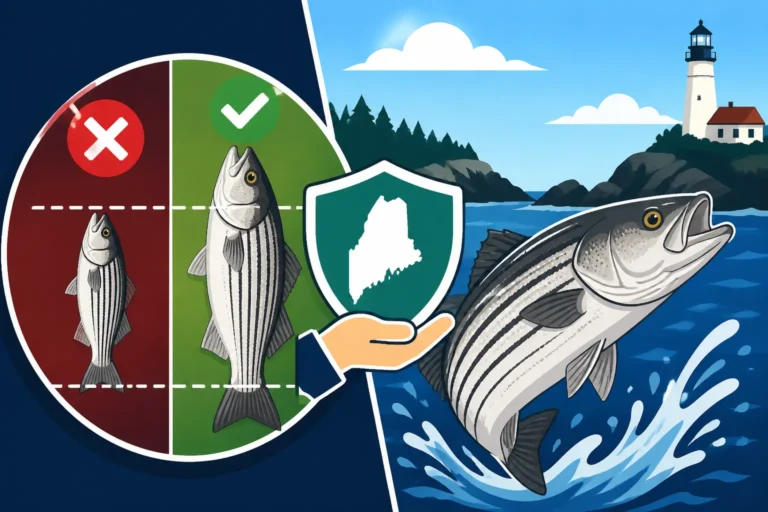
Now, it's not just about the number; it's also about the size. That single striped bass you can keep each day must fall within a very specific "slot limit." This means the fish cannot be too small, and it cannot be too large. Currently, the slot limit for striped bass in Maine is typically between 28 and 31 inches in length. This is measured from the tip of the snout to the end of the tail with the tail compressed.
Why a slot limit? It’s a brilliant conservation strategy. The smaller fish (under the minimum length) are the juveniles, still growing and maturing. By letting them go, we ensure they have a chance to reach breeding age and contribute to the next generation of stripers. The larger fish (over the maximum length) are often the mature, highly fecund breeding stock – the ones that produce the most eggs. Protecting these "trophy" breeders means they can continue to spawn for many years, laying millions of eggs and sustaining the population. So, when you release that magnificent 35-inch bruiser, you're not just letting go of a potential dinner; you're actively participating in the future of the fishery. Understanding this truly helps shift your perspective from what you can take to what you can do to help. For more details, check out our guide on Striped Bass Slot Limit in Maine Explained.
Combining the Rules: Daily Limit and Slot Limit Together
So, let’s put it all together. You're out fishing along the rocky coast of Popham Beach or cruising the Kennebec, and the stripers are biting! You land your first fish, measure it, and it's a perfect 29 inches. Fantastic! That’s your one legal keeper for the day. You can now place it in your cooler. But what happens next?
Let’s say an hour later, you hook into another spirited striper. You fight it, bring it to the boat or shore, and this one measures 30 inches – also perfectly within the slot. Can you keep it? Absolutely not. You’ve already kept your one legal fish for the day. Any subsequent striped bass you catch, regardless of size, must be immediately and carefully released. The same goes if you catch an undersized fish (say, 25 inches) or an oversized one (33 inches). These must be released, no exceptions, even if you haven’t kept your daily limit yet. It's truly a one-and-done scenario for keeping, with the added caveat that it has to be the right size. This combination of the one-fish bag limit and the specific slot limit is designed to be highly effective in protecting the population. Don't forget to review the Maine Fish Bag Limits Guide for a broader understanding of various species.
Why These Rules Matter: Conservation and Sustainable Fishing
It's easy to see fishing regulations as just arbitrary rules designed to make things complicated. But for species like the striped bass, which migrate along the entire Atlantic coast and are subject to immense fishing pressure, these regulations are a lifeline. They are a carefully considered part of a larger, regional management plan to ensure that this iconic fish thrives for generations to come.
Protecting the Striped Bass Population
Striped bass populations have faced significant challenges over the decades, including overfishing and habitat degradation. These robust regulations are the result of scientific research and cooperative management efforts across multiple states. They are put in place to ensure that enough fish reach maturity to spawn and replenish the stock, and that the crucial breeding-size fish are protected. Without these rules, it's very likely we'd see a dramatic decline in the striped bass fishery, a scenario no angler wants to imagine.
Think about it: every year, countless anglers head out with the hope of catching a striper. If everyone kept multiple fish, or fish of any size, the population couldn't possibly keep up. The single-fish-in-a-slot limit is a collective effort, a small sacrifice by individual anglers that results in a huge benefit for the entire species. It speaks to the idea that we are all stewards of this natural resource. By understanding and respecting these rules, you're playing a direct role in keeping Maine's striped bass fishing vibrant and exciting.
The Role of Release: Keeping Fish Healthy
Since you'll be releasing most of the striped bass you catch, knowing how to do it properly is just as important as knowing the regulations. A poorly handled release can be just as detrimental as keeping an illegal fish. The goal is to return the fish to the water in the best possible condition, giving it the highest chance of survival. This means minimizing its time out of water, handling it gently, and using appropriate tools.
Using barbless hooks can significantly reduce harm. If you’re using barbed hooks, consider flattening the barb with pliers. When you bring a fish to hand or boat, avoid using a gaff unless you intend to keep the fish (which, remember, is just one per day in the slot!). Instead, use a knotless, rubberized landing net, which is much gentler on their scales and slime coat. You can find excellent options on Amazon that are designed to be fish-friendly. If possible, keep the fish in the water while you measure it. If you must take it out, support its belly fully and avoid holding it by the jaw vertically, as this can damage its internal organs and spine. Be sure to check out our detailed tips on Catch and Release Best Practices in Maine. Releasing a strong, healthy fish back into the water is a fantastic feeling, knowing you've done your part.
How Regulations Evolve: Staying Informed
Fishing regulations, especially for highly migratory species like striped bass, are not static. They can, and often do, change from year to year based on stock assessments, scientific recommendations, and management decisions by regional and federal bodies. What was legal last year might not be legal this year. This is why staying informed is absolutely crucial for any angler.
Before you head out each season, or even for a specific trip if you haven't fished in a while, always consult the official Maine Department of Inland Fisheries and Wildlife (MDIFW) regulations. They publish a new law book annually, and their website is typically updated with the most current information. Don't rely on what you heard from a friend or what was true five years ago. Taking a few minutes to check the latest rules will save you a lot of potential headaches, and possibly fines. It’s part of the angler’s responsibility. You can find comprehensive details in our Maine Fishing Regulations Explained guide.
Practical Tips for Anglers: Navigating Striped Bass Regulations
Adhering to striped bass regulations isn't just about avoiding a fine; it's about being a responsible angler and contributing to the health of Maine's fisheries. With a few simple tools and good habits, you can confidently fish for stripers, knowing you're always within the bounds of the law.
Essential Gear for Measuring and Handling
You absolutely need reliable tools to accurately measure your catch. Guessing the length of a fish is a recipe for trouble. A good quality measuring tape or a rigid bump board is indispensable. A bump board is particularly useful as it has a fixed end to place the fish's nose against, ensuring an accurate measurement to the compressed tail. Look for one that's clearly marked, durable, and easy to read, even when wet. You can find a wide variety of these tools on Amazon, many designed specifically for saltwater fishing and handling larger species.
Beyond measuring, having the right landing gear makes a world of difference for successful and ethical catch-and-release. A large, rubberized landing net is far superior to string nets, which can strip away a fish's protective slime layer and damage fins. Long-nosed pliers or a dehooking tool are also vital for quickly and safely removing hooks, especially when a fish has swallowed the bait deep. Again, Amazon offers many excellent options for these critical items. Investing in these few pieces of gear will greatly improve your fishing experience and your contribution to conservation.
What to Do When You Catch an Out-of-Slot Striper
It's going to happen, and often: you'll catch a striped bass that's either too small or too large to keep. When this happens, your actions in those critical moments are key to the fish's survival. The first rule is to minimize the time the fish spends out of the water. Have your measuring device ready.
If you can measure the fish while it’s still in the net or partially submerged, even better. If you have to bring it aboard, support its entire body horizontally, avoiding any vertical holds by the jaw or tail, which can cause internal damage. Quickly take your measurement. If it's out of the slot, gently remove the hook. If the hook is deeply set and can't be removed without causing major damage, it's often best to cut the line as close to the hook as possible. Studies show that hooks left in often rust out or are expelled by the fish. Then, gently lower the fish back into the water, headfirst if possible, allowing it to swim away on its own. Sometimes, a little fanning motion to push water over its gills can help revive a tired fish. This quick, gentle approach gives the fish the best chance to recover and continue its life. Remember, every released fish is a potential future trophy or breeder.
Knowing Your Fishing Zone and Specific Rules
While the general striped bass regulations often apply across Maine's coastal waters, it's always wise to be aware that specific areas, especially river estuaries or unique marine zones, can sometimes have additional or slightly modified rules. For example, some areas might have seasonal closures or different gear restrictions.
Always consult the official MDIFW regulations booklet or website for the specific body of water you plan to fish. Don't assume that rules for Casco Bay are identical to those for the Penobscot River mouth, even for the same species. Understanding the nuances of these regulations, especially regarding minimum lengths and bag limits, is essential for a compliant and enjoyable fishing trip. Familiarize yourself with the Maine Striped Bass Season and Limits and How Many Striped Bass Can You Keep in Maine? to ensure you're always fishing legally. Even a quick glance at the regulations can save you from potential misunderstandings and ensure your trip is all about the joy of fishing, not worrying about legalities.
Maine Striped Bass Regulations Summary
To help keep everything clear, here's a quick summary of the key regulations for striped bass fishing in Maine. Please remember that regulations can change, so always verify the most current rules before heading out!
| Regulation Type | Current Maine Standard | Details |
|---|---|---|
| Daily Bag Limit | One (1) fish per person, per day | You may only keep one striped bass within the legal slot limit each calendar day. |
| Slot Limit | Typically 28 inches to 31 inches | The fish's length must fall between these two measurements (e.g., a 28-inch fish is legal, a 31-inch fish is legal; a 27.5-inch or 31.5-inch fish is not). Measured from tip of snout to end of tail. |
| Season | Open typically from May through December | Striped bass are generally available during the warmer months. Specific dates can vary slightly year to year. |
| Gear | Single-pointed hooks are encouraged for conservation | While not always mandated, using single, non-offset circle hooks can greatly improve catch and release survival. |
| Registry | Maine Saltwater Fishing Registry required | All anglers 16 years and older fishing in Maine's saltwater must register annually, even for catch and release. |
Disclaimer
This article is for general informational purposes only and does not constitute professional advice. Laws, prices and regulations vary by location and change over time. Consult a qualified professional for guidance on your specific situation.