Is Largemouth Bass Fishing Good in Southern Maine?
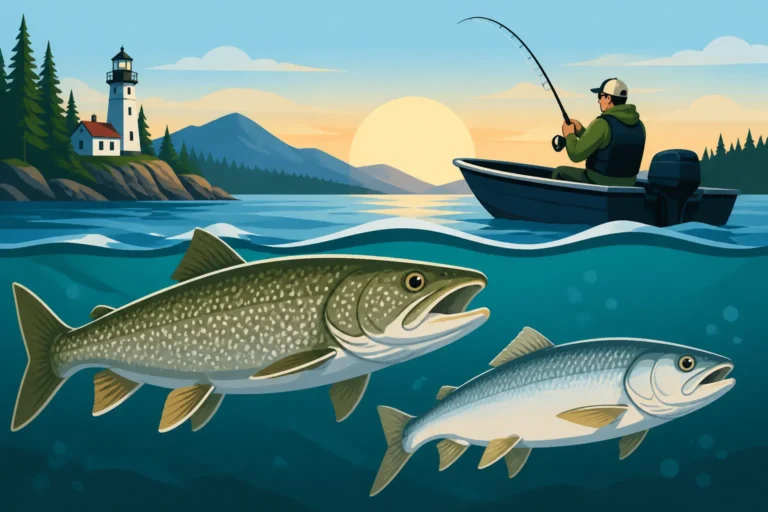
For a long time, many folks outside of Maine, and even some within our borders, have held onto the idea that our state is exclusively a coldwater fishery. They picture pristine lakes full of brook trout and landlocked salmon, or coastal waters teeming with striped bass. And while those images are absolutely true and part of what makes Maine so special, it can be really frustrating for anglers who love chasing warmwater species, particularly largemouth bass, and wonder if they'll find good fishing here. This guide is here to tell you that not only is largemouth bass fishing viable in Southern Maine, but it's often absolutely fantastic, offering a challenging and rewarding experience for bass anglers.
Largemouth Bass in Southern Maine: A Thriving Fishery
When people think of Maine fishing, their minds often drift to the cold, clear waters of the North Woods, famous for species like togue and brook trout. But let me tell you, that perception doesn't paint the full picture, especially when it comes to largemouth bass. Southern Maine, with its milder climate, more developed landscapes, and a plethora of warmer, shallower lakes and ponds, offers a surprisingly robust and often overlooked largemouth bass fishery. It's a delightful secret that many local anglers have been enjoying for years.
Why Southern Maine is Different for Largemouth
The fundamental difference lies in the aquatic environment itself. Largemouth bass thrive in warmer, weedier waters, preferring habitats with plenty of cover like lily pads, submerged timber, and dense aquatic vegetation. These conditions are far more prevalent in the shallower, nutrient-rich lakes and ponds found across Southern Maine compared to the deeper, colder, and often rockier glacial lakes of the central and northern parts of the state. Our southern waters warm up faster in the spring and hold their warmth longer into the fall, creating ideal growing conditions for largemouth. This means a longer active feeding season and, consequently, more opportunities for anglers to target them.
You’ll find that many of these southern bodies of water are simply built for bass. They often have irregular shorelines, coves, and points that offer perfect ambush points. The presence of abundant forage species, from baitfish to frogs and crayfish, also contributes to a healthy and growing bass population. Unlike some of the more pristine, oligotrophic (low nutrient) lakes up north that might struggle to support large warmwater populations, Southern Maine's mesotrophic (moderate nutrient) and even eutrophic (high nutrient) waters are exactly what largemouth bass need to flourish.
Growth and Health of Southern Maine Largemouth Populations
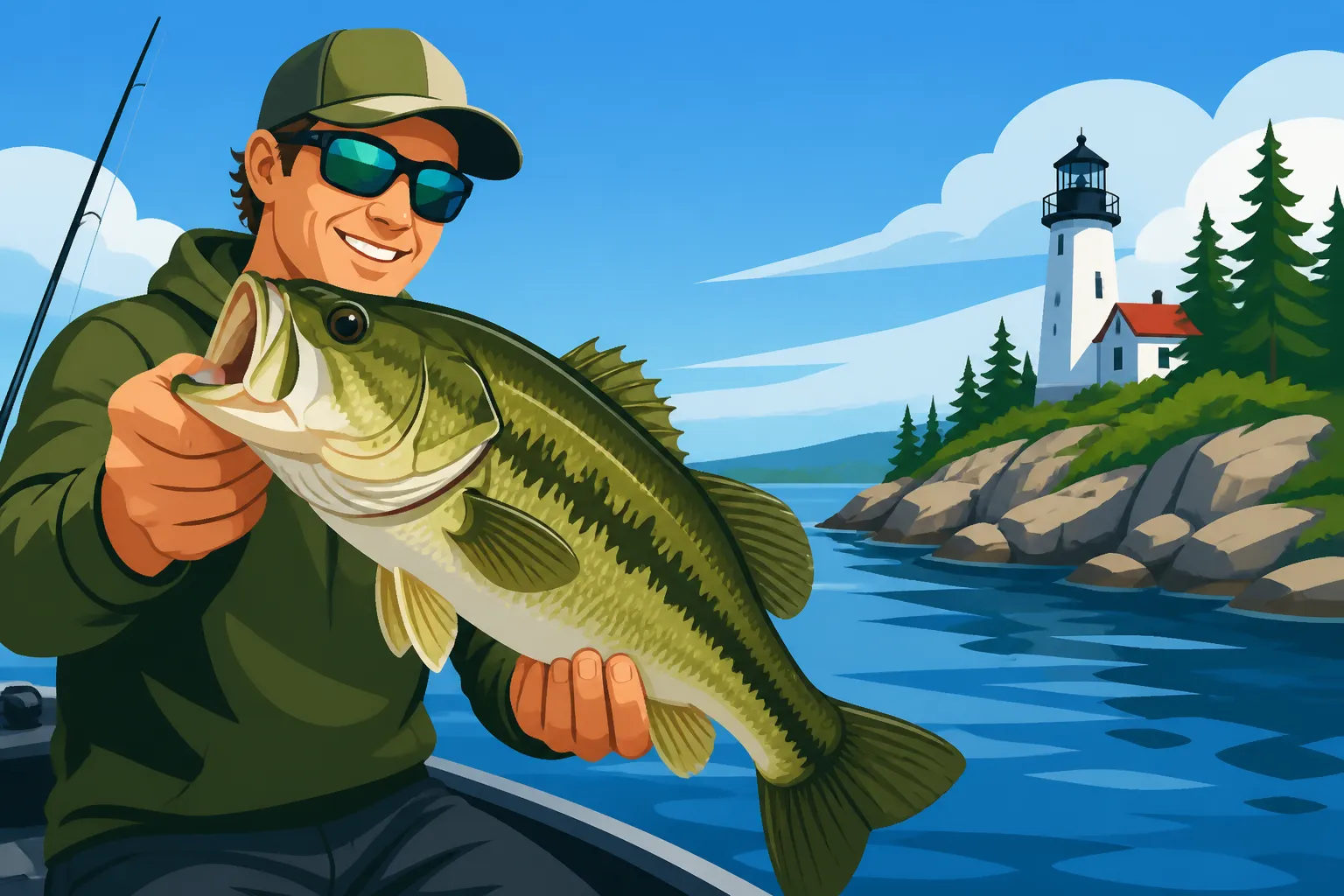
The health and size of largemouth bass populations in Southern Maine are truly impressive. Anglers often report catching numerous bass in the 2-4 pound range, with fish exceeding 5 pounds being a regular occurrence in many of the region's top bass lakes. Trophy-sized largemouth, tipping the scales at 6, 7, or even more pounds, are caught every season, proving that these fish are not just surviving but absolutely thriving here. This robust growth is a testament to the excellent habitat, ample food sources, and responsible management by the state's fisheries biologists.
Many of these lakes also benefit from a strong conservation ethic among anglers, with catch and release becoming the norm for larger bass. This practice helps ensure that these big, healthy fish remain in the system to spawn and contribute to future generations, reinforcing the quality of the fishery year after year. While some might assume Maine's bass are small due to the overall colder climate, Southern Maine bucks that trend, offering bass that are just as feisty and often as big as those found in more renowned bass fishing states further south. If you're looking for a good fight and the chance at a truly memorable catch, Southern Maine's largemouth fishery is definitely worth exploring. You'll find that these waters hold some real beauties! For more details on what these fish eat, check out our guide on What Do Largemouth Bass Eat in Maine?.
Prime Locations for Largemouth Bass in Southern Maine
So, now that we've established that Southern Maine is indeed a hotbed for largemouth bass, the next natural question is, "Where exactly should I go?" While I can't spill every secret spot (a good angler never reveals all their honey holes!), there are several well-known lakes and ponds, as well as some river systems, that consistently produce excellent largemouth fishing. These areas offer diverse habitats, from shallow, weedy coves to rocky points and submerged timber, catering to all sorts of bass fishing preferences.
Specific Lakes and Ponds
Southern Maine is dotted with numerous lakes and ponds that are absolutely fantastic for largemouth bass. Many of these water bodies are shallower than their northern counterparts, with abundant aquatic vegetation and structure perfect for bass.
- Sebago Lake: While famous for its landlocked salmon and lake trout, Sebago also boasts an excellent largemouth bass population, particularly in its shallower coves and arms like the Jordan Bay or the areas around Raymond Cape. The structure here is varied, offering everything from rocky outcrops to submerged weeds. You might need to compete with other anglers for space, but the rewards can be substantial. For tips on navigating its vastness, our Sebago Lake Fishing Guide can be a great resource.
- Belgrade Lakes Region: This cluster of lakes, including Great Pond, Messalonskee Lake, and Cobbosseecontee Lake, is often hailed as one of Maine's premier bass fishing destinations. Cobbosseecontee Lake, in particular, is legendary for its largemouth, with trophy fish caught annually. These lakes are characterized by extensive weed beds, rocky shoals, and plenty of docks and fallen trees, providing endless cover for bass. Belgrade Lakes Bass Fishing in Maine provides more specific details on this fantastic region.
- Long Lake (Naples/Bridgton): Connected to Sebago via the Songo River, Long Lake offers a similar warmwater fishery with excellent largemouth. Its numerous coves, varying depths, and plenty of shoreline structure make it a favorite for bass boaters and kayakers alike.
- China Lake: Located near Augusta, China Lake is another gem for largemouth, featuring extensive shallow areas, weed lines, and submerged brush that hold plenty of fish. It's a great spot for both quantity and quality. You can find more specific information on Fishing China Lake Near Augusta, Maine.
- Androscoggin Lake: Found in Kennebec County, this lake is shallower and warms up quickly, making it a fantastic early-season bass spot. It's known for its lily pads and dense submerged vegetation, ideal for flipping and pitching techniques.
- Mousam Lake: Down in York County, Mousam Lake is a beautiful lake that holds a strong population of largemouth, offering a more serene experience than some of the larger, busier lakes. Its clear waters and rocky shorelines mixed with coves and submerged timber are perfect for a variety of bass tactics.
When heading out to any of these spots, remember that access points can vary. Many have public boat launches, but always check local regulations and private property boundaries. A good topographical map or a detailed fishing app can be your best friend in locating prime bass habitat.
Rivers and Flowages
While lakes and ponds get a lot of the attention, Southern Maine's river systems and associated flowages also offer fantastic largemouth bass fishing, particularly during certain times of the year. These riverine environments often present unique challenges and rewards compared to stillwater fishing.
- Kennebec River (Lower Sections): Below the dams, particularly around Augusta and points south, the Kennebec River offers warmer, slower-moving sections and oxbows that hold largemouth bass. These areas often have muddy bottoms, submerged vegetation, and plenty of current breaks where bass love to hide and ambush prey. While the Kennebec is more famous for its striped bass runs, don't overlook its warmwater pockets for some exciting largemouth action. Check out Kennebec River Fishing Access Points in Maine for more detailed access info.
- Androscoggin River: Similar to the Kennebec, the lower reaches and calmer sections of the Androscoggin River can be surprisingly productive for largemouth. Look for areas with slower currents, backwaters, and tributaries that offer more sheltered, warmer conditions. These spots might require a bit more exploration, but they can yield some truly untouched bass.
- Saco River: The Saco, particularly in its calmer stretches and oxbows, provides excellent habitat for largemouth. The river's varied flow, combined with abundant shoreline cover like overhanging trees and submerged structure, creates prime bass territory. Kayak anglers often find great success exploring the quieter parts of the Saco. For more details on getting onto the water, see Saco River Fishing Access.
Fishing river systems for largemouth requires a slightly different approach than lake fishing. Current is a major factor, and bass will often position themselves out of the main flow, behind structure, or in eddies, waiting for food to come to them. Look for areas where the current breaks, such as around fallen trees, large boulders, or bridge pilings. These spots are natural magnets for largemouth seeking refuge and feeding opportunities. Utilizing a boat, kayak, or canoe can be incredibly effective for navigating these river systems and accessing prime bass habitat that shore anglers might miss.
Effective Techniques and Lures for Southern Maine Largemouth
Chasing largemouth bass in Southern Maine means adapting your techniques to the season, water conditions, and the specific habits of these feisty fish. What works in a shallow, weedy pond in June might not cut it in a deeper lake in August. But don't worry, there's a tackle box full of strategies that will help you entice those bass into biting. The key is often versatility and being observant of your surroundings.
Spring and Early Summer Strategies
Spring and early summer are prime times for largemouth bass fishing in Southern Maine. As the ice melts and water temperatures begin to climb, bass move into shallower waters for spawning and then actively feed in preparation for and recovery from it.
- Pre-Spawn and Spawning: In early spring, as water temperatures rise into the 50s Fahrenheit, bass will stage in slightly deeper areas adjacent to their spawning flats. Slow-rolling spinnerbaits, lipless crankbaits, or jigs can be incredibly effective during this period. Once temperatures hit the low to mid-60s, bass move onto nests. During the spawn, sight fishing with soft plastics like wacky-rigged Senkos or creature baits can provoke strikes from protective males. Remember to minimize disturbance to spawning beds and practice quick, careful catch and release if targeting spawning fish. You can find a good selection of these lures on Amazon.
- Post-Spawn to Early Summer: After the spawn, bass are often hungry and aggressive, moving into shallower cover to recuperate and feed. This is when topwater action can explode! Frogs, poppers, and walking baits thrown over lily pads, weed mats, or around docks are deadly, especially during low-light conditions. As the sun gets higher, switch to flipping and pitching jigs, creature baits, or Texas-rigged worms into heavy cover. These presentations allow you to get right into the bass's living room. Crankbaits that mimic baitfish are also excellent for covering water and targeting active fish along weed lines or rocky points. For those looking to stock up, Amazon offers a wide array of topwater lures and soft plastics perfect for this season.
Mid-Summer and Fall Tactics
Mid-summer heat and the cooling waters of fall require different approaches to consistently catch Southern Maine largemouth. Bass behavior shifts with water temperature and forage availability, demanding adjustments from the angler.
- Mid-Summer: When the summer sun is high and water temperatures peak, largemouth often seek refuge in deeper, cooler water during the day or bury themselves deep within dense cover. Early mornings, late evenings, and overcast days are prime times for topwater or shallow-water presentations. During the bright, hot middle of the day, you'll need to go deep or get into the thickest stuff.
- Deep Water: Look for bass on main lake points, humps, or channel edges, often suspending over deeper water or relating to submerged structure. Drop-shotting finesse worms, slow-dragging Carolina rigs with soft plastics, or jigging spoons can tempt these less active fish. Using your electronics to locate thermoclines and baitfish schools is crucial here.
- Heavy Cover: Flipping and pitching heavy jigs, Punching rigs with creature baits through thick mats of lily pads or matted grass can be highly effective. The key is to use heavy line and stout rods to extract bass from this dense cover. A robust braid and a strong hookset are your best friends here. You can find specialized punching weights and hooks on Amazon to rig up properly.
- Fall: As water temperatures cool, largemouth become highly active again, feeding heavily to pack on weight for the winter. This is often a time of transition, with bass moving from deep summer haunts back to shallower areas, often following baitfish.
- Shallow Feeding Frenzy: Crankbaits, spinnerbaits, and ChatterBaits are excellent for covering water and finding active fish along weed edges, rocky banks, and points. Bass will often school up and aggressively chase down bait.
- Jigging and Slow Presentations: As temperatures drop further, bass might move a bit deeper, so football jigs and slow-moving swimbaits worked along structure can be very effective. This "fall bite" can be one of the most exciting times of the year to chase big largemouth, as they are often at their heaviest and most aggressive. For specific bait recommendations, refer to Best Lures for Largemouth Bass in Maine.
Here's a quick overview of popular lure types for Southern Maine Largemouth:
| Lure Type | Best Season(s) | Ideal Conditions | Target Depth |
|---|---|---|---|
| Spinnerbaits | Spring, Fall | Overcast, windy, covering water | Shallow-Mid |
| Crankbaits | Spring, Summer, Fall | Covering water, defined structure (points, drops) | Mid-Deep |
| Jigs (Flipping) | Spring, Summer, Fall | Heavy cover (mats, docks, wood) | Shallow-Mid |
| Soft Plastics | All Seasons | Finesse, sight fishing, heavy cover | All Depths |
| Topwater (Frogs) | Summer (peak), Spring | Heavy cover, low light, warm water | Surface |
| ChatterBaits | Spring, Summer, Fall | Weed lines, around sparse cover, active fish | Shallow-Mid |
| Drop Shots | Summer | Deep, clear water, pressured fish | Mid-Deep |
Remember, having a variety of lures and being willing to switch up your approach based on what the fish are telling you will significantly increase your success when largemouth bass fishing in Southern Maine.
Regulations and Best Practices for Largemouth Bass Fishing
Alright, so you're geared up and ready to hit the water for some largemouth action in Southern Maine. Before you cast your first line, it's absolutely crucial to understand the rules of the game. Maine has specific regulations designed to protect our fisheries and ensure sustainable angling for generations to come. Fishing without knowing or adhering to these rules can lead to fines and a less enjoyable experience for everyone.
Understanding Maine's Bass Regulations
Maine's fishing regulations can sometimes feel like a bit of a labyrinth, with different rules for different zones and even specific waters. However, when it comes to largemouth bass in Southern Maine, there are some general principles to keep in mind, alongside specific nuances for certain bodies of water. The core regulation for much of Southern Maine falls under what's known as "General Law" for the South Zone, but you always, always need to check the specific rule book for the water you intend to fish.
- Fishing License: First and foremost, you'll need a Maine Fishing License Guide. This is non-negotiable for anyone aged 16 and over. Whether you're a resident or a visitor, make sure your license is current and with you. You can purchase them online or from various agents across the state.
- Seasons and Bag Limits: For most waters in Southern Maine, the general law for bass allows for a specific bag limit and a length limit. It's common to see regulations that allow for a daily bag limit of a certain number of bass, with a restriction on how many can be over a certain length. This "slot limit" or "maximum length" rule is designed to protect larger, spawning fish. For instance, you might be allowed to keep a few bass under a certain size, but only one or two over a specific length. This helps ensure that the big breeders stay in the water. For more on this, check out Maine Bass Fishing Limits by Zone.
- North Zone vs. South Zone: Maine is divided into a North and South Zone for fishing regulations. Most of the prime largemouth waters we've discussed are firmly in the South Zone, which generally has different season dates and limits than the North Zone. Understanding Maine North Zone vs South Zone Fishing Rules is vital, even if you mostly stick to the south, as it explains the reasoning behind these distinctions.
- Special Regulations: It's incredibly important to remember that individual lakes, ponds, and sections of rivers can have special regulations that override general law. This is often the case for waters that are heavily fished, have unique ecological considerations, or are part of specific management plans. Always check the current Maine Open Water & Ice Fishing Regulations book, available online from the Maine Department of Inland Fisheries and Wildlife (MDIFW) or at license agents, for the specific water you're targeting. Don't rely on old information or assumptions!
Familiarizing yourself with these rules is not just about avoiding penalties; it's about being a responsible angler and contributing to the health of Maine's incredible fishing resources.
Conservation and Catch & Release
Beyond just following the letter of the law, practicing good conservation habits and employing proper catch-and-release techniques are essential for maintaining Southern Maine's thriving largemouth bass fishery. These fish are a valuable resource, and treating them with care ensures that they continue to provide exciting angling opportunities for years to come.
- Handling Fish: When you land a largemouth, handle it gently. Minimize its time out of the water. If you want a photo, get it ready beforehand so you can quickly snap a picture and return the fish. Support the fish's full weight horizontally, especially if it's a larger one, rather than just vertically gripping its jaw, which can injure its spine. Avoid touching its eyes or gills. Using a knotless rubber net can also help protect their slime coat and fins. For comprehensive guidelines, refer to Catch and Release Best Practices in Maine.
- Barbless Hooks: Consider using barbless hooks or pinching down the barbs on your lures. This makes hook removal much easier, faster, and less damaging to the fish, especially if they've swallowed the lure deeply. A good pair of long-nosed pliers or a hook-out tool is invaluable for quick and safe hook removal. You can find excellent hook-out tools and barbless hooks for sale on Amazon.
- Water Temperature and Stress: Be particularly mindful of catch and release during periods of high water temperature, such as mid-summer. Warm water holds less oxygen, and fish are already under stress. If you're planning to release fish, try to fish during cooler parts of the day, fight the fish quickly to minimize exhaustion, and keep them in the water as much as possible. If you notice fish struggling after release, reviving them by gently holding them upright in the water and moving them slowly back and forth until they can swim away on their own is a responsible practice.
- Lead Tackle: Maine has regulations regarding the use of lead tackle in certain sizes. This is primarily to protect loons and other waterfowl that can ingest lead sinkers and jigs. Always be aware of these restrictions, as they are in place to safeguard our wildlife.
- Respect Private Property and the Environment: Always be respectful of private land, clean up all your trash (pack it in, pack it out!), and avoid disturbing wildlife. Leaving a fishing spot better than you found it is a cornerstone of responsible outdoor recreation.
By being mindful of regulations and practicing thoughtful catch and release, we can all play a part in ensuring that largemouth bass fishing remains excellent in Southern Maine. It's about enjoying the thrill of the catch while also being a good steward of our precious natural resources.
Disclaimer
This article is for general informational purposes only and does not constitute professional advice. Laws, prices and regulations vary by location and change over time. Consult a qualified professional for guidance on your specific situation.