Are Largemouth Bass Native to Maine?
It’s a question many anglers, especially those new to the beautiful waters of Maine, often ponder: are largemouth bass truly native to our rugged landscape? You might see them caught in many of our lakes, putting up a fantastic fight, and naturally assume they’ve always been here. However, the reality is a bit more nuanced, and understanding their history in Maine is crucial for appreciating our unique aquatic ecosystems and the role anglers play in their future. This guide will dive deep into the fascinating journey of largemouth bass in Maine, exploring their origins, impact, and how we, as responsible anglers, can navigate their presence.
The Origin Story: Are Largemouth Bass Truly Native to Maine?
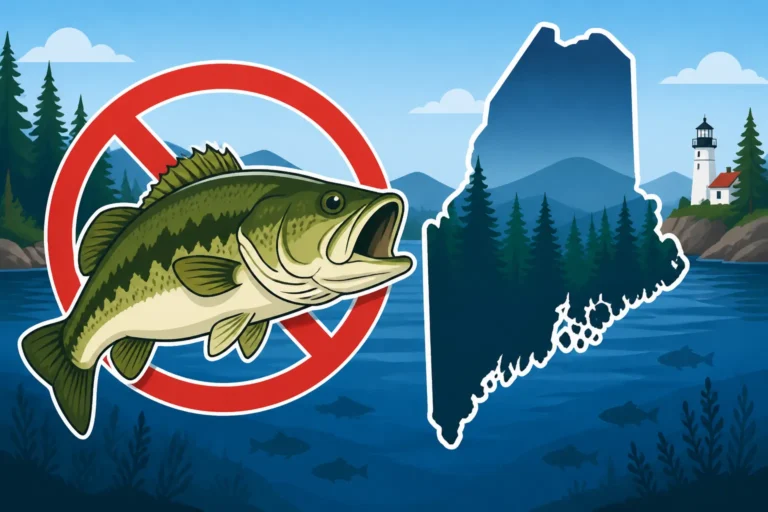
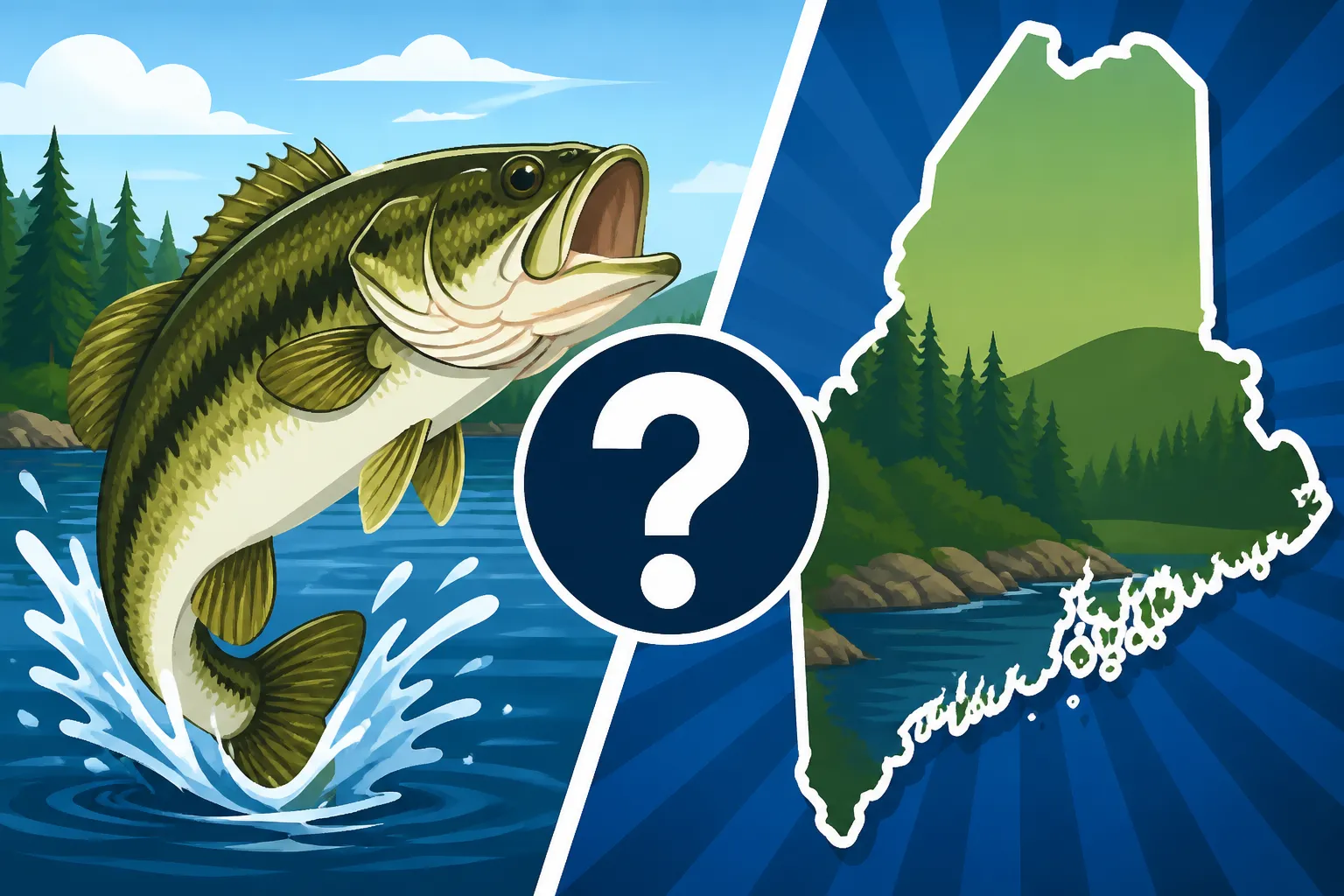
Let's cut right to the chase, because there's a lot of chatter and misunderstanding out there. The short answer to whether largemouth bass are native to Maine is a clear and resounding no. While they are certainly a thriving part of many of our fisheries today, particularly in southern and central Maine, their presence here is due entirely to human introduction, not natural migration. This often surprises people, especially when they've been catching these feisty fish for years.
Unpacking the "Native" Debate
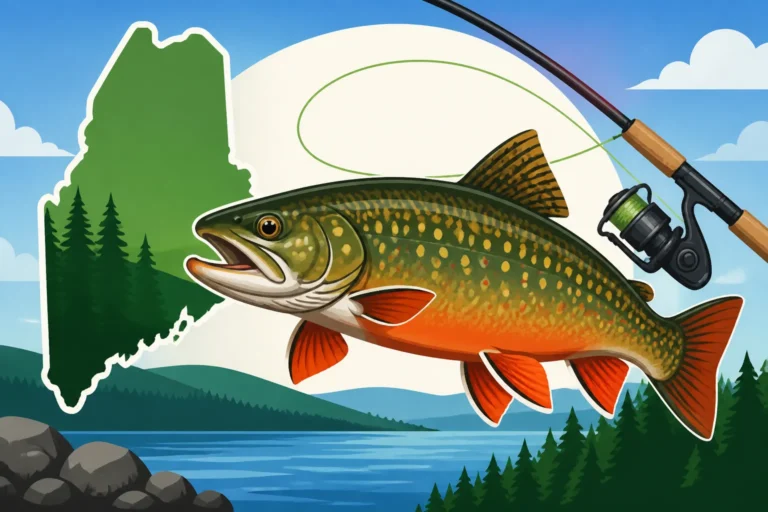
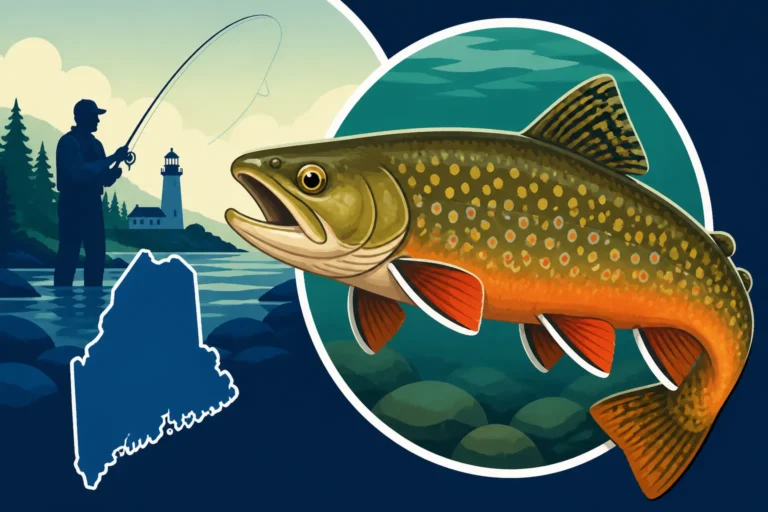
When we talk about a species being "native," it means they evolved in a particular region and have been part of that ecosystem for thousands, if not millions, of years. They developed alongside other species, forming complex food webs and ecological relationships. In Maine's freshwater systems, our true native stars include species like the brook trout, the state fish, and even the smallmouth bass, which is native to many of our watersheds. The confusion often stems from the commonality of "bass" in general, leading many to group both smallmouth and largemouth under the same native umbrella.
The distinction between native and non-native isn't just an academic one for biologists; it has real implications for the health and balance of our lakes and ponds. Native species are typically adapted to the specific conditions of a region, including water temperature, food sources, and competition. When a non-native species is introduced, even if it's a popular sport fish, it can disrupt these delicate balances in unforeseen ways. It’s important to remember that not all introductions are inherently bad, but they do change the landscape.
How They Arrived in the Pine Tree State
So, if largemouth bass aren't native, how did they become such a widespread and popular game fish in Maine? Their journey here is a classic tale of human intervention, driven largely by recreational angling interests. Largemouth bass were intentionally introduced into Maine waters, primarily starting in the late 19th and early 20th centuries. Enthusiastic anglers and, in some cases, state agencies, saw the potential for a new, exciting sport fish to supplement existing fisheries. They brought them in from states where largemouth bass were native, recognizing their aggressive nature and fighting prowess.
These initial stockings were often followed by secondary introductions as anglers, perhaps unknowingly or with good intentions, moved fish from one lake to another. This practice, while now highly discouraged and often illegal, contributed significantly to their spread. Largemouth bass are incredibly adaptable creatures, capable of tolerating a wider range of water temperatures and habitat conditions than some of our more sensitive native species, like the brook trout. This adaptability, combined with their prolific breeding habits, allowed them to establish strong populations quickly in many Maine lakes and ponds, particularly in the warmer, weedier waters of central and southern Maine. It's a testament to their resilience, but also a reminder of how easily human actions can reshape an ecosystem.
Understanding the Impact of Non-Native Largemouth Bass
While they are a blast to catch, the introduction of any non-native species, including largemouth bass, comes with ecological consequences. It's not about villainizing the fish, but understanding the intricate web of life in our waters and how changes can ripple through it. This understanding helps us appreciate why conservation efforts sometimes involve difficult decisions about managing these introduced populations.
Ecological Ripple Effects
The biggest concern with non-native species like largemouth bass is their potential impact on native fish populations. Maine's freshwater ecosystems, especially our renowned coldwater fisheries, are incredibly precious. Largemouth bass are voracious predators, and when introduced into waters with native species that haven't evolved alongside such a competitor, the balance can shift dramatically. They can prey on smaller native fish, amphibians, and even the young of other game fish. For instance, in some lakes, they might compete directly with Smallmouth Bass Fishing in Maine for food or habitat, or, more critically, they can predate upon the young of our cherished Brook Trout Fishing in Maine or Landlocked Salmon Fishing in Maine.
The presence of largemouth can also alter the food web by reducing populations of certain prey species, which in turn affects other predators or filter feeders. Their preferred habitat – typically warmer, weedier coves and shallow areas – can also overlap with critical nursery grounds for other species, leading to competition for space and resources. This isn't always a doomsday scenario, as many lakes have found a new equilibrium, but it’s a constant concern for fisheries managers. It's why there are often different Maine Fishing Regulations Explained for various species and why anglers are sometimes encouraged to harvest non-native fish.
Angler Perspectives: The Good, the Bad, and the Complex
From an angler's perspective, the impact of largemouth bass is often a mixed bag, tinged with a complex appreciation. On one hand, largemouth bass provide incredible recreational opportunities. Their aggressive strikes, powerful fights, and acrobatic jumps make them a thrilling target for many, and they've undoubtedly boosted fishing tourism in certain regions. Largemouth Bass Fishing in Maine has grown immensely popular, with many anglers specifically targeting them. There are even dedicated Best Lakes for Bass Tournaments in Maine that draw enthusiasts from all over. The challenge and excitement of hunting for a big bucketmouth is undeniable, and many have built their entire angling passion around them.
However, the "bad" comes into play when their presence negatively impacts the native species that define Maine's unique angling heritage. A passionate brook trout angler, for example, might view largemouth as a threat to precious wild trout populations. The conflict often lies in balancing diverse angling interests with the long-term ecological health of our waters. It's a conversation that involves science, passion, and a deep respect for both the sport and the environment. Many anglers recognize this complexity and actively participate in responsible fishing practices, understanding that enjoying the sport also means being a steward of the resource.
Management and Coexistence: What Maine Does and What Anglers Can Do
Given that largemouth bass are here to stay in many of our waters, the focus shifts to how we manage their populations and ensure that our native fisheries can continue to thrive alongside them. It's about finding a balance, and both state agencies and individual anglers have crucial roles to play.
State Management Strategies
The Maine Department of Inland Fisheries and Wildlife (MDIFW) has a comprehensive approach to managing all fish species in the state, and largemouth bass are no exception. Because they are not native and can impact native species, MDIFW often takes a different approach to their management compared to, say, brook trout. In many waters where largemouth bass are established, regulations might be more liberal. For instance, you might find waters with higher Maine Bass Fishing Limits by Zone or even no bag limits for largemouth, especially for smaller fish, encouraging harvest to help control their populations. This is a common strategy to mitigate their impact on more sensitive native fish.
MDIFW also conducts surveys and research to monitor largemouth bass populations and their interactions with other species. They use this data to inform stocking decisions (or lack thereof for largemouth), adjust regulations, and educate the public. The aim is often to protect "heritage" or "trophy" waters for native species, while allowing largemouth to flourish in other lakes where their impact is deemed less severe or where they provide valuable recreational opportunities without jeopardizing fragile ecosystems. Understanding these regulations is key, and you can always consult the annual Maine Fishing License Guide or the MDIFW website for the most current information.
Responsible Angling Practices
As anglers, we are on the front lines, and our actions can make a real difference in supporting healthy fisheries. When it comes to non-native species like largemouth bass, responsible angling involves several key practices:
- Know Your Regulations: Always, always check the current Maine Fishing Regulations Explained for the specific waterbody you're fishing. Limits and rules can vary dramatically, sometimes even from one side of a bridge to the other! Knowing whether to keep or release a largemouth can be part of the management strategy.
- Prevent Further Spread: This is huge. Never, under any circumstances, move fish from one body of water to another. What seems like a helpful gesture can introduce invasive species and devastate a native fishery. Always empty your livewell or bait bucket before moving your boat or gear to a new location.
- Selective Harvest: In waters where MDIFW encourages the harvest of largemouth bass, particularly smaller ones, consider keeping some for the table. Can You Eat Smallmouth Bass From Maine Lakes? – generally, yes, and the same goes for largemouth. They are delicious! This isn't about eradicating them, which is often impossible, but about managing their numbers to support overall ecosystem health. If you're looking for gear to process your catch, many useful tools can be found on Amazon.
- Catch and Release Best Practices: For native species, or when releasing largemouth, practice proper Catch and Release Best Practices in Maine. Minimize handling time, use appropriate tackle to avoid gut hooks, and support the fish gently in the water until it swims away strongly. This ensures the fish has the best chance of survival.
- Educate Yourself and Others: Share your knowledge with fellow anglers. The more people understand the distinctions between native and non-native species and the reasons behind certain regulations, the better we can collectively protect Maine's incredible fishing resources. For instance, knowing the difference between How to Identify Smallmouth vs Largemouth Bass is fundamental.
Here's a quick comparison of our two main bass species in Maine:
| Feature | Smallmouth Bass (Micropterus dolomieu) | Largemouth Bass (Micropterus salmoides) |
|---|---|---|
| Native to Maine | Yes (many watersheds) | No (introduced) |
| Appearance | Bronze/brown, vertical bars, jaw ends before eye | Green/dark blotches, horizontal stripe, jaw extends past eye |
| Preferred Habitat | Cooler, clearer, rocky lakes & rivers | Warmer, weedier, shallower lakes & ponds |
| Typical Fight | Hard, acrobatic jumps | Powerful, deep runs, head shakes |
| Ecological Role | Native predator, part of natural food web | Non-native predator, potential impact on natives |
| Angler Target | Highly sought after for sport | Highly sought after for sport |
Ultimately, enjoying the thrill of catching a largemouth bass in a Maine lake comes with a responsibility to understand their place in our ecosystem. By staying informed, adhering to regulations, and practicing ethical angling, we can continue to enjoy both the exciting challenges of Largemouth Bass Fishing in Maine and the unique beauty of our native fisheries. Whether you're searching for specific lures, like the Best Lures for Largemouth Bass in Maine, or checking out new rods on Amazon, remember that the gear is just one part of a larger commitment to conservation.
Disclaimer
This article is for general informational purposes only and does not constitute professional advice. Laws, prices and regulations vary by location and change over time. Consult a qualified professional for guidance on your specific situation.