Is Atlantic Salmon Fishing Legal in Maine Rivers?
If you're an angler dreaming of battling a powerful Atlantic salmon in a pristine Maine river, you're not alone. The iconic image of these magnificent fish leaping through rapids captures the imagination, but the reality of fishing for them in Maine today is often a source of confusion and even disappointment for many. Many folks arrive in Maine, eager to cast a line for this legendary fish, only to find themselves scratching their heads at the myriad of rules. This guide is here to untangle the complex legalities and extensive conservation efforts surrounding Atlantic salmon fishing in Maine's rivers, so you know exactly what to expect and how to approach these precious fisheries responsibly.
The Truth About Atlantic Salmon in Maine Rivers
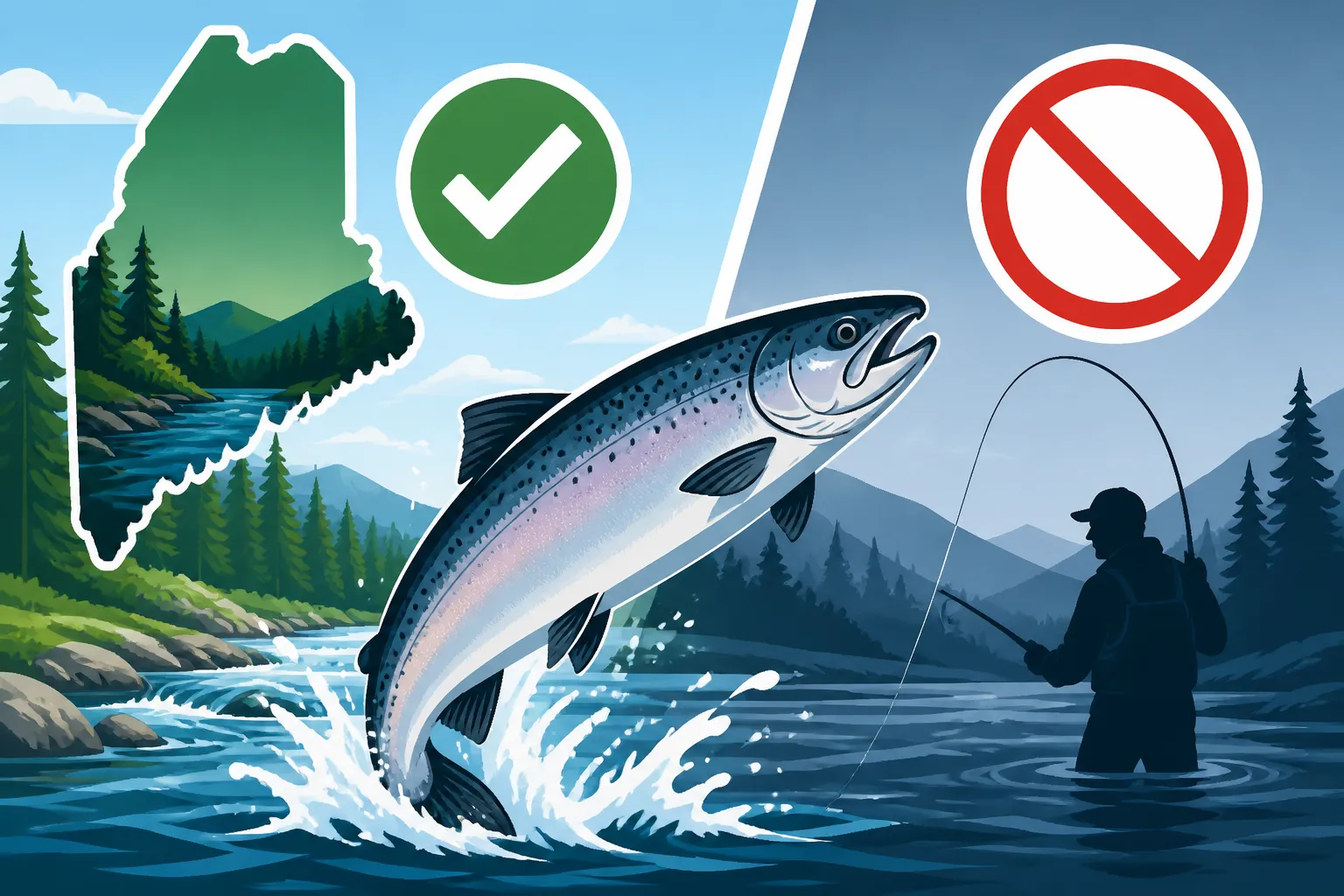
Let's get straight to it: the short answer for most anglers hoping to catch and keep an Atlantic salmon in Maine is a resounding no. For all intents and purposes, recreational fishing for wild Atlantic salmon is exceptionally restricted, often to a degree that makes it impractical for the average angler, and always under a strict catch-and-release mandate. This isn't because Maine doesn't have Atlantic salmon; it's because the populations are in such a precarious state, making their protection paramount.
Maine holds the unique distinction of being the only state in the U.S. with wild Atlantic salmon runs, but these populations are federally listed as endangered. This listing means that every effort is made to protect these incredible fish, and that protection directly impacts what anglers can and cannot do. It's a tough pill to swallow for those who remember stories of abundant salmon runs from generations past, or for those who've fished for them in places like Canada or Europe where regulations might be different. But here in Maine, the focus is squarely on recovery.
Historic Decline and Current Challenges
The decline of Atlantic salmon in Maine isn't a simple story; it's a complex tapestry woven with threads of habitat loss, pollution, overfishing (historically), and the construction of dams that blocked their ancient migratory routes. Rivers that once teemed with salmon returning from the ocean to spawn saw their numbers dwindle dramatically over the past couple of centuries. The majestic Penobscot River, for example, once had a vibrant run, but a series of dams severely impacted their ability to reach their spawning grounds.
Today, even with significant efforts, these populations face ongoing challenges. Climate change impacts ocean survival rates, and continued habitat degradation in some areas makes the journey back to their natal streams a perilous one. It’s a stark reminder of how fragile these ecosystems are and why the current strict regulations are not just bureaucratic hurdles, but essential safeguards for the species' very survival.
Distinguishing Atlantic Salmon from Landlocked Salmon
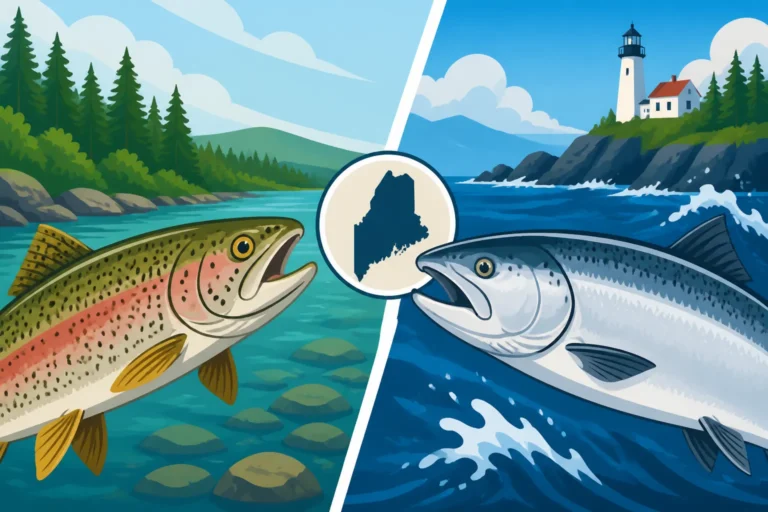
One common point of confusion for anglers, especially those new to Maine's waters, is the difference between Atlantic salmon and landlocked salmon. They look remarkably similar, and both are indeed salmon. However, their life cycles and, critically, their legal fishing status are entirely different.
- Atlantic Salmon (Salmo salar): These are anadromous fish, meaning they hatch in freshwater, migrate to the ocean to grow, and then return to their natal rivers to spawn. These are the fish under strict protection. You're unlikely to target them, and if you accidentally catch one, immediate, careful release is legally required.
- Landlocked Salmon (Salmo salar): Genetically identical to Atlantic salmon, but these populations became isolated from the ocean, often by geological changes or damming. They complete their entire life cycle within freshwater lakes and their tributary rivers. These are a highly prized sport fish in Maine, with open seasons, bag limits, and length limits that vary by water body. Many anglers mistakenly believe they are fishing for "Atlantic salmon" when they are actually targeting landlocked salmon.
Understanding this distinction is crucial. You can and should target landlocked salmon in Maine, and it's a fantastic fishery! But doing so requires checking the Maine Fishing Regulations Explained for the specific lake or river you plan to fish. You'll find these regulations detailed for many of our popular waters, including Rangeley Lakes Landlocked Salmon Fishing in Maine or Sebago Lake Landlocked Salmon Run.
The Strict Legal Status: Catch-and-Release Only
When it comes to Atlantic salmon, Maine’s laws are unequivocally clear: it is illegal to harvest or possess an Atlantic salmon from any river or coastal water in the state. This means if you are lucky enough to hook one, you must release it immediately and unharmed. This isn't just a suggestion; it's a legal requirement designed to give every one of these endangered fish the best possible chance to survive and contribute to future spawning runs.
This catch-and-release mandate is strictly enforced by Maine's Inland Fisheries and Wildlife wardens. There are no exceptions for size, season, or method of catch. It's a zero-tolerance policy because every individual fish is vital to the species' recovery efforts. Trying to sneak one home could lead to significant fines and penalties, and frankly, it undermines the incredible work being done to bring these fish back.
The Nuance of "Targeting" Atlantic Salmon
While it's illegal to keep an Atlantic salmon, the act of targeting them is also heavily regulated. In most Maine rivers, especially those with known Atlantic salmon runs, specific regulations are in place to minimize incidental catch. These regulations can include:
- Gear Restrictions: Some rivers may limit you to single, barbless hooks, or prohibit certain types of bait that are more likely to be swallowed by a salmon. This helps ensure that if a salmon does take your hook, it can be released with minimal injury.
- Season Closures: Certain sections of rivers or entire rivers known to have active salmon runs may be closed to all fishing during critical migration or spawning periods. This provides undisturbed passage for the fish.
- Method Restrictions: Fly-fishing only sections or prohibitions on certain trolling methods might be implemented to reduce pressure on salmon.
It's absolutely vital to check the Maine Fishing Regulations Explained for any river you plan to fish, particularly if it's a known salmon river like the Penobscot, Kennebec, or Dennys River. The Maine Department of Inland Fisheries and Wildlife (MDIFW) publishes an annual law book that is your absolute best friend when navigating these waters. You can usually find a printed copy at most general stores or sporting goods shops, or access it online.
Best Practices for Incidental Catch and Release
Even if you're not targeting Atlantic salmon, you might hook one by accident while fishing for other species like smallmouth bass or landlocked salmon. If this happens, knowing how to properly handle and release the fish is critical for its survival.
Here's what you should do:
- Minimize Fight Time: Bring the fish in as quickly as possible without over-stressing it or damaging your tackle.
- Keep it in the Water: Do everything you can to keep the salmon in the water. Avoid lifting it out of the water, especially by the tail or horizontally. If you must lift it for a quick photo (which is generally discouraged for endangered species), support its entire body horizontally with wet hands.
- Use Wet Hands: Always wet your hands before touching the fish to protect its delicate slime coat, which is its primary defense against infection.
- Remove the Hook Gently: Use needle-nose pliers or a de-hooking tool to remove the hook. If the hook is deeply swallowed, cut the line as close to the hook as possible rather than trying to rip it out. This gives the fish a better chance than suffering extensive internal damage.
- Revive the Fish: Hold the fish gently in the water, facing upstream, allowing water to flow over its gills until it regains its strength and can swim away under its own power. Don't simply toss it back; make sure it's ready.
Being prepared with the right tools – barbless hooks, pliers, and a respectful attitude – goes a long way. You can find excellent quality pliers and de-hooking tools on Amazon, or at local tackle shops, ready to go in your tackle box. This knowledge isn't just good sportsmanship; it's a legal and ethical responsibility.
Where You Might Encounter Atlantic Salmon (and the Rules There)
While the general rule is "no fishing for Atlantic salmon," there are specific rivers in Maine where restoration efforts are focused, and where, under very strict conditions, you might encounter these fish. It's important to understand that these areas are not "fishing spots" in the traditional sense, but rather critical zones for scientific study and conservation.
The Penobscot River is a prime example of a river undergoing massive restoration. The removal of several dams along the Penobscot and its tributaries has opened up hundreds of miles of historical habitat. This monumental effort, known as the Penobscot River Restoration Project, aims to bring Atlantic salmon and other migratory fish back to their ancestral spawning grounds. Anglers fishing the Penobscot for other species might now, more frequently, encounter returning Atlantic salmon.
Key Restoration Rivers
Several rivers in Maine are designated as critical habitat for Atlantic salmon and are the focus of intense conservation efforts. These include:
- Penobscot River: As mentioned, this river is at the forefront of restoration. You'll find specific regulations that apply to different stretches of the river, especially concerning gear and seasons. Check the Penobscot River Atlantic Salmon Restoration information carefully.
- Dennys River: Located in Downeast Maine, the Dennys River has one of the stronger remaining wild Atlantic salmon runs and is closely managed.
- Machias River: Another Downeast river with ongoing restoration work and a wild salmon population.
- Narraguagus River: Also in Downeast Maine, this river is part of the Atlantic Salmon recovery efforts.
- Sheepscot River: This central Maine river also supports a small, but critically important, Atlantic salmon run.
For each of these rivers, the MDIFW works in conjunction with federal agencies to implement highly specific regulations designed to protect salmon. These rules can be incredibly detailed, sometimes changing year to year based on fish returns and environmental conditions. So, if you plan to fish any of these waterways for any species, assume that Atlantic salmon rules will apply and double-check everything.
Special Regulations for Designated Waters
It cannot be stressed enough: for any river you plan to fish that could host Atlantic salmon, you absolutely must consult the Maine fishing law book for that specific water. General law often doesn't apply to these special regulation waters. The book will detail:
- Open and Closed Seasons: Some river sections might be closed entirely, or only open during certain months, often outside of peak salmon migration.
- Terminal Tackle Restrictions: This is where you might see requirements for single, barbless hooks. The rationale is simple: a barbless hook causes less damage and is easier to remove quickly, increasing the chances of survival for a released salmon. For fly anglers, this is often standard practice, but for spin fishermen, it means either using specialized hooks or crimping down the barbs on their existing ones. You can find a good crimping tool or barbless hook options on Amazon.
- Bait Limitations: Live bait or certain natural baits might be prohibited to prevent deep hooking of salmon.
- Reporting Requirements: In some very rare instances, if an experimental fishery is ever opened (which is highly unlikely for wild Atlantic salmon), there would be extremely strict reporting requirements for any fish caught.
Always look for signs at access points, check the MDIFW website, or carry the current law book. Getting caught unintentionally breaking a regulation designed to protect an endangered species is a serious offense, and ignorance of the law is never an excuse.
The Deep Dive into Atlantic Salmon Conservation
The current legal status of Atlantic salmon fishing in Maine is entirely driven by extensive, decades-long conservation efforts. These aren't arbitrary rules; they are carefully crafted strategies by biologists, ecologists, and various state and federal agencies working tirelessly to prevent the extinction of this iconic fish in the U.S.
The Atlantic salmon's journey is truly incredible. They hatch in cold, clear freshwater streams, spend a few years growing into "parr," then transform into "smolts" and migrate downstream to the ocean. They might spend one or more years feeding and growing in the North Atlantic before making the arduous journey back to their exact birth stream to spawn, often overcoming immense obstacles along the way. This complex life cycle makes them incredibly vulnerable to disruptions at any stage, which is why conservation is such a multi-faceted endeavor.
Federal and State Protection
In the United States, wild Atlantic salmon are listed under the Endangered Species Act (ESA). This federal protection triggers a wide range of actions, from habitat restoration projects to strict prohibitions on harming or "taking" (which includes catching and keeping) the fish. The National Oceanic and Atmospheric Administration (NOAA) Fisheries and the U.S. Fish and Wildlife Service (USFWS) work closely with the Maine Department of Inland Fisheries and Wildlife (MDIFW) on these recovery efforts.
These agencies focus on:
- Habitat Restoration: Removing outdated dams, installing fish ladders at necessary dams, and restoring riparian zones (the areas along riverbanks) to improve water quality and spawning grounds. The Penobscot River project is a shining example of this.
- Stock Enhancement: In some areas, hatchery-raised salmon may be released to supplement wild populations and provide a genetic boost, though the ultimate goal is always self-sustaining wild runs.
- Research and Monitoring: Tracking salmon populations, studying their migration patterns, and understanding threats both in freshwater and marine environments. This scientific data directly informs fishing regulations.
- Enforcement: Wildlife wardens play a critical role in enforcing protective regulations, ensuring that the fish are not illegally harvested.
Every angler, whether they target salmon or not, becomes a part of this conservation story simply by understanding and respecting the rules. Your compliance helps these fish make a comeback.
Why the Regulations are So Strict
It's easy to feel frustrated by stringent rules, especially when you're just looking for a good day of fishing. But for Atlantic salmon, these regulations are a matter of survival. Their populations are so low that every single fish counts. Losing even a few fish to accidental harvest or poor catch-and-release practices can have a disproportionately negative impact on the overall population's ability to recover.
Think of it this way: when a species is at risk of disappearing entirely, the approach shifts from managing a harvestable resource to actively protecting every individual to ensure there's a future generation. It's not about denying anglers; it's about safeguarding a natural treasure that has been severely impacted by human activity over the centuries. Many of the restrictions aim to give the fish a fighting chance to complete their spawning migration, lay their eggs, and hopefully, contribute to a healthier, more robust population in the future. It’s a long game, and one that requires patience and dedication from everyone who values Maine's wild places.
Finding Your Salmonid Thrill: Alternative Maine Opportunities
While the pursuit of wild Atlantic salmon is largely a hands-off affair in Maine, that doesn't mean you can't experience incredible salmonid fishing. Maine is absolutely teeming with opportunities to catch other fantastic species that offer thrilling battles and beautiful scenery. Don't let the Atlantic salmon restrictions deter you from enjoying Maine's world-class freshwater and saltwater fisheries.
Many anglers who once dreamed of Atlantic salmon have found equal, if not greater, joy in pursuing other species that are abundant and offer a chance at a legal harvest. It's about shifting your focus and embracing the diversity that Maine's waters provide.
The Abundant Landlocked Salmon Fishery
If you're looking for a salmon experience that's legal and exciting, look no further than Maine's landlocked salmon fishery. These fish are powerful fighters, beautiful to look at, and present a rewarding challenge for anglers of all skill levels. They are a staple of Maine's freshwater lakes and many of its larger rivers.
Landlocked salmon thrive in cold, clear waters and are particularly sought after in lakes like Sebago Lake Fishing Guide, Moosehead Lake Fishing Guide, and the legendary Rangeley Lakes Fishing Guide. Fishing for them often involves trolling with various lures and baits, especially during the colder months of spring and fall, or through the ice in winter. You can also find them in tributary streams during spawning runs.
| Feature | Atlantic Salmon (Wild) | Landlocked Salmon |
|---|---|---|
| Life Cycle | Anadromous (ocean-dwelling) | Freshwater (lake-dwelling) |
| Legal to Keep? | No (federally endangered) | Yes (with specific limits) |
| Primary Habitat | Specific coastal rivers | Large, coldwater lakes |
| Fishing Method | Incidental catch, strictly C&R | Trolling, casting, ice fishing |
| Conservation Status | Endangered | Managed sport fishery |
| Availability | Very limited access | Widespread in suitable lakes |
Make sure you're up-to-date on the Maine Landlocked Salmon Bag Limits for the specific water you are fishing, as regulations can vary significantly from one lake to another. A quick check of the MDIFW regulations will keep you in the clear and help you enjoy a successful trip.
Other Exciting Salmonid Opportunities
Beyond landlocked salmon, Maine offers a fantastic array of other coldwater species that are related to salmon and provide excellent fishing:
- Brook Trout: Maine is renowned for its wild brook trout fishing, particularly in the remote ponds and streams of the North Woods. These native fish are stunning and aggressive, making them a favorite for fly anglers and spin fishermen alike. The Brook Trout Fishing in Maine guide can provide more details. You can find excellent ultralight spinning gear or fly rods suitable for brook trout on Amazon, or at any local sporting goods store.
- Lake Trout (Togue): Known locally as "togue," these deepwater dwellers are strong, long-lived fish that provide an incredible challenge, especially for those who enjoy deep trolling or ice fishing. Lakes like Moosehead are famous for their togue fishing. Check out Lake Trout and Togue Fishing in Maine for more.
- Brown Trout: While not native, brown trout are stocked in various rivers and lakes across Maine, offering another exciting angling opportunity. They can grow to impressive sizes and are known for their wary nature and strong fights.
- Sea-Run Brook Trout (Salters): In some coastal streams, you might find "salter" brook trout – brook trout that migrate to saltwater for a portion of their lives before returning to freshwater. These are incredibly special fish and another unique Maine experience, often subject to similar cautious catch-and-release practices as Atlantic salmon due to their unique nature.
Each of these species offers its own unique challenges and rewards, and best of all, they are legally accessible to anglers with the proper license and adherence to local regulations. So, while the Atlantic salmon remains largely off-limits for active pursuit and certainly for harvest, Maine's waters still hold a world of exciting fishing adventures waiting for you. Get your Maine Fishing License Guide ready, pack your gear (maybe a new tackle box or some specific lures from Amazon), and explore the incredible diversity that makes Maine a premier fishing destination!
Disclaimer
This article is for general informational purposes only and does not constitute professional advice. Laws, prices and regulations vary by location and change over time. Consult a qualified professional for guidance on your specific situation.