Does Water Temperature Affect Landlocked Salmon Size?
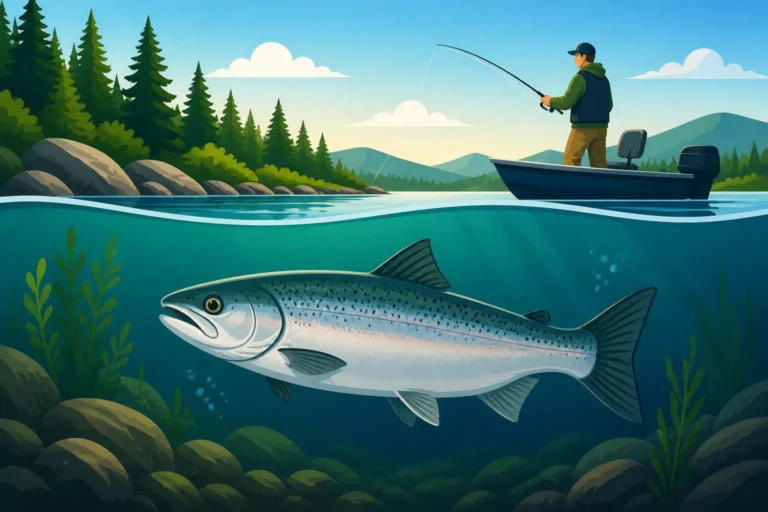
It can be incredibly disheartening when you head out to your favorite Maine lake, full of hope for landing a trophy landlocked salmon, only to find the fish are smaller than you remember, or perhaps just not as robust as you’d hoped. We all know that good fishing often depends on a bit of luck, but there's a powerful, often overlooked factor at play that directly impacts the size and health of these magnificent fish: water temperature. This guide will dive deep into how water temperature profoundly affects the growth and overall size of landlocked salmon in Maine, helping you understand the unseen forces shaping your next catch.
Understanding Landlocked Salmon and Their Habitat Needs
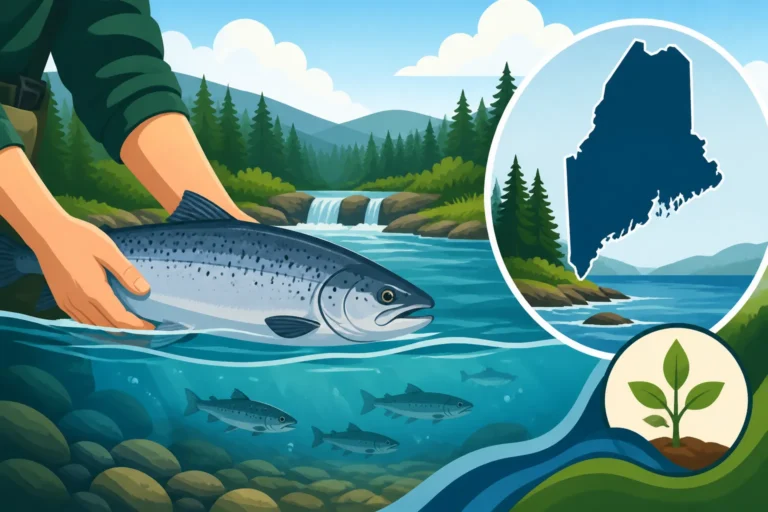
Landlocked salmon are truly special fish, a relic of a time when glaciers covered our landscape, trapping Atlantic salmon in freshwater lakes as the ice receded. These fish, while thriving in our beautiful Maine waters, are very particular about their environment. They aren’t like bass that can tolerate a wide range of conditions; salmon need cool, well-oxygenated water to survive and flourish. It’s this specific need that ties their growth directly to the thermometer.
The Ideal Temperature Range for Growth
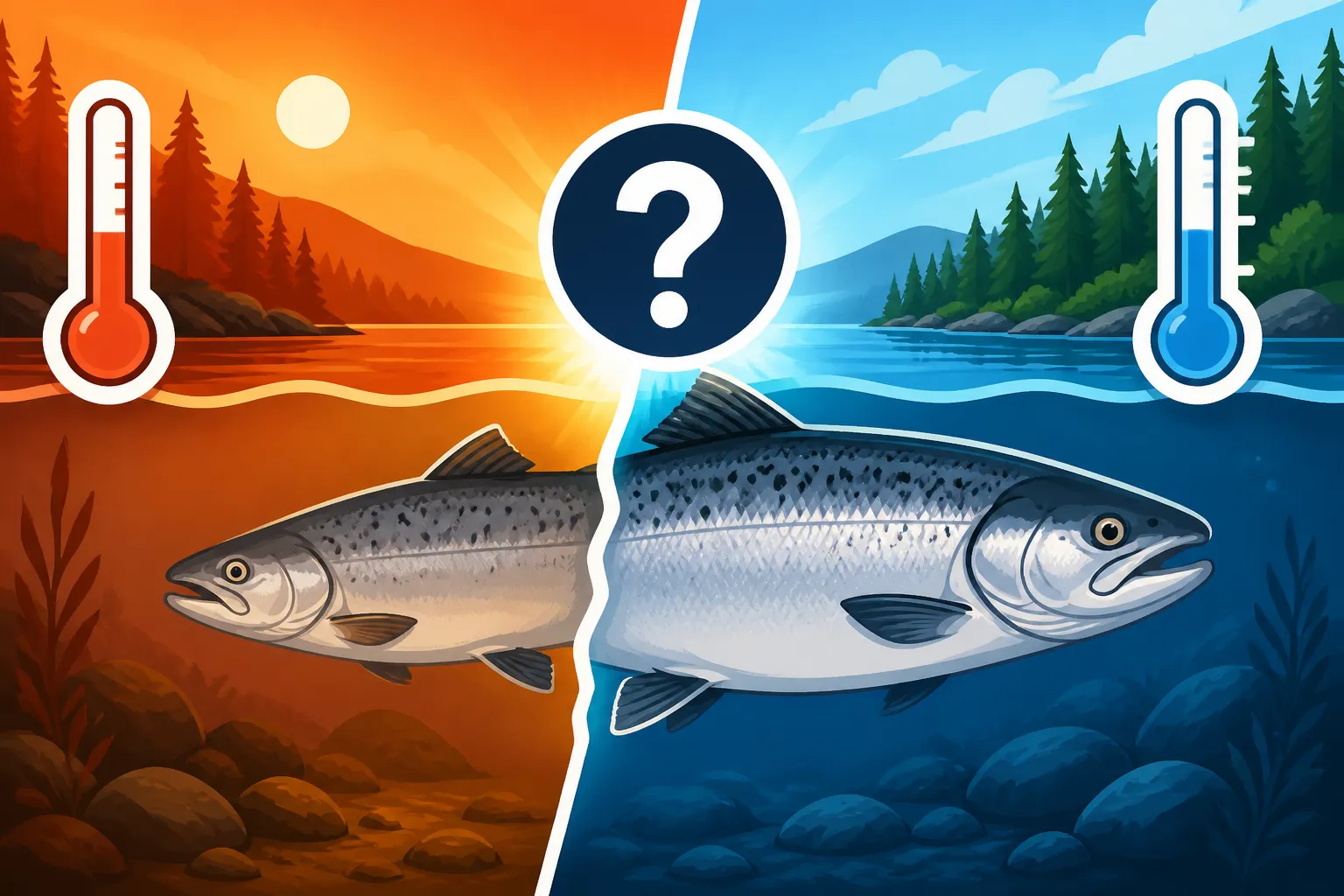
Just like us, salmon have a comfort zone, and for them, it's a relatively narrow band of cool water. Their ideal temperature range for active feeding and optimal metabolism typically hovers between the low 50s and mid-60s Fahrenheit (around 10-18°C). When the water hits this sweet spot, they are active, their digestion is efficient, and they’re busy chasing down smelt and other baitfish, packing on pounds. This period of comfortable temperatures is when they can truly put on size.
Think of it like us trying to eat a big meal on a sweltering August day versus a pleasant fall evening. In extreme heat, your appetite might dwindle, and your body is working harder just to stay cool. Salmon experience something similar. Within their preferred temperature range, every calorie they consume is efficiently converted into growth, building muscle and fat. This means more energy for hunting, less energy spent on stress, and ultimately, bigger fish. It's a delicate balance, and Maine's waters often provide it perfectly in the spring and fall.
How Water Temperature Influences Metabolism and Feeding
Water temperature is the master switch for a salmon's metabolism. In colder water, their metabolic rate slows down significantly. This means they require less food to sustain themselves, and any food they do consume is processed more slowly. While they can survive in very cold water, their growth rate will be much slower. It's why a fish caught in late winter might appear leaner than one caught in early summer – they haven't been feeding as actively or converting food as efficiently.
Conversely, as water temperatures rise into their optimal range, their metabolism speeds up. This is fantastic for growth, as they become more active, feed aggressively, and digest quickly, allowing them to eat more frequently. They're like finely tuned athletes, burning through calories and needing constant replenishment. However, there's a critical tipping point. If the water gets too warm, their metabolism can actually become too high, leading to stress. Instead of efficiently growing, they start burning energy just to cope with the heat, which can quickly lead to weight loss and even mortality in extreme cases. Maintaining that balance is key to understanding Landlocked Salmon Fishing in Maine.
The Direct Link Between Water Temperature and Salmon Size
The connection between water temperature and the ultimate size of landlocked salmon isn't just theoretical; it's something anglers witness firsthand. A lake with consistently stable, cool water temperatures throughout the year will almost always produce larger, healthier salmon than a lake that experiences extreme temperature fluctuations or prolonged periods of warm water. This is because every season brings its own thermal challenges and opportunities for growth.
The Impact of Prolonged Warm Water Stress
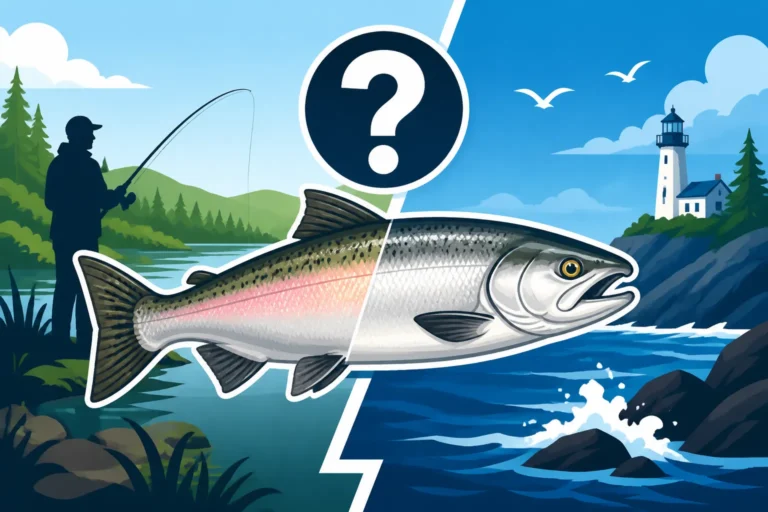
Here in Maine, especially during a hot summer, lakes can warm up significantly. While deeper lakes like Sebago Lake or Moosehead Lake often retain cold water in their depths, shallower areas and many smaller ponds can reach critical temperatures for salmon. When surface water temperatures soar into the 70s Fahrenheit (21°C+) for extended periods, landlocked salmon begin to experience significant stress.
This stress manifests in several ways. First, warm water holds less dissolved oxygen, which salmon need in abundance. They become sluggish, their appetite wanes, and they expend valuable energy just trying to find cooler, more oxygenated water – often called "thermal refugia." This search for comfort diverts energy that would otherwise go into growth. They might stop feeding altogether, or only feed opportunistically and minimally. Over time, this chronic stress and reduced feeding capacity directly results in smaller fish. In severe cases, particularly if temperatures push into the high 70s or low 80s, it can even lead to large-scale fish kills, impacting the population for years. You might notice this stress affecting other species too; understanding Maine Fish Species Identification Guide can help you recognize which fish are most vulnerable to temperature changes.
The Benefits of Stable, Cool Waters
On the flip side, lakes that maintain consistently cool and stable water temperatures throughout the fishing season are often celebrated for their robust salmon populations and impressive fish sizes. These conditions allow salmon to thrive. Think about the big, deep lakes of central and northern Maine, or even certain coldwater sections of rivers like the West Branch of the Penobscot. These waters provide what salmon need most: a reliable supply of cool, well-oxygenated water.
In such environments, salmon can maintain optimal metabolic rates, meaning they can feed vigorously without the constant physiological stress of trying to find suitable conditions. With abundant forage fish, like smelt, and comfortable water, salmon can convert food efficiently into muscle and fat. This leads to faster growth rates and allows them to reach impressive sizes. Stable temperatures also support healthier populations of their primary food sources, creating a robust ecosystem where salmon can grow large. It's a key reason why certain lakes consistently produce trophy-sized fish year after year.
Environmental Factors Beyond Just Temperature
While water temperature is undeniably a huge factor, it doesn't act in a vacuum. The overall health and productivity of a lake or river system are complex, with many elements interacting to influence salmon size. A perfect temperature alone won't guarantee massive fish if other critical components are missing or out of balance.
Oxygen Levels and Water Quality
Hand-in-hand with temperature are oxygen levels. Cold water naturally holds more dissolved oxygen than warm water. This is crucial for salmon, which are considered coldwater fish and have high oxygen requirements. When water temperatures rise, oxygen levels drop, which can be devastating. Imagine trying to run a marathon in thin air – that's how a salmon feels in low-oxygen, warm water. It directly impacts their ability to metabolize food, recover from stress, and grow.
Beyond oxygen, overall water quality plays a significant role. Pollution from runoff, excessive nutrient loading (which can lead to algal blooms and further oxygen depletion), and sediment can all degrade a salmon's habitat. Clean, clear, and well-oxygenated water allows salmon to hunt effectively, remain healthy, and put on size. A lake might have decent temperatures, but if its water quality is poor, the salmon will suffer, resulting in smaller fish. This is why knowing How to Find Maine Fishing Regulations for a Specific Lake is important, as special regulations often address water quality issues.
Food Availability and Prey Species
You can have the most perfectly tempered water in the world, but if there's nothing for the salmon to eat, they won't grow. The availability of high-quality forage fish is paramount. In Maine, smelt are a primary food source for landlocked salmon, along with various minnows and insects. The health and abundance of these prey populations are intrinsically linked to the salmon's growth.
Water temperature cycles directly affect smelt runs and other baitfish. If conditions are unfavorable for smelt spawning or survival, their numbers can dwindle, leaving less food for the salmon. This can happen in years with unusual temperature patterns. A strong, consistent population of baitfish allows salmon to feed regularly and grow quickly. Conversely, a scarcity of prey, even in ideal water temperatures, will lead to slower growth and smaller salmon. It's a brutal reality of the food chain, but one that directly dictates how much a salmon can expand its frame.
Population Density and Competition
Another factor often overlooked is the sheer number of salmon in a given body of water. Every lake has a "carrying capacity," which is the maximum number of fish it can sustain based on food availability, habitat, and other resources. If a lake becomes overpopulated, even with good temperatures and some food, the fish will face intense competition. This competition for limited food resources often results in slower growth rates for all fish in the system, leading to a population of smaller, leaner salmon.
Fishery biologists work hard to manage populations through stocking programs and bag limits to try and find that sweet spot. Too many fish can stunt growth, but too few might mean underutilized resources. Anglers play a role too; following Maine Fish Bag Limits Guide helps maintain a healthy balance. The goal is to have a robust, healthy population where individual fish have enough to eat to reach their full genetic potential.
What Anglers Can Observe and Do
As anglers, understanding the role of water temperature and these other environmental factors isn't just academic; it directly influences our success on the water. By paying attention to these details, we can become more effective and responsible fishermen.
Monitoring Water Temperatures for Better Success
If you're serious about targeting larger landlocked salmon, knowing the water temperature is one of your most valuable tools. A good quality waterproof thermometer, easily found on Amazon, is an essential piece of gear. When you're out on the lake, especially during warmer months, salmon will seek out specific thermal layers. You might find them suspended in the thermocline – the layer where warm surface water meets cold deep water.
Trolling at various depths and monitoring your transducer to identify these thermal layers can be a game-changer. For example, if surface temperatures are in the high 60s, you might need to drop your lines down to 20-40 feet or more to find water in the mid-50s where salmon are actively feeding. This proactive approach to finding their comfort zone will dramatically increase your chances of finding larger, more active fish. Consider how this approach might differ from How to Fish Deep Water for Summer Trout.
Fishing Strategies Based on Temperature
Once you understand how temperature affects salmon, you can adjust your fishing strategy accordingly.
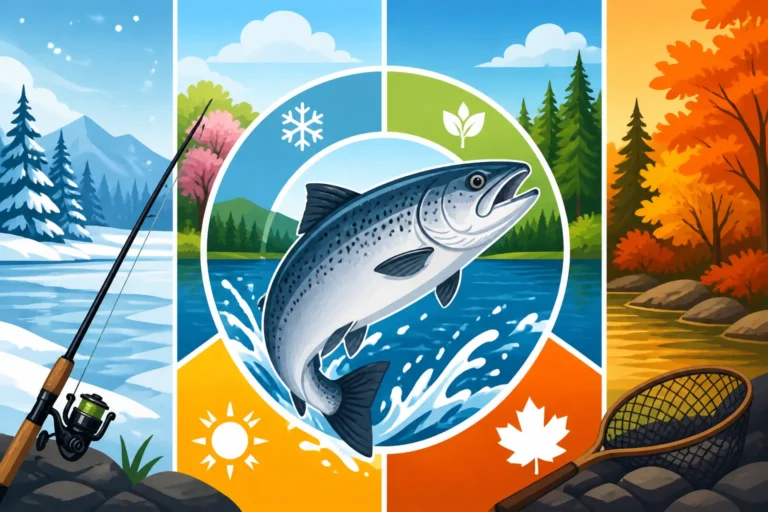
- Spring and Fall: These are prime times for salmon, as surface waters are cool and well-oxygenated. Salmon are often found closer to the surface, near shorelines, or around structure. Maine Spring Fishing Guide and Maine Fall Fishing Guide can offer more specific advice for these seasons.
- Summer: During the heat of summer, salmon retreat to deeper, cooler water. This means focusing on trolling techniques with downriggers or lead core line to get your lures into the appropriate thermal layers. Early mornings and late evenings, when surface temperatures are at their coolest, can also offer brief windows of opportunity for salmon to move shallower. Knowing Trolling Techniques for Maine Lakes becomes vital.
- Ice Fishing: Even in winter, water temperature (or lack thereof) guides salmon behavior. While the entire water column is cold, salmon still have preferred depths where they find optimal oxygen and food. Maine Ice Fishing Techniques Guide can help you adapt.
By matching your technique and depth to the prevailing water temperatures, you're not just casting blindly; you're strategically presenting your offering where the salmon are most likely to be comfortable and feeding.
Supporting Conservation Efforts
Ultimately, the size and health of Maine's landlocked salmon populations depend on healthy ecosystems. As anglers, we have a vital role to play in supporting conservation efforts. This includes adhering to all Maine Fishing Regulations Explained, practicing responsible catch and release, especially for larger breeding fish, and being mindful of our impact on the environment.
Advocating for clean water initiatives, supporting organizations dedicated to coldwater fishery conservation, and reporting any suspicious activity (like illegal stocking of invasive species that can outcompete salmon for food) all contribute to ensuring that future generations of anglers can enjoy the thrill of landing a hefty Maine landlocked salmon. The future of these incredible fish, and indeed their size, depends on how well we protect the waters they call home.
| Water Temperature Range | Salmon Activity & Growth | Potential Impact on Size | Angler Strategy |
|---|---|---|---|
| Below 40°F (4°C) | Very slow metabolism, minimal feeding | Slower growth, lean condition | Deep, slow presentations |
| 40-50°F (4-10°C) | Increased activity, active feeding possible | Good growth if food abundant | Early spring/late fall fishing, varied depths |
| 50-65°F (10-18°C) | Optimal metabolism, aggressive feeding, peak growth | Excellent potential for large, healthy fish | Focus on active feeding areas, diverse techniques |
| 65-70°F (18-21°C) | Moderate stress, reduced feeding, seeking cooler water | Growth slows, fish may be lethargic | Target thermal refugia, deeper water, low light |
| Above 70°F (21°C) | High stress, energy depletion, likely cease feeding | Significant stunting, potential for mortality | Avoid targeting salmon, focus on other species |
Disclaimer
This article is for general informational purposes only and does not constitute professional advice. Laws, prices and regulations vary by location and change over time. Consult a qualified professional for guidance on your specific situation.