Why Are Sebago Lake Salmon Smaller Some Years?
It can be incredibly frustrating to head out to your favorite spot on Sebago Lake, expecting those robust landlocked salmon Maine is famous for, only to find that the average size seems to have shrunk. Many dedicated anglers have noticed this trend over the years, leaving them wondering why their beloved Sebago salmon aren't quite as big as they used to be. This guide will dive deep into the ecological factors, environmental conditions, and population dynamics that contribute to these fluctuations in salmon size.
Understanding Sebago Lake's Landlocked Salmon Fishery
Sebago Lake isn't just a body of water; it's an icon for landlocked salmon fishing in Maine. For generations, anglers have flocked to its clear, deep waters, drawn by the promise of battling one of these magnificent, hard-fighting fish. The lake has a storied history of producing large, healthy salmon, making any perceived change in their size a cause for concern and curiosity among the angling community. It's a truly special place, and understanding its unique ecosystem is key to understanding its fish.
The Unique Nature of Sebago Lake Salmon
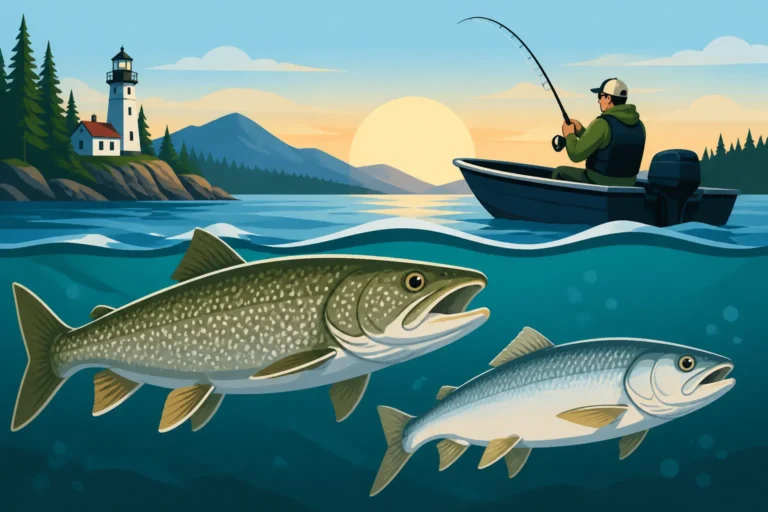
Sebago Lake is one of the original and most important landlocked salmon waters in Maine, meaning these fish have never had access to the ocean, living their entire lives in the freshwater environment. This isolated existence has shaped their genetics and behavior over centuries. They are apex predators in the lake, and their health and size are direct indicators of the overall health of the entire ecosystem. The quality of fishing here often sets the benchmark for other salmon fisheries in the state. Historically, Sebago salmon have been known for their excellent condition and respectable size, a testament to the lake's rich food sources and pristine habitat. When you consider the reputation of the lake for Landlocked Salmon Fishing in Maine, it's easy to see why anglers are so passionate about these fish.
How Salmon Growth is Typically Measured
When we talk about fish size, it's not just about a quick glance or a guess. Fisheries biologists and seasoned anglers alike use specific metrics to track growth and health. Length is a primary measurement, often recorded from the tip of the nose to the fork of the tail. Weight, of course, gives a more direct measure of biomass and condition. But perhaps most telling is the condition factor (or K-factor), which is a mathematical representation of how "fat" or "skinny" a fish is relative to its length. A higher condition factor means a healthier, well-fed fish. Biologists also examine scales or otoliths (ear bones) to determine a fish's age, allowing them to track growth rates over time. These combined metrics paint a comprehensive picture of the salmon population's health and provide the data needed to understand year-to-year variations.
Key Factors Influencing Salmon Size in Sebago Lake
The size of Sebago Lake salmon is not static; it's a dynamic reflection of numerous interacting factors within the lake's ecosystem. Think of the lake as a complex, living machine where everything is interconnected. A change in one component can ripple through the entire system, eventually impacting the growth of its top predators like salmon. It’s a delicate balance, and understanding these factors helps explain why some years just aren't as productive for trophy-sized fish.
Forage Base Fluctuations and Smelt Populations
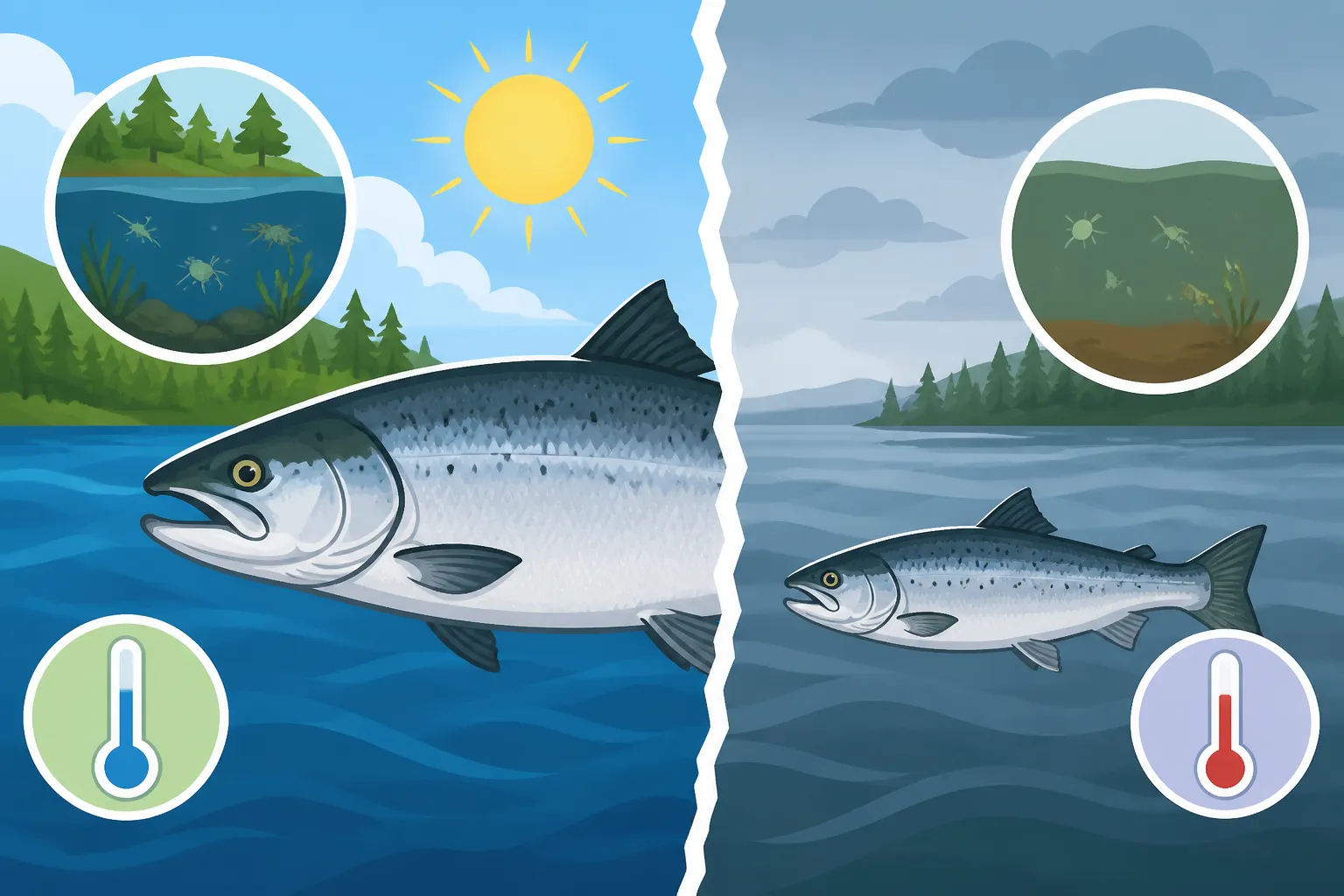
Undoubtedly, the most significant factor influencing the size of landlocked salmon in Sebago Lake is the abundance and health of its forage base, particularly rainbow smelt. Smelt are the primary food source for adult salmon in Sebago. These small, silvery fish provide the high-protein, high-fat diet necessary for salmon to grow large and robust. When the smelt population thrives, salmon tend to be well-fed, grow faster, and reach impressive sizes. Conversely, a decline in smelt numbers almost inevitably leads to smaller, skinnier salmon, as they have to expend more energy searching for less food.
Several elements can cause smelt populations to fluctuate dramatically. Predation from other species like lake trout (togue) and even smallmouth bass can take a toll. Environmental factors play a huge role too; a harsh winter with prolonged ice cover can impact smelt spawning success in the tributaries. Water temperature also affects them; smelt prefer cold water, and warmer lake temperatures can stress them, reducing their overall health and reproductive output. Even the success of their annual Maine Smelt Run Timing can dictate future forage availability. If the smelt population experiences a few lean years, it's almost a guarantee that anglers will notice a decrease in the average size of the salmon they catch.
Competition and Predator-Prey Dynamics
Sebago Lake is home to a diverse array of fish species, and the interactions between them form a complex web of predator-prey dynamics and competition. While salmon are at the top of the food chain for open-water forage fish, they aren't the only ones vying for smelt. Lake trout, or "togue" as they're known locally, also have a strong preference for smelt. An increase in the togue population, or a shift in their foraging habits, can put additional pressure on the smelt resource, directly competing with salmon for their vital food source. You can learn more about these interactions in What Fish Prey on Smelt in Maine Lakes.
Furthermore, other fish like smallmouth bass, though often targeting different prey, can still indirectly impact the ecosystem. Changes in the populations of smaller baitfish that might compete with smelt for zooplankton, or even changes in invertebrate populations, can have a domino effect. The ecosystem is always seeking equilibrium, and sometimes, that balance shifts in a way that temporarily reduces the amount of readily available food for salmon, leading to smaller average sizes. It’s a continuous dance between all the species residing in the lake.
Environmental Conditions and Water Quality
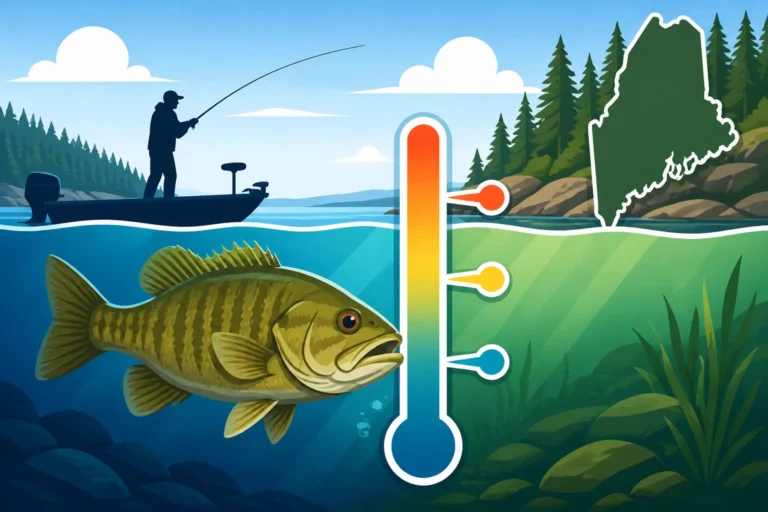
Just like any living creature, salmon and their prey are highly sensitive to their environment. Water temperature is paramount for landlocked salmon, which thrive in cold, well-oxygenated water. If summer lake temperatures climb too high, salmon are forced into deeper, cooler pockets, often reducing their feeding activity or making their food sources harder to access. This stress can impact growth rates. Prolonged periods of unusual temperatures, whether too warm or too cold, can disrupt the entire food web, from the tiniest plankton up to the top predators.
Water quality, including factors like dissolved oxygen levels and nutrient loads, also plays a critical role. While Sebago Lake is renowned for its excellent water quality, issues such as excessive nutrient runoff from surrounding areas could theoretically lead to algal blooms, which, upon decomposition, can deplete oxygen in deeper waters. Such conditions are detrimental to cold-water fish like salmon and smelt, which need ample oxygen. Regular monitoring by environmental agencies and local conservation groups is crucial to maintaining the pristine conditions that allow Sebago's salmon to flourish.
Stocking Programs and Genetic Factors
The Maine Department of Inland Fisheries and Wildlife (MDIFW) actively manages the Sebago Lake salmon fishery through stocking programs. These programs are designed to supplement natural reproduction and maintain a healthy population that can withstand angling pressure. The number of fish stocked, their age, and even the specific strain of salmon can influence the overall size structure of the population. If a higher number of smaller, younger salmon are stocked in a particular year, or if there's a temporary dip in the quality of the hatchery-raised fish, it might temporarily skew the average size downwards.
While natural reproduction plays a role, stocking helps ensure a consistent fishery. It's a careful balancing act; stock too many, and there might not be enough food to go around, leading to stunted growth. Stock too few, and the population might decline. Genetic factors also play a subtle role. Over generations, certain traits, like growth potential, can be influenced by selective pressures or the genetic makeup of the parent stock. Biologists continuously evaluate these programs to ensure they are producing healthy, robust salmon for anglers to enjoy.
Observing and Adapting to Salmon Size Changes
As anglers, we often feel the pulse of the fishery directly. We're out there, day in and day out, and our observations are incredibly valuable. When the fish seem smaller, it's not just a gut feeling; it's often a real trend that warrants attention. Recognizing these changes and understanding how to adapt your approach can make all the difference between a frustrating day and a successful one, even when the fish aren't giants.
What Anglers Notice and How Biologists Respond
Anglers are truly the frontline observers of any fishery. You're the ones noticing if the average size of the Landlocked Salmon Size and Bag Limits in Maine is down, or if the fish seem thinner for their length. These firsthand accounts are not just anecdotes; they are crucial informal data points that often prompt further investigation by the MDIFW. When enough anglers report seeing smaller fish, biologists take note.
They then initiate more formal studies, such as creel surveys where wardens and technicians interview anglers at boat launches, measuring and weighing their catches. They might also conduct netting surveys to assess the salmon and smelt populations directly. This scientific data, combined with angler feedback, helps them understand the magnitude and potential causes of the size change. It's a collaborative effort, where your observations contribute directly to the management decisions aimed at sustaining Sebago's fantastic fishery.
Adjusting Your Fishing Strategy
When salmon are running smaller, it's a clear signal to rethink your usual tactics. Those big spoons or plugs that normally entice a trophy might be too much for a smaller, perhaps less aggressive fish. This is where adaptability shines. Consider scaling down your tackle: think lighter lines, smaller leaders, and more subtle presentations. You might find success with smaller streamer patterns that imitate young smelt or smaller baitfish. Many anglers will head to their favorite online retailer, like Amazon, to explore a wider range of smaller, more specialized lures and flies that they might not find at their local bait shop.
Trolling speeds might also need to be adjusted; slower speeds can give less energetic fish more time to react. Similarly, if you're fly fishing, lighter tippets and smaller dry flies or nymphs can be incredibly effective when the fish are wary or the forage is sparse. Don't be afraid to experiment with different depths and areas of the lake, as smaller fish might hold in different zones than their larger counterparts. For example, looking up Best Lures for Landlocked Salmon might give you some ideas for a new approach. Sometimes, it’s not about finding bigger fish, but finding the right technique for the fish that are currently available.
The Bigger Picture: Sebago Lake's Ecosystem Health
The occasional observation of smaller salmon in Sebago Lake isn't just about a single fish species; it's a reflection of the intricate health of the entire ecosystem. Sebago Lake is a vital natural resource, not just for fishing, but for drinking water, recreation, and its incredible natural beauty. Protecting this resource requires a holistic approach, where everyone plays a part.
Collaborative Conservation Efforts
Maintaining the health of Sebago Lake and its world-class salmon fishery is a massive undertaking, far beyond the scope of any single agency or individual. It requires a concerted effort from numerous groups working together. Organizations like the Presumpscot River Watershed Coalition, local lake associations, and the MDIFW collaborate on everything from water quality monitoring to habitat restoration projects. These groups conduct regular tests for pollutants, educate landowners on best practices for shoreline management, and advocate for policies that protect the lake. Their work ensures that the cold, clean water that salmon and smelt depend on continues to flow, and that critical spawning habitats remain viable. This collaborative spirit is essential for the long-term sustainability of the fishery, providing a resilient environment for the fish and a rewarding experience for Best Time of Year to Catch Landlocked Salmon in Maine enthusiasts.
The Importance of Angler Reporting
As anglers, we spend countless hours on the water, observing the fish, their behavior, and the surrounding environment. This makes our insights incredibly valuable. The MDIFW relies heavily on data collected from anglers, whether through voluntary catch reports, participation in creel surveys, or simply reporting unusual observations to a local warden. If you notice a particular trend – perhaps fish consistently appearing smaller, or an unusual abundance of a certain baitfish – sharing that information can provide critical early warnings or confirm suspicions for biologists. Your reports help inform stocking decisions, regulation changes, and conservation priorities. So, next time you're on Sebago, remember that your rod and reel aren't just for catching fish; they're also tools for contributing to the vital science that keeps our beloved fishery healthy for generations to come.
Factors Influencing Salmon Size in Sebago Lake
| Factor | Impact on Salmon Size | Notes |
|---|---|---|
| Smelt Abundance | Directly correlated: More smelt = larger salmon | Primary food source; fluctuations due to spawning success, predation, competition, environmental changes. |
| Competition (Togue) | Indirectly impacts: More togue = less smelt for salmon | Lake trout (togue) also heavily rely on smelt, increasing competition. |
| Water Temperature | Indirectly impacts: Warmer water = stressed fish, less feeding | Salmon prefer cold, oxygenated water; warm summers can push them deep and reduce feeding. |
| Water Quality | Indirectly impacts: Poor quality = stressed fish, unhealthy ecosystem | Dissolved oxygen, nutrient levels, and pollution affect both salmon and their forage. |
| Stocking Programs | Can influence average size and population density | Number, age, and strain of stocked fish can temporarily affect overall size distribution. |
| Angling Pressure | Can indirectly affect average size | High pressure leading to removal of larger fish can sometimes lower average size. |
Disclaimer
This article is for general informational purposes only and does not constitute professional advice. Laws, prices and regulations vary by location and change over time. Consult a qualified professional for guidance on your specific situation.