Best Season to Catch Landlocked Salmon
If you've ever dreamt of battling a powerful, leaping landlocked salmon in Maine, you know the thrill it promises. But often, anglers find themselves on the water, gear ready, only to be met with frustrating silence. The truth is, these magnificent fish change their habits dramatically with the seasons, and what works in May might completely fail in August. This comprehensive guide will break down the best times to target landlocked salmon in Maine, helping you understand their seasonal behaviors, adapt your techniques, and significantly increase your chances of a successful catch.
Understanding Landlocked Salmon Behavior Through the Seasons
Catching landlocked salmon isn't just about showing up with a rod and reel; it's about understanding the intricate dance they perform throughout the year, a dance largely dictated by water temperature and their innate biological drives, especially spawning. Maine's diverse lakes and ponds provide varying habitats, but the fundamental patterns remain consistent. Knowing these patterns is your first step to unlocking consistent success.
How Water Temperature Drives Salmon Movement
Imagine yourself on a hot summer day – you seek shade, cool drinks, anything to escape the heat. Landlocked salmon are much the same, but their 'comfort zone' is dictated by very specific water temperatures. Salmon are cold-water fish, generally preferring water between 45 and 60 degrees Fahrenheit. As the seasons change, so does the temperature of the water column, forcing salmon to move vertically and horizontally to find their ideal conditions.
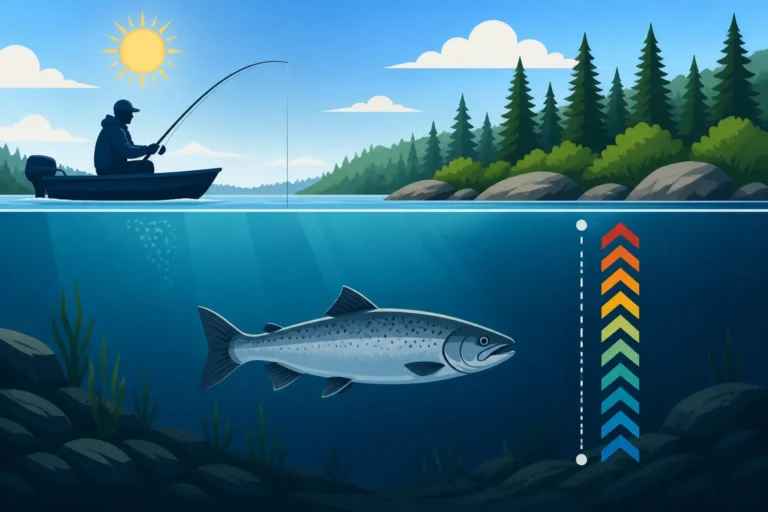
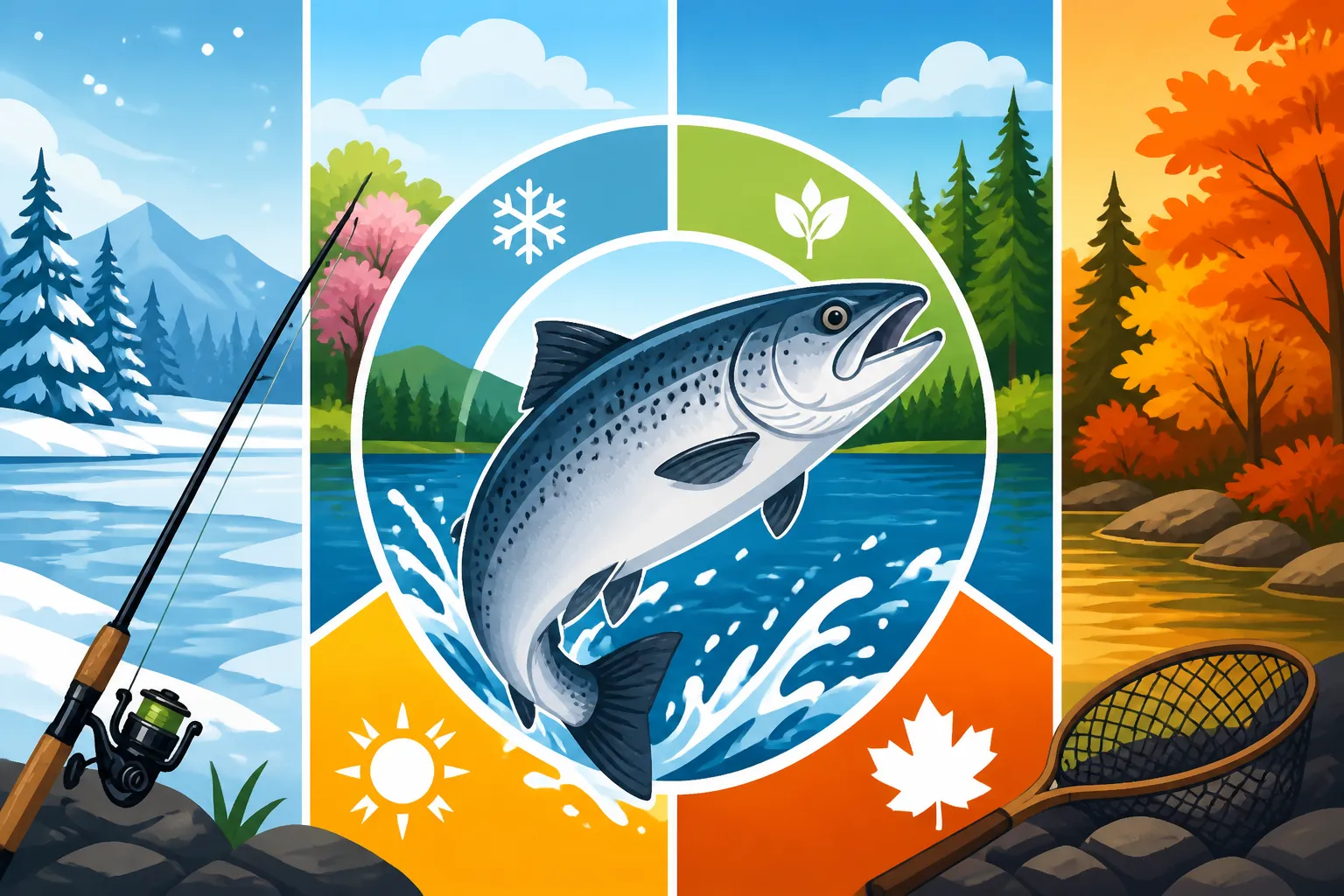
In the spring, after the ice melts, the water is uniformly cold. Salmon can be found near the surface and along the shorelines, actively feeding in the warming, oxygen-rich upper layers. This is a prime time for them to gorge on baitfish that are also moving into shallower waters. As summer progresses, the sun heats the surface, creating distinct thermal layers in the lake. The warm upper layer (epilimnion) becomes too hot for salmon. Below it, the thermocline forms – a band of water where the temperature drops rapidly. This is where salmon will often suspend, seeking the cooler, oxygenated water while remaining close enough to dart up into the warmer layers for a quick meal. Anglers who don't understand this thermocline behavior often struggle, fishing too shallow or too deep. Come fall, as the air cools, the surface water starts to chill, eventually mixing with the deeper layers in a process called "turnover." This equalizes the water temperature, allowing salmon to once again spread out through the water column, often returning to shallower areas as they prepare for their spawning runs.
The Impact of Spawning Cycles on Seasonal Fishing
Beyond temperature, the most significant biological event driving landlocked salmon behavior is their spawning cycle. Landlocked salmon typically spawn in the fall, generally from late September through November, depending on water temperatures and specific locations. This isn't a single event but a build-up that influences their feeding and movement for weeks, even months, prior.
In the late summer and early fall, salmon begin to mature their eggs and milt. This process requires a tremendous amount of energy, leading to an aggressive feeding period often referred to as the "pre-spawn bite." They're trying to pack on calories, making them particularly vulnerable to anglers who understand this heightened appetite. As the actual spawning period approaches, their focus shifts from feeding to reproduction. They migrate from the deeper lake basins into tributaries, rivers, or rocky shoals within the lake where they will lay their eggs. During this time, they become less interested in feeding and more territorial, often striking at lures or flies out of aggression rather than hunger. After spawning, the salmon are exhausted and often "spent," needing time to recover before they resume active feeding. Understanding this cycle helps you anticipate not only where salmon might be but also their general mood and willingness to strike. It also underscores the importance of practicing ethical catch and release during spawning runs to protect the future of these magnificent fish. For a comprehensive look at their life, check out Landlocked Salmon Fishing in Maine.
Spring: The Season of Opportunity
Ah, spring in Maine! The ice has reluctantly retreated, the air still has a crisp bite, and the lakes are waking up. For landlocked salmon anglers, this isn't just a season; it's a window of prime opportunity. The uniform cold water and the salmon's renewed hunger after a long winter make them more accessible and aggressive than almost any other time of year.
Early Spring Tactics: Ice-Out and Cold Water
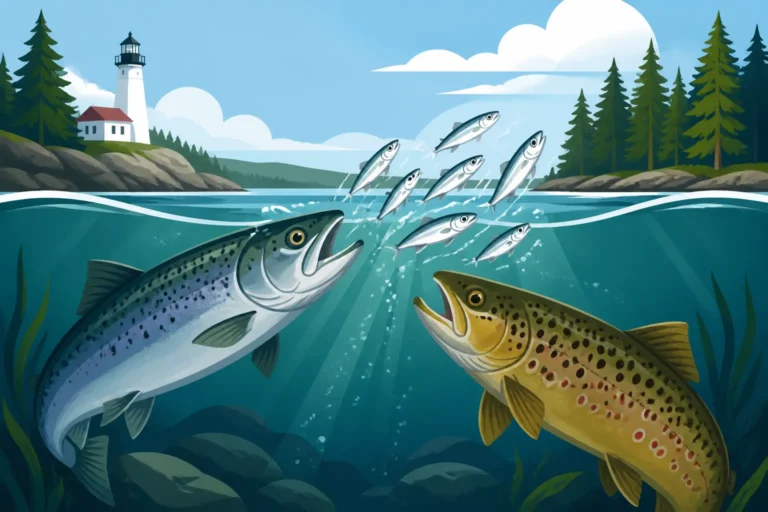
When the ice finally disappears from Maine's vast lakes and ponds, it’s a signal for anglers to get out there. "Ice-out" is often a magical time. In the early spring, immediately after the ice recedes, the entire water column is still quite cold, usually between 35-45 degrees Fahrenheit. This means salmon aren't confined to deep pockets; they can be found cruising just below the surface and along shorelines, actively hunting baitfish like smelt, which are also moving into shallower areas to spawn.
Trolling is king during this period. You don't need to fish deep; often, lures run just 10-20 feet down are highly effective. Using flat lines or very light lead core lines can get your presentation into the strike zone. Look for areas where feeder brooks enter the lake, or over shallow humps and points, as these are often pathways for baitfish. Many anglers swear by streamer flies, small spoons, or baitfish imitations, trolled slowly behind the boat. The key is a slow, methodical retrieve or troll, allowing the salmon plenty of time to track and commit to your offering. Don't be afraid to experiment with brighter colors in the still-dark, cold water. This early window is often short-lived, so seize the moment!
Late Spring: The Surface Action Begins
As spring progresses into late May and early June, the surface water gradually warms, typically hitting the ideal 50-55 degree range. This is when landlocked salmon can really light up the fishing. They become incredibly active, often chasing bait right to the surface, creating spectacular jumps and splashes that get any angler's heart pumping.
This warming trend means salmon are still relatively shallow but might start to concentrate around specific structures or areas where baitfish are abundant. Trolling remains highly effective, but you might need to increase your speed slightly. You'll want to deploy a variety of lures, from traditional spoons and stickbaits to smelt imitators. Fly fishing can also be exceptional during late spring, especially during insect hatches like caddis or Hendrickson, where salmon will rise to take dry flies or emergers. Imagine casting a delicate fly and watching a silver missile erupt from the water to snatch it – it's an unforgettable experience. Focus on areas near rocky points, islands, and submerged ledges where salmon can ambush prey. The mornings and evenings are particularly productive as the light is low, and salmon feel more comfortable moving into even shallower water. For more details on adapting your troll, check out Trolling Techniques for Maine Lakes.
Essential Gear for Spring Salmon Fishing
Having the right gear for spring salmon fishing is crucial. The conditions can range from chilly, breezy days to bright, sunny ones, and the salmon can be anywhere from just below the surface to slightly deeper depending on the specific lake and water temperature.
For trolling, a medium-light to medium action rod, around 7-8 feet long, paired with a reliable spinning or baitcasting reel spooled with 8-10 pound monofilament or fluorocarbon line is a solid setup. You'll want a good selection of spoons, like Mooselook Wobblers, DB Smelts, or Sutton spoons, in various sizes and colors – silver, blue, green, and orange are popular choices. Stickbaits, such as Rapalas or Z-Plugs, can also be very effective, especially those that mimic smelt. Don't forget streamer flies if you're into fly fishing; patterns like the Gray Ghost, Supervisor, and Black Ghost are absolute classics for Maine salmon. Many anglers also find that a quality depth finder or fishfinder is invaluable, even in shallow water, to mark baitfish schools or subtle changes in bottom structure. You can find a fantastic selection of these lures, lines, and electronics on Amazon, making it easy to stock up for the season. Remember, a landing net with a rubberized mesh is also essential for safe handling and release, particularly for those precious early-season fish.
Summer: Deep Water Challenges and Rewards
As Maine basks in the warmth of summer, the fishing scene for landlocked salmon undergoes a dramatic shift. The surface waters, once teeming with active fish in spring, now become too warm, forcing these cold-water dwellers deep. This presents a challenge, but for those who master deep-water tactics, summer can offer incredibly rewarding fishing, often with larger, more mature salmon.
Locating Salmon in the Thermocline
The key to summer salmon fishing lies in understanding and locating the "thermocline." As mentioned earlier, this is the layer in the water column where the temperature drops most rapidly, creating a distinct boundary between the warm surface water and the colder, deeper water. Landlocked salmon will typically suspend within or just above this thermocline, finding their preferred cool temperatures while remaining close enough to an oxygenated environment. They're often found at depths ranging from 30 to 70 feet, depending on the lake and time of summer.
A reliable fishfinder with good temperature sensing capabilities is your best friend here. It will not only show you baitfish schools but also often reveal the thermocline as a distinct band on the display. Without this technology, you're essentially fishing blind in a vast underwater world. Pay close attention to subtle changes in your sonar readings. Salmon will often "stack up" or cruise along the edges of underwater structure like deep ledges, humps, or the deep side of points, especially if baitfish are concentrated there. They’re still feeding, but their movements are more deliberate and less erratic than in spring. Understanding How Deep Should You Troll for Salmon in Summer? is paramount to success.
Trolling Strategies for Summer Success
Since salmon are deep, trolling becomes the dominant strategy in summer. Getting your lure down to the thermocline consistently and effectively is the main challenge. This means employing specialized gear and techniques. Lead core line, copper line, or downriggers are indispensable for deep-water trolling.
Lead core line changes color every 10 yards, allowing you to estimate your depth based on how many "colors" you have out. Copper line, being heavier, sinks faster and deeper with less line out. Downriggers offer the most precise depth control, allowing you to set your lure at an exact depth and keep it there regardless of boat speed or turns. Lures for summer typically include larger spoons like the popular Moosehead Lake favorite, the sewn smelt, or various patterns of live bait. Don't be afraid to experiment with lure size and color; sometimes a smaller, more subtle presentation works, while other times a flashy, aggressive one can trigger a strike. Troll at speeds that impart a natural action to your lure, usually between 1.5 and 2.5 mph, though sometimes slightly faster or slower is key. Often, the best time to fish in summer is during the early morning or late evening, when salmon might briefly venture a bit shallower to feed under lower light conditions.
Overcoming Summer's Unique Obstacles
Summer fishing for landlocked salmon isn't without its challenges. Beyond finding the fish in deep water, factors like intense boat traffic, changing weather patterns, and even the salmon's own lethargy in hot conditions can make it tricky.
One common frustration is dealing with multiple boats sharing prime fishing grounds. Patience and courtesy are vital. Try to observe established trolling lanes or seek out less pressured areas. Another hurdle can be a salmon's tendency to be less aggressive in the hottest part of the day. Their metabolism slows down, and they might not chase a lure as readily. This is when a subtle, lifelike presentation can make all the difference. Using bait, such as shiners or smelt, slow-trolled on a leader behind a dodger or flasher, can entice finicky fish. Also, keep an eye on weather forecasts; sudden cold fronts can put salmon off the bite, while stable weather generally makes for more consistent fishing. Always remember responsible catch and release practices, especially with deep-caught fish; consider using a dehooker and minimizing their time out of the water to ensure their survival.
Fall: The Pre-Spawn Feast and Energetic Bites
As the vibrant colors of autumn begin to paint the Maine landscape, a new excitement stirs among landlocked salmon anglers. Fall is a prime season, often rivaling spring for its productivity and the sheer fight of the fish. It's a time when salmon begin their vital preparations for spawning, leading to aggressive feeding and, for many, the chance at a true trophy catch.
Autumnal Aggression: Feeding Frenzies
With cooler air temperatures causing the surface water to cool down and eventually "turn over," the entire lake becomes re-oxygenated and the water temperature equalizes. This allows landlocked salmon to once again spread out through the water column, often moving back into shallower areas that were too warm in summer. They're driven by an intense need to feed, packing on calories in preparation for the energy-intensive spawning ritual. This pre-spawn period, typically from early September through mid-October, sees salmon at their most aggressive.
They will actively chase and strike at lures with incredible force. Trolling remains a highly effective method, but don't be surprised to find salmon closer to shore, near ledges, points, and even river mouths. Spoons, stickbaits, and even larger streamer flies are all excellent choices. Varying your trolling speed can often trigger strikes as the fish react to erratic movements. Imagine a crisp fall morning, the mist rising off the water, and suddenly your rod doubles over as a powerful salmon smashes your lure – it’s what fall fishing dreams are made of. This is arguably the Best Time of Year to Catch Landlocked Salmon in Maine for consistent action.
Approaching Spawning Runs
As fall progresses and water temperatures continue to drop, the salmon's focus gradually shifts from feeding to reproduction. By late October and into November, many landlocked salmon will begin their migration from the main lake bodies into spawning grounds. These can be gravelly riverbeds in tributaries or specific rocky shoals within the lake itself.
During this spawning run, salmon become less concerned with eating and more with protecting their territory and finding a mate. While they may still strike a lure or fly, it's often out of aggression or instinct rather than hunger. At this stage, ethical considerations are paramount. Many anglers choose to focus on the pre-spawn feeding frenzy and avoid targeting actively spawning fish to ensure the health of future generations. If you do encounter spawning salmon, practice extreme caution, use barbless hooks, and ensure a quick, gentle release. Familiarize yourself with local regulations; some areas may have specific rules or closures during spawning periods. Sebago Lake Landlocked Salmon Run is a great example of a lake with significant spawning movements.
Transitioning Your Tactics for Fall
Successful fall salmon fishing requires a flexible approach as the fish transition from aggressive feeding to spawning. Early fall is often a continuation of spring tactics, with fish being found shallower. As the water cools further, they might consolidate around certain lake structures or move closer to river mouths.
For trolling, you might find yourself switching from deep-diving lures to those that run shallower, adjusting to where the salmon are actively hunting. Fly anglers can have a field day with streamer patterns mimicking larger baitfish, especially near drop-offs or river mouths. Fishing from shore or wading the lower sections of tributaries can also become productive as salmon move upstream. Pay attention to local conditions; reports from bait shops or other anglers can be invaluable in pinpointing where the salmon are congregating. Also, consider the water clarity – clearer water might call for more natural-colored lures, while stained water could benefit from brighter, more visible options. Packing a variety of gear, including different types of lines and a broad selection of lures, is always a good idea. Brands available on Amazon offer extensive options for all these scenarios, from specialized lines to a diverse array of lures to help you adapt.
Winter: The Ice Fishing Frontier
While many anglers pack away their gear as winter approaches, a dedicated group in Maine embraces the frozen landscape for a unique and rewarding pursuit: ice fishing for landlocked salmon. This season offers its own set of challenges and triumphs, demanding different techniques and a hardy spirit, but it can yield some truly memorable catches.
Targeting Salmon Under the Ice
When Maine's lakes and ponds freeze over, landlocked salmon once again change their behavior. Under a blanket of ice, the water column stabilizes, and salmon often settle into predictable patterns. They are still cold-water fish, so they'll continue to seek out their preferred temperatures, which might mean suspending in the middle of the water column or cruising along underwater structure.
Ice fishing for salmon typically involves using tip-ups or jigging rods. Tip-ups are set with a baited line and a flag that signals a strike, allowing you to cover a wider area. Jigging involves actively working a lure or bait up and down through the ice hole. The challenge is often finding the salmon, as they can be quite nomadic under the ice. Popular tactics include setting tip-ups with live bait, such as shiners or smelt, suspended at various depths to pinpoint where the fish are holding. For jigging, small spoons or flashy jigs tipped with a piece of bait are often effective. Look for areas with abrupt depth changes, underwater points, or even the mouths of feeder streams under the ice. Early and late ice periods can often be the most productive, as salmon are more active, with mid-winter sometimes seeing slower action. Get yourself geared up for this season by looking at Maine Ice Fishing Techniques Guide.
Ice Fishing Gear and Safety for Salmon
Ice fishing requires specialized gear to stay warm, safe, and effective. The cold Maine winters demand proper attire, including insulated suits, warm boots, and gloves. Safety on the ice is paramount; always check ice thickness, go with a buddy, and carry safety equipment like ice picks and a throw rope.
For setting tip-ups, you'll need sturdy ones that can handle a strong salmon strike. Spool them with robust line, typically 15-20 pound test monofilament or braided line, with a fluorocarbon leader. For jigging, a sensitive medium-light action ice rod, paired with a small spinning reel, is ideal for feeling subtle bites. Lures for jigging include slender spoons, tungsten jigs, or small plastic baits that imitate smelt. An ice auger, either hand-powered, gas, or electric, is essential for drilling holes. A portable ice shelter can make a day on the ice far more comfortable, protecting you from wind and cold. You can find all these necessities, from augers to tip-ups and insulated clothing, on Amazon. Don't forget a sled to transport your gear, and a bucket for your catch (if keeping fish) and to sit on! Always bring an extra set of dry clothes and communicate your plans to someone on shore.
Winter Challenges and Rewards
Ice fishing for landlocked salmon is not for the faint of heart, but the rewards can be immense. The main challenges are undoubtedly the cold weather, the effort involved in setting up, and the sometimes slow pace of the bite. However, the solitude, the crisp winter air, and the thrill of a flag flying high on a tip-up make it all worthwhile.
One common challenge is keeping live bait alive in freezing temperatures. Using a well-insulated bait bucket and fresh water is key. Another can be finding active fish; sometimes you'll need to move your spread of tip-ups around or drill new jigging holes to locate them. Persistence is a virtue in winter fishing. The rewards, though, can be spectacular. Winter often produces some of the largest salmon of the year, as these fish have been growing all season. Hooking a powerful landlocked salmon through a small ice hole is an incredible experience, testing your tackle and your resolve. The fight is intense, often with the fish peeling line off the reel before you can even get your hands on it. Plus, enjoying the tranquility of a frozen Maine lake, perhaps with a warm beverage in hand, is an experience unto itself.
Seasonal Considerations: Regulations, Baits, and Best Lakes
Mastering the art of catching landlocked salmon in Maine goes beyond just knowing when they bite. It involves understanding the local rules, selecting the right attractants, and choosing the most productive waters. These elements are interconnected and constantly influenced by the changing seasons, demanding a flexible and informed approach from any serious angler.
Navigating Maine's Ever-Changing Regulations
One of the most critical aspects of fishing for landlocked salmon in Maine, regardless of the season, is staying on top of the regulations. Maine has a complex and nuanced set of fishing laws that vary not just by species, but often by individual lake or river, and even by time of year. These regulations cover everything from fishing season dates, daily bag limits, minimum and maximum length limits, and even specific gear restrictions.
For instance, while a general law might apply to many waters, a popular salmon lake might have special regulations for particular species or times of the year. Some waters might be catch-and-release only, while others have strict slot limits to protect certain size classes of fish. There might be different rules for ice fishing versus open water fishing, or different zones (North Zone vs. South Zone) with varying season dates. It's crucial to consult the current Maine Department of Inland Fisheries and Wildlife (MDIFW) open water and ice fishing regulations guide before every trip. You can usually find these online or at local tackle shops. Failing to do so can lead to hefty fines and a ruined fishing experience. Always know your Landlocked Salmon Size and Bag Limits in Maine and other local rules.
Matching Bait and Lures to the Season
The "best" bait or lure for landlocked salmon isn't a single item; it's a dynamic choice that depends heavily on the season and the salmon's behavior. What works like a charm in spring might be ignored in summer, and vice-versa.
- Spring: As salmon are shallow and actively feeding on smelt, small to medium-sized spoons (like Mooselook Wobblers, Suttons, or DB Smelts) in silver, blue, green, or gold are excellent. Streamer flies (Gray Ghost, Supervisor) are also highly effective, especially when trolled slowly. Stickbaits mimicking smelt, such as Rapalas, are also go-to choices. For specifics, see Best Bait for Landlocked Salmon.
- Summer: When salmon go deep, larger, heavier spoons that can get down to the thermocline are popular. Sewn smelt or live shiners/smelt on a leader behind a dodger or flasher are incredibly effective, especially for wary fish. Downrigger fishing with these presentations is a top tactic.
- Fall: During the pre-spawn feeding frenzy, salmon are aggressive. Medium to large spoons, larger stickbaits, and even bucktail jigs can trigger powerful strikes. Streamer flies remain very effective, particularly near river mouths.
- Winter (Ice Fishing): Live bait, such as shiners or smelt, suspended under a tip-up, is a traditional and highly effective method. For jigging, small flashy spoons, tungsten jigs, or plastic smelt imitators tipped with a piece of bait can entice bites.
The key is always to "match the hatch" or imitate the predominant baitfish in the lake. Smelt are a primary forage for salmon in many Maine lakes, so lures that mimic their size, shape, and flash are often a good starting point.
Top Maine Lakes for Landlocked Salmon Fishing
Maine is blessed with an abundance of waters, and many of them hold thriving populations of landlocked salmon. While salmon can be found in numerous lakes and even some rivers, a few stand out as perennial favorites for their consistent production and the chance at trophy-sized fish.
- Moosehead Lake: As Maine's largest lake, Moosehead offers vast expanses of water and a reputation for producing big salmon, particularly in the spring and fall. It's a classic destination for trolling. If you're heading there, definitely consult the Moosehead Lake Fishing Guide.
- Rangeley Lakes Region: This iconic region, including Rangeley Lake, Mooselookmeguntic, and Aziscohos, is renowned for its incredible salmon and brook trout fishing. Fly anglers particularly cherish the cold, clear waters and feeder streams. A Rangeley Lakes Fishing Guide is essential for navigating these waters.
- Sebago Lake: Just north of Portland, Sebago is not only a major water source but also home to a fantastic landlocked salmon fishery. Its deep, clear waters support a healthy population, and it's famous for its impressive smelt runs, which fuel the salmon.
- West Grand Lake: Located in Washington County, West Grand is a traditional salmon stronghold, particularly during early spring and fall. Its rugged character offers a more remote experience.
- East Grand Lake: Straddling the border with New Brunswick, East Grand is another excellent choice, often producing solid salmon catches.
- Penobscot River: While primarily known for its restoration efforts for Atlantic salmon, the lower sections and estuaries of the Penobscot can offer exciting opportunities for landlocked salmon, especially during their migratory periods.
Each of these lakes has its own character and unique challenges. Researching specific access points, public boat launches, and local conditions before you go will greatly enhance your chances of success, no matter the season.
Disclaimer
This article is for general informational purposes only and does not constitute professional advice. Laws, prices and regulations vary by location and change over time. Consult a qualified professional for guidance on your specific situation.