What Color Are Brook Trout in Maine?
It's a question many of us have pondered while standing knee-deep in a pristine Maine stream or pulling a feisty fish through a hole in the ice: "What color is this brook trout, really?" You see pictures online, you hear stories from old-timers, and then you catch one, and it looks completely different. It can be incredibly confusing because the truth is, there's no single, simple answer. The vibrant hues of a Maine brook trout are a chameleon's masterpiece, constantly shifting and evolving based on a whole host of environmental and biological factors, and understanding these changes can deepen your connection to these incredible fish and the wild places they call home. This guide will dive deep into the fascinating world of brook trout coloration in Maine, helping you decode their ever-changing wardrobe.
The Kaleidoscope of Brook Trout Coloration
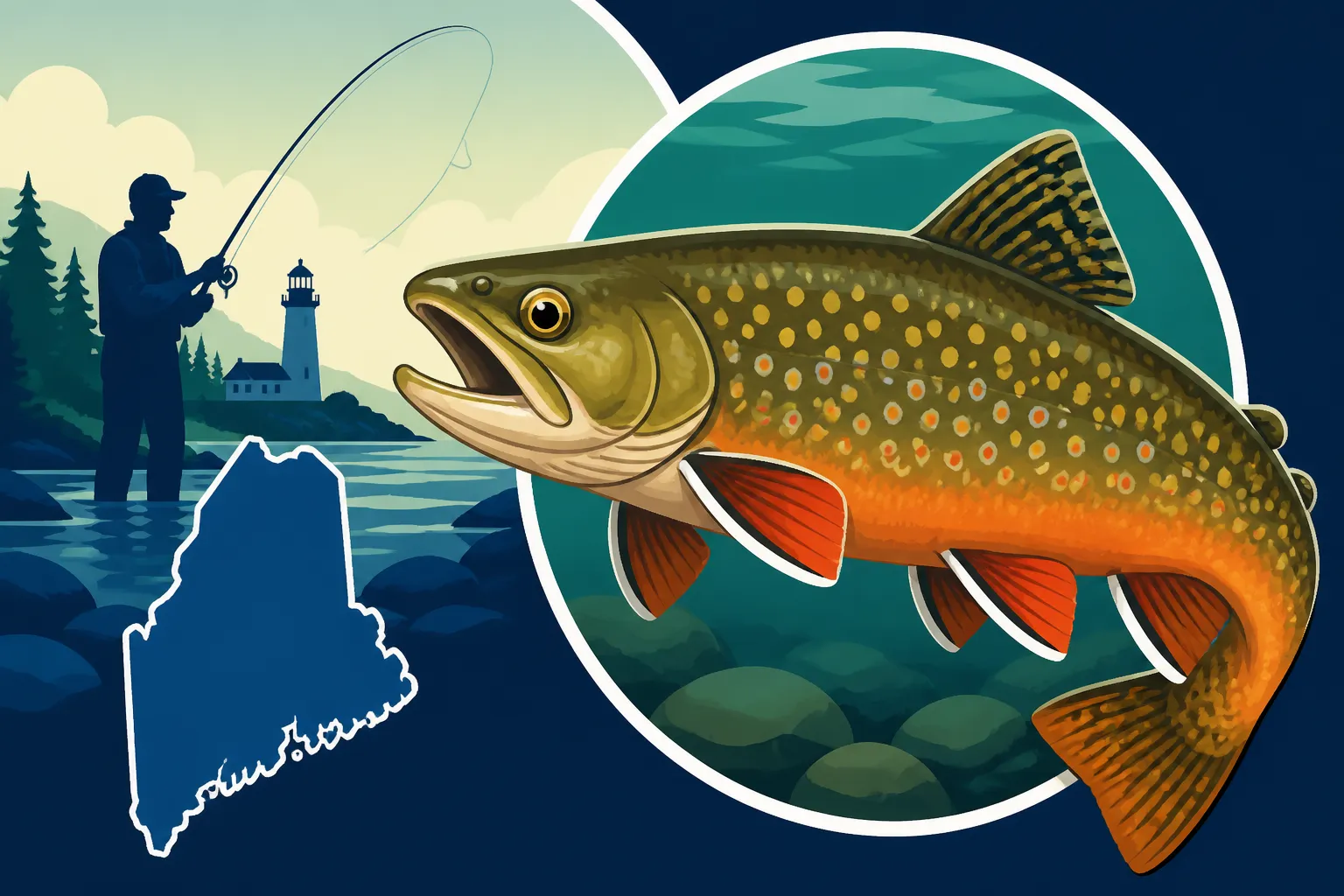
When you think of a brook trout, especially those wild, native beauties found in Maine's remote ponds and streams, a certain image probably comes to mind: dark green or black mottling on the back, a light belly, and those iconic red spots with blue halos. But that's just the baseline. The reality is far more intricate, a living, breathing canvas of natural artistry. These fish are masters of camouflage, their colors adapting to blend seamlessly with their surroundings, but also reflecting their health, diet, and even their emotional state.
The Signature Look: Mottling, Spots, and Fins
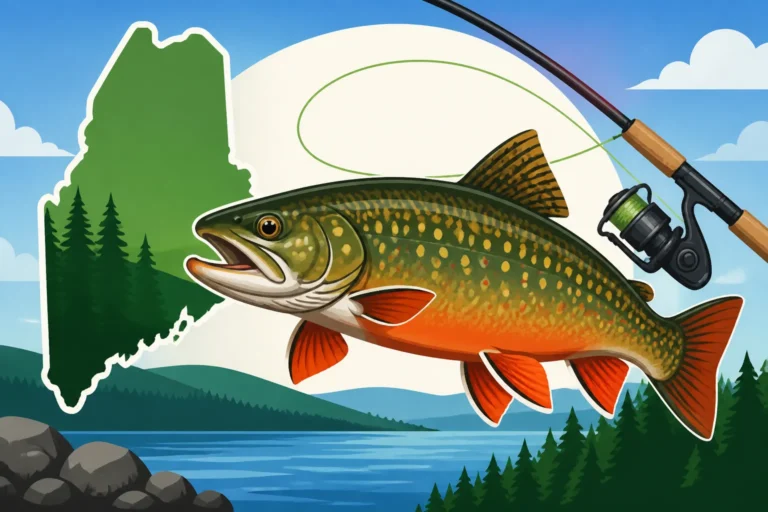
Let's start with the classic characteristics that are almost always present, no matter the specific shade. Maine brook trout, also known as Salvelinus fontinalis, typically display a worm-like pattern, or vermiculation, across their backs and dorsal fins. This pattern can range from a deep, almost black, to an olive-green or brownish-gold, providing excellent camouflage against stream bottoms and submerged logs. It's this intricate pattern that often gives them their secretive nature, allowing them to disappear into the shadows of a riffle or hide beneath undercut banks.
Below this dark back, their sides transition into a lighter shade, often grey, silver, or even a soft yellow. This is where the magic of their spots really shines through. Brook trout are famous for their vibrant red or orange spots, typically encircled by lighter blue halos. These "halos" are a key identifier, distinguishing them from other trout species that might have red spots but lack this distinct blue ring. The density and intensity of these spots can vary wildly from fish to fish and from water to water. As for their fins, expect to see the lower fins (pectoral, pelvic, and anal) sporting a striking white leading edge, followed by a black stripe, and then a reddish or orange hue. This tripartite color scheme on their fins is another strong diagnostic feature for identifying these beautiful fish.
From Olive Drab to Ruby Red: A Spectrum of Hues
While the vermiculation, red spots with blue halos, and white-edged fins are common threads, the overall body color of a Maine brook trout can truly span a spectrum. In many cold, clear, spring-fed streams with gravel bottoms and lots of natural cover, you might find fish that are predominantly olive-green or dark brown on their backs, with lighter, almost golden flanks. These fish are often sleek and torpedo-shaped, perfectly adapted to their fast-flowing environments.
However, move to a boggy, tannin-stained pond in the North Woods, and you might encounter brook trout with much darker, almost black backs, and bellies that are a deeper orange or even reddish. The water itself, rich in organic matter, influences their pigmentation. Then there are the truly exceptional specimens, especially males during the spawning season, that transform into living jewels of ruby red, brilliant orange, and deep crimson. This dazzling display is not only a sight to behold but also a clear indicator of their biological clock ticking.
Environmental Influences on Brook Trout Color
The sheer variety in brook trout coloration isn't random; it's a direct reflection of their environment. Think of it like a living paint palette, where the surrounding water, the food they eat, and even the amount of light they receive all contribute to their final appearance. Understanding these influences can often give you clues about the health of a particular fishery and the conditions of the water you're fishing.
Habitat and Water Chemistry
The most significant factor influencing a brook trout's color is arguably its habitat. Water clarity, bottom composition, and the presence of tannins or other organic materials play a huge role.
Clear, Coldwater Streams and Lakes
In Maine's quintessential clear, coldwater streams and deep, pristine lakes, where the water is often slightly acidic and mineral-rich, brook trout tend to exhibit more vibrant, distinct patterns. Their backs might be a rich olive-green to dark brown, with bright red spots and pronounced blue halos. The overall body can appear almost silvery on the sides, fading to a creamy white belly. This coloration helps them blend into stream beds of varying rocks and gravel, or the deeper, clearer waters of a lake where light penetration is greater. These are often the fish that most closely match the "textbook" description of a brook trout, with sharp contrasts between their markings. Many of Maine’s remote ponds and headwater streams, particularly in areas like the Allagash Wilderness Waterway Fishing Guide, hold fish that exemplify this classic look.
Boggy and Tannin-Stained Waters
Head into some of Maine's more remote, bog-fed ponds or slow-moving rivers, especially in areas with significant cedar or spruce growth, and you'll find water stained a dark tea color by tannins and other organic compounds. Fish from these waters often have much darker, almost black or deep chocolate brown backs, with sides that can range from a dull gold to a coppery bronze. Their red spots might be less vibrant, sometimes appearing more orange or even brownish-red, but their blue halos are often still visible, providing that tell-tale shimmer. The darker coloration helps them blend into the dark, reflective surface and stained depths of these unique environments. It’s a survival mechanism, making them harder for predators, both avian and aquatic, to spot against the dark water column.
Diet and Forage
What a brook trout eats can also subtly influence its coloring. This is particularly true for the intensity of its red and orange hues.
Carotenoids and Pigmentation
Just like flamingos get their pink color from the carotenoids in the shrimp they eat, brook trout can get richer red and orange pigments from their diet. Foods rich in carotenoids, such as freshwater shrimp, certain insect larvae, and even smaller baitfish, can contribute to more intense red spots and a deeper orange or pinkish tint to their flesh and fins. Conversely, fish in waters with a less diverse or carotenoid-poor diet might have paler colors, with their red spots appearing more muted or yellowish. Understanding What Do Brook Trout Eat in Maine Streams? can give you clues about the richness of their ecosystem and potentially their coloration.
Impact on Flesh Color
This dietary influence is also very noticeable when you clean a brook trout. Wild brook trout, particularly those from pristine Maine waters, often have flesh that is a beautiful orange or even pinkish-red, a clear sign of a healthy, natural diet. This contrasts sharply with some hatchery-raised trout, which may have whiter flesh due to their feed. The vibrancy of the flesh is a direct indicator of the natural carotenoids consumed.
Biological and Seasonal Color Shifts
Beyond their immediate environment and diet, a brook trout's age, genetic lineage, and especially its reproductive cycle, play a huge role in its ever-changing wardrobe. These biological factors can transform a subtly colored fish into a breathtaking display of nature's artistry.
Spawning Colors
Hands down, the most dramatic color transformation in brook trout occurs during the spawning season, typically from late summer into the fall. This is when they truly live up to the "brook char" designation, with males especially developing incredibly vibrant, almost iridescent hues.
The Male's Brilliant Display
Male brook trout preparing for spawning become living fireworks. Their bellies, which might normally be white or cream, turn a brilliant crimson, deep orange, or even fiery red. Their sides become mottled with deep reds, oranges, and purples, and their dorsal fins can show intensified vermiculations. The distinctive red spots with blue halos often pop with renewed intensity against these dramatic backdrops. This flamboyant display isn't just for show; it's a crucial part of attracting mates and asserting dominance over other males in the spawning beds. Imagine wading in a quiet Maine stream in October, and a male brook trout, ablaze with these colors, darts out from under a log – it’s an unforgettable sight that many anglers cherish.
Females and Subtler Changes
While females also undergo color changes, they are generally less dramatic than the males. Their bellies might take on a softer orange or pinkish hue, and their overall coloration can deepen, but they rarely achieve the fiery intensity of the males. Their role is primarily focused on egg production and nest preparation, rather than the visual displays of courtship. The timing of these changes aligns with Maine Fall Fishing Guide, making autumn a truly special time to encounter these fish.
Age and Size
Generally speaking, younger, smaller brook trout tend to have less intense coloration and more muted patterns. As they grow older and larger, their colors can become more pronounced and their patterns more distinct. A large, mature brook trout that has survived several seasons in the wild often carries the most magnificent and varied coloration, a testament to its resilience and adaptation. However, an extremely old or stressed fish might also exhibit faded or dull colors, indicating declining health. These larger, more mature fish are often what anglers hope to find when pursuing trophy brook trout.
Genetic Variation and Wild vs. Stocked Fish
There are also natural genetic variations within brook trout populations that can lead to differences in coloration. A specific strain of brook trout in one river system might naturally exhibit brighter reds, while another in a different system might lean more towards golden or olive tones. This genetic predisposition, combined with environmental factors, creates the stunning diversity we see.
It's also worth noting the difference between wild and stocked brook trout. Wild brook trout, those that have lived their entire lives in natural environments, almost invariably display richer, more natural, and more varied coloration. Their patterns are usually sharper, their fin edges crisper, and their overall appearance more vibrant. Stocked brook trout, raised in hatcheries, often have paler, more uniform colors, and their fin edges might be worn down from life in concrete raceways. Their diet in the hatchery is also controlled, which can affect their pigmentation. If you're looking for that truly authentic Maine brook trout experience, seeking out waters with healthy populations of Stocked vs Wild Brook Trout in Maine can be a real game-changer for appreciating these natural hues.
Identifying Brook Trout Beyond Color
While color is a fantastic indicator, relying solely on it can sometimes be misleading due to the variations we've discussed. To truly identify a Maine brook trout with confidence, especially for a beginner, it’s helpful to look at a combination of features. This multi-faceted approach ensures you’re correctly identifying your catch and adhering to specific regulations, which might vary by species.
Key Physical Characteristics
Beyond the chameleon-like colors, brook trout possess several consistent physical attributes that are reliable identifiers.
Body Shape and Mouth
Brook trout typically have a sleek, elongated, and somewhat compressed body shape, especially those in flowing water. They are built for agility and darting through currents. Their mouth is relatively large and extends back to, or slightly beyond, the rear edge of the eye. They also have tiny teeth on both the upper and lower jaws, which can be felt if you carefully run a finger along the roof of their mouth. These features distinguish them from other fish species found in the same waters, and are often clearer than trying to parse subtle color differences.
Tail Fin Shape
One of the most consistent and easily identifiable features of a brook trout is its tail fin. It is typically square or only very slightly forked. As they age, the fork often becomes less pronounced, almost appearing straight-edged. This contrasts with the deeply forked tails of species like lake trout (togue) or landlocked salmon. Knowing this simple detail can save you a lot of guesswork. For a broader understanding of different species, check out the Maine Fish Species Identification Guide.
Absence of Black Spots (Often)
Unlike brown trout or rainbow trout, which typically have prominent black spots all over their bodies and fins, brook trout generally lack these. While they might have some dark vermiculations, they don't have distinct black spots. This is a crucial distinction when trying to differentiate between trout species.
The Angler's Perspective: Why Color Matters
For us anglers, the color of a brook trout isn't just an aesthetic curiosity; it tells a story. It speaks of the water quality, the richness of the food chain, and the health of the ecosystem. Being able to "read" a fish's colors enhances the entire fishing experience, turning each catch into a deeper observation of nature.
An Indicator of Water Quality and Habitat
When you consistently catch brightly colored, deeply pigmented brook trout with vibrant red spots and clean white fin edges, it’s a strong indicator that you’re fishing in pristine, healthy waters. These fish thrive in cold, clean, well-oxygenated environments with abundant natural food sources and minimal pollution. Conversely, if you're regularly finding dull, pale, or unusually uniform-colored brook trout, it might suggest the water quality isn't ideal, or perhaps you're in an area that relies heavily on hatchery stocking. A trip to a clear, remote pond, often necessitates some good polarized sunglasses, which can be found easily on platforms like Amazon, to truly appreciate the colors of the fish in the water before you even cast a line.
Appreciating Native vs. Stocked Fish
For many Maine anglers, there's a deep appreciation for native brook trout – those fish that have reproduced naturally in their environment for generations. These wild fish almost always possess a more exquisite and varied coloration compared to their hatchery-raised counterparts. The intensity of their colors, the distinctness of their patterns, and the sharpness of their fins are often hallmarks of a truly wild fish. Being able to recognize these differences through their color is a point of pride and helps us identify truly special fisheries. This distinction is especially important when considering conservation efforts for Brook Trout Native Range in Maine.
Understanding Fish Health and Spawning Cycles
Observing the color changes in brook trout allows us to better understand their life cycles. Spotting a male brook trout aflame with brilliant reds and oranges in the fall is a clear sign that the spawning season is underway, reminding us of the delicate balance of nature and the importance of responsible angling practices during this critical time. These vibrant colors indicate a healthy, mature fish ready to contribute to the next generation. It’s a privilege to witness.
Photography and Memories
Let’s be honest, those stunning photographs of brook trout that populate fishing magazines and social media often feature fish with incredible, vivid colors. Knowing what influences these hues can help you appreciate why certain fish look so spectacular in photos. Catching a naturally brilliant brook trout, with its greens, golds, reds, and blues, is a moment to be savored and, for many, carefully photographed before a gentle release. The memory of those colors lingers long after the fish has returned to the depths.
To give you a quick overview of how brook trout colors can shift, here's a table summarizing some common variations:
| Feature | Clear, Coldwater Stream/Lake | Boggy/Tannin-Stained Pond | Spawning Male (Fall) | Hatchery Stocked Fish |
|---|---|---|---|---|
| Back Color | Olive-green, dark brown | Dark brown, black | Deep green, purplish | Muted olive, grey |
| Side Color | Silver, golden, light grey | Coppery bronze, dull gold | Fiery red, orange | Pale grey, yellowish |
| Belly Color | Creamy white | Orange, reddish-brown | Brilliant crimson | White, sometimes dingy |
| Red Spots | Bright, distinct with blue halos | Muted, orange-red, halos present | Intensified, vivid | Faded, less defined |
| Fins | White leading edge, black stripe, red/orange | Similar, but often darker hues | Deep red/orange, sharp markings | Often worn, pale, less distinct |
Remember, this table provides general guidelines. The beauty of Maine brook trout is in their endless, subtle variations.
Wrapping It Up: The True Colors of Maine's Brook Trout
So, what color are brook trout in Maine? The answer, as you now know, is wonderfully complex and constantly changing. They are olive-green and gold in clear streams, dark brown and coppery in bog ponds, and blazing red and orange during the spawn. Each fish is a unique masterpiece, a testament to the specific conditions of its home water, its diet, its genetics, and its stage in life.
This dynamic coloration isn't just pretty to look at; it's a vital part of their survival and an important clue for us anglers. By paying close attention to these living jewels, we not only become better at identifying them but also gain a deeper appreciation for the intricate ecosystems that support them. The next time you hold a Maine brook trout in your hands, take a moment to truly observe its colors. You'll be looking at a living reflection of the wild beauty of the Maine woods, a story told in shades of green, gold, and vibrant red. Remember that understanding Maine Fishing Regulations Explained and Maine Fish Bag Limits Guide is crucial for ensuring these beautiful fish continue to thrive for generations to come.
Disclaimer
This article is for general informational purposes only and does not constitute professional advice. Laws, prices and regulations vary by location and change over time. Consult a qualified professional for guidance on your specific situation.