Are Brook Trout Native to Maine?
It’s a question many Maine anglers ponder, often while casting a line into a pristine stream or pulling a sleek, colorful fish from cold water: are these beautiful brook trout truly native to our beloved state, or have they been introduced? It's a valid curiosity that gets to the heart of conservation and understanding the unique ecosystems we cherish. This guide will dive deep into the fascinating history and biology of brook trout in Maine, explaining their undeniable native status and what that means for our fishing heritage.
The Undisputed Native Status of Maine's Brook Trout
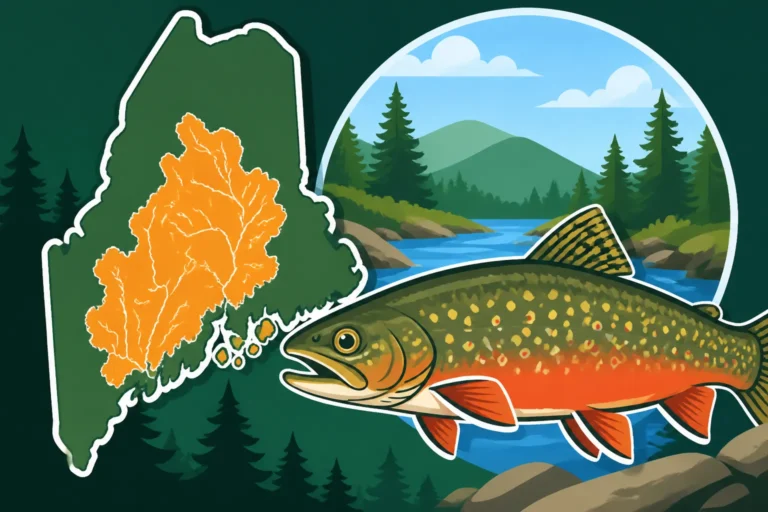
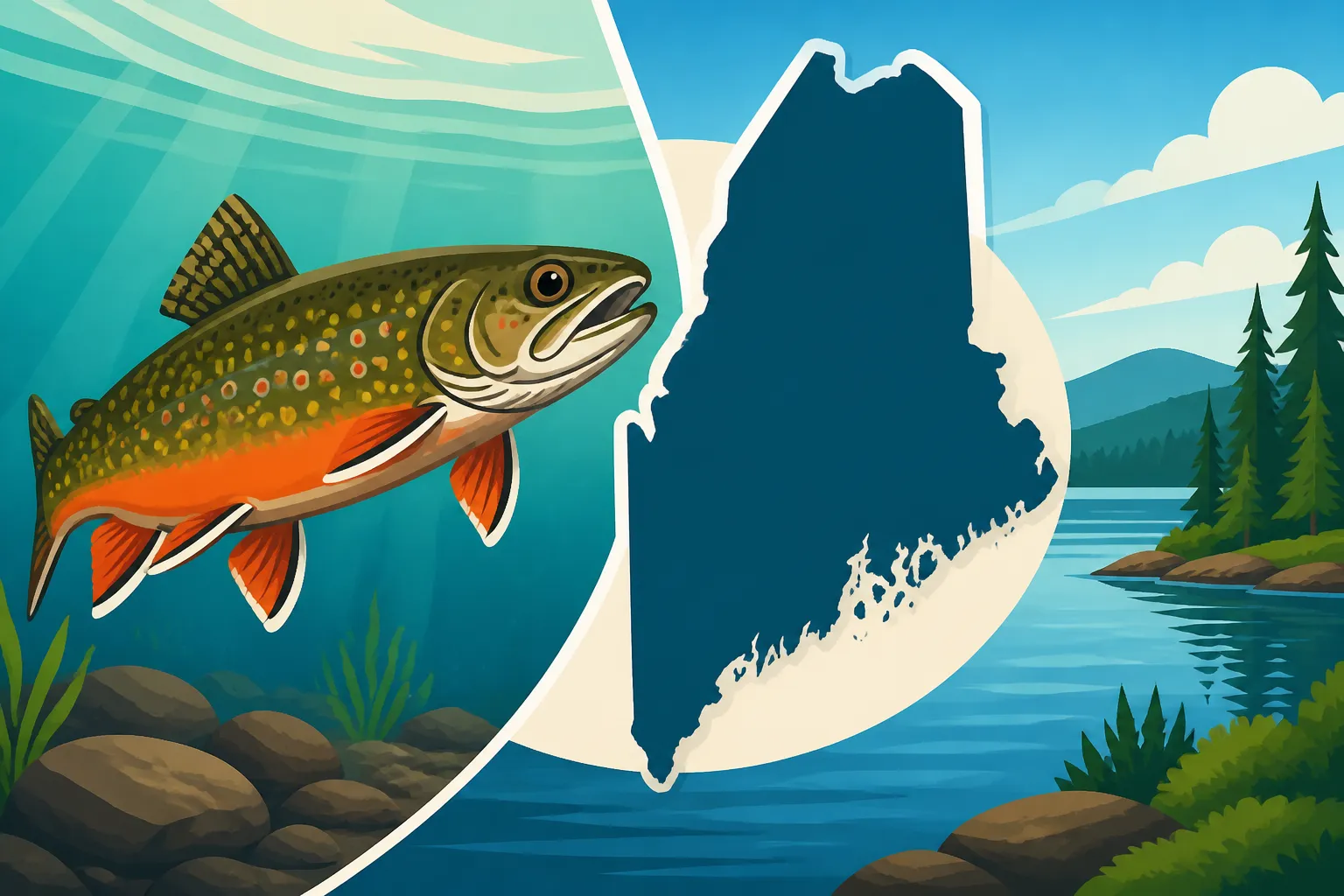
Let's cut right to the chase for those who love clarity: yes, absolutely, brook trout (Salvelinus fontinalis) are unequivocally native to Maine. They aren't just visitors or transplants; they are an integral, ancient part of Maine's aquatic landscape, having called these waters home for thousands of years, long before European settlement. This isn't just a fun fact; it's a foundational truth for understanding Maine's unique fishing opportunities and conservation efforts.
Think about the quintessential image of a wild Maine stream – clear, cold water cascading over rocks, surrounded by towering pines and mossy banks. That image is intrinsically linked with the brook trout. They are a cold-water species, perfectly adapted to the numerous pristine lakes, ponds, and rivers that crisscross our state, especially in the remote northern regions. Their presence is a natural barometer of water quality, thriving where conditions are excellent and suffering where they are not. Many anglers feel a deep connection to these fish, recognizing them as a true symbol of Maine's wilderness. When you hook into one of these vibrant fish, with its distinct worm-like markings (vermiculations) and fiery red spots, you're connecting with a legacy that spans millennia. Knowing this makes every catch feel even more special, a direct link to the untouched past of our great state.
A Legacy Spanning Millennia
The lineage of brook trout in Maine can be traced back to the last glacial period. As the glaciers retreated, they carved out the landscape we know today, leaving behind countless lakes, ponds, and streams. Brook trout, being cold-hardy species, were among the first fish to colonize these newly formed, ice-cold waters. They slowly spread, adapting to local conditions, and establishing genetically distinct populations across various watersheds. This makes them a true testament to natural resilience and adaptation.
Unlike some other popular game fish that have been introduced or widely stocked across the continent, brook trout in Maine have maintained many genetically pure wild strains. This is particularly true in the vast wilderness of northern Maine, where access is limited, and human impact has been less severe. These areas are often referred to as "brook trout strongholds," representing some of the last remaining intact native brook trout habitats in the eastern United States. Their survival here speaks volumes about Maine's unique geography and ongoing conservation efforts. For more on where these beauties thrive, check out our guide on Brook Trout Native Range in Maine.
Why "Native" Matters So Much
The term "native" isn't just biological jargon; it carries significant weight for conservation and fishing regulations. Native species have evolved alongside their specific ecosystem for eons, developing complex relationships with other plants, animals, and the environment. They play crucial roles in the food web, maintaining ecological balance. When a species is native, it means it belongs there, and its presence is vital for the health of the entire ecosystem.
Conversely, non-native or invasive species can wreak havoc, outcompeting native fish for food and habitat, introducing diseases, or altering the delicate balance of a waterbody. Maine’s conservation efforts often prioritize protecting and restoring native brook trout populations, understanding that their well-being reflects the overall health of our wild places. Anglers who appreciate this distinction often choose to practice catch and release, especially for larger, older brook trout, to help preserve the genetic integrity and breeding stock of these precious native fish. It’s a way of giving back to the waters that give us so much joy.
Understanding the Difference: Wild vs. Stocked Brook Trout
While brook trout are native to Maine, not every brook trout you catch is "wild" in the purest sense. Maine, like many states, has an active stocking program to enhance fishing opportunities and relieve pressure on purely wild populations. This distinction between a native species (brook trout in general) and a wild population (self-sustaining, naturally reproducing fish) is incredibly important for anglers and conservationists alike.
Imagine fishing two different ponds. In one, you're pulling out vibrant, feisty brook trout, each one a testament to natural selection and survival. In the other, the fish might be a bit more uniform, perhaps less wary, and slightly larger or smaller than you'd expect. These differences often point to whether you're encountering truly wild fish or those that have been raised in a hatchery and then released.
Characteristics of Wild Brook Trout
Wild brook trout are the progeny of naturally spawning fish in a given waterbody. They spend their entire lives within their natural habitat, honed by the challenges of survival. They tend to be more brightly colored, displaying intense reds, oranges, and greens, especially during spawning season. Their fins are typically perfectly formed and their bodies sleek and streamlined. They are often more wary, making them a challenge and a thrill to catch, and their size can vary greatly depending on food availability and water conditions. Catching a wild brook trout often feels like a true accomplishment, a connection to the untamed spirit of Maine. Many anglers attest to the superior fight and unique beauty of a wild fish. If you're looking to target these, researching Maine Fishing Season Dates Guide and understanding specific local regulations is key.
Characteristics of Stocked Brook Trout
Stocked brook trout, on the other hand, are raised in hatcheries before being released into suitable waters. The goal of stocking is usually to provide immediate fishing opportunities, especially in waters that might not support natural reproduction or to supplement populations in heavily fished areas. Stocked fish can sometimes be identified by subtle physical traits, such as slightly worn fins (especially the pectoral and caudal fins) from rubbing against concrete raceways, or a less vibrant, more uniform coloration. They might also be less wary of anglers and less conditioned to natural prey, making them easier to catch initially.
| Feature | Wild Brook Trout | Stocked Brook Trout |
|---|---|---|
| Origin | Born and raised in natural environment | Raised in hatchery, then released |
| Fins | Typically perfectly formed, sharp | Can show wear, rounded, or frayed due to hatchery |
| Coloration | Vibrant, intense, diverse patterns | Often paler, more uniform, sometimes muted |
| Behavior | Wary, skittish, highly adapted to predation | Can be less wary, accustomed to artificial food |
| Fight | Often strong, acrobatic, sustained | Varies, sometimes less energetic initially |
| Survival Rate | High natural survival, if undisturbed | Lower initial survival post-stocking due to stress |
| Genetic Diversity | High within population, adapted to local strains | Limited by hatchery broodstock |
| Diet | Natural insects, small fish, crustaceans | Hatchery pellets, then adapts to natural foods |
The Maine Department of Inland Fisheries and Wildlife (MDIFW) does an excellent job of managing both wild and stocked fisheries, and they often differentiate between "wild trout waters" and "stocked waters" in their regulations. Anglers can often find specific details in the Maine Fishing Regulations Explained or by picking up a physical law book (which you can often find at local outfitters or general stores, or even order through resources found on platforms like Amazon).
The Role of Stocking in Maine Fishing
Stocking serves a vital purpose in Maine. It allows for sustained recreational fishing in areas where natural reproduction might be limited by habitat degradation, competition from other species, or simply heavy angling pressure. This also takes pressure off sensitive wild brook trout populations, ensuring their long-term viability. For example, some popular ponds near urban areas are primarily "put-and-take" fisheries, stocked heavily to provide consistent action for anglers, especially families and beginners.
However, stocking is not without its considerations. Biologists are careful about where and how they stock to avoid negative impacts on existing wild populations. The goal is to enhance fishing without compromising the genetic integrity or ecological balance of native, wild brook trout habitats. This delicate balance is part of what makes Maine's fisheries management so complex and important. If you're interested in deeper dives into this, searching for resources on conservation or ecology on Amazon can yield some fantastic books that explain these principles.
The Importance of Protecting Maine's Native Brook Trout Populations
Given their native status and their role as indicators of healthy ecosystems, the protection of Maine's wild brook trout populations is paramount. Conservation efforts focus on a variety of strategies to ensure these iconic fish continue to thrive for generations to come. This isn't just about ensuring there are fish to catch; it's about preserving a vital part of Maine's natural heritage.
Many anglers feel a strong sense of stewardship for these unique fish. When you encounter a wild brook trout, especially in a remote setting, it feels like a glimpse into a wilder past. It reinforces the desire to protect these places and these creatures.
Habitat Preservation and Restoration
The most critical aspect of brook trout conservation is habitat protection. Brook trout need cold, clean, oxygen-rich water to survive. They thrive in streams with good riparian buffers (vegetation along the banks) that provide shade, stabilize soil, and filter runoff. The presence of woody debris in streams creates essential hiding places and slows water flow, forming crucial pools.
Conservation groups, alongside the MDIFW, work tirelessly to identify and protect key brook trout habitats. This includes advocating for sustainable forestry practices, preventing pollution, and restoring degraded stream sections. Removing old, impassable culverts and replacing them with fish-friendly crossings, for instance, allows trout to access more spawning and feeding grounds, expanding their range and genetic diversity. These efforts directly benefit the health and spread of Brook Trout Fishing in Maine.
Responsible Angling Practices
Anglers also play a crucial role. Practicing responsible catch and release, especially in wild trout waters, helps preserve breeding stock. Using barbless hooks, minimizing handling time, keeping the fish in the water as much as possible, and using wet hands to handle them all reduce stress and increase a fish's chances of survival after being caught. Understanding and adhering to specific regulations, such as Brook Trout Daily Bag Limits and length limits, is also essential for sustainable fishing.
Educating ourselves about the species we pursue, like understanding What Do Brook Trout Eat in Maine Streams? or Best Month for Brook Trout Fishing in Maine, allows us to be more effective and respectful anglers. Many experienced anglers share their knowledge through online forums or even books available on Amazon, helping newcomers learn the ropes of ethical angling.
The Impact of Invasive Species and Climate Change
The native brook trout face challenges from both invasive species and the broader impacts of climate change. Non-native fish like smallmouth bass, largemouth bass, and sometimes even other trout species can outcompete brook trout for food and space, or prey on their young, particularly in warmer waters. Understanding Invasive Fish Species in Maine Lakes is critical for anglers.
Climate change, with its potential for warmer water temperatures and more extreme weather events, poses a significant long-term threat. Brook trout are highly sensitive to temperature increases; waters that become too warm can become uninhabitable. This makes the efforts to protect and restore cold-water habitats even more urgent. It’s a complex issue, and one that serious anglers are often passionate about addressing. By supporting conservation initiatives and being mindful of our own impact, we can all contribute to ensuring Maine's native brook trout continue to grace our waters for generations.
Maine: A Sanctuary for Native Brook Trout
Maine truly stands out as a unique sanctuary for native brook trout, especially when compared to many other states in the eastern U.S. While brook trout populations have declined or been extirpated in many areas due to habitat loss, pollution, and the introduction of non-native species, Maine's vast, relatively undeveloped wilderness has allowed its brook trout to persist and, in many cases, thrive.
This distinction is something Mainers take immense pride in, and it forms a core part of the state's outdoor identity. The ability to hike into a remote pond and catch truly wild brook trout is an experience increasingly rare elsewhere, cementing Maine's reputation as a premier destination for native trout enthusiasts. This dedication to conservation is reflected in our detailed Maine Fishing License Guide and the strict but necessary Maine Fishing Regulations Explained.
Remote Ponds: Jewels of the Wilderness
Much of Maine's success in preserving native brook trout can be attributed to its vast network of remote ponds and streams, particularly in the North Woods. These waters are often inaccessible by road, requiring a hike, paddle, or even a floatplane to reach. The limited access acts as a natural protective barrier, minimizing human impact and preventing the accidental introduction of invasive species.
These remote waters are often managed as "wild trout only" or "special regulation" waters, where strict catch limits, artificial lures only, or even catch-and-release rules are in place to safeguard the genetic purity and health of the brook trout populations. The experience of fishing these remote jewels is often as much about the journey and the solitude as it is about the fish, offering a profound connection to untouched nature. It's a testament to how the sheer scale of Maine's wilderness provides a haven that few other places can match. If you're planning a trip to these areas, be sure to brush up on Maine Fishing Laws for Beginners.
A Source of State Pride and Economic Value
The presence of abundant native brook trout populations is not just an ecological asset; it's also a significant source of state pride and economic value. Anglers from across the country, and even internationally, are drawn to Maine specifically for the opportunity to pursue these magnificent fish. This generates tourism revenue, supports local businesses, and reinforces the importance of maintaining healthy ecosystems.
Our state's fishing guides, many of whom are Registered Maine Guides, often specialize in leading trips to these pristine brook trout waters, sharing their deep knowledge of the land and its resources. They understand the value of these native fish, not just as a commodity, but as a living symbol of Maine's wild heart. The ongoing commitment to protecting these native fish ensures that Maine's unique fishing heritage will endure, continuing to draw visitors and provide unparalleled outdoor experiences for generations to come.
Disclaimer
This article is for general informational purposes only and does not constitute professional advice. Laws, prices and regulations vary by location and change over time. Consult a qualified professional for guidance on your specific situation.