Invasive Fish Species in Maine Lakes
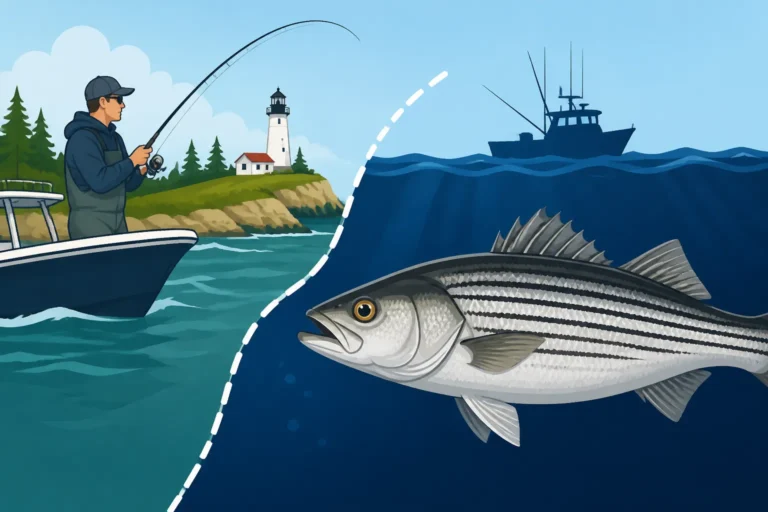
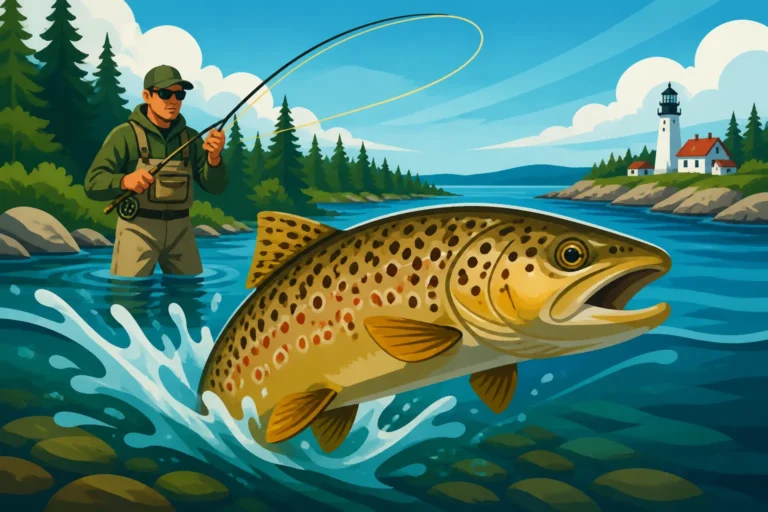
Oh, the joy of fishing in Maine! There’s nothing quite like spending a crisp morning on one of our beautiful lakes, the mist rising, and the promise of a native brook trout or landlocked salmon on the line. But let's be honest, there's a growing worry gnawing at the back of many anglers' minds: the presence of unwanted fish species. It’s disheartening to pull in a fish that doesn’t belong, knowing it could be outcompeting or even devouring the very native species we cherish. This guide is all about shedding light on these invasive fish in Maine lakes, understanding the threat they pose, and crucially, what we, as responsible anglers, can do to protect our precious waters.
Understanding Invasive Fish Species
When we talk about invasive species, it’s not just a fancy scientific term; it’s about a real, tangible threat to the places we love to fish. These aren't just "new fish"; they're disruptors, unwelcome guests that can turn an ecosystem on its head.
What Makes a Fish "Invasive"?
An invasive fish species isn't just a fish that isn't native to a particular lake or river. Oh no, it's more complicated than that. A fish becomes "invasive" when it's introduced to an environment where it doesn't naturally occur, and then it thrives to the point of causing harm. This harm can be environmental, like outcompeting native fish for food or habitat, preying on them, or even altering the water quality. It can also have economic impacts, affecting local fishing businesses or tourism, and sometimes even posing risks to human health or safety, though that's less common with fish.
Think of it this way: a "non-native" fish might be living in a lake, but if it's not causing significant ecological or economic damage, it's just an introduced species. The moment it starts taking over, upsetting the delicate balance, or threatening our beloved native brook trout populations, that’s when it crosses the line into being truly invasive. It’s the impact that truly defines invasiveness, not just its origin. For us here in Maine, where wild brook trout and landlocked salmon are cornerstones of our fishing heritage, even a seemingly benign introduction can have catastrophic ripple effects.
How Invasive Species Get into Maine Lakes
So, how do these unwelcome guests end up in our pristine Maine lakes and ponds? It's almost always due to human activity, sometimes intentional, sometimes accidental. The most infamous culprit is what we affectionately (or not so affectionately) call "bucket biology." This is where someone, often with good intentions but terrible judgment, decides to move fish from one body of water to another. Maybe they caught some panfish in one pond and thought they'd make a great addition to a nearby trout pond, or perhaps they released a pet fish that got too big for its tank. Whatever the reason, these illegal introductions are a primary pathway for invasives.
Another major culprit is the careless dumping of bait buckets. Imagine you’ve been out ice fishing all day, using live shiners. When you’re done, instead of properly disposing of the unused bait, you simply dump the bucket, water and all, back into the lake or a nearby stream. Those shiners, if they're not native to that particular water, can quickly establish a population. Many invasive species were spread this way, often without anyone realizing the long-term consequences. Escapes from private aquaculture operations or backyard ponds, especially during floods, can also contribute to the problem, as can natural migrations if a species has already established itself in a connecting waterway, sometimes from a neighboring state.
Common Invasive Fish Species Threatening Maine Waters
Maine's waters are known for their incredible biodiversity, but a few unwelcome guests have set up shop, causing significant headaches for our native fish populations and for fisheries managers. Understanding who these invaders are is the first step in combating their spread.
Northern Pike: The Apex Predator Threat
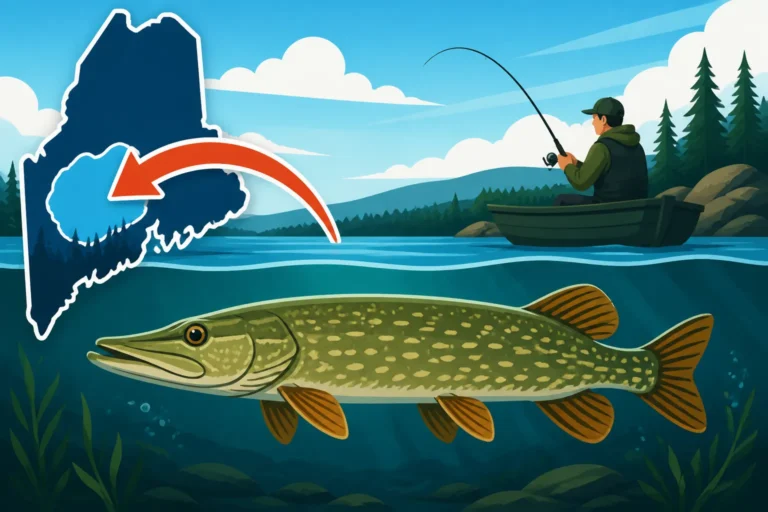
When we talk about top-tier invasive predators in Maine, the Northern Pike almost always comes to mind. These magnificent, yet highly destructive, fish are unmistakable with their duck-billed snouts, rows of sharp teeth, and sleek, torpedo-shaped bodies adorned with light spots on a dark green background. They are aggressive, ambush predators that can grow to impressive sizes, making them a thrilling catch for some, but a nightmare for native species.
The impact of Northern Pike on Maine's delicate ecosystems is nothing short of devastating. They are voracious eaters, preying heavily on whatever fish is available, including our beloved native brook trout, landlocked salmon, and even popular sport fish like smallmouth bass. When pike establish themselves in a lake, they can quickly decimate populations of native fish, especially the juveniles, disrupting the entire food web. Lakes like Sebago Lake and portions of the Belgrade Lakes region have seen firsthand the challenges posed by pike. Anglers are encouraged to keep all Northern Pike caught, as there are no bag limits in many pike-infested waters—it's truly an "if you catch one, keep it" situation. What Is Northern Pike Doing to Maine Trout Waters? is a critical read for understanding this threat. It's up to us to help control their numbers and report any new sightings to the Maine Department of Inland Fisheries and Wildlife (IFW) if you suspect they’ve popped up in a new, unmanaged water body.
Chain Pickerel: Widespread and Wily
While not quite as large or as notorious as the Northern Pike, the Chain Pickerel is another widespread and highly effective predator that poses a significant challenge to Maine's native fish. These fish are easily identifiable by their distinctive chain-like pattern on their sides, giving them their name. They have a similar elongated, predatory body shape to pike, though they are generally smaller. They tend to favor shallow, heavily vegetated waters where they can ambush their prey, and they are incredibly widespread across the state.
Their impact is primarily felt through competition and predation. Chain pickerel will readily consume smaller native fish, especially the young of trout and salmon. They compete directly with other native predators for food, potentially displacing them and altering the delicate balance of the ecosystem. While they are a fun fish to catch for many anglers and can provide some exciting action, their sheer numbers and predatory nature mean they can contribute to the decline of more desirable native species. Many anglers wonder Are Chain Pickerel Good to Eat?, and while they can be, their invasive tendencies mean managing their populations is key to protecting our native fisheries.
Largemouth Bass: A Mixed Blessing or a Menace?
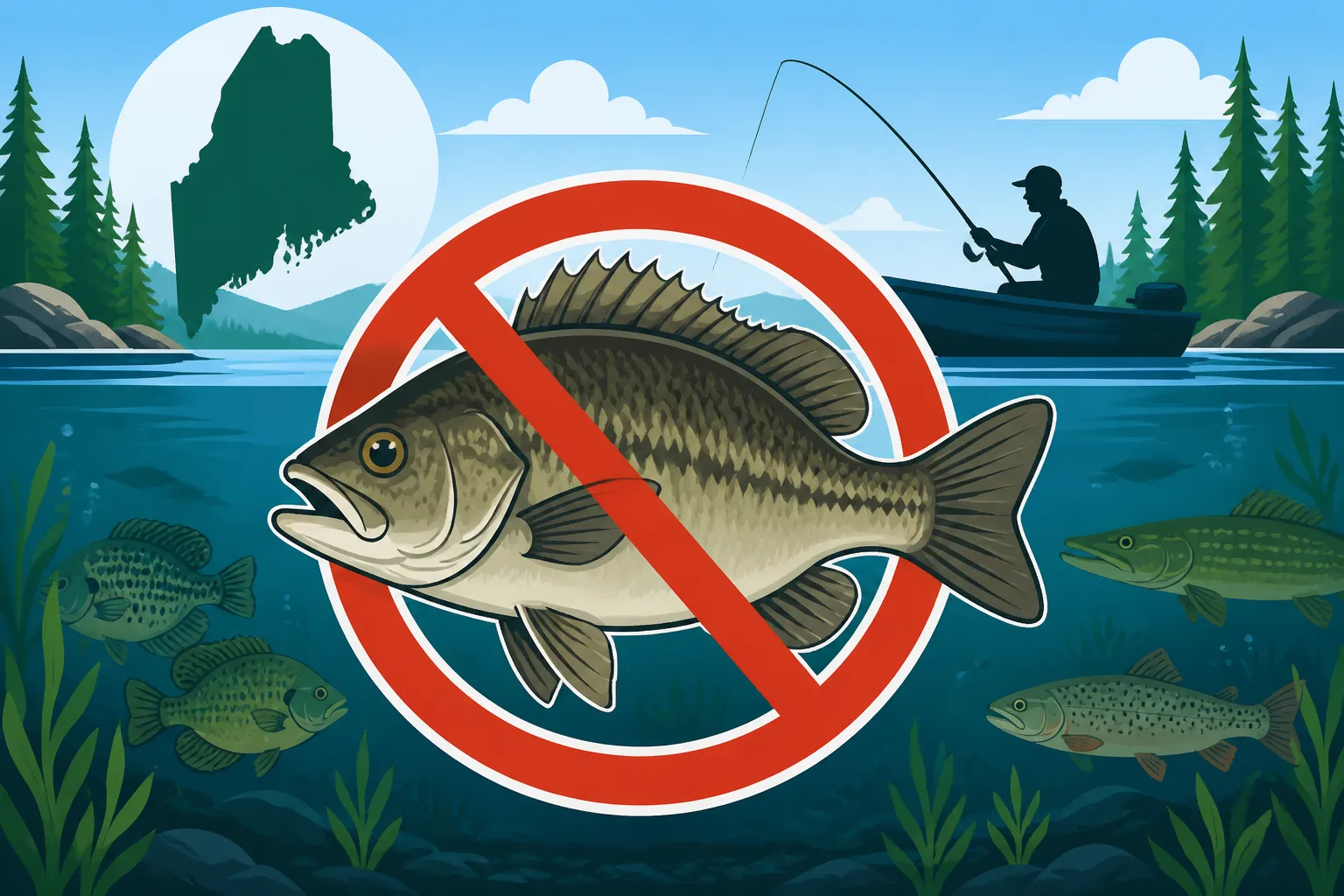
Now, this one might raise a few eyebrows, because Largemouth Bass are incredibly popular sport fish and provide fantastic angling opportunities in many parts of Maine. However, the truth is, while they are native to some parts of the United States, they are not native to all of Maine’s waters, particularly our colder, deeper lakes and ponds that historically harbored only trout and salmon. This makes their presence in certain ecosystems a complex issue.
Largemouth bass thrive in warmer, weedier habitats and are aggressive feeders. In waters where they've been introduced outside of their historical range, they can outcompete native smallmouth bass and other native species, especially if those waters are marginal for cold-water fish. In prime trout and salmon waters, Largemouth Bass can prey on juvenile salmonids, impacting recovery efforts and the overall health of these cold-water fisheries. Are Bass Considered Invasive in Some Maine Waters? delves into this specific concern. Maine's fisheries management often treats Largemouth Bass differently depending on the specific water body. In some lakes, they are managed as a prized sport fish, with regulations designed to promote healthy populations. In others, particularly those with strong native cold-water fisheries, efforts are made to prevent their spread or even reduce their numbers. It’s a delicate balance, highlighting that "invasive" isn't always a black-and-white label, but always requires thoughtful management.
Other Noteworthy Invaders (e.g., White Perch, Yellow Perch, Black Crappie)
Beyond the big predators like pike and bass, several other species, often smaller and seemingly less threatening, can have a profound impact when they establish themselves as invasives. These fish, while sometimes targeted by anglers, contribute to the overall ecological stress on native populations.
White Perch are a classic example. These silvery, deeply-forked fish are incredibly prolific breeders. When introduced to a lake, they can quickly overpopulate, becoming stunted due to intense competition for food. They compete directly with native species like brook trout and landlocked salmon for essential forage, especially smaller insects and baitfish, which are crucial for the growth and survival of our prized cold-water fish. Anglers often find large numbers of stunted white perch in lakes where they have become established, signaling an imbalance.
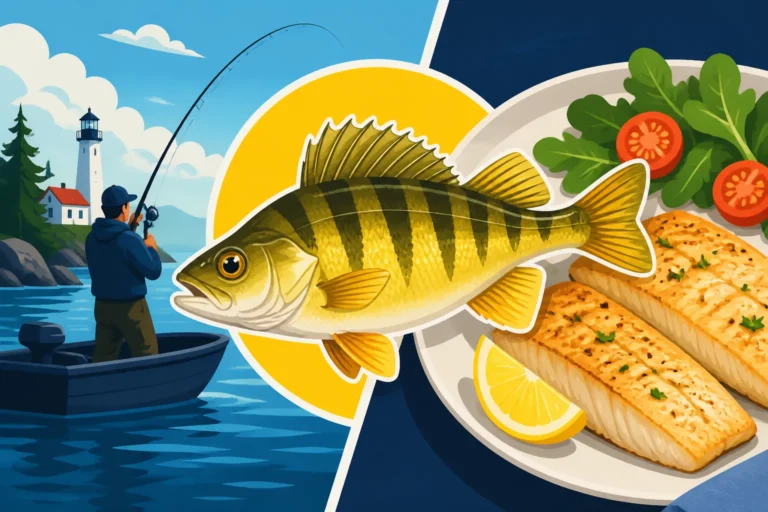
Similarly, Yellow Perch, with their distinctive vertical bars and yellow-gold coloring, can also become invasive. While native to some areas, their introduction into certain Maine lakes has led to overpopulation and stunting, much like white perch. They consume vast amounts of insect larvae and small fish, putting significant pressure on the food resources that native trout and salmon rely upon, particularly at their juvenile stages. Both white and yellow perch can also impact the quality of fishing for other species, as they can be caught relentlessly, sometimes making it difficult to target other fish.
Then there's the Black Crappie, a fish known for its deep, laterally compressed body and mottled, silvery appearance. While highly sought after in many southern states, their presence in Maine is relatively newer and growing. Crappie can quickly outcompete native sunfish and other perch species for food and habitat. Their rapid reproduction rates and schooling behavior can quickly alter an aquatic community, potentially reducing the diversity and abundance of native warm-water fish species, further adding to the list of challenges facing Maine's freshwater ecosystems.
The Devastating Impact on Maine's Ecosystems and Angling Heritage
The presence of invasive fish species isn’t just an inconvenience; it’s a fundamental threat to the very essence of what makes fishing in Maine so special. The ripple effects extend far beyond just one species, touching everything from ecological balance to our cherished angling traditions.
Threat to Native Coldwater Fisheries
At the heart of Maine’s angling allure are our spectacular native coldwater fisheries, particularly the brook trout and landlocked salmon. These fish are adapted to specific conditions – clear, cold, well-oxygenated waters with abundant insect life and native baitfish. Invasive species throw a wrench into this delicate machinery. For instance, Northern Pike don’t just compete with trout and salmon; they actively devour them, especially the vulnerable young. Imagine a pristine stream, historically teeming with wild brook trout, suddenly becoming a hunting ground for an introduced pike. The results are swift and brutal.
Beyond direct predation, invasive species introduce intense competition for food and habitat. White and yellow perch, for example, might not eat adult salmon, but they will aggressively consume the same insects and small fish that juvenile salmon and trout need to survive and grow. This competition can starve out native populations or make them more susceptible to disease and environmental stressors. The long-term consequence is the heartbreaking loss of unique genetic strains and the conversion of once-pristine wild trout waters into something far less vibrant. For anyone who has spent years perfecting their fly cast on a quiet trout pond, seeing that pond taken over by stunted, introduced species is a profound sense of loss, a piece of our natural heritage slipping away. The Brook Trout Native Range in Maine is shrinking in some areas precisely because of these pressures.
Economic and Recreational Consequences
The impact of invasive fish species isn't confined to the underwater world; it has very real economic and recreational consequences for the people of Maine and those who visit. Maine's reputation as a world-class fishing destination is built on the health and abundance of its native fish populations. When these populations decline due to invasives, so does the appeal for anglers seeking those specific experiences. This can lead to a noticeable decline in tourism, affecting everything from local sporting camps and guide services to tackle shops and gas stations in rural communities.
Furthermore, managing invasive species is an incredibly expensive endeavor. Fisheries departments must dedicate significant resources—staff time, equipment, research, and enforcement—to monitor populations, try to control their spread, and, in some rare cases, attempt eradication. These are funds that could otherwise be used for stocking native species, improving habitat, or enhancing access for anglers. The recreational experience itself is diminished. Anglers may find themselves catching fewer of their target species, or encountering waters that are simply not as productive or enjoyable as they once were. This shift can impact participation rates and reduce the overall satisfaction derived from a day on the water.
Alteration of Aquatic Habitats
Beyond direct predation and competition, invasive fish species can fundamentally alter the very aquatic habitats they inhabit. This isn't just about changing who eats whom; it's about changing the physical and chemical characteristics of the water body itself, creating a cascade of negative effects throughout the ecosystem.
Some invasive species, particularly those that feed heavily on the bottom, can stir up sediment, leading to increased turbidity (cloudiness) in the water. This can reduce light penetration, affecting aquatic vegetation that forms critical habitat for many native species. Changes in vegetation, in turn, can alter spawning grounds and refuge areas. Other invasives, through sheer biomass, can dramatically change nutrient cycling within a lake, potentially contributing to algal blooms or altering oxygen levels, especially in deeper waters. Essentially, they can reshape the entire food web and physical structure of a lake over time. Imagine a lake that was once known for its clear waters and diverse plant life slowly becoming murkier and less complex, all because of an unwanted introduction. These subtle yet profound alterations can make it incredibly difficult for native species, which are often highly specialized, to adapt and survive.
What Maine Anglers Can Do to Prevent the Spread
As anglers, we're not just users of Maine's precious waters; we're also their most important stewards. Preventing the spread of invasive fish species and other aquatic nasties is a collective responsibility, and every action we take (or don't take) has an impact.
The "Drain, Clean, Dry" Protocol
This isn't just a catchy phrase; it's a critical mantra for every responsible angler in Maine. Adhering to the "Drain, Clean, Dry" protocol is arguably the single most effective thing you can do to prevent the unintentional spread of invasive species, whether it's fish eggs, tiny aquatic invertebrates, or even microscopic plant fragments.
First, Drain: Before you leave any boat launch or fishing access point, make sure to completely drain all water from your boat, live well, bait buckets, and bilge. This means pulling your drain plugs, tipping your boat, and opening any compartments that might hold water. Even a small amount of water can harbor unseen hitchhikers. Second, Clean: Once you've drained, take the time to thoroughly clean all your fishing gear. This includes your boat, trailer, waders, boots, fishing nets, and even your tackle. Use a stiff brush to remove any visible plants, mud, or organisms. A good power washing can work wonders, especially on boat hulls and trailers. You can even find specialized scrubbing brushes and eco-friendly boat cleaners on sites like Amazon that make this task easier and more effective. Pay close attention to nooks and crannies where debris might hide. Third, Dry: This is often the most overlooked step, but it’s crucial. Allow all your fishing gear, especially waders and nets, to thoroughly dry for at least five days before using them in a different water body. The sun and air are natural disinfectants, killing off many unwanted organisms that might cling to your gear. If you're moving between water bodies sooner, consider using a high-pressure wash or even a hot water rinse.
Here's a handy checklist to help you remember:
| Step | Action Points |
|---|---|
| Drain | Pull all drain plugs, empty live wells, bait buckets, coolers, and bilge water before leaving the ramp. |
| Clean | Inspect boat, trailer, waders, boots, nets, and tackle. Remove all visible mud, plants, and organisms. Power wash if possible. |
| Dry | Allow all equipment to thoroughly dry for at least 5 days. If not possible, hot water wash or chemical disinfectant. |
Responsible Baitfish Use
Baitfish, while incredibly effective for catching many species, are a common vector for spreading invasive fish. The rules around baitfish are there for a very good reason: to protect our waters. The golden rule here is simple: never release live bait into any water body other than where it was originally caught. This applies whether you're done for the day, or if you simply decide to move to a different lake or stream. What might be native in one lake could be a dangerous invasive in another.
Always use only legally sourced baitfish. This typically means purchasing them from a licensed bait dealer who can guarantee their origin and health, or catching your own according to specific regulations. Be extremely cautious about obtaining bait from unknown sources, as this increases the risk of introducing unwanted species. When you’re finished fishing, any unused bait, along with the water from your bait bucket, should be disposed of on dry land, far from the water’s edge, or preferably in the trash. This ensures that no unwanted organisms find their way into a new environment. Understanding Maine Baitfish and Smelt Species can also help you identify what you’re using and if it's appropriate for your fishing location.
Reporting Sightings and Following Regulations
Your eyes on the water are incredibly valuable! You, as an angler, are often the first line of defense against new invasive species. It's so important to be vigilant and know what's normal for the water you're fishing. If you catch a fish that looks unfamiliar, or one you know isn't supposed to be in that particular lake or river, don't just shrug it off. Take a picture, note the location, and report it to the Maine Department of Inland Fisheries and Wildlife (IFW). This quick action can make a huge difference in controlling an incipient invasion.
Furthermore, actively following Maine Fishing Regulations Explained for specific waters is non-negotiable. Many regulations, such as specific bag limits or length restrictions, are put in place not just for conservation of native species but also to manage or control invasive populations. For example, in waters infested with Northern Pike, regulations often encourage anglers to keep all pike caught, regardless of size or number, to help reduce their impact. Similarly, certain areas might have special rules regarding baitfish use or even restrictions on what gear can be used to prevent the accidental transfer of eggs or larvae. Ignorance of the law is no excuse, and knowing the rules is a crucial part of being a responsible steward of Maine's fisheries. This diligence is especially vital for beginners, making it essential to understand Maine Fishing Laws for Beginners.
Identifying and Distinguishing Maine's Invasive Fish
Knowing what to look for is half the battle when it comes to identifying invasive fish. While some species are obvious, others can be mistaken for native fish, leading to inadvertent spread or missed opportunities to help control them. Let's break down some key identification tips for the most common invasive and problematic species in Maine.
Key Characteristics of Northern Pike vs. Native Species
Distinguishing a Northern Pike from other fish in Maine is usually quite straightforward once you know what to look for. Pike are known for their very distinctive "duck-billed" or "shovel-like" snout, which is long and flat. Their mouth is packed with sharp, needle-like teeth, perfectly adapted for grabbing and holding onto prey. Their body is elongated and torpedo-shaped, typically dark green on the back fading to lighter sides, with characteristic light, bean-shaped spots or markings. One of the clearest distinguishing features for pike, especially compared to their close relatives, is that their cheeks and the upper part of their gill covers (operculum) are fully scaled.
While there aren't many native fish in Maine that closely resemble a Northern Pike in shape and size, they are sometimes confused with Chain Pickerel or, less commonly, with a Muskellunge if someone has very little experience. Chain Pickerel have a more pronounced "chain-link" pattern on their sides and typically don't grow as large as pike. Crucially, pickerel have fully scaled cheeks but only the upper half of their operculum (gill cover) is scaled, a key distinction from pike. Muskellunge, an even larger cousin, have a different scale pattern on their operculum and usually have bars or blotches instead of spots. So, if you catch a large, toothy, spotted fish with fully scaled cheeks and gill covers and a flat snout, it's almost certainly a Northern Pike, and you should know Can You Keep Northern Pike in Maine No Limit? for that specific body of water.
Telling Apart Largemouth from Smallmouth Bass
These two popular bass species are often found in the same waters, but they have distinct differences that are important for identification, especially when considering their native ranges and management. Both are powerful, feisty fish that provide excellent sport, but their ecological roles can differ significantly.
The most reliable way to tell a Largemouth Bass from a Smallmouth Bass is by looking at their mouth and dorsal fin. A Largemouth Bass has a jaw that extends well past the back edge of its eye when its mouth is closed. Its dorsal fin (the fin on its back) has a very deep, almost separated, notch between the spiny front section and the softer rear section. Color-wise, they are usually a darker green, often with a prominent, irregular horizontal dark stripe or blotchy pattern running along their sides. They prefer warmer, shallower waters with plenty of aquatic vegetation.
In contrast, a Smallmouth Bass has a jaw that typically extends only to about the middle of its eye, or perhaps slightly beyond, but rarely past the back edge of the eye. Its dorsal fin has a much shallower, less pronounced notch, making it appear more continuous. Smallmouth bass are usually bronze, brown, or golden-green, with distinct vertical bars or blotches on their sides, which can sometimes appear as tiger stripes. They prefer cooler, clearer waters with rocky bottoms, gravel, and submerged structures. While both are fantastic sport fish, understanding How to Identify Smallmouth vs Largemouth Bass helps us appreciate their unique habitats and roles in the ecosystem, and how their invasive presence in non-native waters can disrupt that balance.
Perch Identification for Maine Anglers
Perch are common in many Maine waters, and while some are native, others, particularly when introduced, can become incredibly problematic. Being able to correctly identify the different perch species is key for responsible angling.
Yellow Perch are perhaps the most recognizable. They are typically bright yellow to golden-green with distinctive, dark vertical bars (usually 6-8) running down their sides. They have two dorsal fins, the first being spiny and the second soft-rayed. Yellow perch are often found in schools and are a popular target for anglers, especially through the ice. They are native to some parts of Maine, but widespread introductions have made them invasive in many cold-water lakes, where they outcompete native species.
White Perch, on the other hand, are often confused with juvenile striped bass due to their silvery-white appearance and streamlined bodies. They typically lack any distinct bars or blotches, though some may have a faint lateral line. Their body is somewhat deep, and they have a deeply forked tail. White perch are prolific breeders and can quickly dominate a water body, often becoming stunted if their numbers explode. They are an invasive problem in many of Maine's freshwater lakes.
Black Crappie are distinct from both yellow and white perch. They have a very deep, compressed, disc-like body, giving them a "panfish" shape. Their coloring is usually silvery with irregular dark blotches or spots scattered over their sides, which can sometimes coalesce into vague vertical bars. They have a large, prominent dorsal fin with 7 or 8 spines that is almost as long as the anal fin. Black crappie are often found near submerged cover like brush piles or docks. While a fun fish to catch, their rapid reproduction and aggressive feeding habits can make them strong competitors with native panfish.
Knowing these differences helps you better understand the ecological implications of your catch, and perhaps more importantly, helps you identify when an unwelcome invader has shown up in a new spot. Remember, knowledge is power when it comes to protecting Maine's incredible fishing heritage. You can learn more about all species in the Maine Fish Species Identification Guide.
Table of Common Invasive Fish in Maine Lakes
| Invasive Species | Key Identifying Features | Primary Impact on Native Species | What Anglers Should Do (General Guidance) |
|---|---|---|---|
| Northern Pike | Large, duck-billed snout; rows of sharp teeth; light, bean-shaped spots on dark green body; fully scaled cheek & operculum. | Apex Predator: Preys heavily on native brook trout, landlocked salmon, and smallmouth bass. Disrupts food webs. | Keep all caught (check specific lake regulations for exact limits, often "no limit"). Report new sightings to IFW. |
| Chain Pickerel | Elongated body; distinctive chain-link pattern on sides; fully scaled cheek but only upper half of operculum scaled. | Predator/Competitor: Preys on small fish, competes with native species for food and habitat. | Keep all caught (check specific lake regulations for exact limits). Avoid spreading as bait. |
| Largemouth Bass | Jaw extends past the back edge of the eye; deep notch in dorsal fin; typically dark green with a horizontal dark stripe. | Competitor/Predator: Outcompetes smallmouth bass and other native species; preys on juvenile trout/salmon in cold waters. | Follow specific lake regulations (catch & release vs. harvest). Avoid introducing to cold-water fisheries. |
| White Perch | Silvery-white body; no distinct bars; deeply forked tail; often stunted. | Competitor: Prolific breeder, overpopulates, competes for forage with native trout/salmon, impacts food chain. | Keep all caught (check specific lake regulations for exact limits, often generous). Avoid spreading as bait. |
| Yellow Perch | Yellow to golden-green body; 6-8 distinct dark vertical bars; two dorsal fins (spiny and soft). | Competitor: Overpopulates, competes for food resources (insects, small fish) with native coldwater species. | Keep all caught (check specific lake regulations for exact limits, often generous). Avoid spreading as bait. |
| Black Crappie | Deep, compressed body; silvery with irregular dark blotches/spots; large dorsal fin (7-8 spines). | Competitor: Rapid reproduction, can outcompete native panfish and other species for food and habitat. | Check local regulations. Avoid spreading to new waters. |
Remember, this table provides general guidance. Always consult the most current Maine Fishing Regulations Explained for specific rules on the water body you are fishing. The number of lines you can fish with in Maine, for example, is usually regulated and varies between open water and ice fishing Maine Open Water Line Limits and Maine Ice Fishing Line Limits. These rules, while not always directly about invasives, are part of the overall framework for responsible angling that helps protect our aquatic environments.
Disclaimer
This article is for general informational purposes only and does not constitute professional advice. Laws, prices and regulations vary by location and change over time. Consult a qualified professional for guidance on your specific situation.