Maine Baitfish and Smelt Species
Anyone who's spent a fair amount of time on Maine's lakes and rivers knows that beneath the surface, there's a whole world that often goes unnoticed, but it's utterly vital to the fishing success we all chase. Many anglers focus solely on the big game fish, but the unsung heroes of our waters are often the smaller species – the baitfish. Neglecting to understand these crucial links in the food chain means missing a massive piece of the puzzle, and this guide is here to shed light on Maine's essential baitfish and smelt species, helping you become a more informed and successful angler.
The Crucial Role of Baitfish in Maine's Ecosystem
It's easy to overlook the little guys, isn't it? We cast our lines, dreaming of a monster landlocked salmon or a feisty brook trout, but what do those trophy fish eat? More often than not, it's the smaller, unassuming baitfish that fuel their growth and keep the entire aquatic ecosystem humming along. Without a healthy population of baitfish, our cherished game species simply wouldn't thrive, leading to poorer fishing for everyone.
Foundation of the Food Web
Think of Maine's lakes and rivers as intricate, underwater communities. At the very bottom, you have the tiny organisms and plants, and then you have the baitfish, diligently feasting on these smaller elements. They act as a critical bridge, taking that initial energy and converting it into a palatable, high-protein meal for nearly every predatory fish in the system. From the smallest brook trout fry just learning to hunt, to the massive lake trout patrolling the depths, and even the formidable smallmouth bass lurking in the shallows – almost all of them rely heavily on a consistent supply of baitfish.
This reliance isn't just about survival; it's about growth and population health. When baitfish populations are robust, predator fish grow faster, are healthier, and can reproduce more successfully. Conversely, a decline in baitfish often leads to slower growth rates for game fish, fewer offspring, and ultimately, a less vibrant fishery. It's a delicate balance, and understanding this fundamental link is the first step toward appreciating the intricate dance of life underwater. These tiny fish are the protein bars of the wild, fueling the giants we seek.
Indicator Species for Water Health
Beyond their role as forage, many baitfish species also serve as excellent bioindicators. What does that mean, exactly? Well, their presence, abundance, and even their physical condition can tell us a lot about the overall health and quality of a specific body of water. Some baitfish are particularly sensitive to changes in water temperature, oxygen levels, or pollution. A sudden drop in a certain baitfish population might signal an environmental shift that could impact other species, including our beloved game fish.
For instance, certain smelt populations require very specific conditions for spawning. If those conditions are disrupted by changes in water flow, sedimentation, or contaminants, their numbers can plummet, which then has a ripple effect up the food chain. Observing the health and prevalence of baitfish can give biologists and concerned anglers early warnings about potential problems, allowing for intervention before larger game fish populations are severely affected. So, while you're out there on the water, don't just see baitfish as lunch for your target species; see them as sentinels of the ecosystem.
Understanding Smelt: Maine's Premier Baitfish
When you talk about baitfish in Maine, particularly in relation to our coldwater fisheries, the conversation almost always turns to smelt. These slender, silvery fish are absolute staples for species like landlocked salmon and lake trout (togue), making them arguably the most important forage fish in many of Maine's deepest and coldest lakes. Their oily flesh and schooling behavior make them an irresistible target for predators, and understanding their life cycle and habits is key to successful fishing in the state.
Identifying Rainbow Smelt
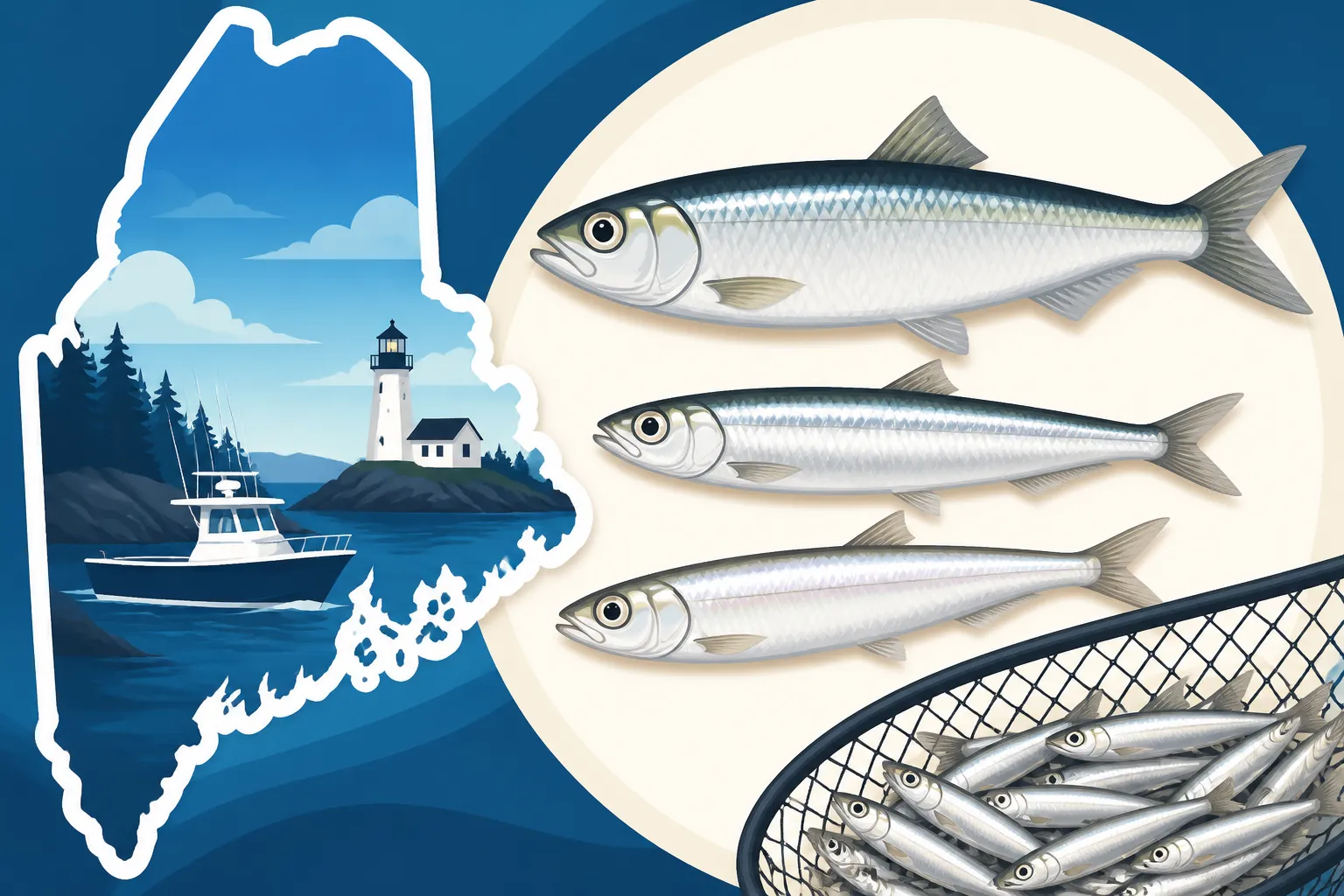
The primary smelt species found in Maine's inland waters is the rainbow smelt (Osmerus mordax). They get their name from the iridescent, almost rainbow-like sheen you can sometimes see on their sides, especially when fresh out of the water. Typically, they range from about 4 to 8 inches in length, though larger specimens can be found. Their bodies are long and slender, with a noticeable adipose fin (that small, fleshy fin between the dorsal fin and the tail fin) which is a characteristic shared with trout and salmon. They have a distinctive, somewhat pointed snout and a relatively large mouth with small, sharp teeth.
One of the most unique characteristics of rainbow smelt, and something anglers often notice when handling them, is their cucumber-like smell. Yes, you read that right! When you catch a fresh smelt, especially during the run, take a moment to smell your hands – you'll often detect a faint, fresh cucumber aroma. This distinctive scent is a dead giveaway. Knowing how to identify smelt properly is crucial, especially if you're out collecting your own bait, as you need to be sure you're adhering to local regulations for baitfish species.
Smelt Spawning and Habitat
Rainbow smelt are primarily coldwater fish, preferring the deeper, cooler waters of Maine's larger lakes for most of the year. They often congregate in schools, suspending in open water or near drop-offs and structural features where they can find food, like zooplankton and insect larvae, and avoid predators. In these deep, dark environments, they become the primary food source for larger fish that also prefer the colder zones.
The most famous aspect of their life cycle, however, is their spawning migration, often referred to as the "smelt run." This incredible event typically occurs in early spring, shortly after ice-out, or even sometimes under the ice on specific bodies of water. Smelt will migrate from the deeper parts of lakes into tributary streams, rivers, or shallow, rocky shoals to lay their eggs. These migrations are often quite dramatic, with vast numbers of smelt pushing upstream, sometimes in such dense schools that the water appears to boil with activity. This is a crucial time for both the smelt, and for the predators who follow them into shallower waters for an easy meal. Maine Smelt Run Timing can vary by location and year, so it's always good to check local conditions.
The Smelt Run Phenomenon
The smelt run is a significant event in many Maine communities, drawing anglers, families, and even wildlife enthusiasts. Historically, it's been a time when people could gather buckets of these delicious little fish for personal consumption or for use as bait. Anglers often brave chilly spring nights, using dip nets, seines, or small fishing rods to harvest smelt as they move into spawning areas. It's a truly communal experience, often involving bonfires, hot coffee, and the shared excitement of the yearly migration.
For game fish, the smelt run is like an all-you-can-eat buffet. Landlocked salmon and lake trout, which have spent the winter in deeper waters, will follow the smelt into these shallower areas, providing exciting opportunities for anglers. Early season trolling in areas near known smelt spawning streams can be incredibly productive, as hungry salmon and togue capitalize on the abundance. Even brook trout in smaller systems that connect to larger lakes will gorge themselves on migrating smelt. Understanding where and when the smelt run occurs in specific lakes is an invaluable piece of local knowledge for any serious angler. What Fish Prey on Smelt in Maine Lakes is a longer read that delves into this phenomenon.
Other Key Baitfish Species in Maine Waters
While smelt get a lot of attention, they are by no means the only important baitfish in Maine's diverse aquatic environments. Many other smaller species play equally vital roles, especially in warmer, shallower waters, providing sustenance for bass, pickerel, and panfish. Diversifying your understanding of baitfish means diversifying your angling approach and increasing your chances of success across various species and habitats.
Common Shiners and Dace
Common shiners are perhaps one of the most widespread and recognizable baitfish in Maine, often found in rivers, streams, and the shallower areas of lakes. They are silvery fish, typically 3 to 6 inches long, with relatively large scales and a somewhat streamlined body. What makes them so appealing to game fish is their flash and active nature. A shiner darting around under a bobber can be incredibly enticing to a hungry smallmouth bass or a lurking chain pickerel.
Dace, on the other hand, are a group of smaller minnow-like fish that are also prevalent in Maine, particularly in cooler streams and rivers. While less commonly used as direct bait than shiners, they are an important natural food source for wild brook trout and other stream-dwelling predators. Species like the blacknose dace or longnose dace are often found in riffles and runs, providing a constant food supply in these moving water environments. Both shiners and dace are hardy little fish, making them excellent choices for live bait applications where durability is key. They are readily available and often relatively easy to catch if you're looking to gather your own bait.
Minnows and Their Diversity
The term "minnow" is often used generically to describe any small fish, but in a biological sense, it refers to a specific family of fish (Cyprinidae) that includes a vast array of species. In Maine, this means you'll encounter various types of true minnows, each contributing to the local ecosystem and serving as a food source. Golden shiners, for example, are a popular choice among anglers due to their bright, reflective scales and active swimming. They can grow larger than common shiners, making them suitable for bigger game fish.
Other minnow species like the fallfish, while capable of growing quite large, are also an important baitfish when young. Young fallfish are often mistaken for large shiners and provide excellent forage. Creek chubs, another minnow relative, are robust and can withstand being on a hook for a long time, making them a favorite for those targeting larger bass or pickerel. The diversity within the minnow family means that different sizes and types are available, allowing anglers to "match the hatch" of baitfish to the size of the predatory fish they're trying to catch.
Juvenile White and Yellow Perch
While white and yellow perch are often considered panfish in their own right, and a delicious meal for anglers, their juveniles play a very significant role as baitfish. When they are young, typically in their first year of life, these small perch are abundant in many of Maine's lakes and ponds. Their schooling behavior and relatively slow swimming speed make them easy targets for larger predators.
Largemouth bass, in particular, are notorious for feeding heavily on juvenile perch. The distinct banding of yellow perch and the silvery profile of white perch make them easily identifiable forage fish. Anglers targeting larger bass will sometimes specifically try to mimic these young perch with lures, or even use small live perch where legal and appropriate. It's a fascinating cycle where a species can be both a target for anglers and a crucial food source for other target species, depending on its age and size.
Regulations and Responsible Baitfish Use
Understanding baitfish isn't just about what they are and where they live; it's also about how we interact with them, legally and ethically. Maine has specific regulations in place regarding the collection, transport, and use of baitfish, and for very good reasons. Ignoring these rules can lead to fines, but more importantly, it can have detrimental effects on our cherished fisheries.
Legalities of Baitfish Collection
In Maine, you absolutely cannot just dip a net into any water body and take baitfish as you please. The state has clear guidelines on what species can be legally harvested for bait, where they can be collected, and what methods are permitted. Generally, many common baitfish species like rainbow smelt, golden shiners, and creek chubs can be collected for personal use. However, there are often length limits, bag limits, and specific gear restrictions (like the size of minnow traps or dip nets) that you need to be aware of. For instance, in some waters, certain species might be protected or their collection entirely prohibited.
The most critical regulation to remember is that baitfish collected from one water body cannot be transported live and used in another water body. This rule is paramount in preventing the spread of aquatic invasive species and fish diseases. Imagine inadvertently introducing a harmful parasite or a competitive invasive species like northern pike or even smallmouth bass (where they are not native) into a pristine wild trout pond because you brought bait from another lake. It's a serious threat to Maine's native fisheries. Always consult the Maine Fishing Regulations Explained guide or the most current regulations provided by the Maine Department of Inland Fisheries and Wildlife (MDIFW) before collecting or using baitfish. There might also be specific rules about How Many Lines Can You Ice Fish With in Maine that impact bait use.
Preventing the Spread of Invasive Species
This point cannot be stressed enough. Invasive aquatic species are one of the biggest threats to Maine's ecosystems. They can outcompete native species for food and habitat, introduce diseases, and drastically alter the balance of an entire fishery. Many of these invasive species, including certain fish, plants, and invertebrates, are accidentally spread by recreational users, including anglers, who unknowingly transport them from one water body to another.
When it comes to baitfish, the risk is particularly high. If you collect bait from a pond that contains a hidden population of invasive species – perhaps a small, unidentifiable juvenile of an undesirable fish, or even microscopic hitchhikers on aquatic vegetation caught in your bait bucket – and then release that water or bait into another lake, you could be the vector for a new invasion. This is why the rule about not transporting live bait from one water body to another is so vital. Always properly dispose of unused bait on dry land, never in or near the water. Clean and dry all your gear, including bait buckets, nets, and boats, thoroughly between fishing trips to different locations. It's a small effort that makes a huge difference in protecting Maine's waters. For more information, check out Invasive Fish Species in Maine Lakes.
Ethical Considerations for Baitfish Use
Beyond the legalities, there are also ethical considerations when using baitfish. Many anglers believe in using baitfish in a way that minimizes stress to the bait and maximizes its effectiveness, while also being humane. This means ensuring your bait is handled gently, kept in well-aerated water at appropriate temperatures, and hooked in a way that allows it to swim naturally while minimizing suffering.
Consider the source of your bait. If you're purchasing live bait, choose reputable bait dealers who follow regulations and practice good husbandry. If you're trapping your own, do so responsibly, taking only what you need and not over-harvesting from a single location. The goal is to sustain healthy populations of both baitfish and the game fish that rely on them. It’s a full-circle responsibility, and being a good steward of the resource means thinking about all parts of the ecosystem, even the smallest links in the chain.
Sourcing and Keeping Baitfish Alive
Whether you're after a monster togue through the ice or casting for bass on a warm summer day, using live baitfish can often be the ticket to success. But getting good bait and keeping it alive and lively is an art form in itself. There’s nothing more frustrating than having a bucket full of sluggish, dying bait, so let's talk about how to keep your little swimming treasures in prime condition.
Trapping Your Own Bait
For many seasoned Maine anglers, trapping your own bait is a rite of passage and a satisfying way to ensure you have fresh, local forage. Minnow traps are commonly used for this purpose. These are typically wire or plastic cages with funnel-shaped openings that allow baitfish to swim in but make it difficult for them to get out. You simply bait the trap with something appealing like bread, crackers, or even a bit of cat food, and set it in a suitable location in a legal water body.
Good spots for setting traps often include shallow, vegetated areas, around docks, or in slow-moving eddies of streams. Check your traps regularly, and always be mindful of state regulations regarding trap size, what baitfish species you can keep, and any harvest limits. Remember, the golden rule: any baitfish you catch must only be used in the water body from which they were harvested. Transporting live bait from one pond to another, even if you caught it yourself, is a big no-no for biosecurity reasons. If you're interested in DIY, How to Trap Live Bait for Ice Fishing can offer some great insights.
Purchasing Live Bait
For those who prefer convenience or don't have access to good bait trapping spots, purchasing live bait from a licensed dealer is the way to go. Maine has numerous bait shops, general stores, and even some larger outdoor retailers that sell live bait. When buying bait, look for healthy, active fish. They should be swimming energetically, not huddled at the bottom or showing signs of stress. Ask the dealer what species they are selling and where they were sourced from, if you're curious.
Buying bait also means you are generally starting with healthy fish that have been handled correctly. Many bait shops use aeration systems and maintain optimal water temperatures, giving you a better chance of keeping them alive longer. Just like with wild-caught bait, once purchased, it is generally recommended to only use that bait in the same water body or system where you purchased it, or at least in a regulated manner that prevents cross-contamination between different watersheds. Always confirm the specific regulations for the water you'll be fishing, especially if you're bringing bait from a different watershed.
Keeping Baitfish Healthy in the Field
Keeping baitfish lively is crucial for attracting game fish. A struggling, half-dead baitfish won't tempt much. The key elements are oxygen, proper water temperature, and clean water.
Here's a quick table to summarize common baitfish and their typical use:
| Baitfish Species | Common Use | Key Characteristics | Important Considerations |
|---|---|---|---|
| Rainbow Smelt | Salmon, Togue, Bass | Iridescent, cucumber scent, schooling | Coldwater preference, spring runs |
| Golden Shiner | Bass, Pickerel, Trout | Silvery-gold, large scales, active | Hardy, good for warm/cool water |
| Common Shiner | Bass, Pickerel, Trout | Silvery, smaller than golden shiner | Adaptable, found in varied habitats |
| Creek Chub | Bass, Pickerel, Trout | Robust, cylindrical body, darker | Very hardy, good staying power on hook |
| Juvenile Perch | Large Bass, Pickerel | Distinctive bands (yellow), silvery (white) | Mimics natural prey, legalities vary |
To maintain oxygen, a good bait bucket with an aerator is invaluable. Battery-powered aerators are available on sites like Amazon and are essential, especially on hot days or long trips. Keep the water temperature stable and as cool as possible; avoid direct sunlight. Adding a frozen water bottle (not ice, which can contain chlorine) to the bait bucket can help regulate temperature without diluting the water or introducing impurities. Finally, change the water periodically if it becomes dirty or if many fish are in the bucket. Using non-chlorinated water, such as tap water that has sat out for 24 hours or lake water from your fishing spot, is best. A healthy baitfish is an effective baitfish! Many anglers find great deals on aerators and bait buckets on Amazon before their trips.
Matching Baitfish to Target Species and Techniques
Understanding which baitfish different game fish prefer, and how to present them effectively, is where the real angling strategy comes into play. It's not just about having bait; it's about having the right bait and knowing how to make it irresistible.
Using Smelt for Salmon and Togue
For landlocked salmon and togue (lake trout), smelt are often the number one choice, especially in the cold, deep lakes they inhabit. These predatory fish are highly adapted to hunting schools of smelt. When targeting salmon, a lively smelt can be trolled behind a downrigger or lead core line, or fished suspended under a bobber in deep water. For togue, which often hug the bottom or relate to structure, a smelt fished on a jig or a weighted line, dropped directly into their zone, can be incredibly effective.
The presentation needs to be natural. A frisky smelt, hooked lightly through the back or lips, swimming freely, is often the most enticing. On a boat, try slow trolling with a single hook rig, allowing the smelt to move as naturally as possible. When ice fishing, a smelt suspended from a tip-up or jigged gently can mimic a wounded baitfish, signaling an easy meal. Remember, salmon and togue are apex predators; they're looking for an efficient meal, and a struggling smelt definitely fits the bill. For more details, explore Best Bait for Landlocked Salmon and Best Bait for Togue.
Shiners and Minnows for Bass and Pickerel
When it comes to smallmouth bass, largemouth bass, and chain pickerel, shiners and a variety of minnows are often preferred. These fish typically inhabit shallower, warmer, and often more vegetated waters than salmon and togue. Shiners, with their bright flash and active nature, are fantastic for drawing attention. A golden shiner suspended under a float near lily pads or a submerged log is classic bass fishing.
For pickerel, which are ambush predators with a voracious appetite, a larger minnow or shiner can be irresistible. They often strike with aggressive force, so a sturdy hook and leader are advised. When fishing with minnows for bass or pickerel, consider using a slip bobber rig to allow for precise depth control, or simply slow-retrieve a lightly weighted minnow through promising cover. Best Bait for Smallmouth Bass in Maine dives deeper into effective techniques for these feisty fighters. A quality bait bucket from Amazon can help keep your shiners spry all day.
Practical Tips for Baitfish Presentation
Presenting your baitfish correctly can make all the difference. Here are a few universal tips:
- Hooking: Hooking baitfish through the lips allows them to swim naturally and keeps them alive longer. If you're still-fishing, a light dorsal hook can also work, but be gentle to avoid damaging their spine.
- Leader: Use a fluorocarbon leader for stealth, especially in clear water. For toothy critters like pickerel, a short wire leader is essential to prevent bite-offs.
- Weighting: Use just enough weight to get your bait to the desired depth and keep it there. Too much weight can impede the baitfish's natural movement. Split shots or small sliding sinkers are usually sufficient.
- Aeration: As mentioned before, a good aerator is non-negotiable for live bait. Keep that water oxygenated, and your bait will stay lively. You can find excellent portable aerators on Amazon to keep your bait bucket bubbling.
- Movement: Pay attention to how your bait is behaving. If it's sluggish, it might be dying or stressed. A lively baitfish is your best advertisement to a predatory fish. Sometimes a gentle jigging motion or a slow retrieve can make a lethargic bait more enticing.
Experimentation is key! Different days, different waters, and different fish can respond to subtle changes in baitfish size, species, or presentation. Becoming proficient with baitfish is a rewarding part of Maine fishing, adding another layer of skill and understanding to your angling repertoire. Whether you're using them as Best Bait for Maine Ice Fishing or for summer trolling, they are a powerful tool in your tackle box.
Disclaimer
This article is for general informational purposes only and does not constitute professional advice. Laws, prices and regulations vary by location and change over time. Consult a qualified professional for guidance on your specific situation.