Yellow Perch Fishing in Maine
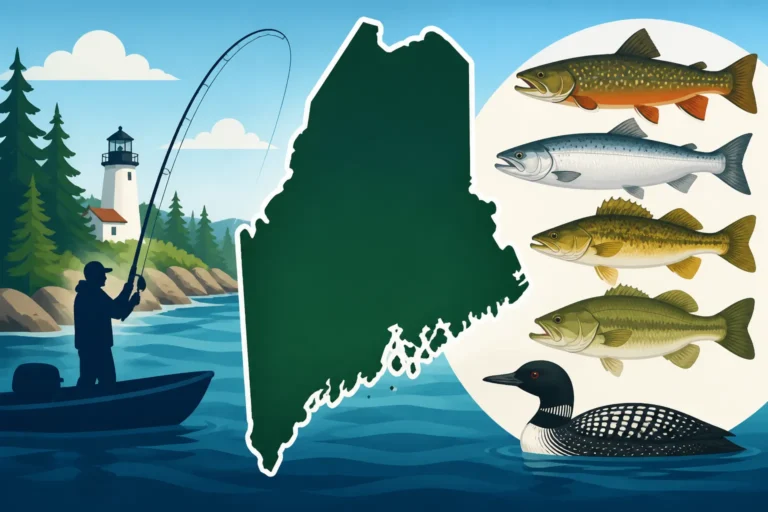
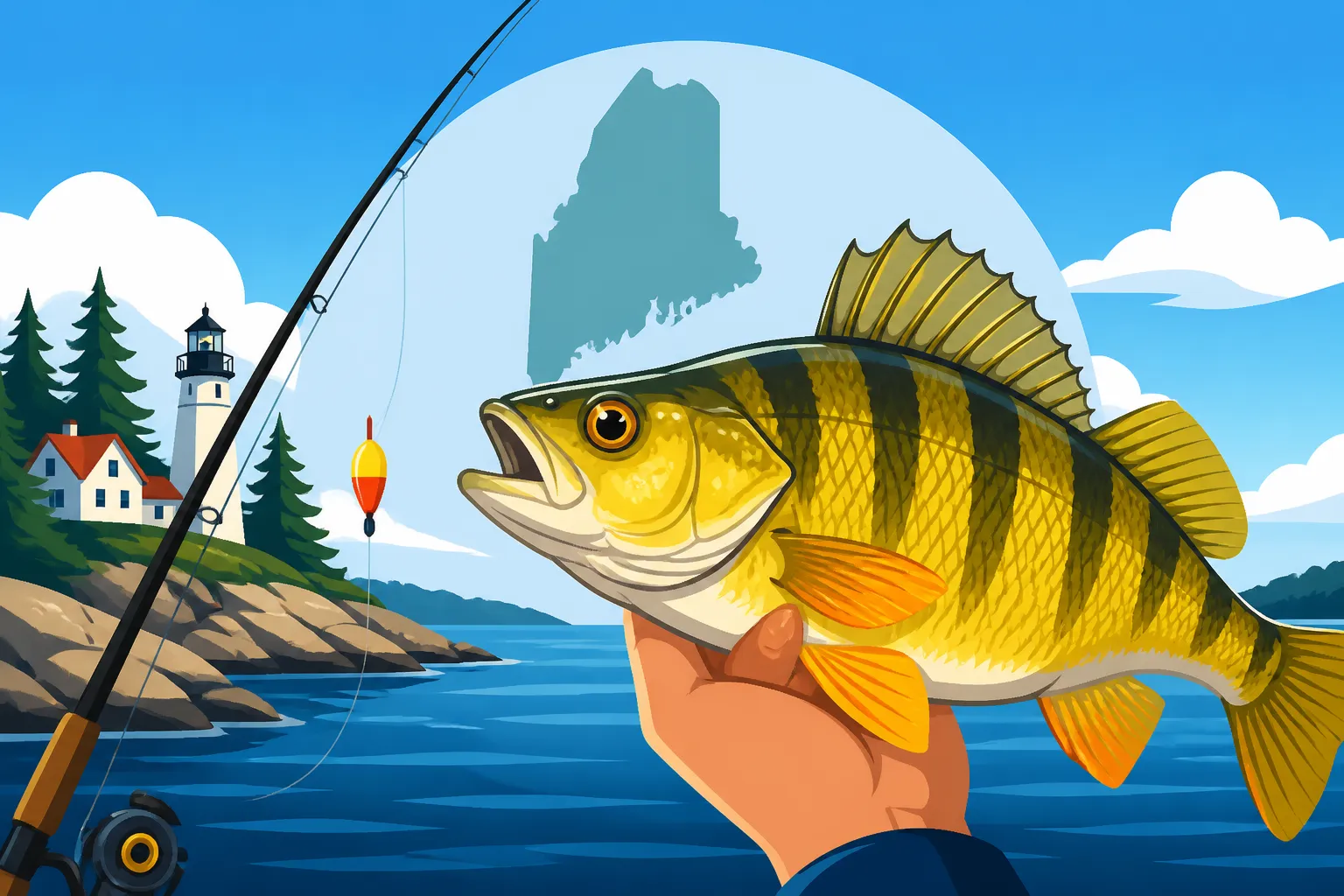
It's easy to get caught up chasing the "trophy" fish here in Maine – those big landlocked salmon, powerful striped bass, or elusive brook trout. But let me tell you, if you're overlooking the humble yellow perch, you're missing out on some seriously fun, accessible, and delicious fishing right across our beautiful state. This guide is all about giving this underrated panfish the attention it deserves, helping you discover the joy of yellow perch fishing, whether you're a seasoned angler or just starting out.
Why Yellow Perch Are a Mainer's Best Friend on the Water
Let's be honest, yellow perch sometimes get a bad rap, often considered a "kid's fish" or just bait for bigger predators. But I'm here to tell you that's a mistake! These feisty little fish are a blast to catch, put up a surprisingly good fight on light tackle, and are absolutely fantastic on the dinner plate. They’re also incredibly abundant, which means more action for you, and isn't that what it's all about?
Accessible Fun for All Ages and Skill Levels
One of the greatest joys of yellow perch fishing is just how accessible it is. You don't need a fancy boat or expensive gear to get into them. Many of Maine's lakes, ponds, and even larger rivers are teeming with yellow perch, often right off public docks, shorelines, or easily reachable spots. This makes them perfect for introducing kids to fishing, or for those days when you just want to relax and feel a tug on your line without the pressure of chasing a trophy.
I've spent countless afternoons with my grandkids, dropping a worm from a simple bobber rig, and watching their faces light up as they reel in a bright yellow perch. It’s a low-stress, high-reward kind of fishing that builds confidence and creates lasting memories. Plus, when other species might be finicky, perch are often willing biters, ensuring you rarely come home empty-handed.
Abundance Means More Action
Unlike some of our more sensitive or tightly regulated species, yellow perch are generally abundant in Maine's waters. This isn't just good news for your catch rate; it's a testament to their adaptability. They thrive in a variety of environments, from shallow weedy bays to deeper, open water, and they reproduce prolifically. This means that even on a slow day for other species, you can often count on the perch to provide consistent action.
Their widespread presence means you don't have to travel to remote wilderness areas to find them. Many of our local, easily accessible waters hold healthy populations, offering a convenient fishing option close to home. This abundance is a gift, providing opportunities for anglers to hone their skills and simply enjoy the act of fishing.
Where to Find Yellow Perch in Maine's Diverse Waters
Yellow perch are true generalists when it comes to habitat, which is great news for anglers across Maine. You're likely to find them in almost any freshwater body, from small farm ponds to our biggest lakes. Understanding their preferred hangouts will significantly boost your success rate.
Identifying Productive Habitats
Yellow perch love structure, and they love food. These two preferences often go hand-in-hand. Look for areas with aquatic vegetation, fallen trees, docks, rock piles, or sharp drop-offs. These spots offer cover from predators and ambush points for their prey – primarily insects, small minnows, and crustaceans. In the spring and fall, they might be found shallower, but as water temperatures rise in summer, they often retreat to cooler, deeper water, especially during the brightest parts of the day.
Think about the margins of lakes and ponds – where the weeds meet open water, or where a sandy bottom transitions to rocky structure. These "edge" areas are often feeding highways for perch. Even subtle changes in depth or bottom composition can hold a school of perch. If you're on a new body of water, start by fishing around any visible structure and then explore further using a fish finder if you have one. You might be surprised at how many of our smaller, less-pressured ponds hold excellent populations of perch, offering a peaceful alternative to the bustling bigger lakes.
Notable Maine Waters for Yellow Perch
While yellow perch are widespread, some waters are particularly known for their robust populations or for producing larger-than-average fish. Many of the Belgrade Lakes, for example, are fantastic for perch. Lakes like Great Pond and Long Pond offer extensive shallow, weedy areas that perch absolutely adore, alongside deeper sections where the bigger ones can lurk. Sebago Lake, while famous for its landlocked salmon, also has a thriving perch population, especially in its shallower bays and around its many islands.
Even popular spots like China Lake near Augusta or Cobbosseecontee Lake are known to hold good numbers of perch. Don't overlook the smaller, unnamed ponds you might find on a map or by asking around at local bait shops. Sometimes these hidden gems offer the most productive and peaceful perch fishing experiences. Remember, local knowledge is golden! Always check the Maine Fishing Regulations Explained for any specific rules pertaining to a particular body of water you plan to visit, as some waters might have unique regulations.
Best Times to Fish for Yellow Perch
Knowing when to fish can be just as important as knowing where. Yellow perch are generally cooperative throughout the open water and ice fishing seasons in Maine, but there are definitely peak times that can lead to more consistent action and bigger catches.
Seasonal Opportunities: Spring, Summer, Fall, and Winter
Yellow perch offer excellent year-round opportunities in Maine.
- Spring: As the ice melts and waters begin to warm, perch become very active, moving into shallower waters to spawn. This pre-spawn and spawn period, typically from April to May, can be incredibly productive. They're hungry and aggressive, making them easy targets. Look for them around emergent vegetation and muddy bottoms where they lay their distinctive ribbon-like egg masses. This is a fantastic time for shore fishing or using small boats in shallow coves.
- Summer: In the heat of summer, perch often move to deeper, cooler waters during the day, especially the larger ones. They'll relate to structure like humps, drop-offs, and deep weed lines. Early morning and late evening are prime times, as they'll move shallower to feed. During midday, you might need to target them with vertical jigging in 15-30 feet of water.
- Fall: As water temperatures cool down, perch once again become very active, feeding heavily in preparation for winter. They can often be found shallower again, similar to spring, grouping up in large schools. This is a great time to cover water and find those massive schools before the ice sets in.
- Winter (Ice Fishing): Yellow perch are one of Maine's ice fishing superstars! They remain active under the ice, often schooling in large numbers. Targeting them through the ice with jigging rods and tip-ups is a beloved winter pastime. They're often found over mud flats, near deep weed lines, or along underwater contours. For more on winter fishing, check out our Maine Ice Fishing Techniques Guide.
Daily Activity Patterns
Like many fish, yellow perch have peak feeding times that coincide with lower light conditions.
- Dawn and Dusk: Early morning and late evening are almost always prime times for perch, especially during the warmer months. The reduced light gives them an advantage over their prey and provides cover from larger predators. During these periods, they'll often move into shallower water to feed.
- Overcast Days: Overcast or cloudy days can extend the peak feeding window, as the diffused light encourages perch to remain active longer in shallower areas than they would on bright, sunny days.
- Midday (Warm Months): On bright, hot summer days, perch will typically move to deeper, cooler water. This doesn't mean you can't catch them, but you'll need to adjust your tactics. Look for them concentrated around submerged structure, deep weed beds, or along thermal clines where cooler water meets warmer layers. Vertical jigging directly over these schools can be very effective.
Understanding these daily and seasonal patterns will significantly increase your chances of a successful perch outing.
Effective Techniques and Gear for Yellow Perch
Catching yellow perch doesn't require specialized, expensive gear, which is another reason they are such a great target for anglers of all stripes. Simple and effective usually wins the day.
Best Baits and Lures
Yellow perch are opportunistic feeders, so you have a lot of options when it comes to what to put on your hook.
- Live Bait: This is often the most effective choice.
- Worms: Nightcrawlers or smaller garden worms are classic perch bait. Just a small piece on a hook is often all it takes.
- Minnows: Small shiners or fathead minnows are deadly, especially for larger perch. You can fish them lively under a bobber or on a small jig head.
- Grubs/Larvae: Wax worms, mealworms, and other small insect larvae are irresistible to perch, particularly through the ice.
- Artificial Lures:
- Small Jigs: Tiny jigs, often 1/32 to 1/8 ounce, tipped with a small plastic grub, tube jig, or even a piece of worm, are incredibly effective. Colors like chartreuse, white, orange, and black are popular. You can find a wide variety of these small jigs on Amazon, perfect for experimenting with different styles.
- Blade Baits: Small vibrating blade baits can call in perch from a distance and trigger aggressive strikes.
- Small Spoons: Tiny Kastmasters, Little Cleos, or other small jigging spoons, often in silver or gold, work well, especially when jigged vertically.
- Soft Plastics: Micro-sized soft plastics designed for panfish, resembling insects or tiny minnows, are also very productive.
It's often a good idea to experiment with both bait and lures until you find what the perch are keying in on that particular day. Sometimes they want something subtle, other times they're aggressive.
Tackle Recommendations
You don't need heavy-duty gear for yellow perch. Light tackle is not only sufficient but also makes catching them a lot more fun!
- Rods and Reels: An ultralight or light action spinning rod, typically 5 to 6.5 feet long, paired with a small spinning reel (500-1000 size) spooled with 2-4 pound test monofilament or fluorocarbon line, is ideal. This setup allows for sensitive feel, delicate presentations, and maximizes the fight of even a modest perch. For ice fishing, a sensitive ultralight jigging rod is perfect.
- Hooks: Small hooks are key. Size 6, 8, or even 10 Aberdeen or baitholder hooks are typically appropriate for live bait. Aberdeen hooks are thin-wired, which helps them bend out if snagged, saving your line.
- Bobbers: A small slip bobber or clip-on bobber is invaluable for suspending your bait at the desired depth, especially when fishing near structure or over weeds. Watching that bobber dip is half the fun!
- Sinkers: A few small split-shot sinkers will help get your bait down to the desired depth. You can easily stock up on essentials like hooks, weights, and bobbers from Amazon before your next trip.
- Line: As mentioned, 2-4 pound test line is standard. Fluorocarbon leader can be a good idea in clear water, as it's nearly invisible to fish.
Yellow Perch as Table Fare
If you've never eaten yellow perch, you are truly missing out. These fish are renowned for their delicate, flaky, white meat and mild flavor, making them one of the best-eating freshwater fish in Maine, hands down.
Cleaning and Filleting Your Catch
Cleaning perch is relatively straightforward, but having the right tools makes a difference. A sharp fillet knife with a flexible blade is essential. Many anglers choose to scale and gut perch, then cook them whole, especially the smaller ones. For larger perch, filleting them provides boneless portions perfect for frying.
Here’s a basic approach for filleting:
- Scale: Use a fish scaler or the back of your knife to remove scales under running water.
- Head & Gut: Make a cut behind the gills, down to the spine, but don't cut through. Cut along the belly from the vent to the head, open it up, and remove the entrails.
- Fillet: Lay the fish flat. Starting from the cut behind the gills, slide your fillet knife along the backbone towards the tail, keeping the blade close to the bone to remove one side of the fillet. Flip the fish and repeat for the other side.
- Skin: Lay the fillet skin-side down. Starting from the tail end, hold the skin firmly and slide your knife between the skin and the meat at a slight downward angle, separating the fillet from the skin.
Practice makes perfect! You'll be amazed at how quickly you can clean a bucket full of perch once you get the hang of it. Just be sure to properly dispose of your fish waste; most anglers either bury it deep in the woods or take it home for responsible disposal.
Simple and Delicious Cooking Methods
The mild flavor of yellow perch lends itself well to many cooking methods, but frying is by far the most popular and, in my opinion, the absolute best.
- Classic Fried Perch: Dredge your fillets in seasoned flour (salt, pepper, garlic powder, paprika are good starters), then dip in an egg wash, and finally coat with breadcrumbs or a cornmeal mixture. Fry in hot oil (vegetable, canola, or peanut) at about 350-375°F until golden brown and flaky, usually just 2-3 minutes per side. Serve immediately with lemon wedges and tartar sauce. This is pure comfort food, especially after a long day on the water.
- Pan-Seared: For a lighter option, pan-sear the fillets in a little butter or olive oil. Season with salt, pepper, and fresh herbs like dill or parsley. Cook until opaque and flaky.
- Baking/Broiling: Perch fillets can also be baked or broiled. Place them on a baking sheet, drizzle with olive oil, sprinkle with seasonings, and bake at 400°F for 10-15 minutes, or broil until cooked through. This method is fantastic for meal prep or when you're looking for a healthier alternative to frying.
No matter how you prepare them, freshly caught yellow perch are a culinary delight that makes the effort of fishing all the more rewarding. Before you plan your next fishing and dining experience, it's always wise to consult the Maine Fish Consumption Advisory for Mercury to ensure you're making informed choices about eating your catch.
Conservation and Responsible Angling
While yellow perch are abundant, responsible angling practices are always important to ensure healthy fish populations for future generations of Mainers. We want these feisty fish to be around for a long time!
Understanding Bag Limits and Regulations
In Maine, yellow perch are generally considered a "general law" species, meaning they fall under the statewide regulations for most lakes and ponds. Typically, there are no length limits and generous daily bag limits, often 100 fish per day in aggregate with white perch. However, it is absolutely critical to always double-check the current Maine Fishing Regulations Explained for the specific body of water you are fishing. Maine has a vast array of lakes and ponds, and some might have special regulations that differ from the general law.
Understanding and adhering to these rules not only keeps you compliant with the law but also plays a vital role in maintaining ecological balance. It's our shared responsibility as anglers to know and follow the rules to protect our cherished aquatic resources.
Ethical Angling Practices
Beyond legal limits, adopting ethical angling practices ensures a sustainable and respectful fishing experience.
- Catch and Release (When Appropriate): While perch are great eating, if you've already caught enough for a meal, or if you're targeting larger specimens for sport, practicing catch and release is excellent. Handle fish gently with wet hands, minimize their time out of water, and revive them properly before release. For more on this, check out Catch and Release Best Practices in Maine.
- Don't Waste Your Catch: If you keep fish, make sure you intend to eat them. Don't keep more than you can reasonably consume or properly store.
- Dispose of Waste Properly: Take all your trash, including old fishing line, bait containers, and food wrappers, with you. Proper disposal of fish carcasses and entrails is also important; never leave them on shore or in shallow water where they can attract scavengers or foul the water.
- Prevent Invasive Species: Be diligent about cleaning your boat, trailer, and fishing gear, especially when moving between different bodies of water. This helps prevent the spread of aquatic invasive species, which can devastate native fish populations and habitats.
By embracing these conservation-minded approaches, we can all contribute to keeping Maine's yellow perch fisheries healthy and vibrant for years to come. Fishing for yellow perch is more than just catching fish; it's about enjoying the outdoors, connecting with nature, and acting as stewards of our beautiful Maine waters.
Disclaimer
This article is for general informational purposes only and does not constitute professional advice. Laws, prices and regulations vary by location and change over time. Consult a qualified professional for guidance on your specific situation.