Do Sea-Run Brook Trout Exist in Maine?
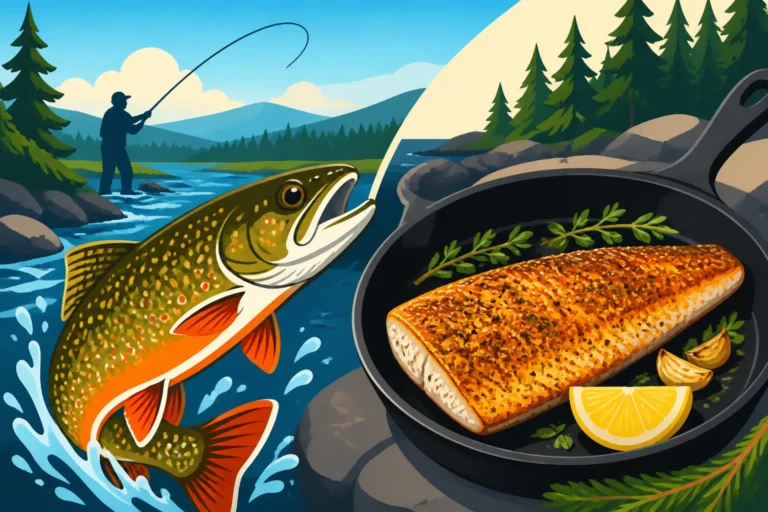
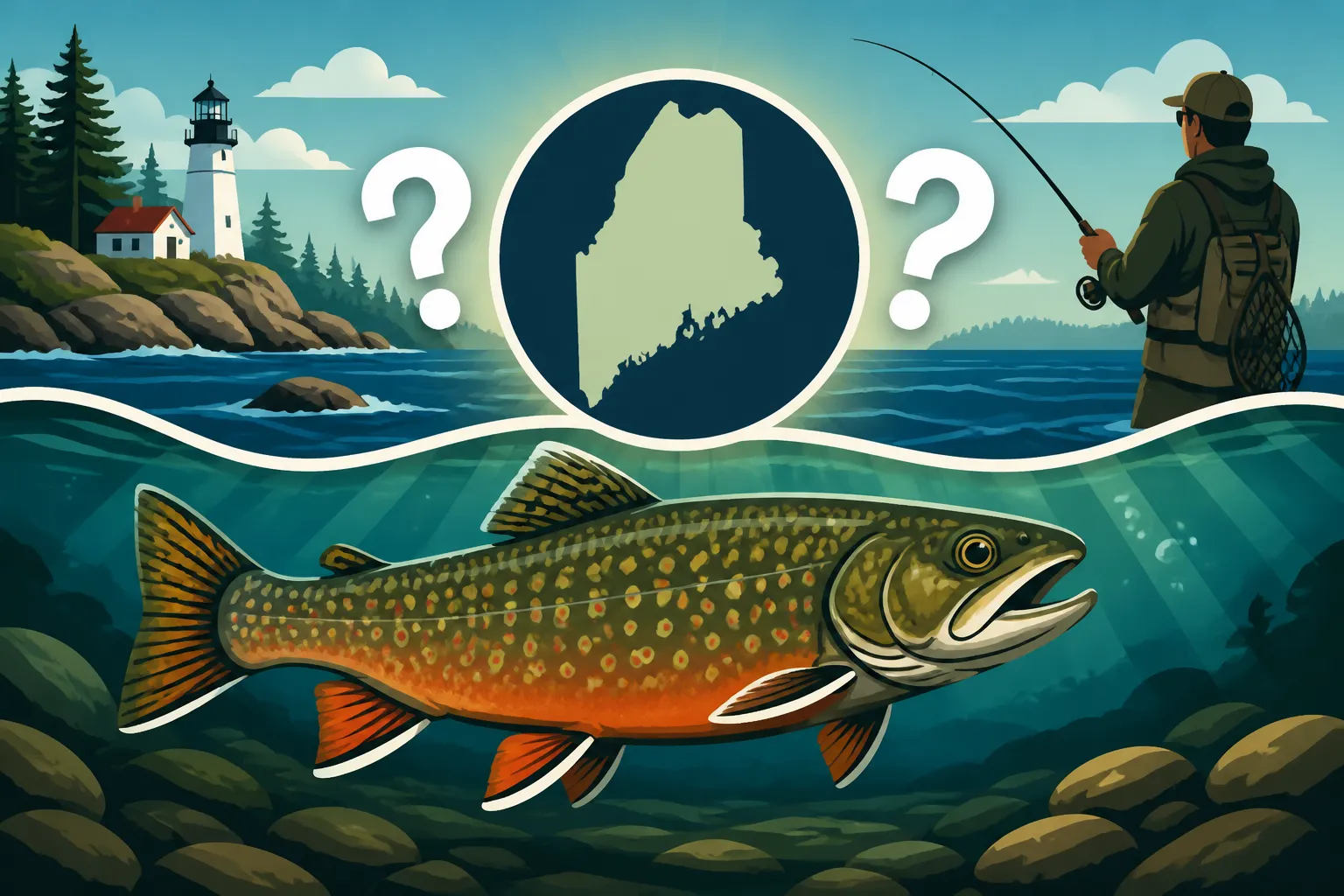
For many anglers, the thought of catching a brook trout conjures images of sparkling freshwater streams and hidden ponds deep in the Maine woods. But there's a whispered legend among the fishing community—a truly magnificent, often larger, and incredibly elusive cousin: the sea-run brook trout, affectionately known as a "salter." It’s a bit of a mystery, isn't it? Do these incredible fish truly exist in our coastal waters, or are they just a whispered dream? This guide is here to shed light on that very question, diving deep into the world of Maine's salters, exploring their unique biology, where they might be found, and how you might just be lucky enough to encounter one.
Understanding the Elusive Salter Brook Trout
The term "sea-run brook trout" stirs a sense of wonder, evoking images of wild fish braving the ocean's salt and returning to their freshwater sanctuaries. While not as widely known as anadromous species like Atlantic salmon, these brook trout exhibit a fascinating migratory pattern that makes them incredibly special to Maine's angling heritage. They are a testament to the resilience of nature and the unique ecological diversity of our coast.
What Exactly is a Sea-Run Brook Trout?
A sea-run brook trout, or "salter," is essentially the same species as the brook trout found in freshwater lakes and streams ( Salvelinus fontinalis ). The key difference lies in its behavior: a salter undertakes a seasonal migration from its natal freshwater stream or river out into brackish estuaries or even the nearshore ocean before returning to freshwater to spawn. This isn't a true anadromous migration like a salmon or striped bass that spends most of its life in the ocean and only comes into freshwater to spawn. Instead, brook trout are generally considered diadromous, specifically amphidromous or potamodromous, meaning they can move between fresh and saltwater but not necessarily for a strict feeding or spawning cycle tied solely to marine waters.
Their willingness to venture into saltwater is often driven by a quest for richer feeding grounds, which allows them to grow significantly larger than their strictly freshwater counterparts. Imagine a brook trout, typically a foot long, suddenly doubling or tripling in size after spending time feasting in the nutrient-rich coastal environment. This enhanced growth, combined with the physiological changes needed to adapt to saltwater, makes them truly remarkable. When they return to freshwater, especially for spawning, they regain their vibrant colors, but while in saltwater, their scales often take on a much more silver, almost chrome, appearance, making them even more distinct and beautiful.
Why Are They So Rare and Special in Maine?
The rarity of sea-run brook trout in Maine is a story of specific habitat requirements, historical impacts, and ongoing conservation challenges. Unlike many other states, Maine still boasts significant stretches of wild, pristine coastline and undeveloped watersheds, providing pockets where these unique fish can persist. However, they need a very specific set of conditions to thrive.
First and foremost, salters require direct, unimpeded access between cold, clean freshwater streams and the adjacent marine environment. This means no dams, no impassable culverts, and minimal pollution that could degrade either their freshwater spawning and rearing habitats or the brackish estuaries they utilize for feeding. Many of Maine's coastal streams and rivers, historically prime salter habitat, have been altered by human development over centuries. Logging practices, agricultural runoff, and the construction of roads and bridges have all contributed to habitat degradation and fragmentation.
Furthermore, these fish are incredibly sensitive to water quality and temperature. They need consistently cold water, especially in their freshwater phases, which is why they are often found in the northern and eastern parts of the state where coastal development is less intense and stream temperatures remain lower. Their presence is often considered a strong indicator of a healthy, intact coastal ecosystem. The fight to protect and restore these dwindling populations involves efforts to remove old dams, replace restrictive culverts, and conserve riparian zones, ensuring these remarkable fish have a future. They are a true gem, a living connection to Maine's wild past, and catching one is often a once-in-a-lifetime experience for even the most seasoned angler.
Where to Find Maine's Sea-Run Brook Trout Habitats
If you're dreaming of encountering a salter, knowing where to look is half the battle. These fish aren't found in just any coastal waterway; they are tied to very specific, often subtle, stretches of water that connect the mountains to the sea. It's about understanding their needs and finding those rare places where those needs are met.
Coastal Rivers and Estuaries: The Prime Real Estate
When you picture where a sea-run brook trout might live, don't think of vast, sprawling estuaries like some of the larger tidal rivers. Instead, imagine small, intimate, and incredibly cold-water streams that flow directly into the ocean or a short, unpolluted tidal marsh. These are the sweet spots. These aren't the Best Fishing Lakes in Maine for your typical trout or salmon. We're talking about very localized systems, often found in less developed areas, particularly along the Downeast and Midcoast regions of Maine.
Picture a small stream, perhaps only a few feet wide, tumbling down through a wooded area, then broadening slightly as it enters a salt marsh before mingling with the ocean's tides. These are the kinds of places where salters make their homes. The freshwater portion needs to have classic brook trout characteristics: gravelly bottoms for spawning, plenty of woody debris for cover, and consistent cold temperatures. The estuary part must offer a gradual salinity gradient, allowing the fish to acclimate to changing salt levels, and crucially, an abundance of food sources like crustaceans, marine worms, and baitfish. It's often the smaller, less disturbed watersheds that hold the most promise, places where human impact has been minimal and nature still reigns supreme. Finding these spots often involves a bit of local knowledge, keen observation, and perhaps a good topographical map to identify those direct freshwater-to-saltwater connections.
Identifying Key Environmental Factors
Successfully locating potential salter habitats involves becoming a bit of a detective, looking for specific environmental cues that these sensitive fish demand. It's more than just "water meets ocean"; it's about the quality and specific characteristics of that meeting point.
One of the most critical factors is water temperature. Brook trout, whether freshwater or sea-run, are cold-water species. They need consistently cool water to thrive and reproduce. This is especially true for their freshwater spawning and rearing habitats. Look for streams fed by cold groundwater springs, shaded by dense riparian vegetation, which helps maintain lower temperatures even during warmer months. Any signs of thermal pollution or streams that warm up too much in summer are usually red flags for salter presence.
Secondly, the salinity gradients of the estuary are vital. Salters don't just jump from pure fresh to pure salt water. They need a transitional zone, a brackish environment where they can gradually adjust their physiology. This is why healthy salt marshes and tidal creeks are so important. They provide this gradient and are often teeming with the marine invertebrates and smaller fish that become crucial food sources for the trout once they venture out.
Finally, unimpeded passage is non-negotiable. Even a small, aging culvert that's perched too high, or a low-head dam that might seem insignificant, can be a complete barrier to these fish trying to move between fresh and saltwater. Conservation efforts often focus on identifying and remediating these blockages to reconnect critical habitats. If you see signs of active habitat restoration, such as new, fish-friendly culverts or dam removal projects, those areas might become hot spots for salter activity in the coming years. Understanding these factors will help you narrow down your search and appreciate the delicate balance these fish rely on.
Strategies for Targeting Maine's Salters
Catching a sea-run brook trout is often more about being in the right place at the right time, with the right approach, than sheer angling skill. These fish are finicky, wary, and, as we've discussed, quite rare. But for those dedicated enough to pursue them, the reward is truly unforgettable.
Best Times and Tides for Salter Fishing
Timing is everything when it comes to salters. Their movements are highly influenced by both the seasons and the daily tidal cycles, making a full Maine Fishing Season Calendar a valuable resource. Generally, the spring and fall are considered the prime seasons for targeting sea-run brook trout.
In the spring, as ice recedes and water temperatures begin to rise slightly, salters that overwintered in freshwater might make their initial forays into the estuaries to feed, taking advantage of the burgeoning marine food sources. This period, often from late April through May, can offer excellent opportunities.
Fall is arguably the most consistent and exciting time. As temperatures cool and the urge to spawn grows stronger, salters migrate back into their natal freshwater streams. This movement typically begins in September and can extend through October, peaking as the fish prepare to reproduce. During this time, they are often at their most vibrant, having packed on size and color from their summer in the salt. Maine Fall Fishing Guide can offer broader insights into the season's opportunities.
On a daily basis, tides play a crucial role. Many experienced salter anglers find that the hours around incoming and high tide are particularly productive. The rising tide pushes brackish water further up into the estuaries and lower reaches of the freshwater streams, bringing with it food and often encouraging the fish to move into new areas. Similarly, the first stages of the outgoing tide can also be good, as fish might drop back into deeper pockets or stage in predictable spots. Fishing during these periods, especially in the early morning or late evening, when light is low and fish are less wary, can significantly increase your chances.
Gear and Techniques for Sea-Run Brook Trout
When it comes to gear for sea-run brook trout, subtlety and precision are your friends. These fish can be incredibly skittish, especially in the clearer, shallower waters of coastal streams.
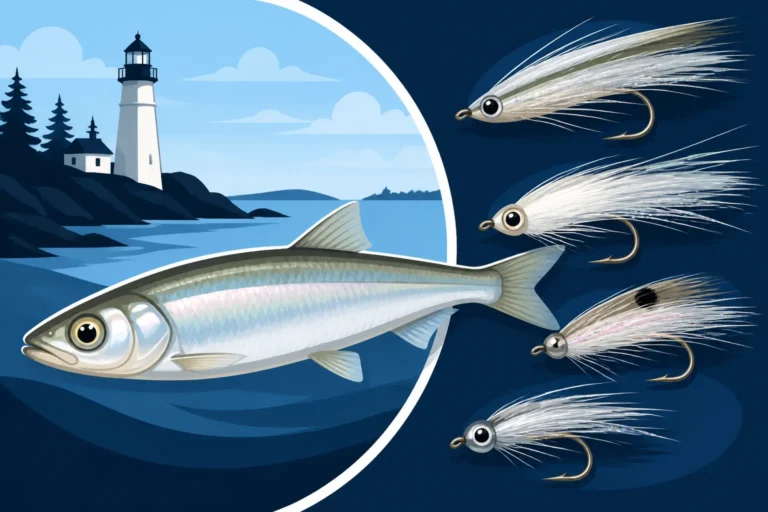
For fly fishing, a light 3- or 4-weight rod with a floating line is generally ideal. You'll want delicate presentations. Effective flies often mimic baitfish, crustaceans, or even terrestrial insects. Think small streamer patterns like Grey Ghosts, Clouser Minnows, or Lefty's Deceivers in muted colors that imitate smelt or small shrimp. For a more technical approach, nymphing techniques with small stonefly or caddis patterns can also be effective, especially if the fish are holding in deeper pools in the freshwater sections. Dry flies can work on rising fish, but salters are often found deeper, closer to the bottom. If you’re just getting into it, check out Fly Fishing Techniques for Maine Rivers for foundational knowledge.
If you prefer spin fishing, ultra-light tackle is the way to go. A light rod, a small spinning reel, and thin monofilament or fluorocarbon line (4-6 lb test) will allow for delicate casts and a good feel for subtle bites. Small spoons (like Phoebe or Kastmaster), tiny spinners (Mepps Aglias, Panther Martins), or small jigs tipped with a piece of worm or scented soft plastic can be very effective. Lures that imitate small baitfish, such as those that might be found in coastal estuaries, are usually a good bet. When buying new lures or even a new fly box, platforms like Amazon often have a huge selection, allowing you to compare different brands and styles to find exactly what you need.
Regardless of your chosen method, stealth is paramount. Wading slowly, keeping a low profile, and making accurate, gentle casts will improve your odds. Remember, these are wild fish in often very clear water, and they spook easily. Focus on fishing structure – fallen trees, undercut banks, current seams, and any transition zones where fresh and saltwater mix.
Table: Freshwater Brook Trout vs. Sea-Run Brook Trout (Salter)
| Feature | Typical Freshwater Brook Trout | Sea-Run Brook Trout (Salter) |
|---|---|---|
| Size | Generally smaller, 6-12 inches (trophy >15 inches) | Often larger, 12-20+ inches (can be significantly heavier) |
| Coloration | Darker, vibrant olive-green to black mottling, red spots with blue halos, white leading edges on fins. | More silvery/chromey sheen on flanks, less prominent spots when in saltwater. Colors deepen upon return to freshwater. |
| Habitat Focus | Cold, clear, oxygenated lakes, ponds, rivers, and streams. Stays entirely in freshwater. | Spawns in cold freshwater streams, migrates to brackish estuaries and nearshore ocean for feeding, then returns to freshwater. |
| Diet | Insects (aquatic and terrestrial), small fish, crayfish. | Similar freshwater diet; adds marine invertebrates (shrimp, crabs), small baitfish (smelt, silversides) when in salt. |
| Rarity | Common throughout suitable Maine freshwater habitats. | Rare, found only in specific, pristine coastal watersheds with unimpeded access to the ocean. |
| Fighting Style | Strong, spirited fight for its size. | Often a more powerful, sustained fight due to larger size and strength gained from marine feeding. |
Conservation and the Future of Sea-Run Brook Trout
The very existence of sea-run brook trout in Maine is a delicate balance, a testament to the wildness that still exists in our state. However, their future is far from guaranteed. These fish face an array of threats, and their continued survival relies heavily on dedicated conservation efforts and the responsible actions of anglers like us.
Current Status and Research Efforts
Maine is one of the last strongholds for wild brook trout in the eastern United States, and that includes our unique sea-run populations. The Maine Department of Inland Fisheries and Wildlife (MDIFW) and various conservation organizations are actively working to understand and protect these fish. This often involves extensive habitat surveys to identify remaining salter strongholds, genetic studies to determine distinct populations, and monitoring efforts to track their movements and population health.
Researchers often rely on angler reports, though due to their rarity, even a single confirmed sighting or catch can be incredibly valuable data. These efforts are crucial because the presence of sea-run brook trout indicates a truly healthy ecosystem, one where freshwater and saltwater environments are still clean and connected. They are, in essence, a bellwether for the overall health of our coastal watersheds. The challenges are significant, ranging from changing climate patterns that affect water temperatures to continued pressure from coastal development and pollution. Understanding these complex interactions is the first step in ensuring these magnificent fish have a future.
Angler's Role in Protecting These Unique Fish
As anglers, we have a vital role to play in the conservation of sea-run brook trout. Our actions, both on and off the water, can make a significant difference in their survival.
First and foremost, if you are fortunate enough to catch a salter, practice responsible catch and release. These fish are precious, and returning them unharmed to the water is critical for their population health. Familiarize yourself with Catch and Release Best Practices in Maine. This means minimizing handling time, keeping the fish in the water as much as possible, using barbless hooks, and avoiding contact with dry hands or surfaces. Take a quick photo if you must, but prioritize the fish's well-being above all else.
Secondly, respect sensitive habitats. These coastal streams and estuaries are often fragile ecosystems. Avoid disturbing spawning beds, minimize your footprint on stream banks, and pack out everything you pack in. If you're exploring new areas, do so with a sense of stewardship. Additionally, make sure you understand and adhere to all Maine Fishing Regulations Explained, including any specific rules for the waters you are fishing, as some sensitive areas may have special restrictions or be designated as catch-and-release only.
Finally, advocacy and education are powerful tools. Support local conservation groups working on habitat restoration projects, especially those focused on dam removal and culvert improvements. Learn more about What Is a Salter Brook Trout? and share that knowledge with others. By raising awareness about the unique challenges faced by sea-run brook trout, we can help ensure that future generations of anglers will also have the chance to dream of, and perhaps even encounter, one of Maine's most extraordinary fish. Your purchases of fishing gear, whether from a local tackle shop or through online retailers like Amazon, can also help fund these efforts if you choose brands that are committed to conservation.
Disclaimer
This article is for general informational purposes only and does not constitute professional advice. Laws, prices and regulations vary by location and change over time. Consult a qualified professional for guidance on your specific situation.