Brown Trout Fishing in Maine
Brown trout are a fascinating species, but for many anglers new to Maine, they can feel a bit elusive. You might hear whispers of big browns being caught in certain spots, but pinpointing where and how to target these often-skittish fish can be a real challenge, especially when other popular species like brook trout and salmon steal the spotlight. This comprehensive guide is here to shed light on everything you need to know about pursuing brown trout in the Pine Tree State, from identifying them to mastering the techniques that will put one of these beautiful, hard-fighting fish on your line.
Understanding Brown Trout in Maine
Brown trout, with their distinctive coloration and often wary nature, are a truly rewarding catch for any angler. Unlike the native brook trout, browns are an introduced species to Maine, but they've found a comfortable home in many of our waters, adapting to various conditions and offering a unique angling experience.
A Brief History and Introduction to Brown Trout
Brown trout ( Salmo trutta ) are not native to North America; they were originally introduced from Europe in the late 19th century. In Maine, they were brought in to supplement the existing cold-water fisheries, especially in waters that might be a bit too warm for brook trout but still suitable for a salmonid. They're often considered more tolerant of slightly warmer water temperatures than brook trout and can thrive in environments with more competition. This adaptability has allowed them to establish themselves in a variety of lakes, ponds, rivers, and streams across the state. While not as widespread or iconic as our beloved brook trout, where browns do exist, they often grow to impressive sizes, offering a truly challenging and memorable fight. Their presence adds another layer of diversity to Maine's already rich fishing landscape, giving anglers more options and more reasons to explore different waters.
Distinguishing Brown Trout from Other Salmonids
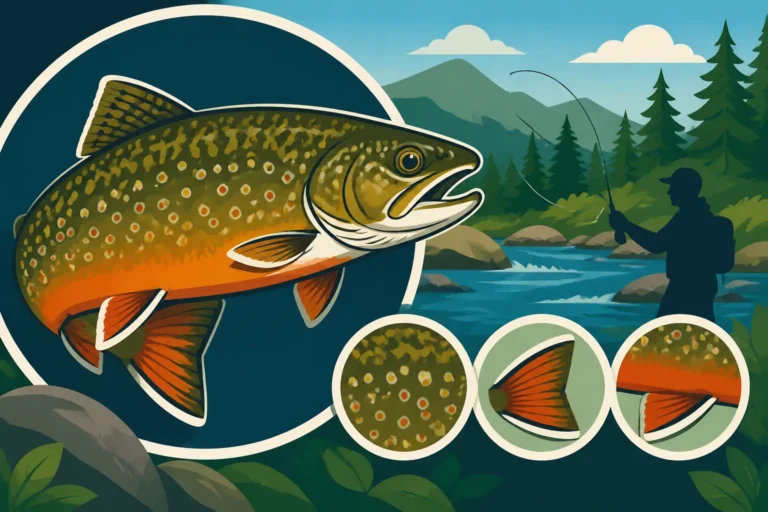
When you're out on the water, especially in Maine, it's not uncommon to encounter several different types of trout and salmon. Knowing how to properly identify a brown trout is crucial, not just for bragging rights, but also for adhering to specific regulations, as bag limits and size restrictions can vary significantly between species. Brown trout generally have a yellowish-brown to golden-brown body, fading to a lighter, sometimes silvery, belly. Their most defining feature is the presence of numerous dark spots, often with pale halos around them, scattered across their sides, back, and dorsal fin. These spots typically extend below the lateral line, which isn't always the case with brook trout.
For instance, brook trout, Maine's state fish, are usually much darker, with worm-like (vermiculated) patterns on their backs and dorsal fins, and distinct red or orange spots (often with blue halos) on their sides. They also have leading white edges on their lower fins. Landlocked salmon, another popular species, tend to be more silvery with fewer, X-shaped spots, predominantly above the lateral line. You can read more about how to identify these differences in our guide on Maine Fish Species Identification Guide or specifically in Brown Trout vs Brook Trout Differences and Brown Trout vs Landlocked Salmon Fighting Ability. Paying close attention to these subtle but important details will help you confidently identify your catch and ensure you're following the rules for that specific species and body of water.
Ideal Habitat Preferences in Maine
Brown trout are quite adaptable, but they do have preferences that tend to dictate where you'll find them in Maine. They generally favor cool, clear water with plenty of cover. Think about areas with submerged logs, rock piles, undercut banks, and overhanging vegetation. These features provide not only ambush points for feeding but also crucial protection from predators and bright sunlight. Unlike brook trout, which often thrive in smaller, colder streams, brown trout can also do very well in larger rivers and deeper, cooler lakes.
They particularly appreciate waters with a good population of baitfish, as larger browns become increasingly piscivorous, meaning fish become a significant part of their diet. This is why you'll often find them near schools of smelt, alewives, or other small forage fish. In rivers, they'll hold in eddies, behind current breaks, or in deeper pools where the current isn't too strong but still brings food past them. In lakes, they'll often patrol drop-offs, points, and areas near submerged structure, especially during warmer months when they seek out cooler, deeper water. Understanding these preferences is your first step to narrowing down productive fishing spots.
Where to Find Brown Trout in Maine
Maine is a big state, and while brown trout aren't found in every body of water, there are certainly some fantastic places where they've established strong populations. The key is knowing what type of water to look for and in which regions.
Lakes and Ponds Known for Brown Trout
While exact "honey holes" are often closely guarded secrets among local anglers, brown trout generally do well in larger, deeper lakes and ponds that can maintain cool water temperatures, especially in the thermocline layer during summer. These waters also need a healthy forage base, often including smelt or other baitfish, to support the growth of larger browns. Many of the lakes and ponds managed for brown trout stocking are found in southern and central Maine, where suitable habitat exists. These waters often have a mix of rocky shores, deep basins, and cooler tributaries flowing in.
Some areas known for producing quality brown trout fishing include parts of the Belgrade Lakes region, like Messalonskee Lake or Cobbosseecontee Lake, which are renowned for their robust fisheries that often include respectable brown trout. Other large lakes might also hold surprising numbers of browns, especially those with good deep-water habitat. Always check the current fishing regulations for any specific lake or pond you plan to visit, as special rules often apply to protect these valuable fisheries. Finding a reliable map and studying the depths and contours can give you a significant advantage in locating prime brown trout real estate in these larger bodies of water.
Rivers and Streams Offering Brown Trout Opportunities
Brown trout are also excellent river dwellers, and Maine has a number of rivers and larger streams where they thrive. These aren't typically the tiny, cold brooks where you'd exclusively find brook trout, but rather the mid-sized to larger rivers with a good mix of riffles, runs, and deeper pools. The cover provided by undercut banks, boulders, and fallen trees is particularly attractive to river browns.
Rivers like the Kennebec and Androscoggin, particularly their upper and middle sections, can offer good brown trout opportunities, especially in areas where they aren't overshadowed by the larger landlocked salmon populations. Look for sections of these rivers that have consistent cool water temperatures, even during summer, which might be influenced by dam releases or deep spring inputs. Access points can sometimes be found near bridges, public lands, or by consulting local fishing maps. Wade fishing these rivers can be incredibly productive, allowing you to stealthily approach prime holding water. Just remember to be mindful of private property and to respect river etiquette. For a broader look at river fishing, check out our guide on Maine Rivers for Fishing.
Public Access and Best Times to Explore
Finding public access to prime brown trout waters can sometimes be a bit of a treasure hunt, but it's well worth the effort. For lakes and ponds, public boat launches are your best bet, though you might need a boat or kayak to reach the most productive areas. Many state parks, wildlife management areas, and town lands offer designated access points. For rivers and streams, look for public easements, bridge crossings, or state-owned land. It's always a good idea to consult local maps or even use satellite imagery on your phone to scout out potential entry and exit points before you head out.
As for the "best times" to explore, brown trout, like many fish, are most active during low light conditions. This means dawn and dusk are often prime times, especially during warmer months. Overcast days can also provide excellent fishing throughout the day. The fall season, leading up to their spawn, is particularly renowned for producing larger, more vibrant brown trout, as they become more aggressive and actively feed. However, spring offers its own advantages as fish emerge from winter and feed heavily. Understanding the Maine Fishing Season Calendar and Best Time of Year to Fish in Maine can help you plan your trips effectively.
| Location Type | Typical Habitat | Best Time to Fish | Access Considerations |
|---|---|---|---|
| Lakes/Ponds | Deep, cool basins, structure (rock piles, drop-offs, logs), proximity to baitfish | Low light (dawn/dusk), overcast days, fall (pre-spawn) | Public boat launches, state park access, sometimes shore fishing |
| Rivers/Streams | Riffles, runs, deep pools, undercut banks, boulders, fallen trees, current breaks | Low light (dawn/dusk), overcast days, spring/fall | Public easements, bridge crossings, state lands, wade fishing |
Essential Gear for Brown Trout Fishing
Having the right tools for the job can make a huge difference in your success, especially when targeting a species as discerning as brown trout. While you don't need to break the bank, having reliable gear that matches the conditions and your chosen technique will certainly increase your odds.
Rod, Reel, and Line Recommendations
For general brown trout fishing, whether you're casting lures from shore or trolling from a boat, a medium-light to medium action spinning rod, typically 6 to 7 feet in length, is a versatile choice. This setup provides enough backbone to cast lures a good distance and handle a fighting fish, while still having enough sensitivity to detect subtle bites. Pair this with a spinning reel in the 2000-3000 size range, spooled with 6 to 8-pound monofilament or fluorocarbon line. Monofilament offers a bit of stretch, which can be forgiving with a hard-fighting fish, while fluorocarbon is less visible underwater and has better abrasion resistance. If you're going after truly large browns in open water, you might consider bumping up to 10-pound test. A good all-around setup will serve you well for most brown trout situations, making it a valuable addition to your fishing arsenal.
Lures and Baits That Brown Trout Can't Resist
Brown trout are opportunistic feeders, but they do have their favorites. When it comes to artificial lures, spinners and spoons are classic choices that consistently produce. Brands like Mepps, Panther Martin, and Acme Little Cleo in silver, gold, or brass finishes with red or orange accents are often deadly. These mimic small baitfish, which is a primary food source for larger browns. Stickbaits or minnow-imitating crankbaits, especially those with a natural baitfish profile, are also incredibly effective. Colors like silver, gold, perch patterns, or even firetiger can trigger aggressive strikes. For river fishing, small inline spinners and Rapala-style minnow plugs worked through pools and runs are excellent.
Don't forget about live bait either, especially when browns are being finicky. Worms, particularly nightcrawlers, drifted naturally in a current or fished under a bobber, can be irresistible. Small shiners or suckers, fished live or as cut bait, are also incredibly effective, especially for targeting bigger, meat-eating browns in lakes. When shopping for these lures and baits, a site like Amazon can be a great resource for finding a wide variety of options and often good deals, allowing you to stock up on different patterns and sizes to match varying conditions. Just make sure to check local regulations regarding live bait use, as some waters have restrictions.
Fly Fishing Setups for Brown Trout
Fly fishing for brown trout offers a unique and highly engaging challenge. For most Maine waters, a 5 or 6-weight fly rod, typically 8.5 to 9 feet long, is a versatile choice. This setup provides enough power for casting streamers and nymph rigs, while still offering the delicate presentation needed for dry flies. Pair it with a matching reel and a weight-forward floating line. Having an extra spool with a sink-tip or full sinking line can be invaluable for presenting streamers in deeper runs or lake environments.
For leader and tippet, a 9-foot tapered leader ending in 4x or 5x tippet is a good starting point for most situations. When it comes to flies, the selection is vast. For dry fly fishing, patterns like Caddis, Mayfly imitations (e.g., Hendrickson, Sulphur, Green Drake), and terrestrials (hoppers, ants, beetles) are excellent choices during hatches. Nymphing with patterns like Hare's Ear, Pheasant Tail, Prince Nymph, and stoneflies can be incredibly effective when fish are feeding subsurface. And for targeting those larger, predatory browns, streamer patterns like Woolly Buggers, Gray Ghosts, and various baitfish imitations (e.g., Clouser Minnows, Lefty's Deceivers) in sizes 4 to 8 are often the ticket. Don't forget wading boots and breathable waders if you plan to explore rivers, ensuring comfort and safety in varying water conditions. Our Fly Fishing Techniques for Maine Rivers guide delves deeper into these specific methods.
Techniques for Successful Brown Trout Angling
Brown trout, while challenging, can be consistently caught if you employ the right techniques for the specific environment and time of year. Whether you prefer the methodical approach of trolling or the precise art of fly casting, there’s a strategy for you.
Trolling and Casting in Lakes and Ponds
In larger lakes and ponds, trolling is a highly effective method for covering water and finding active brown trout, especially those holding deeper during warmer months. When trolling, start by experimenting with different depths. Brown trout will often hold in or just above the thermocline in summer, or shallower in spring and fall. Using lead core line, downriggers, or diving planes can help you reach these specific depths. Keep your trolling speed consistent, typically between 1.5 to 2.5 miles per hour, but be prepared to vary it based on fish activity. Small spoons (like Mooselook Wobblers or Daredevils) and stickbaits are excellent choices for trolling, mimicking the smelt and other baitfish that browns prey on.
Casting is also productive, particularly in spring and fall when browns are shallower, or around specific structure like rocky points, coves, or near stream inlets. Cast spinners, spoons, or minnow-imitating crankbaits and retrieve them with a varying speed and cadence to entice a strike. Don't be afraid to let your lure sink a bit before starting your retrieve, especially if you suspect fish are holding deeper. Targeting areas where baitfish are schooling is also key, as brown trout will often follow their food source. Try to make long casts that cover a lot of water, and experiment with different retrieves until you find what triggers a bite.
Fishing Rivers and Streams with Spin Gear
River and stream fishing for brown trout with spinning gear requires a bit more finesse and understanding of current. The most common and effective approach is to cast upstream or upstream-and-across, allowing your lure to drift naturally downstream through prime holding water. This presentation mimics a wounded baitfish or insect caught in the current. Small inline spinners, such as Mepps or Panther Martin, in sizes #0 to #3, are excellent choices, as are small Rapala or Yo-Zuri minnow plugs.
Focus your casts on current seams, the edges of eddies, behind large boulders, and under undercut banks—anywhere a brown trout might hold out of the main current, waiting to ambush prey. Use a retrieve that just keeps your lure spinning or wobbling, allowing the current to do much of the work. You want to maintain a tight line to feel strikes, which can often be very subtle. When fishing deeper pools, small jigs tipped with a grub or a worm can also be incredibly effective, bounced along the bottom. Stealth is paramount; approach suspected holding areas quietly, keeping a low profile to avoid spooking these often-wary fish. Our Maine Open Water Fishing Techniques Guide has more general tips that can be adapted for river fishing.
Mastering Fly Fishing Tactics for Browns
Fly fishing for brown trout in Maine's rivers and streams involves a range of techniques, each suited to different conditions and fish behavior.
Dry Fly Fishing: When brown trout are actively feeding on insects hatching off the surface, dry fly fishing can be incredibly exciting. Focus on presenting a realistic imitation of the natural insect with a delicate, drag-free drift. Look for rising fish and cast well above them, allowing your fly to float naturally into their feeding lane. Longer leaders and fine tippets (5x-7x) are essential for a subtle presentation.
Nymphing: Often, brown trout feed subsurface on aquatic insect larvae and nymphs. Nymphing involves drifting weighted fly patterns near the bottom, mimicking these insects. There are several nymphing techniques, including indicator nymphing (using a bobber-like indicator to detect strikes and control depth) and Euro nymphing (a more direct contact method). Focus on deeper runs, pools, and current seams where nymphs would naturally accumulate.
Streamer Fishing: For larger, more aggressive brown trout, especially those that have become piscivorous, streamer fishing is a potent technique. Streamers imitate baitfish and other forage. Cast streamers across or downstream and retrieve them with an erratic stripping motion, simulating a wounded or fleeing baitfish. This often triggers an aggressive, territorial strike. This technique is particularly effective in larger rivers, at the mouths of tributaries, or in lake shorelines. Wading stealthily and reading the water effectively are crucial for success in all these fly fishing scenarios. For more detailed insights, definitely check out Fly Fishing Techniques for Maine Rivers.
Seasonal Strategies for Brown Trout Fishing
The behavior of brown trout changes significantly with the seasons, largely dictated by water temperature, available food, and spawning cycles. Adapting your approach to these seasonal shifts is key to consistent success.
Spring: Post-Spawn Feasting
Spring in Maine, typically from ice-out through May or early June, is a fantastic time for brown trout fishing. As the ice recedes, the water temperatures begin to rise, signaling a period of increased activity for browns. They've often just completed their fall spawning rituals and are hungry, actively seeking out food to replenish their energy reserves. In early spring, look for them in shallower areas of lakes and ponds, particularly near stream inlets where warmer water and new food sources might be entering. They'll also be found cruising shorelines, looking for emerging insects or small baitfish.
For rivers and streams, spring runoff can bring higher, colder water, but as conditions stabilize, browns become very active in the runs and pools. Lures like small spoons, spinners, and minnow imitations are very effective, as are live baits like worms or small shiners. Fly anglers can find success with streamer patterns that imitate baitfish or with nymphs as aquatic insects begin to hatch. The fish are often aggressive and less wary than they will be later in the summer, making spring an ideal time to target them before the summer heat sends them deep.
Summer: Deep and Nocturnal
As Maine's summer progresses and water temperatures rise, brown trout, being cold-water species, will retreat to deeper, cooler sections of lakes and rivers. In lakes, this means focusing your efforts on the thermocline—the layer where warm surface water meets cold deep water—or near deep spring inputs. Trolling with downriggers or lead core line to present lures at specific depths becomes essential. Look for them along drop-offs, deep points, and around submerged structures.
In rivers, browns will seek out deep pools, sections with cold tributary inputs, or areas with significant shade and current breaks. Daytime fishing can be challenging, but brown trout often become much more active during low light conditions, especially at dawn, dusk, and even into the night. Night fishing for large brown trout is a well-known tactic in many regions, as they come out of their deep-water sanctuaries to feed in shallower areas under the cover of darkness. Large, dark-colored streamers or even surface lures that create a commotion can be effective during these nocturnal forays. Patience and persistence are vital when targeting summer browns.
Fall: Pre-Spawn Aggression and Colors
Fall is arguably the peak season for brown trout fishing in Maine. As the air cools and water temperatures drop, browns become incredibly active and aggressive in preparation for their spawning period, which typically occurs from late October through November. They'll move into shallower areas of lakes and rivers, often into tributary streams, to stage for spawning. This is when they exhibit their most vibrant, beautiful colors—deep golds, oranges, and reds—making them a stunning catch.
During this time, browns are gorging themselves on available forage, building up energy reserves. Anglers can have incredible success casting large spoons, stickbaits, or even swimbaits that imitate the larger baitfish they are targeting. Fly anglers should focus on large streamer patterns that mimic smelt or suckers. Fishing around tributary mouths and river sections with gravel bottoms (their preferred spawning habitat) can be particularly productive, but it's also crucial to practice responsible angling and avoid disturbing actively spawning fish. These fish are at their strongest and most beautiful, offering some of the best fights of the year.
Winter: Ice Fishing for Brown Trout
While brown trout are not typically the primary target for Maine ice anglers, they can certainly be caught through the ice, offering a unique winter challenge. Brown trout will continue to feed under the ice, often roaming shallower areas in early and late ice periods, and holding near structure or drop-offs in deeper parts of lakes during mid-winter.
Ice fishing for browns often involves setting tip-ups baited with live shiners or smelts, strategically placed around known brown trout holding areas like points, submerged humps, or near where streams flow into a lake. Jigging with small spoons or blade baits, tipped with a piece of bait or a grub, can also entice strikes, especially if you can mark fish on a flasher or fish finder. Always prioritize ice safety, especially during early and late ice conditions. While not as common as targeting brook trout or lake trout, catching a hefty brown through the ice is a memorable experience. Check our Maine Ice Fishing Techniques Guide for general ice fishing information, but remember to adapt your focus to brown trout behavior.
Regulations and Conservation for Brown Trout
Fishing in Maine is a privilege, and with that comes the responsibility of understanding and adhering to regulations, as well as practicing good conservation habits. This ensures healthy fish populations for generations to come.
Understanding Maine's Brown Trout Regulations
Maine's fishing regulations are designed to protect and manage fish populations, including brown trout. It's incredibly important to remember that regulations can vary significantly from one body of water to another. While there are "general law" regulations that apply to most waters, many lakes, ponds, rivers, and even specific sections of rivers fall under "special regulations" that supersede the general law. These special regulations might dictate different size limits, bag limits, gear restrictions (e.g., fly fishing only, single hook artificial lures), or even season dates.
For brown trout specifically, you might find waters with a minimum length limit, a slot limit (where you can keep fish within a certain size range, but not above or below it), or specific daily bag limits that differ from other trout species. For example, a particular lake might have a 12-inch minimum length for brown trout and a daily bag limit of two fish, while a nearby river under general law might have different rules. Always, and I mean always, consult the most current Maine Open Water & Ice Fishing Laws booklet, available online or from license agents, before you fish a new body of water. Ignorance of the law is no excuse, and wardens are serious about protecting Maine's fisheries. This resource will also help you understand concepts like What Is a Maine Special Regulation Water? and generally how Maine Fishing Regulations Explained.
Catch and Release Best Practices
Many anglers who target brown trout, especially the larger, older fish, practice catch and release to help maintain healthy populations. If you choose to release your catch, doing so properly dramatically increases the fish's chances of survival. Here are some key practices:
- Minimize Handling: Try to keep the fish in the water as much as possible. If you must lift it for a quick photo, do so gently, supporting its belly with one hand and grasping it by the base of the tail with the other. Avoid squeezing it around the internal organs.
- Wet Hands: Always wet your hands before touching the fish. Dry hands can remove the protective slime coat, leaving the fish vulnerable to infection.
- Barbless Hooks: Consider using barbless hooks, or pinch down the barbs on your regular hooks. This makes hook removal much easier and quicker, reducing stress on the fish. You can find many hooks on Amazon with barbless options.
- Quick Hook Removal: Use needle-nose pliers or a hemostat to quickly and carefully remove the hook. If the fish is deeply hooked and removal would cause significant trauma, it's sometimes best to cut the line as close to the hook as possible.
- Revive the Fish: If the fish seems stressed or lethargic, hold it gently in the water, facing into the current (or move it back and forth gently if there's no current), until it regains its strength and swims away on its own. Don't just toss it back; make sure it's ready.
- Avoid Prolonged Photos: While a photo is nice, prioritize the fish's health. Get your shot quickly and release the fish promptly.
Practicing these methods is not just good sportsmanship; it's vital for the future of brown trout fishing in Maine. We have a more detailed guide on Catch and Release Best Practices in Maine.
The Importance of Habitat Protection
The health of brown trout populations is intrinsically linked to the health of their habitat. Brown trout, like all cold-water species, depend on clean, cool water, stable flows, and diverse aquatic environments. Habitat degradation—whether through pollution, sedimentation from erosion, removal of riparian vegetation, or barriers to fish migration—can severely impact their ability to thrive.
Anglers play a crucial role in protecting these habitats. This includes:
- "Leave No Trace" Principles: Pack out everything you pack in, and leave the shoreline or streambank as you found it. Avoid littering, and dispose of fishing line responsibly.
- Respecting Riparian Zones: Stay on designated trails and avoid trampling vegetation along stream and river banks, as this vegetation helps prevent erosion and provides shade, which keeps water temperatures cool.
- Reporting Pollution: If you notice any signs of pollution or habitat destruction, report it to the Maine Department of Inland Fisheries and Wildlife.
- Understanding Regulations on Invasive Species: Be mindful of not introducing invasive species by cleaning your boat and gear thoroughly when moving between bodies of water.
By being responsible stewards of Maine's natural resources, we help ensure that brown trout, and all other fish species, continue to thrive for future generations of anglers to enjoy. Conservation is a collective effort, and every angler's actions contribute to the bigger picture.
Common Challenges and Troubleshooting
Even the most seasoned anglers face tough days on the water. Brown trout, in particular, can be finicky. Understanding common challenges and knowing how to troubleshoot them can turn a frustrating day into a successful one.
Dealing with Finicky Brown Trout
Brown trout have a reputation for being elusive, and for good reason. They can be incredibly wary and selective, especially larger, older fish in pressured waters. If you're consistently failing to get bites, it's time to troubleshoot.
- Change Your Approach: If casting lures isn't working, try live bait. If the fish are ignoring your flies, switch to a different pattern or a different technique (e.g., from dry fly to nymphing). Sometimes, a subtle change in retrieve speed or depth is all it takes.
- Downsize Your Gear: If fish are striking short or ignoring your presentation, try using lighter line, a smaller leader, or a smaller lure/fly. Sometimes, a tiny, natural presentation is what's needed for wary browns.
- Fish During Low Light: As mentioned earlier, brown trout are often more active at dawn, dusk, or even at night. If daytime fishing is slow, consider shifting your schedule.
- Stealth is Key: Especially in clear, calm waters, brown trout can be easily spooked. Approach fishing spots quietly, keep a low profile, and make long, accurate casts to avoid disturbing the water directly above them.
- Look for New Water: If a spot isn't producing, don't be afraid to move. Brown trout might be concentrated in very specific areas, and covering new water can help you find them. Sometimes, changing sides of the river or moving to a different section of a lake can make all the difference.
Finicky brown trout teach us patience and adaptability, making the eventual catch all the more rewarding.
Weather and Water Conditions
Weather and water conditions play a huge role in fish behavior. A sudden change can shut down a bite, while ideal conditions can make for an incredible day.
- Temperature: Brown trout prefer cool water. In summer, prolonged hot, sunny weather will send them deep or make them nocturnal. Conversely, in spring and fall, stable cool weather often means active fish. A cold front, however, can put them off the bite for a day or two.
- Water Clarity: Clear water often means fish are warier and require more subtle presentations. Stained or slightly turbid water (after a rain, for example) can make fish bolder, as their visibility is reduced, and they feel more secure. However, extremely muddy water can make it hard for them to find your lure.
- Rain and Barometric Pressure: Light rain can sometimes turn on a bite, especially if it cools the surface water and washes insects into the stream. Falling barometric pressure (often before a storm) can make fish more active, while rapidly rising pressure (after a storm) can make them lethargic.
- Wind: Wind can be a double-edged sword. A light chop on the water can break up the surface, making fish feel more secure and less able to see anglers, which can improve fishing. Strong winds, however, make casting difficult and can stir up too much sediment, impacting water clarity.
Learning to "read the water" and interpret these conditions is a skill that develops over time, but paying attention to them can help you adjust your tactics. For more on this, check out our Best Time of Year to Fish in Maine guide.
Safety Considerations on the Water
Fishing in Maine is a fantastic experience, but safety should always be your top priority. Accidents can happen quickly, so being prepared and aware is crucial.
- Wear a PFD: Always wear a personal flotation device (PFD) when boating, kayaking, or even wading in strong currents. Even experienced swimmers can get into trouble in cold water or unexpected currents.
- Know the Water: If you're wading, understand the depth and current before stepping in. Use a wading staff for stability, especially in unfamiliar waters or slippery bottoms. Be aware of changing river flows, especially below dams.
- Weather Awareness: Check the weather forecast before you go, and be prepared for sudden changes. Maine weather can be unpredictable. Carry rain gear, extra layers, and know when to call it a day if a storm rolls in.
- Hypothermia: Even in relatively mild conditions, immersion in cold Maine water can quickly lead to hypothermia. Dress in layers, preferably non-cotton materials, and have dry clothes available.
- Sun Protection: Don't forget sunscreen, a hat, and polarized sunglasses (which also help you see into the water to spot fish and structure).
- Tell Someone Your Plans: Always let someone know where you're going and when you expect to be back. This is especially important if you're fishing in remote areas.
- First Aid Kit: Carry a basic first aid kit for minor cuts, scrapes, or hook injuries. A multi-tool with pliers is also invaluable for hook removal.
By taking these precautions, you can ensure your brown trout fishing adventures in Maine are not only successful but also safe and enjoyable.
Brown Trout Comparison Table
To help you distinguish brown trout from two other commonly found salmonids in Maine, here's a quick comparison. Remember that individual fish can vary, so look for a combination of characteristics.
| Feature | Brown Trout | Brook Trout | Landlocked Salmon |
|---|---|---|---|
| Coloration | Yellowish-brown to golden-brown, silvery belly | Dark green to brown back, often blue/purple sheen, red/orange belly in males | Silvery sides, darker back, white belly |
| Spots | Dark spots with pale halos (often red on sides), extending below lateral line | Red/orange spots with blue halos, worm-like (vermiculated) patterns on back/dorsal | Few, X-shaped spots, mostly above lateral line |
| Tail Fin | Square or slightly forked | Square | Moderately forked |
| Lower Fins (Pectoral/Pelvic/Anal) | Plain or slightly yellowish | Leading white edge, sometimes black sub-margin | Plain, sometimes dark tips |
| Mouth | Large, often extends past eye in adults | Moderately large, usually not past eye | Large, often past eye in adults |
| Native to Maine? | No (introduced) | Yes (native, state fish) | Yes (native) |
| Typical Habitat | Rivers, larger lakes, tolerant of slightly warmer water | Cold, clear streams, small ponds, requires very cold water | Large, deep, cold lakes, major rivers |
Disclaimer
This article is for general informational purposes only and does not constitute professional advice. Laws, prices and regulations vary by location and change over time. Consult a qualified professional for guidance on your specific situation.