How Big Do Landlocked Salmon Get in Maine?
One of the most thrilling things for any angler heading out onto a Maine lake is the thought of hooking into a truly magnificent landlocked salmon. You cast your line, you troll your lure, and a big part of the excitement comes from wondering: just how big could this fish be? It's a question that sparks a lot of campfire conversations and fuels many a fishing dream. This guide is here to shed some light on the impressive potential size of Maine's landlocked salmon, exploring what truly influences their growth and what you can realistically expect when you’re out on the water.
What Defines a "Big" Landlocked Salmon in Maine?
When we talk about "big" in Maine fishing circles, especially for landlocked salmon, it's not always just about the state record. Often, it's about what constitutes an impressive catch for the average angler, or what a particular lake is known for. A 20-inch salmon might be a fantastic fish in one pond, while a seasoned angler on a trophy lake might be looking for something significantly larger. It’s all about perspective and the specific waters you’re fishing.
Setting Realistic Expectations for Size and Weight
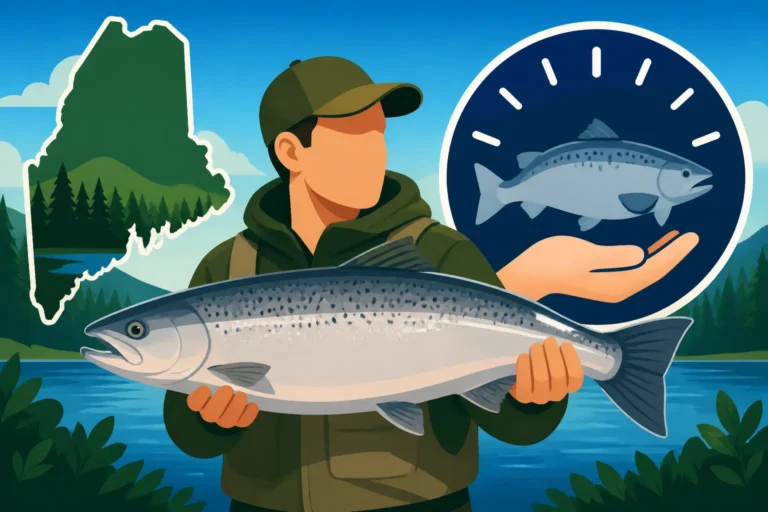
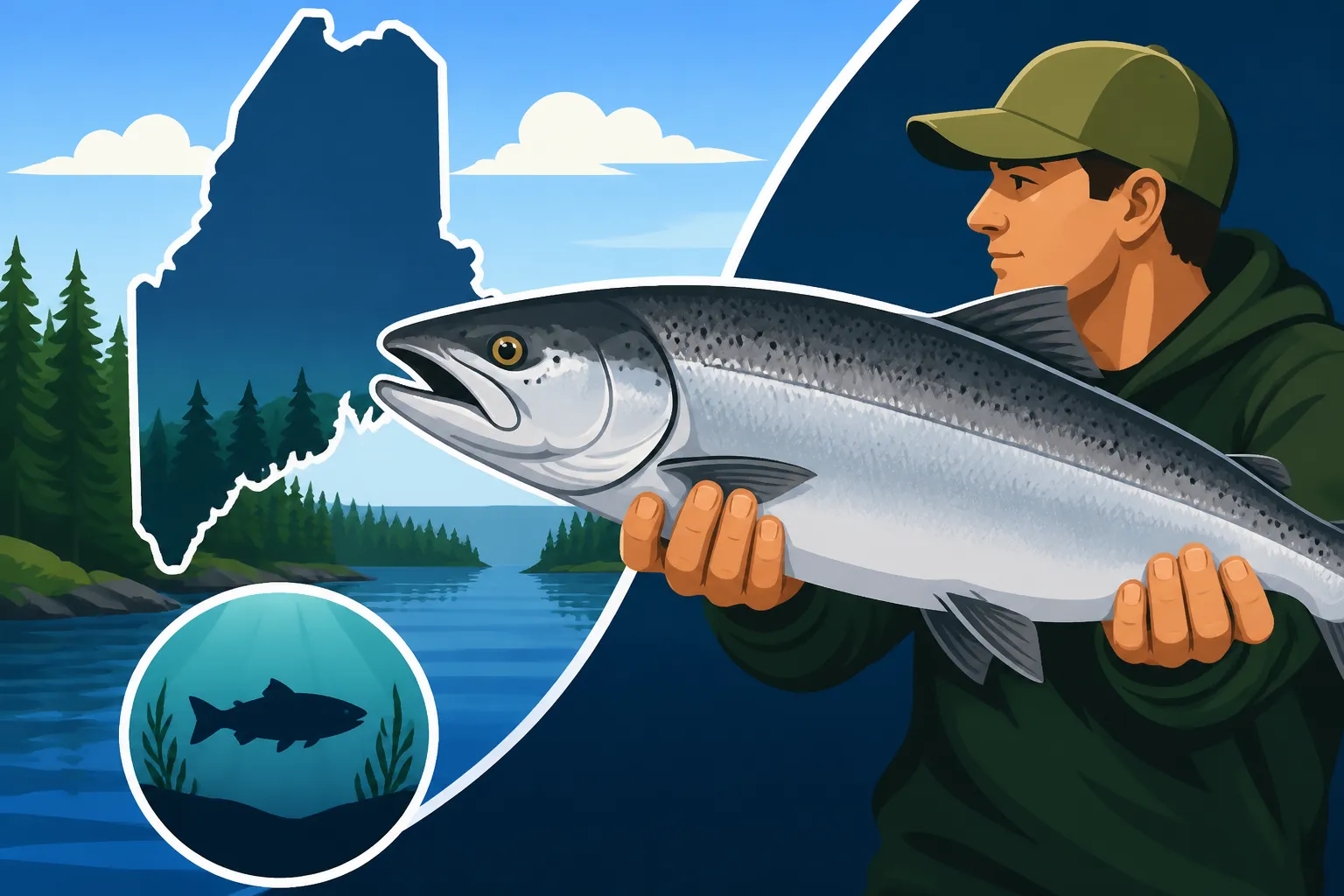
For most of us, a landlocked salmon that pushes past the 20-inch mark is a truly memorable fish. These feisty, acrobatic fighters gain considerable girth and strength as they grow, and landing one of that size is a challenge. Many anglers consider a salmon between 18-22 inches to be a very respectable catch. These fish typically weigh in the 2 to 4-pound range, offering a fantastic battle on appropriate tackle. They've had a few years to grow, mature, and hone their survival instincts, making them a worthy adversary.
However, the truly "big" ones start creeping into the 5, 6, or even 7-pound range, often measuring 24 inches or more. These are the fish that make your drag scream and demand all your attention. Landing one often comes with a story, a detailed recollection of the fight, the leaps, and the final net job. Anything beyond that, especially approaching the double-digit mark, is firmly in the trophy category and a true testament to both the fish's longevity and the richness of its environment.
The Maine State Record Perspective
While most of us won't break state records, it's inspiring to know what's possible. The current Maine state record for landlocked salmon is an incredible 22 pounds, 8 ounces, caught in Sebago Lake back in 1907. Imagine that! Now, it's worth noting that fish of that size are exceedingly rare today. While modern genetics and stocking programs focus on robust, healthy fish, environmental changes and fishing pressure mean catches of that magnitude are historical benchmarks. Still, knowing that such giants once swam, and their descendants still patrol Maine's deep, cold lakes, adds a certain mystique to every cast. When you're dreaming of a truly massive salmon, that 22-pounder sets the ultimate bar.
Key Factors Influencing Landlocked Salmon Size
The size a landlocked salmon ultimately reaches isn't just a random genetic lottery. It's a complex interplay of several crucial factors, from the food available to them to the environment they call home. Understanding these elements can help you appreciate why some lakes consistently produce bigger salmon than others and give you clues on where to focus your efforts for a trophy catch.
Forage Availability and Quality
This is arguably the most critical factor. Simply put, bigger, healthier prey means bigger, healthier salmon. Maine's premier landlocked salmon fisheries, like Sebago Lake, Moosehead Lake, and the Rangeley Lakes region, often boast robust populations of preferred baitfish. The most important one? Smelt. These small, oily fish are packed with calories and protein, providing the ideal fuel for rapid salmon growth. Lakes with abundant smelt populations will naturally produce larger, fatter salmon.
If a lake's smelt population declines due to environmental factors, over-harvesting, or the introduction of competing species, the salmon population often suffers. They might still thrive in numbers, but their growth rates can slow significantly, resulting in smaller average sizes. Other forage fish, such as alewives (in some specific waters) and even some juvenile yellow perch or suckers, can supplement their diet, but smelt are generally the gold standard. A good general rule is: find the bait, find the big fish. This is why anglers pay close attention to Maine Smelt Run Timing and What Fish Prey on Smelt in Maine Lakes.
Water Temperature and Habitat
Landlocked salmon are cold-water fish, through and through. They thrive in lakes and rivers that maintain consistently cool, oxygen-rich water, especially during the warmer summer months. In Maine, this means deep, oligotrophic (nutrient-poor, clear) lakes with thermal stratification – distinct layers of different temperatures. The deepest parts of these lakes provide the crucial cold-water refuge that salmon need to survive and stay healthy when surface temperatures rise.
If a lake experiences prolonged periods of warm water or has insufficient cold, oxygenated water (a phenomenon sometimes called "cold water squeeze"), salmon will be stressed. Stress can lead to reduced feeding, slower growth, and increased susceptibility to disease. Lakes with ample, stable cold-water habitat year-round are essential for growing large, robust salmon. You'll often find that the biggest salmon come from the deepest, coldest lakes, where they can retreat to their preferred temperatures even on the hottest days. Knowing Where Landlocked Salmon Live in Maine Lakes is key to understanding their habitat needs.
Genetics and Age
Just like people, some fish are simply predisposed to grow larger than others. The genetic makeup of a particular strain of landlocked salmon plays a role in its maximum growth potential and how efficiently it converts food into body mass. Maine's Department of Inland Fisheries and Wildlife carefully manages its stocking programs, sometimes introducing specific strains known for their robust growth or disease resistance to enhance a fishery.
Age also directly correlates with size, up to a point. Generally, the older a salmon is, the larger it will be. However, growth rates typically slow down significantly after a few years. A salmon might grow rapidly in its first three to four years, but then its growth will taper off. The oldest and largest salmon are often those that have successfully evaded predators and anglers for many years, managing to find sufficient food throughout their lifespan. A fish that lives to be 6 or 7 years old will almost certainly be larger than a 3-year-old, assuming all other factors are equal. The table below illustrates a typical (though variable) progression.
| Age (Years) | Typical Length (Inches) | Typical Weight (Pounds) | Notes |
|---|---|---|---|
| 1 | 10-14 | 0.5-1.5 | Rapid growth, often fingerlings or yearlings |
| 2 | 15-18 | 1.5-2.5 | Good growth, entering catchable size |
| 3 | 18-22 | 2.5-4.0 | Excellent fighting size, many keepers here |
| 4 | 22-25 | 4.0-6.0 | Approaching trophy size, significant girth |
| 5+ | 25+ | 6.0-10.0+ | True trophy fish, rare but highly sought after, slower growth rate |
Note: These are general ranges and can vary wildly depending on the specific lake, forage, and individual fish genetics.
Fishing Pressure and Regulations
The intensity of fishing pressure on a particular body of water, along with the specific regulations in place, also plays a significant role in the average size of salmon caught. In waters with high fishing pressure and liberal bag limits, larger, older fish might be removed from the population more quickly, reducing the chance for fish to reach their maximum potential size.
Conversely, some waters in Maine have special regulations, such as slot limits or reduced bag limits, designed to protect intermediate-sized fish and allow them to grow larger. A slot limit, for example, might require anglers to release all salmon within a certain size range (e.g., 18-22 inches) while allowing them to keep smaller or larger fish. This management strategy helps to maintain a healthy population of older, larger breeding fish and can lead to an increase in the number of trophy-sized salmon available. This is often seen in discussions around Landlocked Salmon Size Slot in Maine Explained and Maine Fish Bag Limits Guide. These thoughtful regulations help ensure that anglers can continue to enjoy the thrill of catching a truly big salmon in the future.
Maine's Trophy Salmon Waters and Notable Catches
Maine is blessed with numerous exceptional fisheries for landlocked salmon, each with its own character and potential for a memorable catch. While record-breakers are exceedingly rare, certain lakes consistently produce larger-than-average salmon, making them prime destinations for anglers seeking that true trophy fish.
Legendary Lakes for Landlocked Salmon
When you talk about big landlocked salmon in Maine, a few names always rise to the top of the list. These are waters known for their deep, cold, oxygenated habitat and robust forage bases.
- Sebago Lake: This is the undisputed king when it comes to historical records, holding the state record. Even today, Sebago is renowned for producing large landlocked salmon. Its immense size, depth, and healthy smelt population create an ideal environment. Anglers here often target salmon in the 4-6 pound range, with larger fish certainly a possibility. The challenge of such a vast lake makes every Sebago salmon feel like a significant accomplishment. You might be interested in stories of Notable Landlocked Salmon Catches on Sebago Lake.
- Moosehead Lake: As Maine's largest lake, Moosehead offers incredible potential. While perhaps not as famed for massive record-breakers as Sebago, it consistently yields beautiful, hard-fighting salmon that often exceed 20 inches and can push into the 5-7 pound class. The sheer wildness of the region, combined with strong smelt and cusk populations, makes for a vibrant fishery. Many anglers head to Moosehead Lake Fishing Guide for specific insights.
- Rangeley Lakes: This interconnected chain of lakes in Western Maine, particularly Rangeley Lake and Mooselookmeguntic Lake, are historic salmon strongholds. These lakes have consistently produced beautiful, colorful salmon that are known for their strong fights. While perhaps the average size might be a touch smaller than Sebago or Moosehead, the quality of the fishing and the scenic beauty are unparalleled, and trophy fish are definitely present for persistent anglers. To learn more about fishing these pristine waters, check out our Rangeley Lakes Fishing Guide.
Other notable waters that can produce impressive salmon include West Grand Lake, the Belgrade Lakes region (especially Great Pond and Long Pond for their size and depth), and several remote ponds in the North Woods. Each of these waters presents unique challenges and rewards, but they all share the fundamental characteristics that allow salmon to grow to impressive sizes.
Stories of Personal Bests and Near-Records
Every serious salmon angler in Maine has a story about "the one that got away" or "the biggest one I ever caught." These aren't always state records, but they are often personal bests that embody the thrill of the chase. I remember one crisp fall morning on Moosehead, trolling a sewn smelt, when my rod doubled over. After a heart-pounding fight with multiple aerial displays, I landed a beautiful 26-inch salmon that tipped the scales at just over 7 pounds. It wasn't a record, but for me, it was a truly magnificent fish, a testament to the lake's health and a day I'll never forget.
These larger fish often display incredible power and stamina, making them a true test of an angler's skill and patience. They don't give up easily, and their runs can strip line off your reel in a hurry. Capturing one of these "bragging rights" fish is often the highlight of a fishing season, and sometimes, a lifetime. It’s important to respect these big fish, practicing careful Catch and Release Best Practices in Maine if you intend to let them go, ensuring they can continue to grow and spawn.
Strategies for Targeting Larger Landlocked Salmon
While some aspects of a salmon's size are out of our control (like genetics or the overall health of the ecosystem), there are definitely strategies and techniques you can employ to increase your chances of hooking into a larger, trophy-sized landlocked salmon in Maine. It's about being prepared, persistent, and understanding the nuances of their behavior.
Gear and Lure Selection for Big Fish
When you're after bigger fish, your gear choices matter. You'll want a rod with enough backbone to handle a powerful run and a reel with a smooth, reliable drag system. Many experienced anglers use medium to medium-heavy action rods for trolling, often in the 7 to 9-foot range, paired with a good quality baitcasting or spinning reel spooled with strong monofilament or braided line. For more detailed advice, you can often find great gear discussions and reviews on platforms like Amazon, helping you select the best tools for the job.
As for lures, larger salmon often key in on larger baitfish. While small lures can catch any size fish, upsizing your presentation can sometimes tempt a more substantial strike. Popular choices for big salmon include:
- Sewn Smelt: This is a classic Maine technique. Rigging a natural smelt to swim enticingly through the water is deadly effective, mimicking exactly what large salmon are looking for.
- Large Streamers and Smelt Imitations: Flies like the Grey Ghost, Black Ghost, Nine-Three, and Supervisor are popular, especially when trolled.
- Spoons: Larger trolling spoons in silver, blue/silver, or gold patterns can be very effective, especially those that mimic the flash and wobble of a wounded baitfish. Brands like Mooselook Wobblers or Daredevils in larger sizes are often productive.
- Plugs: Certain diving or jointed plugs that imitate larger baitfish can also entice a powerful strike from a big salmon.
Remember that presentation is key. Whether you're trolling, casting, or jigging, making your lure or bait appear natural and irresistible to a hungry salmon is paramount. You can dive deeper into Best Lures for Landlocked Salmon for more specific recommendations.
Mastering Trolling and Deep-Water Techniques
Trolling is by far the most popular and effective method for consistently catching landlocked salmon, especially the larger ones, as it allows you to cover vast amounts of water and present your lure at specific depths. During the warmer months, big salmon retreat to the cooler, deeper waters. This means you need to get your lures down to them.
Techniques like using lead core line, downriggers, or heavy sinking lines are essential for reaching depths of 30, 40, or even 60 feet where trophy salmon often lurk. Learning to read your fish finder to identify thermoclines, baitfish schools, and changes in bottom structure is crucial. Big salmon are often found cruising along drop-offs, underwater points, or near submerged humps where they can ambush passing baitfish. Mastering different Trolling Techniques for Maine Lakes, understanding Trolling Depths for Landlocked Salmon, and observing what local guides are doing can give you a significant edge. Patience is a virtue when targeting deep-water salmon; sometimes it takes hours of methodical trolling to find that one big fish.
Timing Your Trip and Understanding Salmon Behavior
Timing can make a huge difference in your success. While salmon can be caught year-round, certain seasons offer better opportunities for bigger fish.
- Early Spring (Ice-Out): As the ice comes off the lakes, salmon are often found near the surface and in shallower waters, feeding aggressively after a long winter. They can be very active and easier to access, making it a prime time for large fish.
- Late Fall: As water temperatures cool down, salmon become more active again, often moving into shallower areas to feed heavily before the spawn. This can be another excellent time to connect with a large, robust fish.
- Summer: This is when salmon go deep. While challenging, targeting them with deep-water trolling techniques can yield some of the largest fish, as they are often more active in their cold-water refuges than they are in warmer surface waters.
Understanding the Best Time of Year to Catch Landlocked Salmon in Maine involves knowing their seasonal movements and feeding patterns. Big salmon are often solitary predators, so don't expect to catch a dozen trophy fish in one outing. Instead, focus on quality over quantity, and celebrate every one of those hard-earned, magnificent landlocked salmon Maine has to offer.
Disclaimer
This article is for general informational purposes only and does not constitute professional advice. Laws, prices and regulations vary by location and change over time. Consult a qualified professional for guidance on your specific situation.