How Fast Do Togue Grow in Maine Lakes?
It's fascinating, isn't it, how the creatures beneath the surface of Maine's pristine lakes grow and thrive? Many anglers, especially those new to targeting the elusive togue (what we Mainers call lake trout), often wonder about their growth rates. You might be planning a trip to a famous togue fishery like Moosehead Lake or Sebago Lake, dreaming of landing a lunker, and naturally, you're curious about just how long it takes for these magnificent fish to reach those impressive sizes. Understanding how fast togue grow in Maine lakes isn't just a matter of curiosity; it's a key piece of the puzzle for successful fishing, helping you anticipate where to find them and what kind of sizes you might encounter. This guide will dive deep into the world of togue growth, exploring the factors that influence their development and what you can realistically expect from the fish in our waters.
What Influences Togue Growth Rates?
Togue, like all fish, don't follow a perfectly uniform growth chart. Their development is a complex interplay of environmental factors, food availability, and even their genetic makeup. It's not as simple as saying "a togue grows X inches per year," because every lake is its own unique ecosystem, and every fish is an individual.
Food Availability and Diet
One of the biggest drivers of growth in any species is the food supply. For togue, which are apex predators in many of Maine's deeper, colder lakes, their diet is crucial. These fish primarily feed on smaller baitfish like smelt, cusk, and even smaller trout species if available. Lakes with an abundant population of high-fat forage fish tend to produce faster-growing and larger togue. Think about it: if a togue has to work hard to find sparse meals, it's going to expend more energy and grow slower. If it's in a lake teeming with fatty, nutritious smelt, it can put that energy directly into growth. This is why you often hear of certain lakes being renowned for their large togue; they usually have a robust baitfish population. If you're keen on learning more about their diet, check out What Do Togue Eat in Deep Maine Lakes?.
Water Temperature and Oxygen Levels
Togue are cold-water fish, through and through. They thrive in lakes that maintain deep, cold, and well-oxygenated water throughout the year. These conditions are critical for their metabolism. In Maine, many of our glacial lakes fit this bill perfectly, with deep pockets that stay icy cold even in the peak of summer. If a lake experiences periods where the deep, cold water becomes depleted of oxygen or warms up excessively (which can happen in shallower or less stratified lakes during hot spells), togue will become stressed. This stress diverts energy away from growth, slowing their development. Consistent cold, oxygen-rich environments mean happier, healthier, and faster-growing togue. This is a big reason why Togue Minimum Length Limit in Maine and other regulations often consider these environmental factors.
Population Density and Competition
Another significant factor is the sheer number of togue (and other predatory fish) living in a particular lake. If a lake is overpopulated with togue, or if there's intense competition from other species like landlocked salmon or even larger brook trout for the same food sources, individual togue will likely grow slower. There's only so much food to go around, after all. In such situations, fish might be numerous, but they'll often be thinner and shorter for their age. Conversely, in waters where population numbers are managed or naturally lower, individual togue can have access to more resources, leading to faster growth and larger average sizes. This is a common management consideration, especially in waters designated as "trophy" fisheries.
Genetics and Age
Just like people, some togue are genetically predisposed to grow larger and faster than others. While you can't control genetics, it's a factor that plays a role within a population. And, of course, age is paramount. A togue needs time to grow. Maine's togue are slow-growing compared to some other fish species, but they are also very long-lived. A truly massive togue didn't get that way overnight; it's likely many decades old. These fish can live for 20 years or more in ideal conditions, gradually packing on size year after year. Understanding this longevity helps us appreciate the true trophy potential of these fish. Want to learn more about identifying them? Check out How to Identify a Togue vs Lake Trout.
Typical Growth Patterns and Size Expectations
So, what can an angler realistically expect when it comes to togue size in Maine? While there are always exceptions and individual lake variations, we can look at general patterns and average sizes to set some expectations.
Average Age-to-Size Correlation
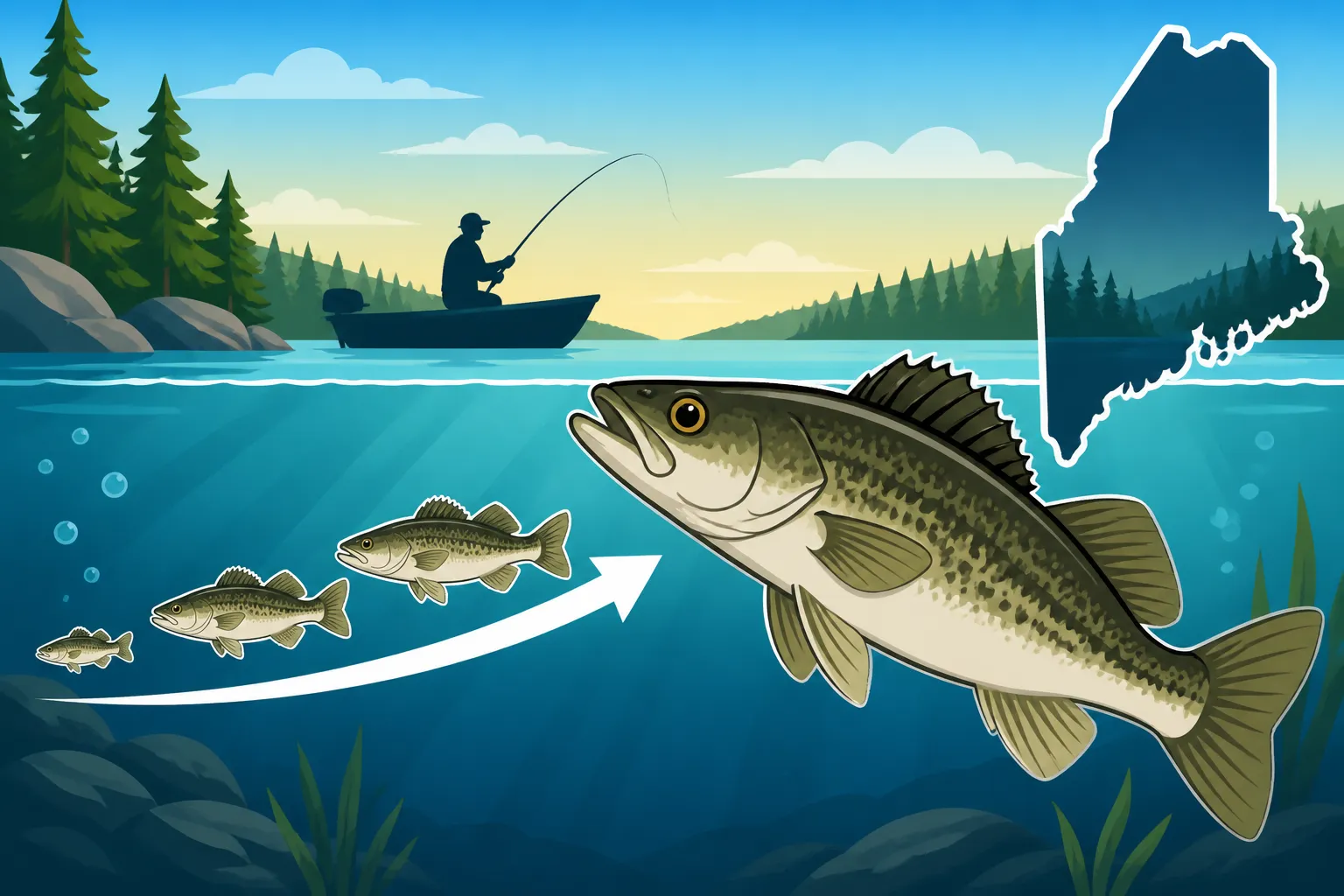
Generally speaking, togue in Maine will grow at a rate of about 1 to 2 inches per year, especially during their younger years. This isn't a hard and fast rule, but it gives you a ballpark. A 10-inch togue might be 3-4 years old, while a 20-inch fish could be 8-12 years old. When you start getting into the 30-inch range, you're often looking at fish well over 15 years old, sometimes much older. It's a slow, steady climb, which is why catching a truly gargantuan togue feels like such an accomplishment – you're holding a piece of living history!
Here's a simplified look at a potential age-to-size progression for a healthy togue in a productive Maine lake:
| Age (Years) | Approximate Length (Inches) | Approximate Weight (Pounds) | Notes |
|---|---|---|---|
| 1-2 | 6-10 | <0.5 | Juvenile stage, feeding on invertebrates. |
| 3-4 | 10-14 | 0.5-1.5 | Beginning to incorporate small baitfish. |
| 5-7 | 15-20 | 2-4 | Actively preying on smelt; good eating size. |
| 8-12 | 20-28 | 4-10 | Mature fish, strong fighters, often targeted by anglers. |
| 15+ | 28-35+ | 10-20+ | Trophy size, long-lived, often showing battle scars. |
Remember, this is a general guideline. Some lakes, with exceptional forage and habitat, might see togue grow faster, while others with denser populations might see slower growth.
Trophy Potential in Maine
Maine is home to some incredible togue fisheries, and truly trophy-sized fish are definitely a possibility. When we talk about "trophy" togue, we're often thinking of fish exceeding 10 pounds or pushing the 30-inch mark. Lakes like Moosehead, Sebago, and some of the Rangeley Lakes are famous for producing these monsters. The reason these lakes produce such big fish circles back to the factors we discussed: vast expanses of deep, cold, oxygenated water, and abundant forage, particularly smelt. While a 5-pound togue is a fantastic catch, a 15-pounder is the result of years of ideal conditions and a strong fish surviving and thriving. It takes patience and persistence to consistently target these larger fish, but the reward is immense. If you're wondering how many of these beauties you can keep, check out How Many Togue Can You Keep Per Day in Maine?.
Why Understanding Togue Growth Matters to Anglers
Knowing about togue growth isn't just a fun fact; it actually informs how we approach fishing for them and why certain regulations are in place.
Tailoring Your Fishing Strategy
Understanding growth rates helps you think like a fish. If you know that togue grow relatively slowly and are long-lived, you can infer that the biggest fish are often the oldest and wisest. They've survived countless encounters and are likely holding in prime, secure habitat. This might influence your choice of fishing spots – perhaps focusing on deeper structure, humps, or thermoclines where these older fish seek comfort and food. It also affects your presentation. A large, old togue isn't always aggressively chasing; sometimes a slow, subtle presentation is key. If you're jigging, for instance, you might opt for larger baits or a slower retrieve, mimicking a substantial meal that's worth the energy expenditure for a big fish. Learning different techniques like How to Fish for Togue Through the Ice or Jigging Techniques for Togue can become even more effective with this knowledge.
Conservation and Regulations
The slow growth and long lifespan of togue are crucial considerations for fisheries management. Because they take so long to reach trophy sizes, overharvesting even a few large fish can have a significant impact on the overall population structure and the availability of those coveted lunkers for future generations. This is precisely why Maine has specific regulations regarding togue, including length limits and bag limits. For example, some waters might have a slot limit or a minimum length that ensures smaller fish can grow into reproductive maturity and beyond, contributing to the health of the population. When you see a regulation like Togue Size and Bag Limits in Maine, it's often directly tied to the biological realities of how fast these fish grow and reproduce. By adhering to these rules, anglers play a vital role in ensuring Maine's togue fisheries remain healthy and productive for years to come.
The Thrill of the Catch
Finally, knowing how much time and luck it takes for a togue to grow to a substantial size simply adds to the thrill of the catch. When you land a 25-inch togue, you're not just pulling in a fish; you're connecting with a creature that has likely seen many seasons, survived many winters under the ice, and outsmarted countless predators and anglers. There's a profound respect that comes with handling such an animal. Practicing good Catch and Release Best Practices in Maine, especially for the larger, older fish, becomes even more meaningful when you understand their journey to that size. You're helping ensure that ancient genetics continue to thrive in our lakes, and that another angler might someday experience the same joy of catching that majestic creature. If you're looking for more general information on fishing in Maine, a good resource might be found by searching for "Maine fishing guides" on platforms like Amazon, where many experienced anglers share their knowledge.
How to Identify Togue
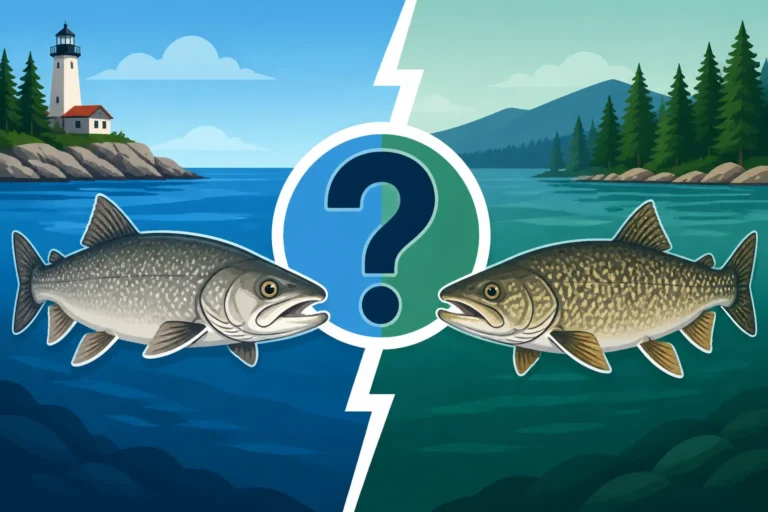
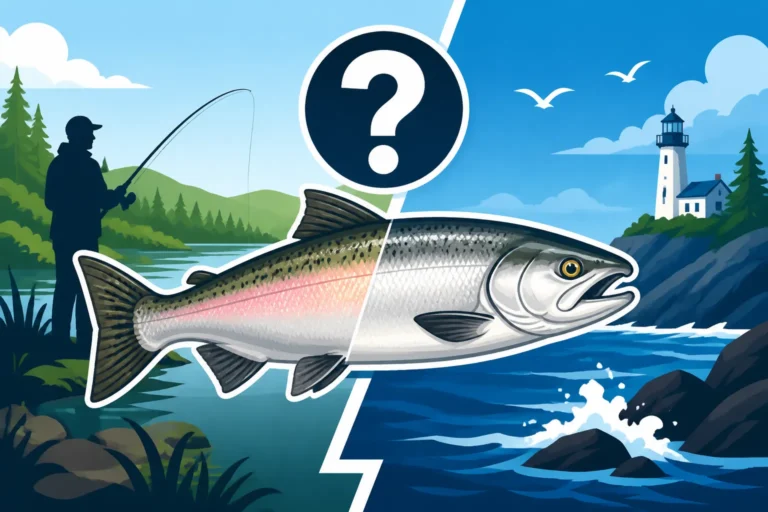
Distinguishing togue from other similar-looking fish, like brook trout or even landlocked salmon, is important for anglers, not just for proper identification but also for adhering to regulations, as limits can vary by species. In Maine, the term "togue" is commonly used for lake trout (scientific name Salvelinus namaycush), which is technically a char, not a true trout. This can sometimes cause confusion for newcomers to the state, who might ask, Is a Togue the Same Fish as a Lake Trout? or What Does Togue Mean in Maine?.
Key Identification Features
Here are some distinguishing characteristics to help you identify a togue:
- Coloration: Togue typically have a dark greenish-gray to brownish body, fading to a lighter belly. Their most distinctive feature is a scattering of light, often yellowish or whitish, irregular spots and worm-like markings (vermiculations) all over their back, sides, and dorsal fin. These spots are usually lighter than the background color, which is a key differentiator from brown trout, which have darker spots surrounded by lighter halos.
- Body Shape: They have a relatively long, slender body, but can become quite thick-bodied in larger specimens.
- Tail Fin: The tail fin of a togue is deeply forked, much more so than a brook trout's square or slightly emarginate tail. This deep fork is a very reliable identifier.
- Mouth and Teeth: Togue have a large mouth with many sharp teeth, especially on the roof of their mouth (vomerine teeth).
- No Red or Orange Spots: Unlike brook trout, togue do not typically have bright red or orange spots surrounded by blue halos on their sides.
- Habitat: While not a physical feature, their preferred habitat is a strong clue. Togue are almost exclusively found in the deep, cold, oxygenated waters of larger lakes and reservoirs. If you're catching a fish that fits the description in a small stream, it's highly unlikely to be a togue.
If you're ever unsure while out on the water, a quick reference guide to Maine fish species can be invaluable. Many such guides are available in local tackle shops or online retailers like Amazon, and they can be a real lifesaver for identifying your catch and understanding local regulations. The more you know about the fish you're targeting, from their appearance to their growth habits, the more rewarding your time on the water will be.
Disclaimer
This article is for general informational purposes only and does not constitute professional advice. Laws, prices and regulations vary by location and change over time. Consult a qualified professional for guidance on your specific situation.