Is a Togue the Same Fish as a Lake Trout?
It's incredibly common, especially for folks not from right here in Maine or newer to our waters, to get a little tangled up in the lingo when it comes to our fish. You might hear seasoned anglers throwing around terms like "togue" while others talk about "lake trout," and you're left wondering, "Are they even talking about the same fish?" It's a perfectly natural question, and trust me, you're not alone in that confusion! This guide is here to clear the waters, once and for all, on the real identity of the "togue" and why we Mainers love to call it by that distinctive name.
The Togue: Maine's Beloved (and Confusing) Lake Trout
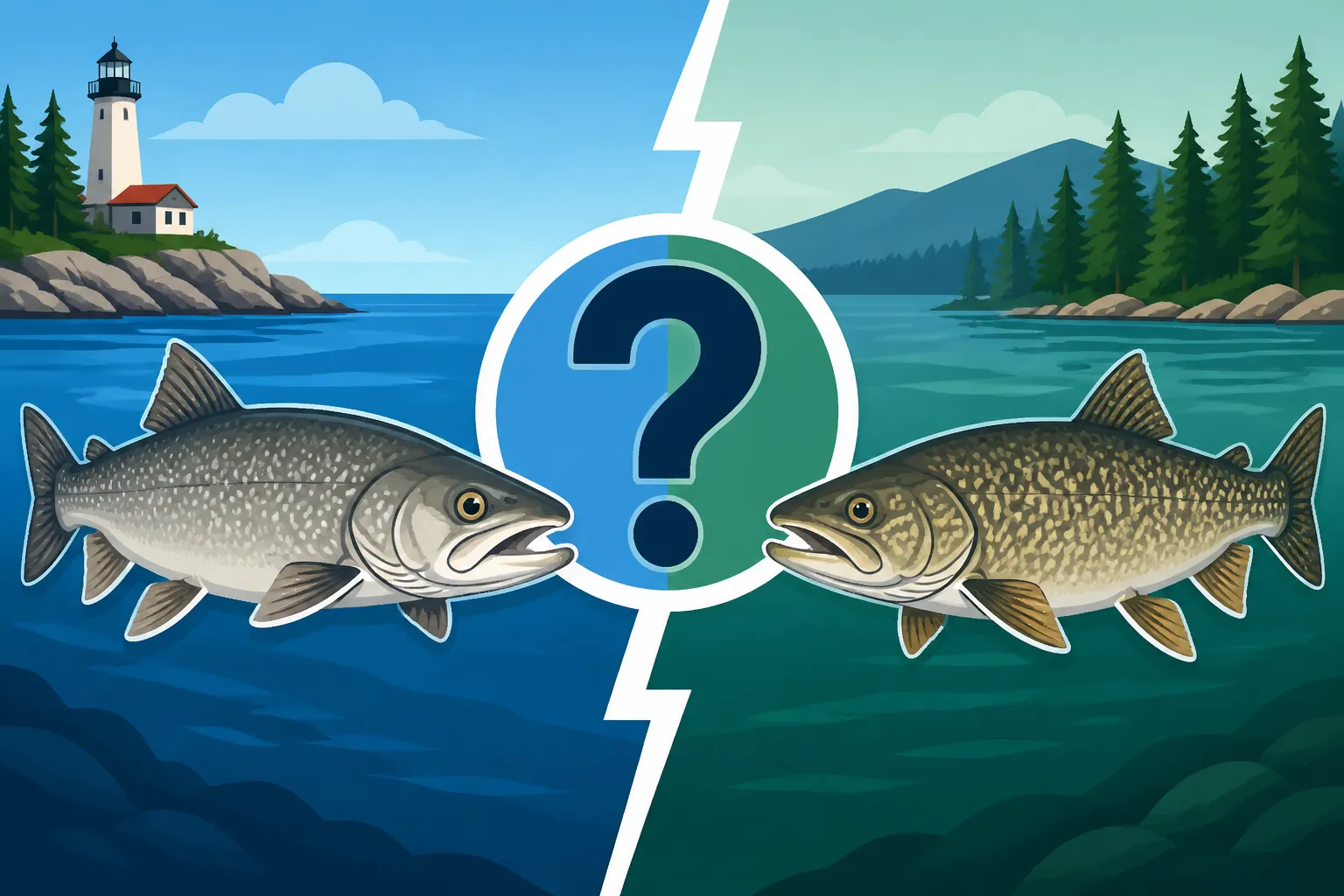
Ah, the togue! It's a word that rolls off the tongue of a true Mainer like fresh river water, but can sound utterly foreign to someone just visiting our beautiful state or taking up the rod and reel for the first time here. The simple truth is that the "togue" you hear us talking about is indeed the very same fish known scientifically and in many other regions as the "lake trout." There's no biological difference, no subtle variation in species; it's just a matter of local tradition and nomenclature.
What's in a Name? Understanding the Local Term "Togue"
So, why do we call it a togue here? Well, Maine has a rich history, particularly when it comes to outdoor pursuits like fishing and hunting. Over generations, local dialects and regionalisms have woven themselves into the fabric of our culture, and "togue" is one of those wonderfully entrenched terms. It’s not just a fish; it’s a connection to the past, a shorthand that signifies belonging. Imagine sitting around a crackling campfire up in the North Woods, recounting a day's catch, and someone proudly declares, "Caught a beauty of a togue today!" It just sounds right, doesn't it? It feels authentic.
For newcomers, this can certainly lead to a bit of head-scratching. You might be poring over official state fishing regulations, which will almost universally refer to the species as "lake trout," and then hear guides or tackle shop owners using "togue," and you start to second-guess everything you thought you knew. Rest assured, when you're looking at Maine Fishing Regulations Explained or checking specific limits for a particular water body, any mention of "lake trout" directly applies to the fish we affectionately call togue. It’s simply a beloved local nickname, passed down through the generations, much like calling a soda "pop" in other parts of the country.
Why the Different Name? A Nod to Maine's Fishing Heritage
The persistence of the name "togue" speaks volumes about Maine's deep-rooted fishing heritage. It’s a term that evokes images of remote, pristine lakes, icy winter mornings on the hardwater, and the thrill of battling a strong, deep-dwelling fish. This isn't a state that quickly abandons tradition, especially when it comes to something as cherished as fishing. The word "togue" has likely been used for centuries by indigenous peoples and early European settlers who learned to fish these waters, and it simply stuck.
Think about it: many regions have their own unique names for common fish species. Whether it's a "pickerel" or a "walleye" having a different local moniker, it’s a way for communities to personalize their experience with nature. In Maine, "togue" has become synonymous with the powerful, cold-water dweller that thrives in our deeper lakes. It’s a term that instantly communicates a particular kind of fishing experience, often involving substantial depth and a hearty fight, making it distinct from, say, chasing brook trout in a small stream or bass in a warmer pond.
Distinguishing Togue (Lake Trout) from Other Maine Fish
While "togue" is just a local name for lake trout, understanding its characteristics is key to identifying it and differentiating it from other species you might encounter in Maine's diverse waters. You wouldn't want to mistake a small togue for a brook trout, especially when Togue Minimum Length Limit in Maine and Brook Trout Daily Bag Limits can be quite different!
Physical Characteristics of a Togue/Lake Trout
When you pull a togue out of the water, its appearance is quite distinct. Lake trout (togue) typically have a long, slender body, but they can get quite stout and powerful as they mature. Their coloration is usually dark green, gray, or almost black on the back, fading to lighter shades on the sides and a white or pale belly. What really sets them apart are the numerous light, often worm-like (vermiculated) markings or spots across their back, sides, and even fins. These spots are usually lighter than the background color of the fish, which is a key difference from brook trout, whose spots (especially the red ones) are often ringed with blue halos.
Another tell-tale sign of a togue is its deeply forked tail. This isn't a subtle fork; it's quite pronounced and helps them cut through the water efficiently in their deep, cold habitats. This is a significant difference from the more square or slightly forked tails of brook trout or landlocked salmon. While landlocked salmon can sometimes be confused with togue, salmon usually have a more streamlined, silvery appearance, and their spots are often concentrated more on the upper half of their body and less worm-like. The mouth of a togue is also relatively large, extending back to at least the middle of the eye, indicating its predatory nature. They are built for hunting!
Habitat and Behavior: Where You'll Find These Deepwater Dwellers
Togue are true cold-water specialists. They absolutely thrive in the deep, clear, oxygen-rich waters of Maine's larger lakes. You won't typically find them in shallow ponds or warm, sluggish rivers. They prefer the cooler, stable temperatures found at significant depths, especially as the summer progresses and surface waters warm up. Lakes like Moosehead Lake, Sebago Lake, and the Rangeley Lakes are prime togue territory because they offer the deep, cold haunts these fish crave.
Their behavior is largely dictated by water temperature and the availability of their primary food sources, which often include baitfish like smelt and ciscoes. In spring, after ice-out, you might find togue shallower, cruising the rocky shoals and structure as the water temperatures are still cool throughout the water column. As summer sets in, however, they'll retreat to the thermocline – that layer of water where the temperature drops rapidly – often suspending over deep basins or congregating around underwater ledges and humps. Then, as fall approaches and the lake waters begin to cool and mix again, they'll often become more active and accessible in shallower areas once more. Knowing these patterns is crucial for understanding the Best Time of Year to Catch Togue in Maine.
Fishing for Togue: Techniques and Tips
Fishing for togue can be an incredibly rewarding experience, whether you're out on the open water in the warmer months or braving the chill for some hardwater action. These fish are powerful fighters, and hooking into a big one can be the highlight of any fishing trip.
Open Water Strategies for Maine Togue
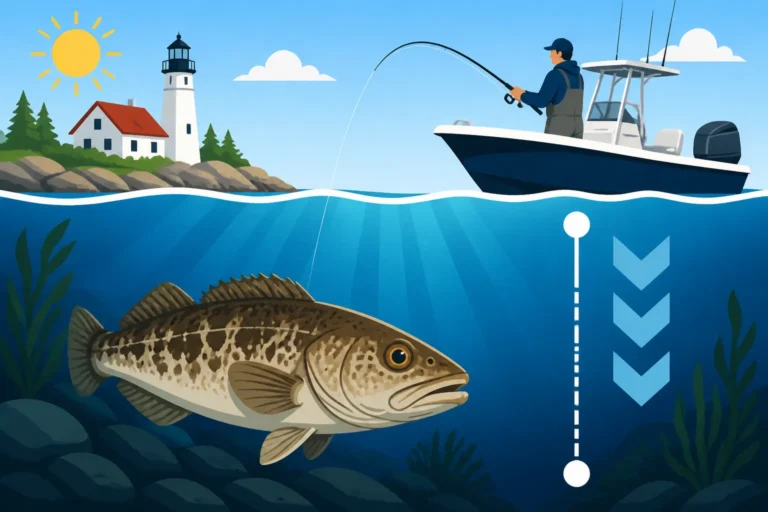
When the ice has long departed, and the lakes are open, chasing togue usually involves covering water and presenting lures at specific depths. Trolling is king for open-water togue fishing. Because togue retreat to deeper, cooler waters during the summer, you'll need specialized gear to get your lures down to them. This often means employing downriggers, which are mechanical devices that use a heavy weight to precisely control the depth of your lure. Another popular method involves using lead core line or copper line, which are weighted fishing lines designed to sink lures deeper without the need for additional weights on your leader.
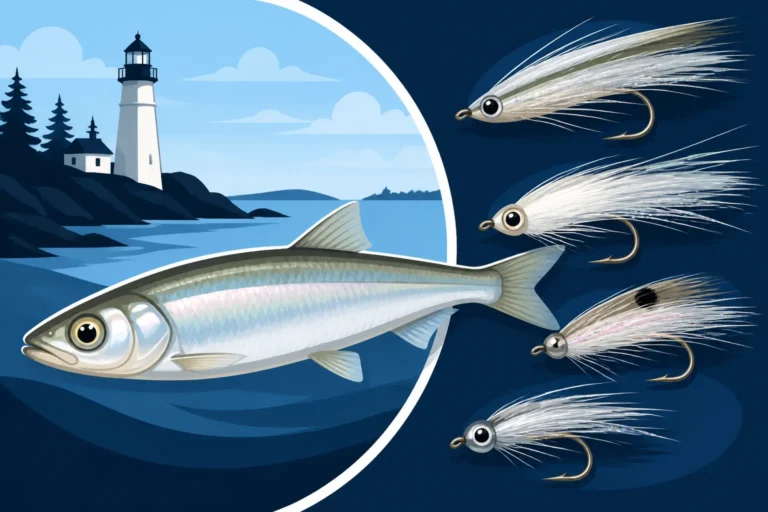
As for what to put on the end of your line, spoons are consistently effective, imitating baitfish like smelt that togue love to chase. Popular choices include classic "Dardevle" or "Sutton" spoons. Stickbaits, especially those designed to mimic larger minnows, also work wonders. Sometimes, nothing beats the real thing, and Best Bait for Togue often includes live bait such as smelt, shiners, or even sucker minnows, typically fished on a single hook behind a small dodger or flasher. The key is to experiment with different depths and speeds until you find what triggers a bite. Trolling Techniques for Maine Lakes delve much deeper into these strategies.
Ice Fishing for Togue in Maine's Winter Wonderland
When Maine's lakes turn to a solid sheet of ice, the pursuit of togue continues with a whole new set of tactics. Ice fishing for togue is a time-honored tradition here, and it's exhilarating. Many anglers employ a combination of jigging and using tip-ups. Jigging involves using a short rod and a lure, often a lead jig or a small spoon, to actively entice a bite. You might vertically jig a spoon tipped with a piece of bait, or a tube jig, using a subtle up-and-down motion to mimic a struggling baitfish. Jigging Techniques for Togue are a fantastic way to engage with the fish, feeling every tap and pull.
Tip-ups, on the other hand, are passive devices that signal a strike with a flag once a fish takes the bait. These are usually set with live bait, like a lively smelt or shiner, suspended at a predetermined depth. While you're actively jigging one hole, you can have several tip-ups strategically placed around you, covering different depths or areas of underwater structure. Always remember to check the Maine Ice Fishing Line Limits or How Many Lines Are Legal for Maine Ice Fishing? for the specific body of water you're fishing, as regulations can vary. Modern ice fishing often incorporates portable fish finders, which are invaluable for locating fish and understanding the depth and structure beneath the ice, greatly improving your chances of success when you're learning How to Fish for Togue Through the Ice.
Regulations and Conservation for Maine's Togue Fishery
Fishing is not just about the catch; it’s also about responsible stewardship. Understanding and adhering to Maine's fishing regulations is crucial for preserving our healthy togue populations for future generations of anglers. These regulations are designed to ensure sustainable fishing practices.
Understanding Togue Size and Bag Limits
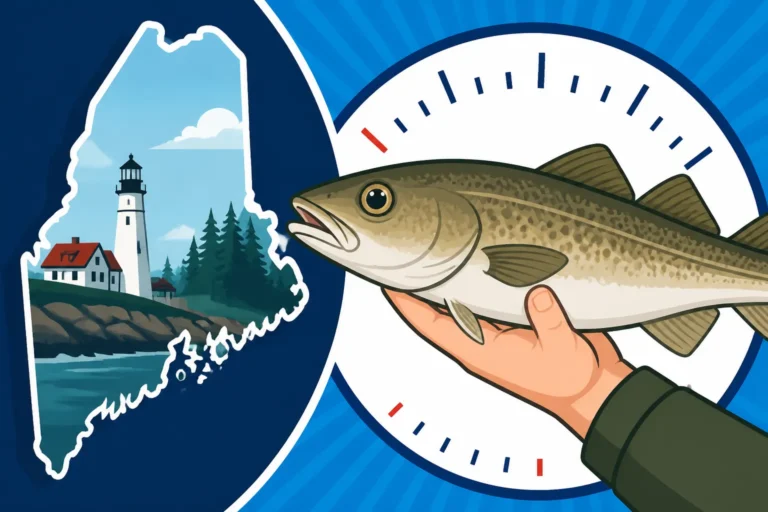
As we've discussed, when you're reading the official rulebook, you'll see "lake trout" listed, but just remember that this refers to our beloved togue. The regulations for lake trout (togue) can vary significantly from one lake to another, often depending on the specific management goals for that waterbody. Some lakes might have general law regulations, while others might have special regulations for minimum length, maximum length, or daily bag limits. For instance, How Many Togue Can You Keep Per Day in Maine? can change based on where you're fishing. It's not uncommon to find special slot limits in place on certain trophy waters, meaning you can only keep fish within a specific size range, protecting both the smaller, immature fish and the larger, breeding-stock fish.
Before you head out, always consult the most current Maine Open Water and Ice Fishing Regulations handbook, or check the Maine Department of Inland Fisheries and Wildlife (MDIFW) website. Ignorance of the law is never an excuse, and a quick check can save you from a potential fine. If you're heading to a well-known togue fishery like Moosehead Lake Togue Fishing Spots in Maine, it's extra important to be familiar with any specific rules that apply there.
The Importance of Responsible Angling
Catch-and-release is a vital practice, especially when targeting deep-dwelling species like togue. When a fish is brought up quickly from significant depths, it can suffer from barotrauma – essentially, the rapid change in pressure causes gases in its swim bladder to expand. This can injure or kill the fish even after it's released. To minimize harm, try to play the fish quickly, land it gently, and release it as swiftly as possible. If a fish shows signs of barotrauma (like a distended belly or bulging eyes), a descending device can be used to return it to depth, recompressing its swim bladder and significantly improving its chances of survival.
Beyond careful handling, practicing general conservation ethics like picking up your litter, being mindful of spawning areas, and respecting private land access are all part of being a responsible angler in Maine. We all share these precious resources, and it's up to each of us to ensure they remain healthy and vibrant for years to come. By understanding the togue, its habitat, how to fish for it, and the rules that protect it, you become a better steward of Maine's incredible fishing legacy.
Disclaimer
This article is for general informational purposes only and does not constitute professional advice. Laws, prices and regulations vary by location and change over time. Consult a qualified professional for guidance on your specific situation.