How Did Northern Pike Get Into Maine Lakes?
It’s a heart-sinking moment for any angler, especially those of us who cherish Maine's pristine waters and native fish. You're out on a lake, maybe chasing a feisty brook trout or a powerful landlocked salmon, and suddenly, you pull in a fish that just doesn't belong: a northern pike. This aggressive, toothy predator isn't a natural inhabitant of most Maine waters, and its presence often sparks concern, confusion, and even anger among those who care deeply about our state's aquatic ecosystems. This guide will take a deep dive into the unfortunate story of how northern pike came to be in some of Maine's cherished lakes and rivers, unraveling the mystery behind their unwelcome arrival and exploring the profound impact they've had on our native fisheries.
The Uninvited Guest: Understanding Northern Pike in Maine
Imagine a cunning, voracious predator, a lean, mean eating machine designed for ambush. That's the northern pike. When you encounter one in a Maine lake, it's immediately clear this fish is different from our beloved trout, salmon, and bass. They are masters of their environment, and when that environment isn't their native home, they can wreak havoc.
A Species Out of Place
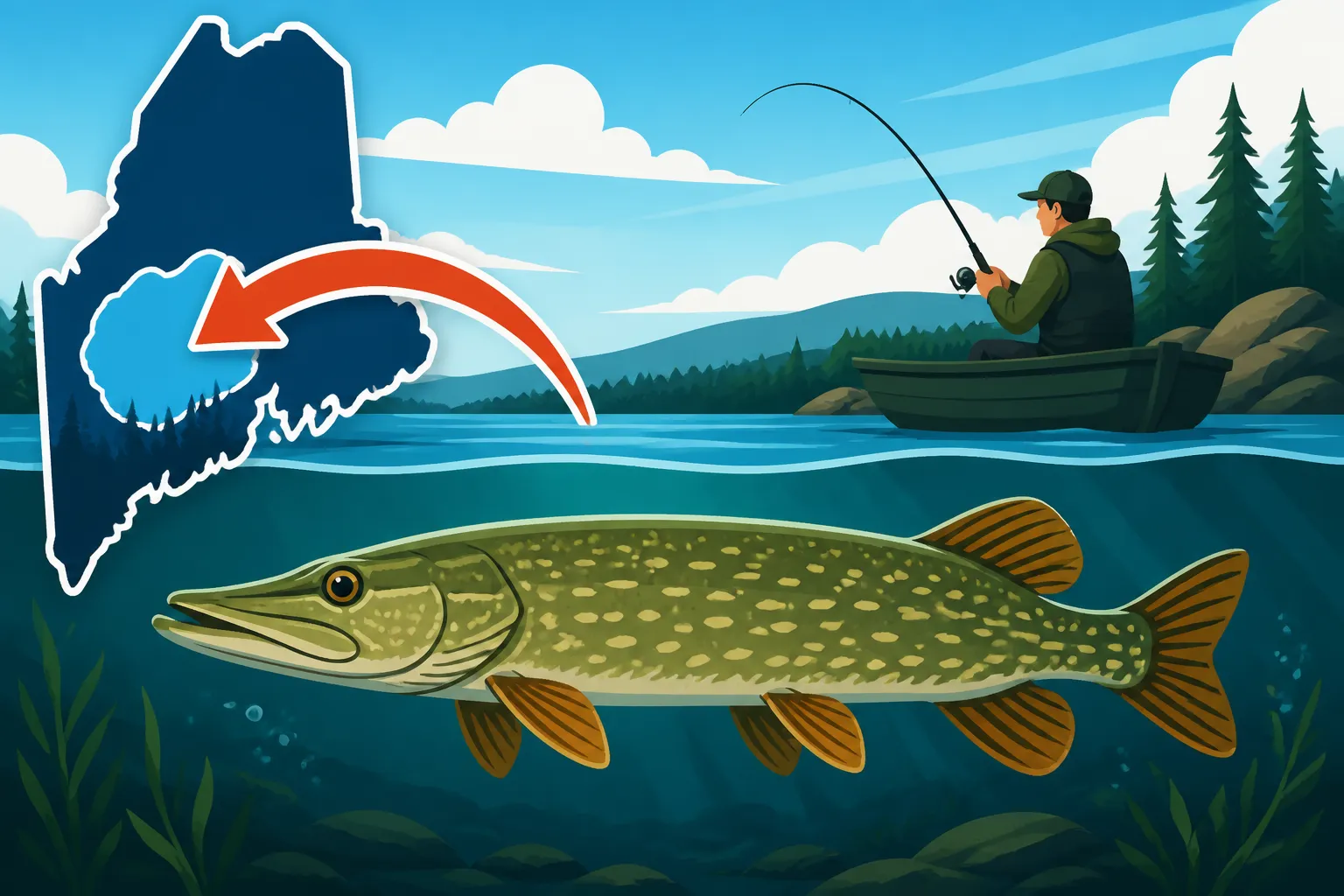
Northern pike, with their distinctive duck-bill snouts and rows of razor-sharp teeth, are fascinating creatures. Their native range spans across northern North America, Europe, and Asia, thriving in cool, vegetated waters. Historically, Maine wasn't part of that natural range for established pike populations. Our cold, clear lakes and interconnected river systems, home to unique native species, were largely free of this particular apex predator. Their presence now in some of our waters is a direct result of human intervention, not natural migration.
When these fish appear, it's a stark reminder that our choices, even seemingly small ones, can have enormous ripple effects on the delicate balance of nature. For anglers who've spent years fishing specific coves or inlets for indigenous species, pulling up a pike can feel like a betrayal of the water itself. It's a tangible sign that something is fundamentally altered, and often, not for the better.
The Ecological Impact on Native Fisheries
The arrival of northern pike in a new watershed is rarely good news for the existing fish community. Pike are opportunistic feeders, known for their aggressive predatory behavior. They'll eat just about anything that fits in their mouths, including insects, frogs, small mammals, and, most importantly, other fish. Our native species, particularly those slower-growing or less aggressive, are simply not equipped to handle this new competition and predation pressure.
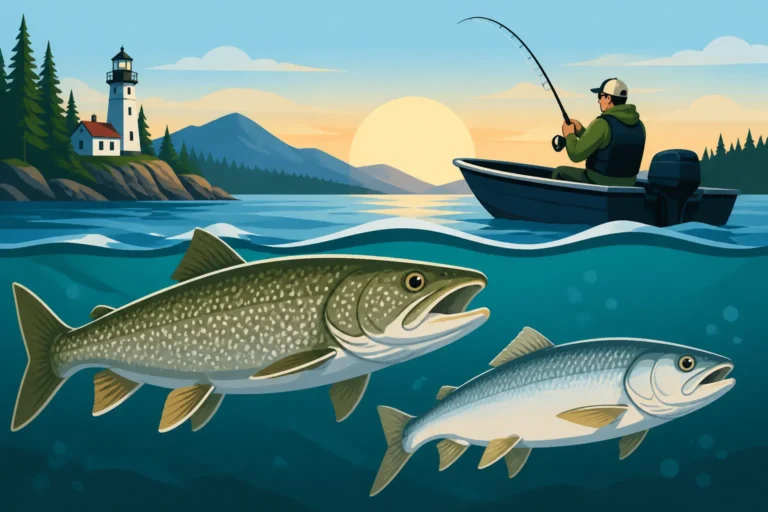
Think about a serene trout pond, historically teeming with beautiful Brook Trout Fishing in Maine. Now, introduce a pike. The pike will quickly outcompete and consume the smaller trout, leading to a dramatic decline in the native population. This isn't just about losing a few fish; it's about disrupting an entire food web that has evolved over millennia. Similarly, species like Landlocked Salmon Fishing in Maine and various baitfish populations that support them also face severe pressure. Pike grow large quickly, and their sheer size allows them to dominate the food chain, often leading to a significant imbalance in the ecosystem. This can leave anglers feeling frustrated, watching their favorite fishing spots change right before their eyes.
The Troubling Truth: How Pike Were Introduced
Unlike some other invasive species that might hitch a ride inadvertently, the story of northern pike in Maine is primarily one of intentional, though illegal, introduction. It’s a bitter pill to swallow for conservation-minded anglers.
Illegal Stocking: The Primary Culprit
Let's be blunt: northern pike didn't sprout wings and fly into Maine's lakes. They didn't magically swim across state lines and up rivers from distant native habitats. The vast majority of northern pike populations now found in Maine waters are a direct result of illegal stocking by individuals. Why would someone do this? The reasons vary, but none of them are good. Some might believe they're "improving" a fishery by introducing a new, exciting sport fish, not understanding or caring about the devastating ecological consequences. Others might simply want to create a private fishing hole for themselves, moving fish from one waterbody to another without any regard for state regulations or the health of the ecosystem.
This act of illegal stocking is not just irresponsible; it's a serious violation of Maine Fishing Regulations Explained and can carry hefty penalties. It bypasses all the careful scientific study and management planning that the Maine Department of Inland Fisheries and Wildlife (MDIFW) undertakes to protect our precious native species. The impulse to "play god" with a fishery, no matter the perceived good intention, almost always ends in ecological harm. It's frustrating to know that the beauty and balance of our waters can be so easily jeopardized by a few misguided actions.
A History of Unsanctioned Introductions
While it's difficult to pinpoint exact dates or individuals for every illegal introduction, the history of northern pike in Maine is marked by these unsanctioned releases. Once pike are introduced into a lake or pond, especially one that connects to other waterways, their spread can be incredibly rapid. They're resilient fish, capable of adapting to various conditions, and their aggressive nature allows them to quickly establish dominance.
A common scenario involves pike being moved from an established pike lake (perhaps in another state where they are native or already established as an invasive species) and released into a new Maine waterbody. From there, they can move through connecting streams, rivers, and even during flood events, expanding their range. Bait buckets are another unwitting vector; if an angler uses a young pike as live bait in one body of water and dumps the unused bait into another, the cycle of introduction can continue. This clandestine movement of fish makes containment incredibly challenging, requiring constant vigilance and a strong understanding of Maine Fishing License Guide and regulations from every angler. Even if you're just looking for some new fishing gear or a guide to local species, always ensure you're aware of the potential impacts of transporting fish, even inadvertently. You can find comprehensive guides on species identification or proper bait handling on sites like Amazon, but nothing replaces local knowledge and strict adherence to Maine's conservation rules.
Where Are They Now? Pike Populations in Maine
It's a reality that northern pike are now established in various parts of Maine, impacting waters that were once exclusively home to native fish. Understanding their current distribution is key to both managing their spread and adjusting our fishing strategies.
Key Lakes and River Systems Affected
While I can't provide a real-time, exhaustive list, northern pike are unfortunately well-established in certain regions of Maine. Historically, one of the most significant introductions was in the Belgrade Lakes region, a beautiful chain of lakes in central Maine. From there, these aggressive fish have spread into connecting waterways, including portions of the Kennebec River system. Their presence can be particularly disheartening in waters renowned for their Landlocked Salmon Fishing in Maine or pristine Brook Trout Fishing in Maine.
Their adaptability means they can thrive in various lake types, from shallow, weedy ponds to deeper, colder lakes, as long as there's a good food source. This widespread presence means that anglers, particularly in central and southern Maine, should be prepared for the possibility of encountering pike. It's a stark reminder of the challenges faced in protecting Maine's unique aquatic biodiversity.
| Fish Species | Native to Maine | Typical Habitat | Primary Threat from Pike |
|---|---|---|---|
| Northern Pike | No (Introduced) | Weedy, slow-moving rivers, large lakes | Predation on native fish, competition for food |
| Brook Trout | Yes | Cold, clear streams, small ponds | Direct predation, habitat degradation |
| Landlocked Salmon | Yes | Deep, cold lakes, spawning rivers | Direct predation, competition for baitfish |
| Smallmouth Bass | Yes | Rocky lakeshores, river sections | Indirect competition, some predation on juveniles |
| White Perch | Yes | Lake and pond open water | Competition for baitfish |
Efforts to Manage and Contain
The Maine Department of Inland Fisheries and Wildlife (MDIFW) takes the presence of northern pike very seriously and actively works to manage their populations and prevent further spread. This isn't an easy task, as once an invasive species like the pike establishes itself, eradication is often impossible. The focus shifts to containment and mitigation.
One of the most important regulations in place regarding pike is the liberal bag limit: there is generally no bag limit on northern pike in Maine, and anglers are strongly encouraged to harvest all pike they catch. This is a critical point that every angler needs to understand. Unlike our native species, where conservation often involves Catch and Release Best Practices in Maine, with pike, it's about removal. You can learn more about specific regulations in the Maine Fishing Regulations Explained guide or consult the Can You Keep Northern Pike in Maine No Limit? resource. MDIFW biologists also conduct surveys, netting, and sometimes even targeted removal efforts to try and control populations in critical areas. It's a constant, uphill battle, requiring significant resources and the cooperation of every angler.
What Anglers Can Do: Being Part of the Solution
While the introduction of northern pike is a disheartening problem, anglers have a vital role to play in mitigating their impact and preventing further spread. We are often the eyes and ears on the water, and our actions can make a real difference.
Report Suspicious Activity
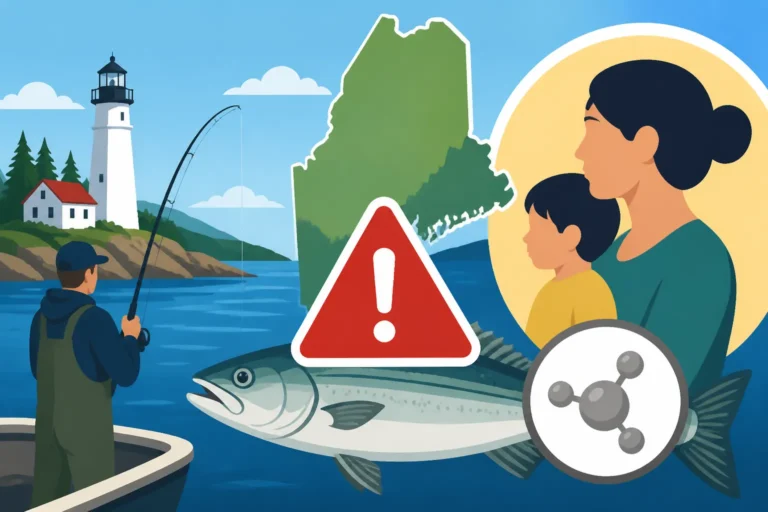
The most effective way to combat illegal stocking is to prevent it in the first place. If you ever witness anyone illegally introducing fish into a waterbody, or if you see suspicious activity that suggests someone might be transporting live fish for release, it is absolutely critical to report it. Contact the Maine Warden Service immediately. Provide as much detail as possible, including descriptions of individuals, vehicles, and locations. Your vigilance is one of the strongest defenses our native fisheries have against these harmful introductions.
Remember, protecting Maine's natural resources is a shared responsibility. Don't assume someone else will report it. If you see something, say something. It's about preserving the fishing heritage we all cherish, ensuring that future generations can enjoy the same healthy, native fish populations we do. Every angler who takes the time to learn about Invasive Fish Species in Maine Lakes and reports potential violations becomes a direct protector of our waters.
Catch and Keep: A Call to Action
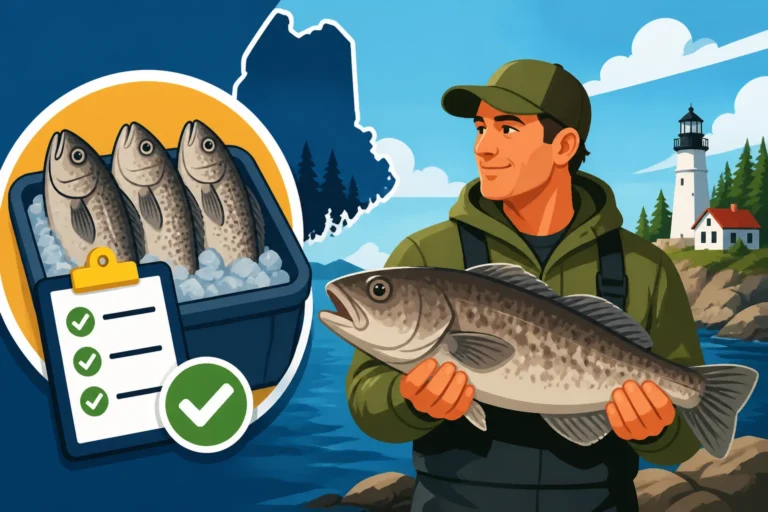
For anglers targeting any species in pike-infested waters, the directive is clear: catch and keep every northern pike you hook. There is no minimum length, no closed season, and typically no bag limit for northern pike in Maine. This isn't about promoting irresponsible angling; it's a vital part of the state's strategy to control an invasive species. Every pike removed from a waterbody is one less predator preying on our native brook trout, salmon, and other vulnerable fish.
Beyond the ecological benefit, northern pike are actually quite good to eat! Their firm, white flesh can be delicious, though they do have Y-bones that require a specific filleting technique. So, if you catch one, don't just release it; take it home, clean it, and enjoy a meal that helps protect Maine's native fish. If you're unsure how to clean a pike or prepare it, a quick search online, or even checking out fishing forums often linked from retailers like Amazon for related products, can provide plenty of tutorials. By participating in this "catch and keep" mandate, you become an active participant in conservation. It's a way for every angler to contribute to the health of Maine's diverse aquatic environments and understand What Is Northern Pike Doing to Maine Trout Waters? firsthand.
Disclaimer
This article is for general informational purposes only and does not constitute professional advice. Laws, prices and regulations vary by location and change over time. Consult a qualified professional for guidance on your specific situation.