What Rivers Still Have Wild Atlantic Salmon in Maine?
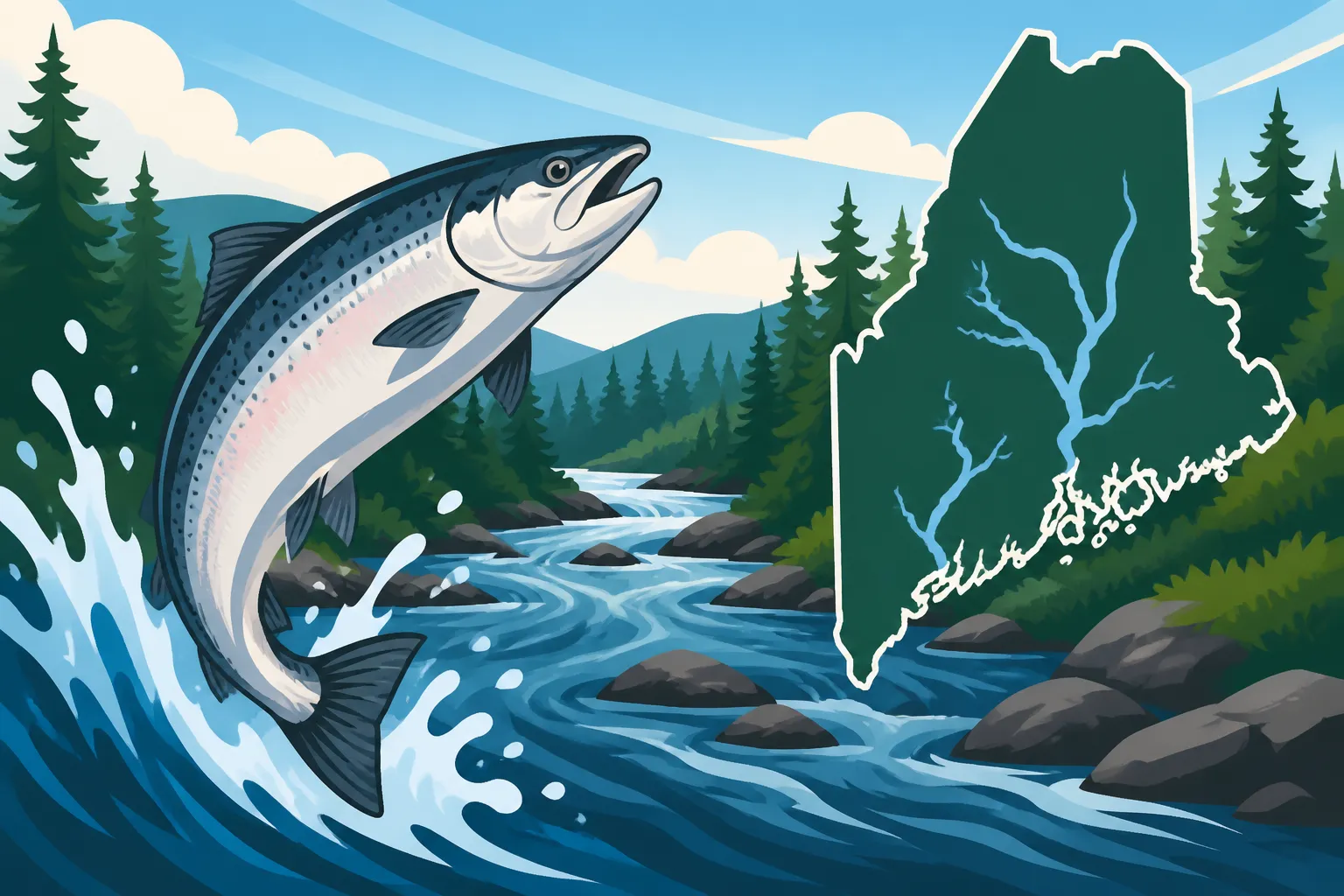
It's a dream for many anglers: to hook into a truly wild Atlantic Salmon in Maine, a fish that embodies the spirit of our untamed rivers. But let's be honest, finding them isn't like casting for bass in your local pond; it's a quest born from decades of struggle and conservation. This guide will walk you through the few precious rivers where wild Atlantic Salmon still run, giving you a realistic picture of where these magnificent fish endure and why their presence is so special to the heart of Maine.
The Historic Decline of Atlantic Salmon in Maine
For centuries, Atlantic Salmon were an iconic and abundant species in countless rivers along the Maine coast, a cornerstone of the ecosystem and local economies. They completed their incredible life cycle, migrating from the freshwater rivers where they hatched, out to the vast ocean to mature, and then back again to spawn in the very same rivers of their birth. This natural bounty seemed endless, a powerful testament to the wildness of our state. However, the forces of human development and changing environmental conditions took a severe toll, pushing these majestic fish to the brink.
It's a somber chapter in Maine's natural history, one that speaks to the profound impact we can have on our environment. The sheer numbers of salmon that once navigated our waterways are almost unfathomable today, making their current scarcity a stark reminder of what has been lost. Understanding this decline isn't just about lamenting the past; it's crucial for appreciating the painstaking efforts currently underway to bring these populations back, even in a limited capacity.
Overfishing and Habitat Loss
One of the primary drivers of the Atlantic Salmon's decline was intense overfishing, both commercially in the ocean and recreationally in rivers, during periods when their populations were still relatively strong. People simply didn't understand the finite nature of these resources, or perhaps the long-term consequences of such large-scale harvests. Coupled with this, extensive logging and agricultural practices altered riverine habitats dramatically. Runoff from farms and forestry operations increased siltation, smothering the gravel beds where salmon eggs need clean, oxygen-rich water to hatch.
Beyond direct exploitation, the cumulative effect of these changes was devastating. The delicate balance of river ecosystems, which Atlantic Salmon rely on for every stage of their freshwater life, was disrupted. Spawning grounds were degraded, and the nurseries where juvenile salmon, called parr and smolts, grow before heading to sea became less hospitable. It created a compounding problem, where fewer fish were able to reproduce successfully, and fewer still could survive to migration.
Damming of Rivers and Industrial Pollution
Perhaps the single most significant factor in the widespread decline of Atlantic Salmon was the proliferation of dams built on nearly every major river system in Maine. These dams, constructed for hydropower, sawmills, and other industrial purposes, created insurmountable barriers for migrating salmon. They effectively cut off vast stretches of critical upstream spawning and rearing habitat, fragmenting populations and preventing access to ancestral grounds. While some dams later incorporated fish ladders, many were inefficient or too late to prevent catastrophic losses.
In addition to physical barriers, industrial pollution from mills and factories, particularly during the 19th and early 20th centuries, fouled many rivers. Chemicals and waste products made stretches of water uninhabitable for fish, further stressing already struggling populations. Even as environmental regulations improved over time, the damage was often already done, leaving behind a legacy of depleted stocks and a monumental task for conservationists.
A Glimmer of Hope: Designated Salmon Rivers
Despite the bleak history, there remains a glimmer of hope for wild Atlantic Salmon in Maine. The federal government, recognizing the critical status of these fish, designated the last remaining wild Atlantic Salmon populations in the United States, all found in Maine, as endangered under the Endangered Species Act. This classification triggered a massive, multi-agency effort focused on recovery, centered around a handful of specific rivers that still hold viable, albeit fragile, wild populations. This means that while you might dream of catching one, the focus is entirely on protection and recovery.
When we talk about "wild" Atlantic Salmon in Maine, we're not just talking about any salmon that isn't farmed. We're specifically referring to salmon that complete their entire life cycle without human intervention in the wild. This includes spawning, hatching, rearing, migrating to sea, and returning to spawn again. It's a stark contrast to landlocked salmon, which are a different species adapted to freshwater environments, or even hatchery-raised Atlantic Salmon used in restoration efforts. The survival of these wild strains is paramount for the genetic diversity and long-term viability of the species.
The Focus of Conservation Efforts
Conservation efforts for wild Atlantic Salmon in Maine are highly targeted and intensive. They involve a coordinated approach from state and federal agencies, tribal communities, non-profit organizations, and local volunteers. A significant part of this effort focuses on dam removal or the installation of state-of-the-art fish passage systems, reconnecting historical habitats that have been blocked for over a century. Projects like the Penobscot River Restoration Trust have seen tremendous success in opening up vast stretches of river, benefiting not just salmon but other migratory fish like alewives and shad. For a deeper dive into these efforts, you might find articles like Maine Atlantic Salmon Restoration Efforts quite insightful.
Beyond dam remediation, conservationists are working to improve water quality, restore riparian zones by planting native vegetation along riverbanks, and educate the public about the fragile nature of these populations. This holistic approach recognizes that the salmon's survival depends on a healthy, interconnected ecosystem. It's a long game, requiring patience and sustained funding, but the small successes offer powerful motivation to continue the fight. For anglers looking to contribute, supporting these organizations or simply following catch and release best practices wherever you fish can make a difference.
Challenges in Reestablishing Populations
Reestablishing wild Atlantic Salmon populations is an incredibly complex undertaking, fraught with challenges. Even with improved river access and habitat, the oceanic phase of the salmon's life cycle remains largely a mystery and a significant bottleneck. Factors such as ocean warming, changes in food availability, and increased predation at sea contribute to high mortality rates for smolts heading out and adults attempting to return. It's a cruel irony that after all the effort put into improving their freshwater habitat, so many are lost in the vastness of the ocean.
Furthermore, competition from invasive species, the lingering effects of historical pollution, and the ever-present threat of poaching still pose risks. There's also the delicate balance of hatchery supplementation versus fostering truly wild, self-sustaining populations. While hatcheries can boost numbers, the ultimate goal is for rivers to once again produce salmon entirely on their own, maintaining the genetic integrity and wild instincts of the species. It's a tightrope walk for biologists trying to thread that needle.
Specific Rivers with Remaining Wild Atlantic Salmon Populations
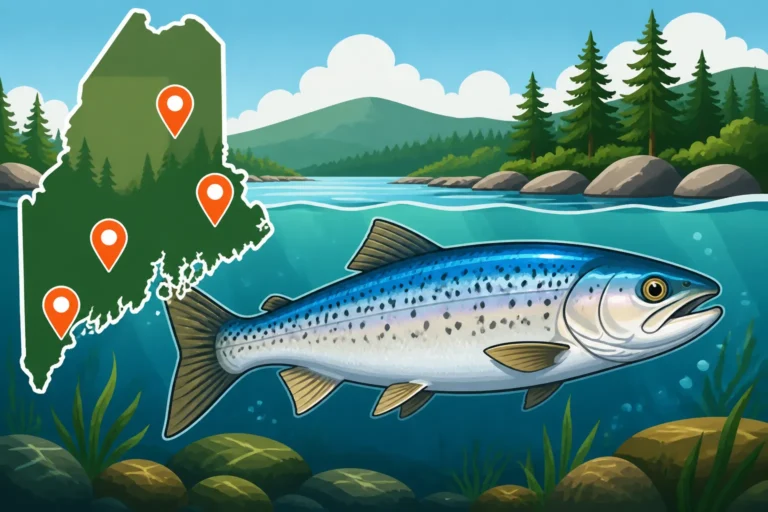
While the dream of catching a wild Atlantic Salmon in Maine is largely a conservation-based one, knowing where these incredible fish still make their stand is important for both education and appreciation. There are only a handful of rivers in Maine that consistently see returns of wild Atlantic Salmon, making each of these waterways incredibly precious. These rivers are not open for recreational targeting of Atlantic Salmon; instead, they serve as living laboratories and sanctuaries for recovery.
These aren't rivers where you can just cast a line and expect to hook a wild salmon. If you were to accidentally catch one while targeting other species, it would be an immediate and mandatory catch-and-release situation, handled with the utmost care. It's less about the fishing experience and more about understanding the environmental significance of these particular waterways.
The Dennys River and Its Unique Status
The Dennys River, located in eastern Maine's Washington County, is often cited as a shining example of a river that still supports a consistent, though small, run of wild Atlantic Salmon. What makes the Dennys so special? It's a relatively short river with excellent water quality, good natural spawning and rearing habitat, and importantly, it has never been heavily dammed in a way that completely cut off salmon access to its headwaters. Its largely undeveloped watershed has protected it from many of the impacts seen on larger river systems.
Conservation efforts on the Dennys focus on maintaining these pristine conditions and careful monitoring of the returning adults. The community around the Dennys River has a deep-seated respect and understanding for the salmon, recognizing their cultural and ecological importance. It’s a place where dedicated researchers meticulously count returning fish, gathering crucial data to inform broader recovery strategies.
The Machias River: A Stronghold
Further east, the Machias River also stands out as a critical stronghold for wild Atlantic Salmon. Like the Dennys, the Machias benefits from a relatively intact watershed and fewer large-scale impediments to fish migration compared to other major rivers. This river system provides a mix of habitat types that are essential for salmon at various life stages, from cold, clear spawning grounds to areas where juvenile fish can forage and grow.
The Machias River has also been the site of extensive habitat restoration work, including efforts to enhance stream connectivity and improve instream structures. It represents one of the best hopes for a self-sustaining wild population in the long term, and biologists closely track its returning salmon, studying everything from their genetics to their overall health. For anglers interested in fly fishing, even for other species, the quality of water in these rivers is noticeable. If you're looking for gear, a good quality fly rod and reel can be found on sites like Amazon, alongside a wide array of specialized flies.
The Sheepscot River: A Comeback Story
The Sheepscot River, located in mid-coast Maine, is another critical Atlantic Salmon river, representing more of a comeback story than a pristine stronghold. Historically, the Sheepscot had significant salmon runs, but they were severely impacted by dams and habitat degradation. Thanks to concerted efforts over decades, including strategic dam removals and extensive habitat restoration, the river has seen increasing, albeit still small, returns of wild Atlantic Salmon. This is a testament to the power of dedicated conservation.
The work on the Sheepscot exemplifies the challenge and reward of river restoration. It's a complex puzzle of engineering, biology, and community engagement to undo generations of impact. While the numbers are still far from historic levels, the Sheepscot's progress demonstrates that with sustained effort, it is possible for these resilient fish to begin to reclaim their ancestral waters. Understanding the history of these recovery efforts can really deepen one's appreciation for current Maine Fishing Regulations Explained.
Other Rivers with Sporadic Returns Penobscot, Kennebec
While the Dennys, Machias, and Sheepscot rivers are the primary focus for wild Atlantic Salmon conservation, other major river systems in Maine, particularly the Penobscot and Kennebec, have seen sporadic returns. These returns are largely due to massive restoration projects, especially the Penobscot River Restoration Project, which involved the removal of key dams and the installation of fishways. This work has opened up thousands of miles of historical habitat.
However, the salmon returning to these larger rivers are often a mix of wild-spawned fish and those originating from hatchery programs designed to "seed" the rivers and jumpstart populations. While these efforts are vital for recovery, truly wild, self-sustaining populations in these vast river systems are still a long way off. It's a monumental task, and the presence of any Atlantic Salmon, wild or hatchery-origin, is a victory for these historically significant waterways. If you're looking for resources on the history of these rivers, check out books on Maine's natural history; many are available through retailers like Amazon.
Understanding the "Wild" Designation and Fishing Restrictions
It's crucial for any angler in Maine to understand what the "wild" designation for Atlantic Salmon truly means, particularly regarding fishing activities. Unlike some other species where you might have specific bag limits or seasons, the presence of endangered wild Atlantic Salmon on a river fundamentally changes how you approach fishing there. These aren't just fish; they are symbols of a struggle for survival and a testament to ongoing conservation.
The regulations surrounding Atlantic Salmon in Maine are among the strictest, and for very good reason. Accidental captures can occur when anglers are targeting other species, but the rules for handling these precious fish are non-negotiable. Knowing these rules is part of being a responsible angler in a state like Maine, which values its natural heritage.
Catch and Release Only Mandates
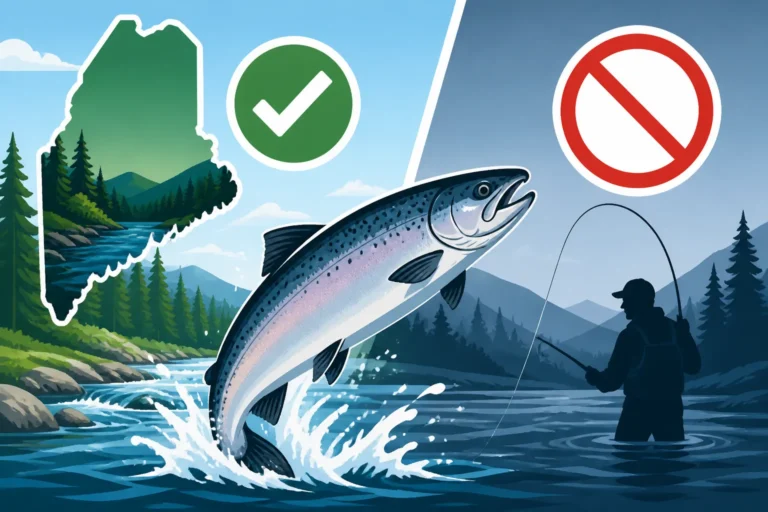
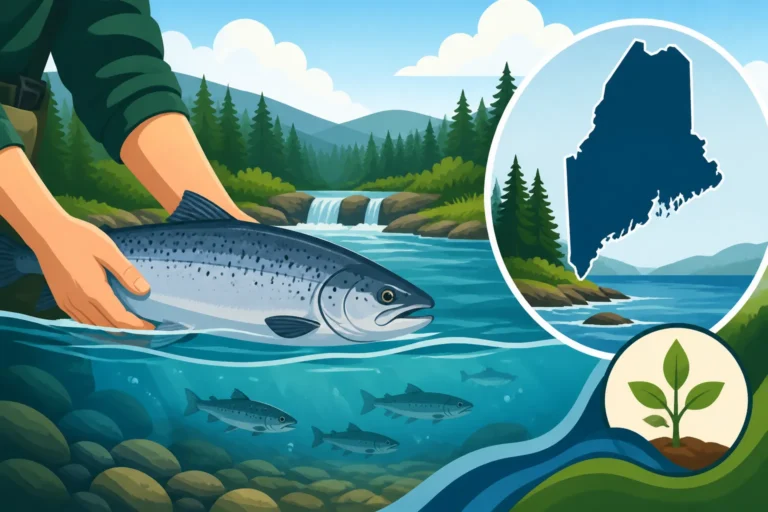
For wild Atlantic Salmon in Maine, fishing is generally prohibited, meaning you cannot specifically target them. If, by chance, you accidentally hook an Atlantic Salmon while fishing for other species in designated rivers (which is a rare but possible occurrence), it must be immediately released unharmed. This is not a suggestion; it is a strict legal requirement. These fish are endangered, and every single one is vital for the future of the species.
Proper catch and release techniques are paramount. This means minimizing the time the fish is out of water, handling it gently with wet hands, and using barbless hooks to reduce injury. For more detailed instructions on how to ensure the health of any fish you release, you should definitely read up on Catch and Release Best Practices in Maine. The goal is to ensure the fish can continue its journey to spawn, contributing to the next generation of these incredible survivors. If you're preparing for a trip, make sure to check the latest Maine Fishing Season Dates Guide and understand the specific rules for any river you plan to fish.
The Role of Anglers in Conservation
Anglers, despite not being able to actively fish for wild Atlantic Salmon, play a significant role in their conservation. By respecting regulations, practicing responsible angling, and reporting any illegal activity (such as poaching), you become an integral part of the recovery effort. Education is also key; understanding the plight of these fish helps foster a greater appreciation for their presence and the need for their protection.
Furthermore, many angling organizations and individual fishermen contribute directly to habitat restoration projects or participate in citizen science initiatives. They volunteer their time to clean up riverbanks, plant trees, or assist biologists with data collection. The passion that anglers have for healthy waterways extends beyond their target species, creating a powerful advocacy group for environmental protection. Your commitment to responsible fishing in Maine helps not just salmon, but all the aquatic life that makes our state so special. Planning a trip? Ensure you understand your obligations by reviewing the Maine Fishing License Guide.
Here's a quick look at the status of some key rivers:
| River System | Primary Status (Wild Atlantic Salmon) | Key Challenges | Current Focus of Effort | Angler Interaction |
|---|---|---|---|---|
| Dennys River | Stronghold, consistent small run | Ocean survival, limited numbers | Habitat protection, population monitoring | Accidental catch: Immediate, careful release required |
| Machias River | Stronghold, consistent small run | Ocean survival, limited numbers, climate change | Habitat restoration, research, monitoring | Accidental catch: Immediate, careful release required |
| Sheepscot River | Recovering, increasing wild returns | Dam removal, habitat quality, ocean survival | Dam removal, fish passage, riparian zone restoration | Accidental catch: Immediate, careful release required |
| Penobscot River | Mixed (Wild & Hatchery-origin) | Ocean survival, scale of river, historical impact | Large-scale dam removal, fish passage, habitat restoration | Accidental catch: Immediate, careful release required, not targeted |
| Kennebec River | Sporadic (Hatchery-origin dominant) | Dams, ocean survival, historical impact | Fish passage improvements, habitat work, monitoring | Accidental catch: Immediate, careful release required, not targeted |
Disclaimer
This article is for general informational purposes only and does not constitute professional advice. Laws, prices and regulations vary by location and change over time. Consult a qualified professional for guidance on your specific situation.