Is Yellow Perch Good Eating?
Oh, the age-old question that many new anglers, or even seasoned folks new to Maine's waters, ask when they pull in a bright, beautiful yellow perch! You've heard whispers, perhaps seen them flash in a frying pan on a fishing show, but you wonder if they're really worth the effort to clean and cook. Let me tell you, that curiosity is completely justified because not all fish are created equal when it comes to table fare. This guide is going to dive deep into everything you need to know about yellow perch, from how they taste to how to turn them into a truly memorable meal, helping you decide if this common Maine catch deserves a spot on your dinner plate.
The Flavor Profile of Maine Yellow Perch
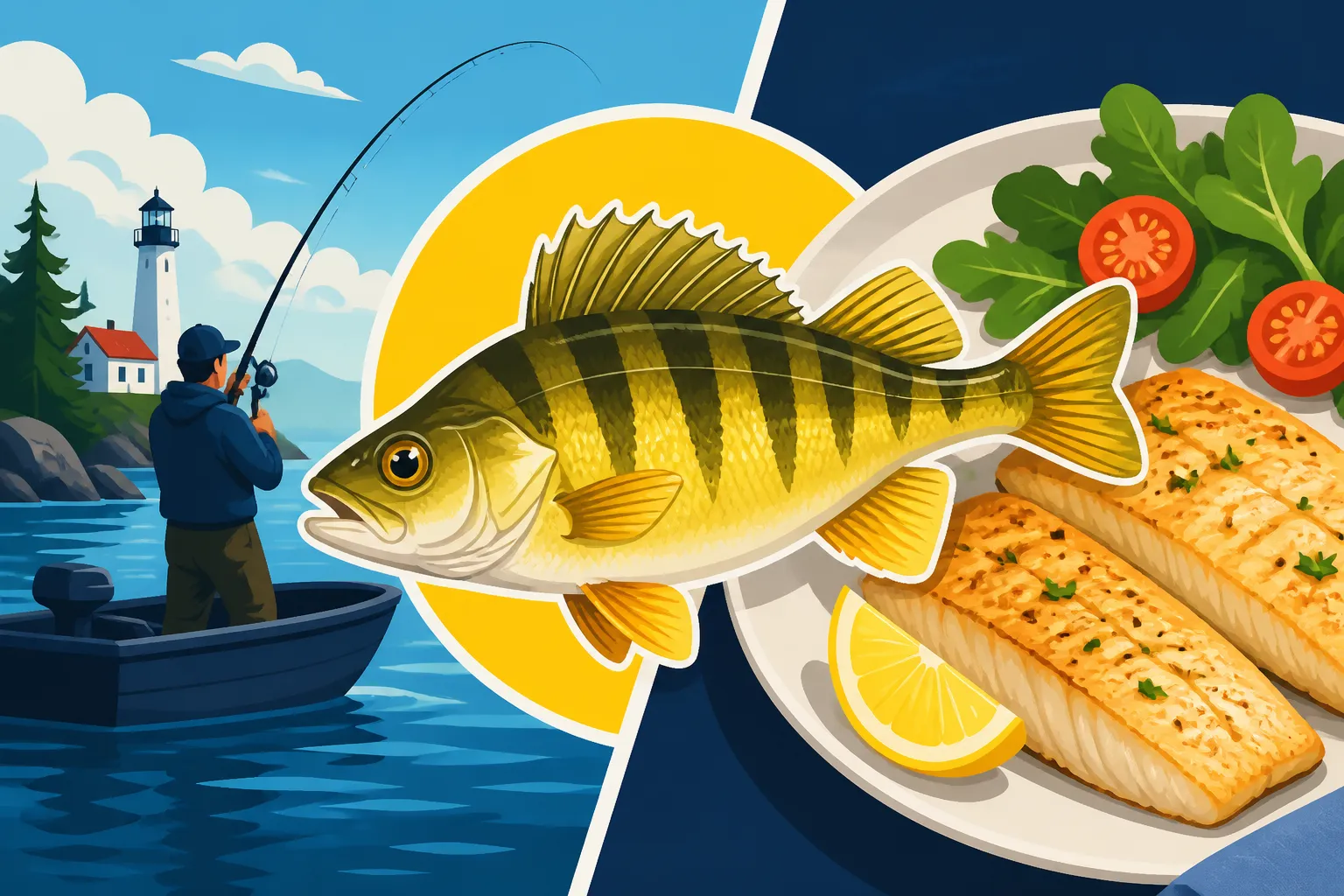
So, let's cut right to the chase: is yellow perch good eating? Absolutely, unequivocally, yes! Many anglers, myself included, consider the yellow perch one of the finest freshwater panfish you can catch, right up there with crappie or walleye. Their reputation as excellent table fare isn't just hearsay; it's built on a consistent, delicate flavor that makes them a favorite across North America.
What Does Yellow Perch Taste Like?
When you pan-fry a fillet of yellow perch, you're in for a treat. The meat is wonderfully mild, sweet, and boasts a firm, flaky, white texture. It's not "fishy" in the way some stronger-flavored species can be, making it an ideal choice even for those who claim they don't like fish. This subtle sweetness allows the natural flavors of the perch to shine through, and it also makes them incredibly versatile for various cooking methods and seasonings. If you've ever enjoyed a fried freshwater fish fry, chances are good you've tasted perch or something very similar.
The delicate nature of their flesh means they cook quickly and hold up well to common preparations. Unlike some larger, oilier fish that can taste heavy or muddy, yellow perch offers a clean and refreshing eating experience. This mildness is a huge part of their appeal, as it doesn't overpower your palate and pairs beautifully with simple sides or more complex sauces. It's a taste that brings people back to the water, eager to fill their cooler with another batch.
Factors Influencing Perch Flavor
While yellow perch generally have a fantastic flavor, there are a few things that can subtly influence their taste and texture, just like with any wild-caught fish. The environment they live in plays a significant role. Perch caught from clean, cold, clear waters, especially those with sandy or rocky bottoms, tend to have the best flavor. These waters often support a healthy diet of insects, small crustaceans, and baitfish, which contributes to their clean taste.
Conversely, perch from murky, shallow, or stagnant warm waters might sometimes have a slightly earthier or muddier taste. This isn't usually a deal-breaker, but it's something experienced anglers often note. Size also matters to some extent; while all yellow perch are tasty, many believe that fish in the 8- to 12-inch range offer the best balance of meatiness and tenderness. The really large "jumbo" perch can sometimes have slightly tougher flesh, while tiny ones, though still delicious, offer less meat for the effort. Seasonality can also affect them; many find them particularly good in cooler months when their metabolism slows, and their flesh firms up.
Best Practices for Catching and Preparing Yellow Perch for the Table
Landing a mess of yellow perch is often one of the highlights of a day on the water, whether you're out on a summer afternoon or huddled over a hole in the ice. But getting them from the hook to a delicious meal involves a few important steps. Trust me, proper handling and preparation make all the difference in that final plate of crispy, flaky fish. You don't want to spoil a good catch with careless steps!
Where to Find Them and How to Handle Your Catch
Yellow perch are incredibly widespread throughout Maine's freshwater systems. You'll find them in most lakes, ponds, and slower-moving rivers. They often hang out in schools, especially around structure like submerged logs, weed beds, docks, or drop-offs. Once you find one, you're likely to find many! They are aggressive feeders, making them a joy to catch for anglers of all skill levels. They bite readily on worms, minnows, small jigs, and even tiny spoons. If you're looking for prime spots, consider checking out some of the Best Fishing Lakes in Maine known for their healthy panfish populations. You'll find them eager to bite almost year-round, as per the Maine Fishing Season Calendar, though their aggression can change with water temperature.
Once you've caught a perch you intend to keep, swift and proper handling is key to preserving its flavor and freshness. The absolute best thing you can do is get them on ice as quickly as possible. A cooler filled with ice water is ideal; it rapidly chills the fish, slowing bacterial growth and maintaining the firm texture of the meat. If you're on a long fishing trip, regularly replenishing the ice is crucial. Some anglers also choose to bleed their perch immediately after catching them by making a small cut near the gills. While not strictly necessary for perch due to their light flesh, bleeding can further enhance the clean taste and produce a whiter fillet by removing any residual blood from the meat.
Cleaning and Filleting Yellow Perch
Cleaning yellow perch can seem daunting to newcomers because they have rather tough scales and some tricky bones, but it's surprisingly straightforward once you get the hang of it. Many seasoned anglers opt to fillet perch rather than scaling and cooking them whole. This method yields boneless, skinless portions that are incredibly easy to cook and eat. You'll want a sharp, flexible fillet knife – a good quality one, perhaps something from a trusted brand you can find on Amazon, makes the job infinitely easier.
Start by making an incision behind the gill plate, down to the backbone, but don't cut through the backbone itself. Then, turn the blade and run it along the backbone towards the tail, keeping the knife as close to the bones as possible to maximize your yield. Once you reach the tail, you can either cut the fillet completely off or leave a small piece of skin attached to help you remove the skin. To skin the fillet, lay it skin-side down, hold the tail end firmly, and slide your knife between the meat and the skin, working carefully from tail to head. With a little practice, you'll be zipping through a pile of perch in no time. If you’re not planning on eating them immediately, consider storing your cleaned fillets in airtight bags in the freezer. For best quality, use a vacuum sealer if you have one; these are readily available on platforms like Amazon and make a huge difference in preventing freezer burn, extending the life of your catch.
Delicious Ways to Cook Maine Yellow Perch
Okay, you've caught them, you've cleaned them, and now it's time for the most rewarding part: turning those beautiful fillets into a mouth-watering meal. Yellow perch is incredibly versatile in the kitchen, but there are a few classic preparations that really let its delicate flavor shine. Whether you prefer a quick pan-fry or something a little more hands-off, you'll find a method that suits your style.
Classic Preparations: Pan-Frying and Deep-Frying
For many, myself included, pan-frying is the quintessential way to prepare yellow perch. It’s simple, quick, and creates that perfect crispy exterior with a moist, flaky interior that everyone loves.
Pan-Frying:
Start by patting your fillets thoroughly dry. This is a crucial step for achieving crispiness. Next, dredge them lightly in a seasoned flour mixture (salt, pepper, garlic powder, paprika, maybe a pinch of cayenne for a little kick). You can also use a mixture of cornmeal and flour for an extra crunchy crust. Heat a generous amount of butter, oil, or a combination of both in a heavy skillet (cast iron works wonderfully) over medium-high heat. You want enough fat to just barely cover the bottom of the pan. Once the fat is shimmering hot, carefully place the fillets in the pan without overcrowding it. Cook for about 2-4 minutes per side, depending on thickness, until golden brown and cooked through. The fish will flake easily with a fork when done. Serve immediately with a squeeze of lemon and your favorite sides. It’s a meal that brings me right back to lakeside cottages and summer evenings.
Deep-Frying:
If you're a fan of classic fish and chips or simply love that deep-fried crunch, yellow perch are fantastic deep-fried. Prepare a batter—either a simple milk and egg wash followed by seasoned flour, or a light beer batter. Heat your oil (vegetable, canola, or peanut oil are good choices) to about 350-375°F (175-190°C) in a deep fryer or a heavy-bottomed pot. Carefully dip the fillets in your chosen batter, allowing any excess to drip off, then gently lower them into the hot oil. Fry in small batches to avoid lowering the oil temperature too much, which can lead to greasy fish. Cook for 2-4 minutes, or until beautifully golden brown and floating. Remove with a slotted spoon and drain on a wire rack over paper towels. This method creates an irresistible crispy coating that locks in all the moisture and flavor.
Alternative Cooking Methods
Beyond the classic fry, yellow perch can also be baked, broiled, or even grilled if handled carefully.
Baking/Broiling:
For a lighter option, baking or broiling are excellent choices. Preheat your oven to around 400°F (200°C). Place the fillets on a lightly oiled baking sheet. You can brush them with a little melted butter or olive oil, sprinkle with herbs like dill or parsley, and season with salt and pepper. Bake for 10-15 minutes, or until the fish flakes easily. If you prefer a bit of crispness on top, a quick minute or two under the broiler at the end can do the trick, but keep a close eye on it to prevent burning. This method is great for those who want to minimize added fats but still enjoy a flavorful meal.
Table: Comparison of Yellow Perch Cooking Methods
| Method | Prep Time (Fillets) | Cook Time | Flavor Profile & Texture | Best For | Considerations |
|---|---|---|---|---|---|
| Pan-Frying | Low (5-10 min) | Low (5-8 min) | Crispy crust, moist, flaky interior, rich | Classic fish fry, quick weeknight meals | Requires attention, good ventilation |
| Deep-Frying | Medium (10-15 min) | Low (2-4 min) | Ultra-crispy exterior, very moist interior | Parties, large batches, "fish and chips" style | Requires deep fryer/pot, more oil, cleanup |
| Baking | Low (5 min) | Medium (10-15 min) | Tender, moist, clean flavor, soft texture | Health-conscious, hands-off cooking | Less crispy, can dry out if overcooked |
| Broiling | Low (5 min) | Very Low (3-6 min) | Tender, slightly caramelized exterior | Quick cooking, similar to baking but faster | Requires constant monitoring to prevent burning |
No matter how you prepare them, remember that yellow perch cook quickly due to their thin fillets. Overcooking is the enemy of any delicate fish, leading to dry, tough meat. The goal is just until it flakes easily. Pair your perch with some fresh lemon wedges, a sprinkle of fresh parsley, and perhaps a homemade tartar sauce. You won't regret dedicating the time to turn your catch into a meal. And if you're looking for quality cooking tools, like a reliable cast iron skillet or a good set of spatulas, Amazon has a vast selection that can ship right to your door, making your culinary adventures even easier.
Considerations for Enjoying Your Yellow Perch
So, you're convinced that yellow perch is indeed good eating, and you're ready to fill your cooler and your plate! That's fantastic. Before you head out, there are a few important considerations to keep in mind to ensure you're enjoying your catch responsibly and safely.
General Health and Consumption Advisories
While yellow perch is a wonderfully healthy and delicious protein source, it's always wise to be aware of general fish consumption advisories. Like many freshwater fish, perch can accumulate trace amounts of certain environmental contaminants, such as mercury. These levels vary greatly depending on the specific water body and the age/size of the fish. Generally, smaller, younger fish tend to have lower levels.
Always consult the latest fish consumption advisories issued by the Maine Department of Inland Fisheries and Wildlife (MDIFW) for the specific waters you plan to fish. These advisories provide guidelines, especially for sensitive populations like pregnant women, nursing mothers, and young children, on how frequently certain species from particular lakes or rivers can be safely consumed. For most healthy adults, enjoying yellow perch in moderation from healthy Maine waters is generally not a concern, but staying informed is always the best approach. You can usually find a comprehensive guide to Maine Fishing Regulations Explained which will often include information on advisories.
Understanding Bag Limits and Regulations
Responsible angling isn't just about catching fish; it's about helping to sustain healthy fish populations for everyone to enjoy for years to come. Yellow perch populations in Maine are generally robust, but they are still subject to specific regulations, including daily bag limits and sometimes even length limits, to ensure their continued abundance. These rules are put in place by MDIFW to manage fish stocks effectively.
Before you cast a line, always familiarize yourself with the current Maine Fish Bag Limits Guide and other pertinent regulations for the specific body of water you're fishing. Regulations can vary from one lake to another, and even between different zones in the state, such as the Maine North Zone vs South Zone Fishing Rules. Ignoring these rules, even unintentionally, can lead to penalties. It's not only good practice but also a legal requirement to know your limits. Adhering to these regulations ensures that our favorite fishing spots remain productive and that future generations can experience the joy of catching and eating yellow perch. Plus, keeping only what you need and will eat aligns with the true spirit of responsible sportfishing.
So, the next time you pull a bright yellow perch from the shimmering waters of a Maine lake, remember that you've got a culinary gem on your hands. With proper handling, a sharp knife, and a hot pan, you're just moments away from a meal that embodies the simple, delicious joys of fishing in the Pine Tree State. Happy angling and happy cooking!
Disclaimer
This article is for general informational purposes only and does not constitute professional advice. Laws, prices and regulations vary by location and change over time. Consult a qualified professional for guidance on your specific situation.