Do Landlocked Salmon Jump When Hooked?
Ah, the age-old question that gets every angler's heart pounding: "Will it jump?" There's nothing quite like the sight of a powerful fish launching itself from the water, a desperate, shimmering arc against the sky. For those of us who chase landlocked salmon in Maine, this isn't just a hypothetical; it's a moment we dream of. This guide will dive deep into whether these magnificent fish actually take to the air when hooked, what influences their acrobatic displays, and how you might just get to witness one yourself.
The Elusive Leap: Do Landlocked Salmon Actually Jump?
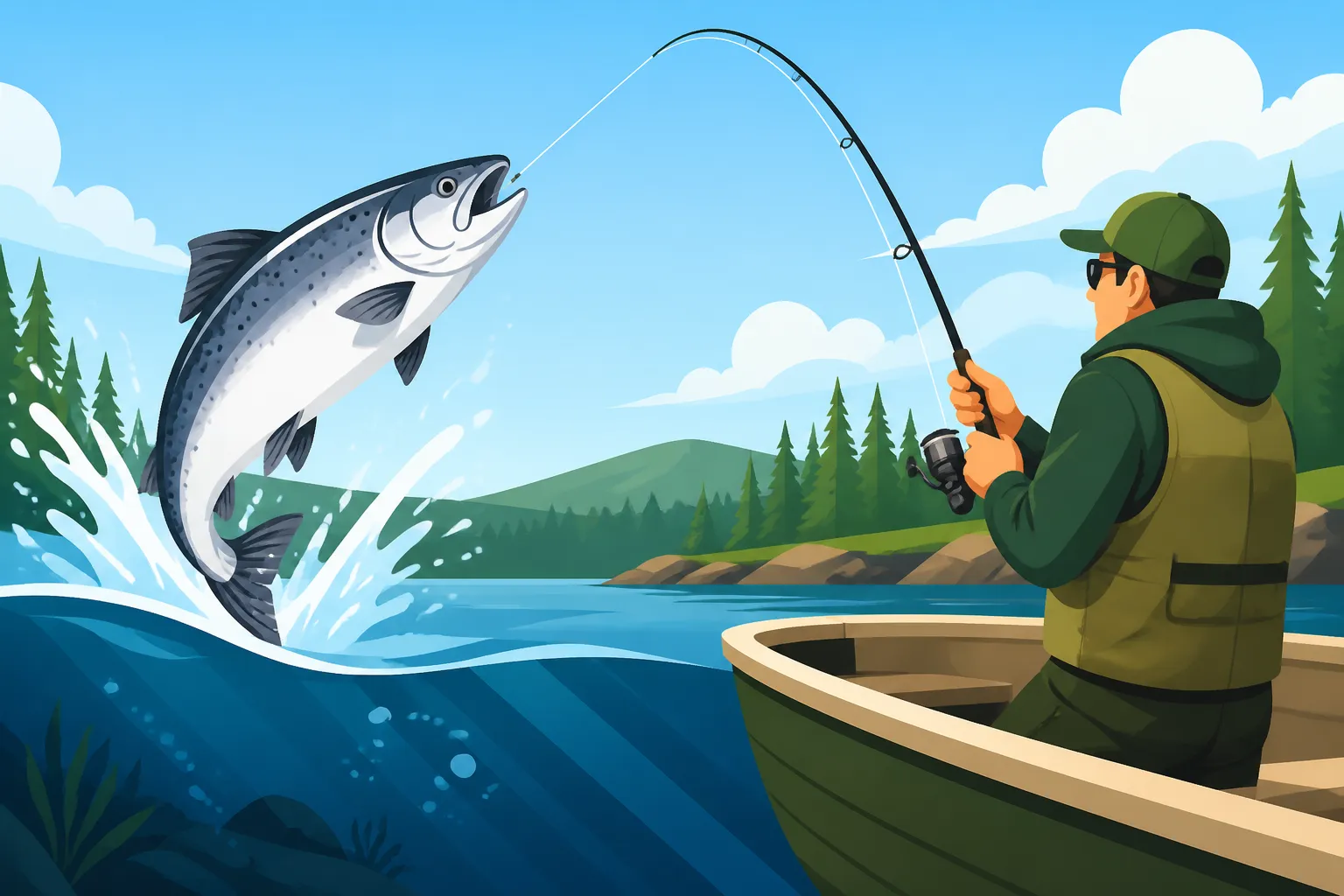
Let's cut right to the chase: yes, landlocked salmon can and do jump when hooked. However, it's not quite the guaranteed, high-flying circus act you might envision every single time, like you might see with some of their sea-run cousins or certain highly acrobatic trout species. Their fight is often characterized by powerful, deep runs, head shakes, and sudden changes in direction, but a dramatic leap can certainly be part of the show.
Imagine you've just set the hook on a beautiful landlocked salmon in the cold, clear waters of Sebago Lake. The initial reaction is usually a searing run, pulling line from your reel with an urgent, almost defiant whine. But then, as you apply pressure and try to turn its head, you might see it. A flash of silver, a sudden breach, and for a split second, the fish is airborne, shaking its head violently to throw the hook. It’s an exhilarating sight that perfectly encapsulates the wild spirit of these fish. These jumps are almost always an escape mechanism, a last-ditch effort to dislodge the hook or break the line. It's a testament to their strength and determination.
Many anglers who have spent years chasing Landlocked Salmon Fishing in Maine will tell you that while a jump isn't a constant, it’s a thrilling possibility. It’s often one or two quick, powerful leaps rather than a sustained series of jumps. This makes each aerial display even more precious and memorable.
Factors Influencing a Salmon's Aerial Display
So, what makes a landlocked salmon decide to defy gravity? It's not always a random act. Several factors can contribute to whether that fish on the end of your line decides to take to the sky. Understanding these can help you anticipate the fight and perhaps even subtly influence the outcome, though Mother Nature always has the final say.
Water Temperature and Oxygen Levels
The environment plays a massive role in a fish's energy and fighting spirit. Landlocked salmon thrive in cold, well-oxygenated water. When the water temperature is ideal – typically in the 50s Fahrenheit – these fish are at their most active and aggressive. In these conditions, they have the energy reserves and metabolic drive to put up a truly spectacular fight, which often includes jumping.
Conversely, in warmer water, say in the low 60s or higher, landlocked salmon tend to become more lethargic. Their metabolism slows down, and they're under more stress. A hooked fish in warmer water might still fight hard with deep runs, but it's less likely to expend the immense energy required for a jump. This is why you often hear about more acrobatic fights in the spring and fall when the water is cooler, or in deeper, colder sections of lakes during the summer months. Anglers using Trolling Techniques for Maine Lakes in deeper water might experience these jumps even in the heat of summer.
Fight Duration and Intensity
The length and ferocity of the battle can also influence a salmon's tendency to jump. Sometimes, a fish will jump almost immediately after the hook set, in a burst of panic and initial strength. This quick, aggressive reaction might be when it's still full of fight.
If the fight goes on for a long time, with many powerful runs and head shakes, the fish may become too fatigued to launch itself out of the water. It will still try to escape, but its efforts might be focused on bulldogging deep or rubbing the line on structures. On the other hand, if you're applying consistent, heavy pressure, sometimes that constant strain is enough to provoke a desperate leap. It’s a delicate balance; too much pressure too fast might break the line, but too little allows the fish to recover.
Water Depth and Surrounding Cover
Where you hook the fish in the water column can also matter. If a landlocked salmon is hooked in relatively shallow water, or near obstacles like submerged logs or rocky ledges, it might be more inclined to jump. In shallow water, there's less vertical space to maneuver, so an upward burst might seem like the most viable escape route. The fish might also be trying to get a visual on what has them, or simply attempt to clear an obstruction by leaping over it.
In contrast, if you hook a salmon in the middle of a vast, deep lake where it has ample room to run laterally and vertically without hindrance, it might opt for long, sustained runs into the depths rather than jumping. The fish has plenty of space to outrun the pressure without needing to leave the water. Think about how Where Landlocked Salmon Live in Maine Lakes often involves deep, open water areas.
Hook Set and Line Pressure
The quality of your hook set and the consistent pressure you apply during the fight are paramount. A solid hook set in the corner of the fish's mouth reduces the chances of it throwing the hook, even if it does jump. A weak hook set, however, can be easily dislodged by a head shake, especially if it's airborne.
Maintaining constant, firm line pressure is crucial. If there's any slack in the line, even for a moment, during a jump or a thrash, the fish can often spit the hook. Anglers need to keep their rod tip up, reel down when the fish isn't running, and maintain steady tension. When a salmon jumps, it's often advised to "bow to the fish" – lowering your rod tip slightly to create a bit of slack – which can prevent the line from snapping due to the sudden tension, then quickly reeling back up as the fish re-enters the water. It’s a nuanced dance, and sometimes that dance leads to an aerial ballet.
Individual Fish Temperament
Just like people, every fish is an individual. Some landlocked salmon are simply more aggressive and feisty than others. You might catch a smaller fish that fights like a demon, jumping and running multiple times, while a larger, more mature fish might fight a deeper, more powerful but less acrobatic battle.
Diet, genetics, and even the immediate mood of the fish can play a role. A fish that's actively hunting and full of energy might put on a better show than one that's been stressed or recently spawned. There's an element of surprise and variability that keeps us coming back for more, never knowing exactly what kind of fight each new catch will bring.
Comparing Landlocked Jumps to Other Species
Understanding how landlocked salmon fight is often best done by comparing them to other fish, both in Maine and beyond. This helps set expectations and appreciate their unique characteristics.
Landlocked Salmon vs. Atlantic Salmon
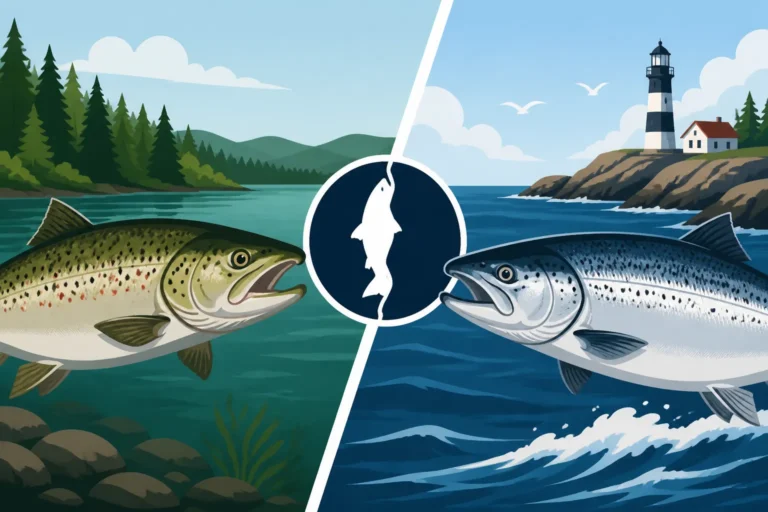
If there's one fish truly synonymous with jumping, it's the wild Atlantic salmon. These incredible anadromous fish, found in rivers where Maine Atlantic Salmon Restoration Efforts are underway, are legendary for their powerful, acrobatic leaps, often clearing the water multiple times during a fight. They are built for power and endurance in fast-flowing rivers, and their jumps are often spectacular, especially when they're fresh from the ocean.
Landlocked salmon, while genetically related, typically don't display the same consistent, high-flying acrobatics. While they can jump, their environment in lakes and slower rivers means their fighting style often favors deep, powerful runs over continuous aerial displays. They are still incredibly strong and a thrill to catch, but if you're expecting the multi-jump show of a true river-dwelling Atlantic salmon, you might be a little underwhelmed. It’s a difference in environment and adaptation.
Landlocked Salmon vs. Trout (Brook, Rainbow, Togue)
When we compare landlocked salmon to other trout species common in Maine, we see more variation.
- Brook Trout: Maine's state fish, the brook trout, is a scrappy fighter, especially in small streams. They'll often make quick dashes and head shakes, but full jumps are rare. They tend to stay in the water, darting and weaving. Brook Trout Fishing in Maine is a blast, but it's not usually for the aerial show.
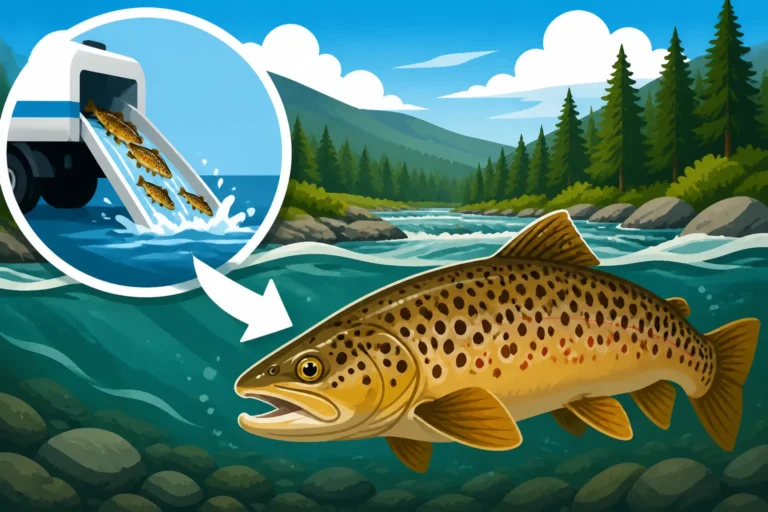
- Rainbow Trout (Steelhead): While not native to Maine, where they are stocked, or in their anadromous form (steelhead), rainbow trout are famous for their jumping abilities. They are truly acrobatic, often leaping clear out of the water multiple times, shaking their heads vigorously. If you're looking for consistent jumpers among the salmonid family, a rainbow trout often fits the bill more readily than a landlocked salmon.
- Togue (Lake Trout): Then there's the Togue, or lake trout, which is another deep-water species. These fish are powerful, deep fighters. They will bulldog, making powerful runs into the depths, but almost never jump. Lake Trout and Togue Fishing in Maine is a test of strength and endurance, not acrobatics.
This table gives a quick overview of how landlocked salmon's jumping tendencies stack up against other popular species in Maine:
| Fish Species | Common Jumping Tendency When Hooked | Type of Fight | Typical Habitat |
|---|---|---|---|
| Landlocked Salmon | Can jump, usually 1-2 times | Powerful runs, head shakes, deep dives | Cold, deep lakes and rivers |
| Atlantic Salmon (Wild) | Frequent, high, multiple jumps | Extreme acrobatics, powerful runs | Fast-flowing rivers |
| Brook Trout | Rare, quick dashes, head shakes | Scrappy, darting, stays in water | Cold streams, ponds, lakes |
| Rainbow Trout | Frequent, high, multiple jumps | Acrobatic, strong runs, aerial displays | Streams, rivers, some lakes |
| Togue (Lake Trout) | Almost never jumps | Deep, powerful bulldogging, long runs | Very cold, deep lakes |
| Smallmouth Bass | Frequent, athletic jumps | Aggressive, hard fighting, acrobatic | Lakes, rivers, rocky structure |
| Striped Bass | Occasional, powerful thrashing | Strong runs, head shakes, can jump or thrash | Saltwater, estuaries, rivers |
Landlocked Salmon vs. Bass/Stripers
Moving outside the salmonid family, bass are also known for their impressive aerial displays.
- Smallmouth Bass: These guys are incredible fighters for their size, and they are notorious jumpers. A smallmouth bass can leap repeatedly, shaking its head with incredible force to throw the hook. Smallmouth Bass Fishing in Maine often involves some seriously acrobatic action.
- Largemouth Bass: While perhaps not as consistently acrobatic as their smallmouth cousins, largemouth bass will also jump, especially when hooked near cover.
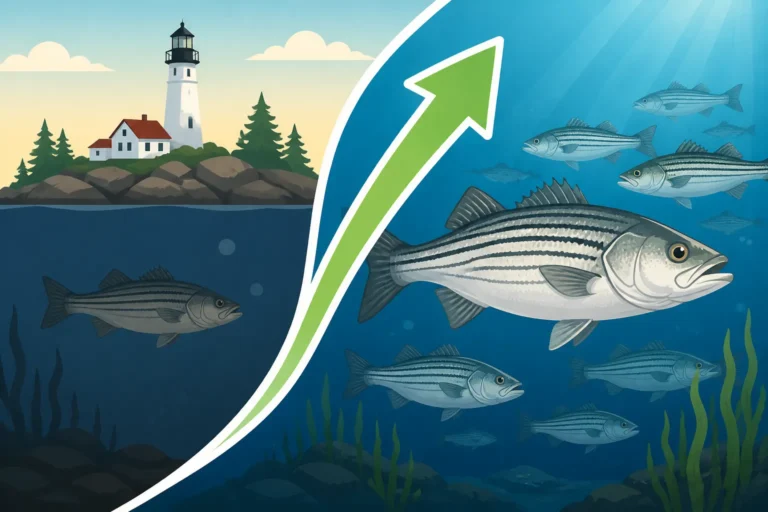
- Striped Bass: When fishing for Striped Bass Fishing in Maine, you might witness some powerful jumps. Stripers are known for their strong runs and violent head shakes. While they don't jump with the same finesse as a rainbow trout or smallmouth bass, a big striper breaking the surface with a thrashing leap is a sight to behold. It's usually a powerful, explosive jump rather than a graceful one.
Comparing these different species helps put the landlocked salmon's fighting style into perspective. They offer a unique blend of power, speed, and the occasional, thrilling aerial spectacle.
Maximizing Your Chances of an Airborne Thrill
While you can't make a fish jump, you can certainly take steps to increase your chances of witnessing one of those spectacular aerial displays from a landlocked salmon. It's all about understanding their behavior and having the right gear and technique.
Gear and Technique Considerations
Having the right equipment and knowing how to use it are fundamental to a successful and exciting fight, one that might just include a jump.
- Rod Selection: A medium-light to medium-action rod with a fast tip is often ideal. This type of rod provides enough backbone to fight a strong fish but also has enough flex in the tip to absorb sudden surges and head shakes, including jumps. A longer rod can also help keep line off the water during a jump, reducing resistance.
- Line Strength and Type: Using a quality monofilament or fluorocarbon line with appropriate breaking strength (typically 6-10 lb test) offers a good balance. Monofilament has some stretch, which can act as a shock absorber during a jump. Fluorocarbon is less visible and more abrasion-resistant, which is helpful if the fish runs near structure. Braid offers incredible strength and sensitivity but has no stretch, so ensure your rod and reel's drag are properly set to compensate.
- Drag Settings: This is critical. Your drag should be set smoothly and precisely, allowing line to peel off when the fish runs, but with enough tension to tire it out. Too tight, and the line will snap on a hard run or jump; too loose, and the fish will swim away with ease. Always check your drag before you start fishing.
- Proper Hook Sets: A firm, quick hook set is essential to drive the hook point home. This increases the chances of the hook staying put, even through a violent jump or head shake. When you feel that bite, don't just gently lift; sweep the rod back decisively.
- Maintaining Constant Pressure: As mentioned earlier, keeping constant pressure on the fish is key. When it jumps, quickly "bow to the fish" by dropping your rod tip towards the water, then immediately reel up any slack as it re-enters. This momentary slack can prevent line breakage from the sudden impact and shock, but you need to recover quickly before the fish can spit the hook. This is a skill that comes with practice! I've found a good selection of quality lines and lures for salmon on Amazon, and having reliable gear makes a real difference.
Reading the Water and Timing
Where and when you fish can also influence the likelihood of a high-energy fight.
- Cold, Oxygenated Water: Focus your efforts on times of year and locations where landlocked salmon are most active. This typically means early spring, late fall, and targeting deeper, cooler sections of lakes during the summer. Best Season to Catch Landlocked Salmon is often spring and fall for this very reason.
- Active Feeding Times: Fish that are actively feeding tend to be more energetic. Early morning and late evening often provide the best opportunities, as do overcast days. A hungry, aggressive salmon is more likely to put up a spirited fight.
- Structure and Depth Transitions: Look for areas with underwater structure, points, drop-offs, or where deep water meets shallower flats. Salmon will often ambush baitfish in these areas, and being hooked near them might provoke a jump as they try to escape back into the safety of the depths or cover. What Do Landlocked Salmon Eat? helps inform where they might be lurking.
Patience and Persistence
Ultimately, fishing for landlocked salmon is a game of patience and persistence. Not every fish will jump, and some days, no matter what you do, they just won't be in an acrobatic mood. However, by honing your skills, understanding their behavior, and being prepared for anything, you significantly increase your chances of experiencing that electrifying moment when a silver flash breaches the water, leaving you with a memory that will last a lifetime.
Remember, always respect the fish and the regulations. Be mindful of Landlocked Salmon Size and Bag Limits in Maine and practice proper catch and release techniques if you're not keeping your catch. The thrill of the jump is part of the experience, but the health of our fisheries is paramount. You can find all the current rules in the Maine Fishing License Guide or the more detailed Maine Fishing Season Dates Guide. Knowing these rules before heading out helps ensure a responsible and enjoyable trip.
Disclaimer
This article is for general informational purposes only and does not constitute professional advice. Laws, prices and regulations vary by location and change over time. Consult a qualified professional for guidance on your specific situation.