Are Striped Bass Populations Recovering in Maine?
For many of us who love casting a line into Maine's coastal waters, there's always a lingering question about our beloved striped bass: are they really coming back, or is it just wishful thinking? It's a valid concern, especially after years of hearing about declining numbers and tighter regulations. This guide is all about diving deep into what's truly happening with striped bass populations in Maine, separating the hopeful whispers from the tangible signs of recovery and what that means for your next fishing adventure.
The Rollercoaster Ride of Striped Bass Populations
Anyone who's been fishing the Maine coast for a while knows that striped bass populations have seen their ups and downs. It's not just a feeling; there have been very real challenges that have impacted these incredible fish. From their crucial spawning grounds further south to the migratory routes that bring them to our rocky shores, many factors play a role in their overall health and abundance.
Why Striped Bass Numbers Declined
It’s easy to feel frustrated when you remember the "good old days" of seemingly endless stripers, only to find tougher fishing now. The truth is, a combination of historical pressures led to significant declines. Overfishing in the past, before more stringent management plans were put into place, certainly took a toll on the breeding stock. Think about it: fewer adult fish means fewer eggs, which translates to fewer young fish making it into the population in subsequent years. It's a simple, albeit harsh, numbers game.
Beyond direct fishing pressure, environmental changes also play a part. Habitat degradation in their spawning rivers, pollution, and even shifting climate patterns can impact the success of their annual migrations and reproductive cycles. When you look at the big picture, it's a complex web of interconnected issues that contributed to the leaner years. We've all felt that pinch, wondering if our kids would ever experience the kind of striper fishing we remember.
Early Warning Signs and Management Response
Scientists and fisheries managers aren't just sitting around; they've been monitoring these populations closely for decades. When the data started to show significant declines in what they call "spawning stock biomass" – essentially, the total weight of adult fish capable of reproducing – alarms went off. This wasn't just about catching fewer fish; it was about the fundamental health and future of the entire stock.
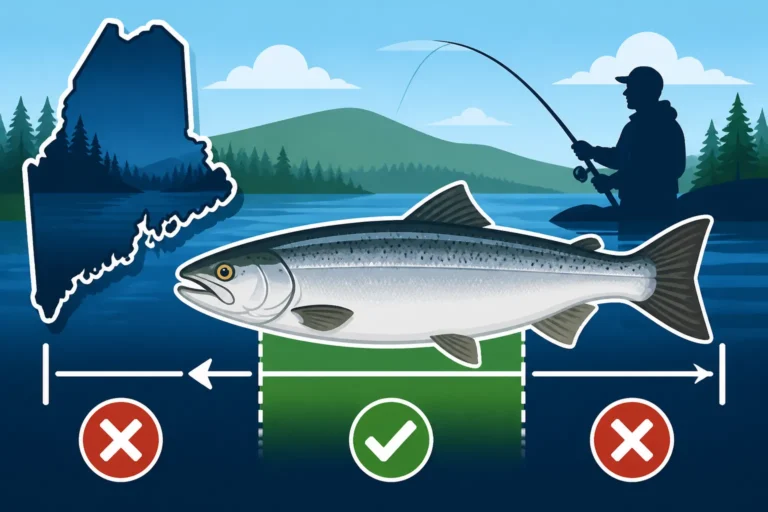
In response to these warnings, state and federal agencies developed management plans designed to rebuild the population. This has meant some tough decisions for anglers, including changes to Striped Bass Season and Limits and the introduction of things like slot limits. These regulations, while sometimes inconvenient, are put in place with the long-term goal of allowing more fish to survive to maturity and reproduce, thereby bolstering the overall population. It's a collective effort, and every angler plays a part in adhering to these rules.
Glimmers of Hope: Are We Seeing a Comeback on the Maine Coast?
Now for the question that's really on everyone's mind: is all that effort paying off? Are we actually seeing signs of recovery for striped bass in Maine? The answer, thankfully, isn't a simple yes or no, but there are definitely reasons for cautious optimism. Anglers on the water and scientific data are starting to tell a more encouraging story.
Anecdotal Evidence from Anglers
There’s nothing quite like firsthand experience to gauge what’s happening. Many recreational anglers along the Maine coast have reported seeing more schoolie stripers in recent years, especially in estuaries and along beaches. It’s not uncommon to hear tales of solid evenings where multiple smaller fish are caught, often around the 20- to 28-inch range. While these aren't the monster cow bass everyone dreams of, a healthy abundance of younger fish is a crucial indicator of successful spawning and recruitment in the preceding years.
Think about fishing spots like those found in Casco Bay Striped Bass Fishing in Maine or the lower Kennebec River. Anglers casting soft plastics or throwing flies are often finding consistent action, particularly during the peak summer months. These observations, while not scientific data, offer a valuable ground-level perspective. When many independent reports align, it often points to a positive trend. It's a refreshing change from the quiet trips of years past, giving us all a renewed sense of excitement when heading out.
Scientific Indicators of Recovery
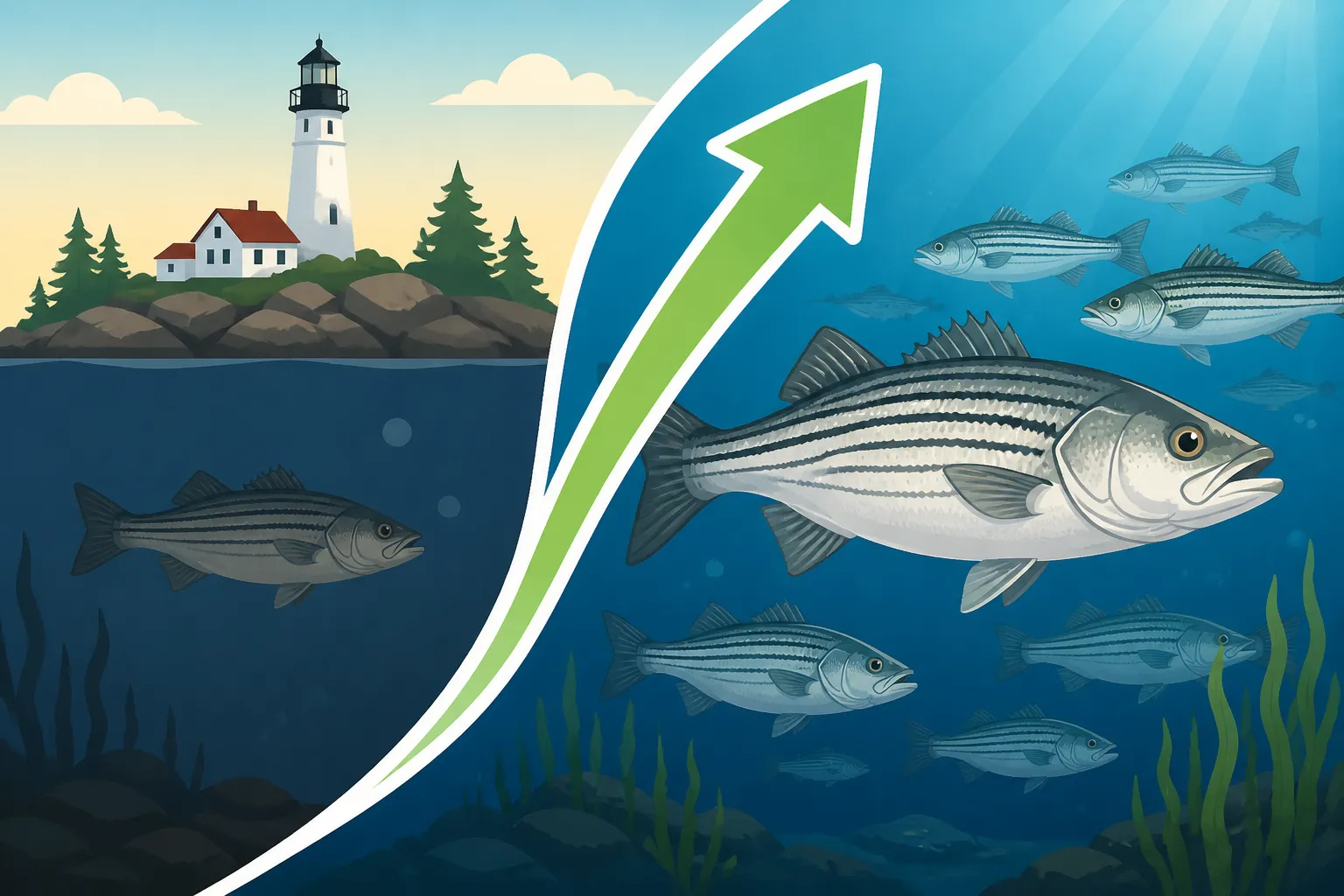
Beyond the anecdotal, scientists are also seeing positive signals. While the overall striped bass population (which migrates up and down the Atlantic coast) is still undergoing a rebuilding effort, there have been some good year classes recently. A "year class" refers to the fish born in a particular year. Strong year classes mean a lot of young fish survived and are now growing up, eventually reaching the sizes we target here in Maine.
These younger fish typically migrate north to our colder waters during the warmer months, which explains why we often see more schoolies. The hope is that as these strong year classes mature, they will contribute significantly to the spawning stock, leading to a more robust and resilient population across their entire range. This is why it's so important to understand Striped Bass Slot Limit Explained – it's designed to protect those vital spawning fish. Researchers continue to monitor metrics like spawning stock biomass, recruitment rates, and fishing mortality to ensure the management measures are having the desired effect. It's a long game, but the initial data points are trending in the right direction.
How Anglers Contribute to Recovery Efforts
We, as anglers, are not just passive observers in this recovery story; we are active participants. Every decision we make on the water, from the gear we choose to how we handle a fish, can have a direct impact on the future of the striped bass population in Maine. This responsibility is a huge part of being a good steward of our natural resources.
Adhering to Regulations and Best Practices
The most straightforward way we contribute is by strictly following the current fishing regulations, especially those concerning Maine Striped Bass Season and Limits. These limits, including the slot limit, are designed to allow a healthy portion of the fish to mature and spawn. For example, if you catch a fish outside the legal slot, releasing it properly isn't just a rule; it's an act of conservation.
Beyond the letter of the law, adopting Catch and Release Best Practices in Maine is absolutely critical. This means using appropriate gear, like circle hooks when bait fishing (many good options are available on Amazon), which tend to hook fish in the corner of the mouth, reducing gut hooking. It also involves minimizing handling time, keeping the fish in the water as much as possible, and reviving it gently before release. Even when you plan to keep a legal fish, proper handling until it's on ice minimizes stress and ensures the quality of your catch.
| Best Practice | Description | Why It Matters |
|---|---|---|
| Use Circle Hooks | Especially when bait fishing; they typically set in the corner of the mouth, not deep in the throat. | Significantly reduces gut-hooking, increasing survival rates for released fish. |
| Minimize Handling | Keep the fish in the water as much as possible, use wet hands or a wet net. | Protects the fish's slime coat (which prevents infection) and reduces stress. |
| Use Barbless Hooks | Pinch down the barb on your lures and flies. | Easier and quicker hook removal, less damage to the fish's mouth. |
| Netting | Use a knotless, rubberized landing net (many excellent ones can be found on Amazon). | Prevents scales and fins from getting damaged, supports the fish's body evenly. |
| Quick Release | Have your camera ready before you land the fish. Unhook quickly, avoid excessive posing. | Reduces stress and exhaustion; longer fights and air exposure are detrimental. |
| Revival | If a fish seems sluggish, hold it gently upright in the water, facing into a current, until it swims off on its own. | Ensures the fish has enough oxygen and strength to survive after release. |
Supporting Conservation Efforts
Another way we contribute is by supporting organizations dedicated to marine conservation and scientific research. Many local and regional groups work tirelessly to monitor fish populations, restore habitats, and educate the public. Your participation, whether through volunteering, donations, or simply spreading awareness, makes a difference.
Furthermore, being mindful of our own environmental footprint when we're out fishing is key. That means not leaving trash on the shore or in the water, being careful about boat wakes near sensitive marsh areas, and generally respecting the marine environment. Every little bit helps create a healthier ecosystem for striped bass and all other marine life that calls Maine home. The future of Striped Bass Fishing in Maine truly depends on a shared sense of responsibility.
The Future Outlook for Maine Striped Bass
So, what does the future hold for striped bass populations here in Maine? While the signs of recovery are encouraging, it’s important to understand that this isn't a "problem solved" situation. Fisheries management is a dynamic process, and we all need to remain vigilant and adaptable.
Continued Monitoring and Adaptive Management
The recovery of a fish stock as large and migratory as striped bass is a marathon, not a sprint. Scientists will continue to monitor key metrics, and based on what they find, regulations may be adjusted. This is what's known as "adaptive management" – changing approaches as new information becomes available. It might mean slight tweaks to the Striped Bass Slot Limit in Maine, or adjustments to season dates or bag limits. These decisions are always made with the long-term health of the fishery in mind, even if they sometimes feel restrictive in the short term.
For anglers, this means staying informed. Regularly checking the Maine Department of Inland Fisheries and Wildlife (MDIFW) website or picking up a copy of the regulations book (often available at tackle shops or even electronically through resources like Amazon) before each season is crucial. Knowledge is power, and knowing the current rules ensures you're fishing legally and contributing positively to conservation.
The Impact of Climate and Ecosystem Changes
Beyond direct fishing pressure, the changing marine environment itself will continue to influence striped bass. Warming ocean temperatures, shifts in baitfish populations, and changes in coastal habitats can all play a role in where stripers go, how successful they are at finding food, and their overall health. Maine's waters are at the northern end of the striped bass's migratory range, so any significant environmental shifts could impact their presence here.
While we can't control the weather or the tides, we can continue to advocate for broader environmental protections and sustainable practices. A healthy ocean ecosystem benefits all species, including our beloved striped bass. So, while we celebrate the current signs of recovery, let's keep our eyes on the horizon, ready to adapt and continue our stewardship of these magnificent fish.
Disclaimer
This article is for general informational purposes only and does not constitute professional advice. Laws, prices and regulations vary by location and change over time. Consult a qualified professional for guidance on your specific situation.