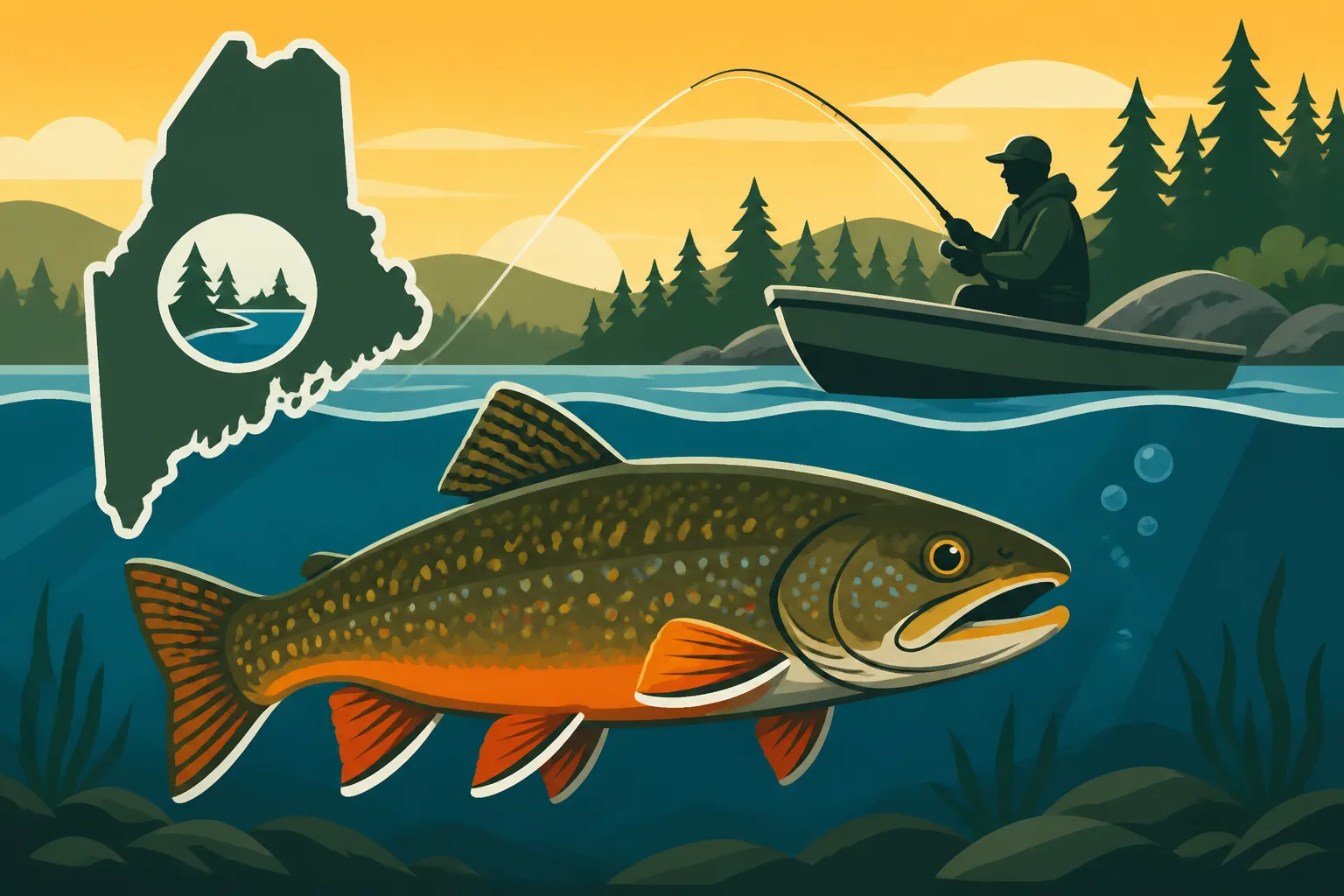
Brook Trout Limit in Southern Maine Lakes
Trying to figure out the exact brook trout limits in Southern Maine lakes can feel like deciphering an ancient text, right? It's genuinely confusing how regulations can change from one pond to the next, even within the same region, making you second-guess every single cast. This guide is here to clear up that confusion, specifically breaking down the rules for brook trout in Southern Maine's beautiful waters, so you can fish with more confidence and enjoy your time on the water without constantly worrying if you're doing something wrong.
Understanding Maine's Fishing Zones and General Law
Maine is a big state, and the rules aren't always one-size-fits-all, which can be a real headache for anglers, especially when you're targeting a specific species like brook trout. One of the primary reasons for this variability is how the state divides its waters into different management zones, primarily the North Zone and the South Zone. These zones have distinct general law regulations, and on top of that, many individual bodies of water within each zone have their own special regulations. It’s a lot to keep track of, and it’s a common frustration among even seasoned anglers.
The North Zone vs. South Zone Divide
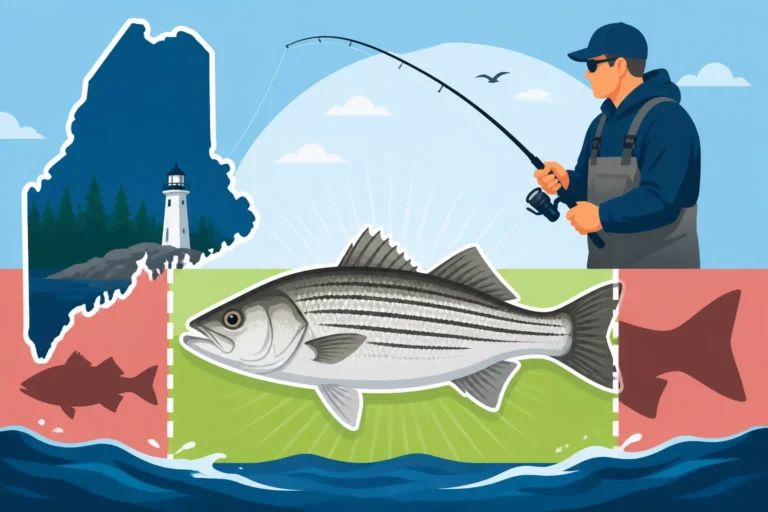
The geographical line that splits Maine into its North and South Fishing Zones is a critical piece of information for any angler. Generally speaking, the South Zone encompasses the more populated and accessible areas of the state, including many of the lakes and ponds that people think of when they picture "Southern Maine fishing." This distinction isn't arbitrary; it's based on ecological factors, population density, and historical fishing pressure. Understanding which zone a particular lake falls into is the first step in decoding its brook trout limits, as the general laws for daily bag limits and length minimums can differ significantly between the two. You can usually find a map of these zones in the official state fishing law book. For a broader overview, take a look at our Maine North Zone vs South Zone Fishing Rules guide.
What "General Law" Means for Anglers
"General Law" refers to the statewide regulations that apply to most waters unless a specific body of water has a special regulation overriding it. Think of it as the default setting. For brook trout, general law dictates things like the daily bag limit (how many fish you can keep in a 24-hour period) and sometimes a minimum or maximum length limit. However, the catch is that many of the most popular and productive brook trout waters, especially in Southern Maine, often do have special regulations. This means you can't just assume the general law applies everywhere. This is where the confusion often sets in – you think you know the rules, but then you arrive at a specific pond and realize its rules are completely different! It’s vital to always check the specific regulations for the water you plan to fish, even if you’re familiar with the general laws for the region. Our article on Maine General Fishing Law Definition Explained delves deeper into this.
Brook Trout Bag Limits in Southern Maine Lakes: Unpacking the Nuances
Now, let's get down to the nitty-gritty of brook trout limits in Southern Maine. While the North Zone often boasts more remote, wild brook trout opportunities, Southern Maine still offers fantastic fishing, especially in its numerous smaller ponds and streams. However, these waters often face higher fishing pressure and might have been stocked, leading to more tailored regulations designed to maintain a healthy fish population.
Typical Daily Limits and Length Restrictions
Under General Law for the South Zone, the daily bag limit for brook trout is often more restrictive than in the North Zone, or it might have different length requirements. For instance, you might find a daily limit of 2 or 5 fish, with a minimum length requirement that ensures younger, smaller fish are released to grow and spawn. Some waters might even have a slot limit, meaning you can only keep fish within a certain size range, protecting both juvenile and trophy-sized fish.
It’s truly a balancing act for fisheries biologists – they want to provide fishing opportunities while also ensuring the long-term health of the brook trout populations. So, when you see a limit that seems low, it's usually for a good reason, protecting a fragile fishery or promoting natural reproduction. For specific numbers on what might apply generally, our Brook Trout Daily Bag Limits article has more information.
Here’s a simplified look at how limits might vary, keeping in mind these are examples and actual regulations must always be verified:
| Regulation Type | Example Daily Bag Limit | Example Minimum Length | Example Waters |
|---|---|---|---|
| South Zone General Law | 2 fish | 6 inches | Many smaller, less-managed ponds and streams |
| Special Regulation A | 1 fish | 10 inches | Trophy brook trout waters, specific managed ponds |
| Special Regulation B | 5 fish | None (all legal sizes) | Heavily stocked ponds, put-and-take fisheries |
| Special Regulation C | Catch & Release Only | N/A | Sensitive spawning areas, experimental management |
Remember, this table is illustrative. The actual numbers for any given body of water in Southern Maine will be found in the official state fishing regulations. Don't rely on memory!
Special Regulations in Southern Maine Lakes and Ponds
Many of Southern Maine's most cherished brook trout fisheries operate under special regulations that supersede the general law. These special rules are often tailored to the unique characteristics of a particular lake or pond – its size, depth, stocking history, natural reproduction rates, and the level of angler use it receives. For example, a small, remote pond might be designated "fly-fishing-only" with a very low daily limit (perhaps one fish) and a high minimum length (like 12 inches) to foster a trophy fishery. Conversely, a more accessible, heavily stocked pond might have a more liberal limit, encouraging anglers to harvest fish.
Identifying these special regulation waters is paramount. Failing to do so can lead to an honest mistake, but unfortunately, ignorance of the law is not an excuse. This is where checking the official resources for your specific lake or pond becomes absolutely non-negotiable before you wet a line. Places like Sebago Lake, while known for salmon, can have nearby tributary streams or smaller ponds with their own unique brook trout rules. Our What Zone Is Sebago Lake In for Maine Fishing Rules? post might offer further insights into this region.
Why Regulations Vary: Conservation and Sustainable Fishing
It's easy to get frustrated by the seemingly endless list of different rules, but there's a really good reason behind all this complexity: conservation. Maine's fisheries biologists work tirelessly to ensure that our fishing traditions can continue for generations to come. Each regulation, whether it's a daily limit or a length restriction, is a tool designed to manage fish populations sustainably.
Protecting Native and Wild Brook Trout Populations
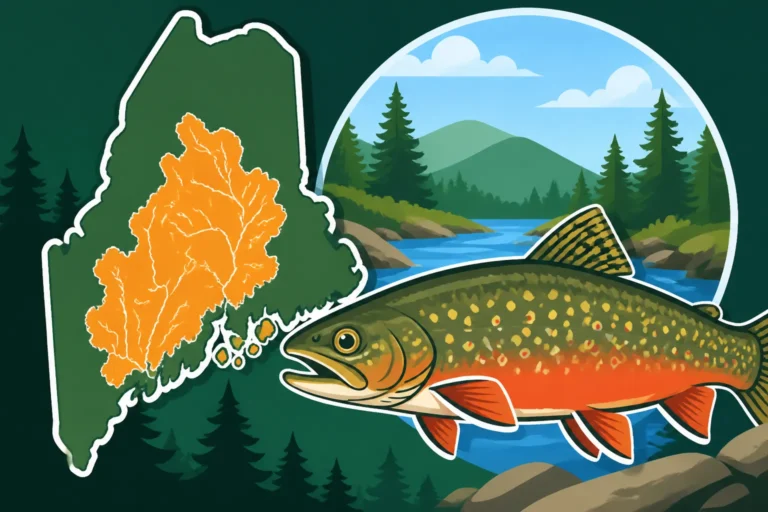
Maine is incredibly fortunate to have a significant number of wild, self-sustaining brook trout populations, especially in its more remote areas. In Southern Maine, while many waters are stocked, there are still pockets of native brook trout. These fish are particularly vulnerable to overfishing, and regulations are often put in place to protect them. Low daily limits or catch-and-release-only rules for certain waters are typically designed to ensure these wild populations can reproduce and thrive without being depleted. It's about respecting the natural ecosystem and understanding that our actions as anglers have a direct impact.
For instance, the Minimum Length for Keeping a Brook Trout in Maine helps protect juvenile fish, allowing them to reach maturity and contribute to the next generation of trout. It's a key strategy to maintain robust populations.
Managing Stocked Fisheries for Angler Opportunity
On the flip side, many Southern Maine lakes and ponds are part of robust stocking programs. These are often "put-and-take" fisheries, meaning fish are stocked specifically for anglers to catch and keep. In these waters, regulations might be more liberal because the state's goal is to provide ample opportunity for harvest. The fish are there to be caught, enjoyed, and taken home for dinner. These stocked waters are often fantastic places for beginners or families to enjoy a successful day of fishing without the pressure of strict limits, and they take pressure off the more sensitive wild populations. The varying seasons can also play a role, as detailed in our Maine Fishing Season Calendar.
You might find specific tackle recommendations or bait restrictions for certain types of waters. Sometimes, a general guideline is that if a lake is managed primarily for put-and-take fishing, the limits might be more generous. If you're looking for gear for these trips, you can often find great deals on tackle and related items on Amazon.
Navigating the Specifics: How to Find Rules for Your Favorite Water
So, how do you actually find the most up-to-date and accurate brook trout limits for the exact lake or pond you're planning to visit in Southern Maine? This is where good planning comes into play. It's not always as simple as a quick Google search because regulations are often detailed and specific.
The Official Maine Fishing Law Book
Your absolute best friend in this endeavor is the official Maine Open Water and Ice Fishing Law Book, published annually by the Maine Department of Inland Fisheries and Wildlife (MDIFW). This book is the definitive source for all regulations, including zone boundaries, general laws, and crucially, all the special regulations listed by county and by water body. It's comprehensive, and while it can be a bit dry to read, it's invaluable.
You can often pick up a physical copy wherever fishing licenses are sold, such as at town clerks, sporting goods stores, or even at some convenience stores. Many anglers find it useful to have a physical copy in their glove box or tackle bag. If you prefer digital, the MDIFW typically offers a PDF version on their website, which you can easily download to your phone or tablet. Having this resource readily available, even if it's a digital version purchased through Amazon for easy access, is essential for every responsible angler. To learn more about where to get this vital resource, check out Maine Fishing Law Book Where to Get One.
Using Online Resources and Apps
Beyond the official law book, the MDIFW website is an excellent resource. They often have an interactive map or a searchable database where you can input the name of a specific lake or pond and pull up its current regulations. This can be incredibly helpful when you're on the go. Many anglers also find various fishing apps helpful, though it's important to remember that third-party apps should always be cross-referenced with the official state regulations to ensure accuracy. Technology can be a great aid, but it's no substitute for the official word. For more on this, our guide How to Find Maine Fishing Regulations for a Specific Lake is a great place to start.
When planning your trip, consider the Maine Fishing Season Dates Guide to ensure you're fishing during the legal season for brook trout. Remember that a valid Maine Fishing License Guide is required for most anglers, and there are specific rules about Maine Fishing License Age Requirements in Maine for younger anglers.
Practicing Responsible Angling: More Than Just the Limit
Beyond just knowing the daily limit, being a responsible angler involves a broader understanding of conservation, ethics, and best practices. These elements are especially important when you're targeting brook trout, which are often sensitive to environmental changes and fishing pressure.
Catch and Release Best Practices
Even if you're fishing in a water body with a generous daily limit, practicing catch and release, especially for larger or smaller fish outside of a slot limit, can contribute significantly to the health of the fishery. When you do release fish, handle them gently. Wet your hands before touching the fish, use barbless hooks, and try to minimize the time the fish is out of the water. If a fish is deeply hooked, it’s often best to cut the line as close to the hook as possible rather than trying to remove it, which can cause more harm.
These practices ensure that the fish you release have the best possible chance of survival, contributing to future fishing opportunities. Remember, keeping only what you need and releasing the rest is a hallmark of a thoughtful angler. You can find specialized tools for gentle catch and release, like de-hookers, on Amazon.
Understanding the Ecosystem
A true appreciation for brook trout fishing in Southern Maine goes beyond just the act of catching fish. It involves understanding the delicate ecosystems these fish inhabit. Brook trout thrive in cold, clean, oxygenated water. Their presence is often an indicator of good water quality. Factors like water temperature, spawning habits, and the availability of their preferred food sources all play a role in their health and abundance.
By understanding these factors, you can make more informed decisions about where and when to fish, and how your actions might affect the environment. For example, during certain spawning periods, trout can be particularly vulnerable, and some regulations might reflect that by closing specific areas or implementing catch-and-release rules only. Being aware of the General Law Fishing Season Start Date in Maine and General Law Fishing Season End Date in Maine is a crucial part of this.
Conclusion: Fish Smart, Fish Responsibly
Fishing for brook trout in Southern Maine lakes offers a unique blend of convenience and quality angling. While the regulations around daily limits can feel intricate and sometimes frustrating, they are ultimately designed to protect these beautiful fish and ensure that future generations can enjoy them just as much as we do. By taking the time to understand the general laws, meticulously checking for special regulations for each specific water body, and practicing responsible catch-and-release, you contribute to the sustainability of Maine's precious fisheries. So, grab your gear, consult that law book, and get out there to enjoy the serene beauty and exciting challenge that Southern Maine brook trout fishing has to offer!
Disclaimer
This article is for general informational purposes only and does not constitute professional advice. Laws, prices and regulations vary by location and change over time. Consult a qualified professional for guidance on your specific situation.