What Is the Daily Limit for Brook Trout in Maine?
It's easy to feel a little lost when you're trying to figure out Maine's fishing regulations, especially when it comes to beloved species like the brook trout. You just want to enjoy a peaceful day on the water, but the rule book can feel like a labyrinth, leaving you wondering if you're even allowed to keep that beautiful fish you just caught. This guide aims to clear up the confusion around the daily limits for brook trout in Maine, helping you understand where to find the rules and how to fish responsibly and legally.
Understanding Maine's Brook Trout Daily Limits
Maine is a truly special place for brook trout, often considered the crown jewel of our freshwater fisheries. Because they're so popular and found in so many of our pristine waters, managing their populations is critical. That's why understanding the daily limits isn't just about avoiding a fine; it's about being a good steward of our natural resources.
Why Daily Limits Exist: Conservation and Sustainability
Imagine if everyone could keep as many brook trout as they wanted, whenever they wanted. Our beautiful native populations, which have thrived for generations in Maine's cold, clear waters, simply wouldn't stand a chance. Daily limits are a fundamental tool the Maine Department of Inland Fisheries and Wildlife (MDIFW) uses to ensure sustainable fishing for everyone. They help manage fishing pressure, protect spawning stocks, and allow younger fish to grow to maturity, ensuring that future generations can enjoy the thrill of catching these vibrant fish.
The goal isn't to make fishing complicated, but to strike a balance between allowing anglers to harvest some fish for the pan and safeguarding the long-term health of the fishery. When you adhere to these limits, you're directly contributing to the conservation efforts that keep Maine's brook trout fishing among the best in the nation. It's a shared responsibility that all of us who love the outdoors embrace.
General Law vs. Special Regulations: The Main Distinction
Here's where many anglers, especially those new to Maine, can get tripped up. The state has what's called "General Law," which is a set of baseline regulations that apply to most waters. Think of it as the default setting. However, Maine also has thousands of individual waters – lakes, ponds, rivers, and streams – that have "Special Regulations." These special rules override General Law and are put in place for specific management objectives, such as protecting wild trout populations, encouraging catch-and-release, or managing trophy fisheries.
It's absolutely vital to know whether the water you're fishing falls under General Law or has special regulations. For example, a popular pond might have a very generous General Law brook trout limit, while a wild, remote stream just a few miles away could be strictly catch-and-release only for brook trout. Always, and I mean always, check the specific regulations for the body of water you intend to fish. We'll dive deeper into how to do that, but just remember: General Law is a starting point, not the end-all-be-all. The MDIFW has a comprehensive Maine Fishing Regulations Explained guide available every year that lists all these nuances.
The Role of North Zone and South Zone
Further adding to the regulatory landscape, Maine is divided into two distinct fishing zones: the North Zone and the South Zone. These zones were established to account for differences in climate, fish populations, and angling pressure across the state. Generally, the North Zone covers the more remote, sparsely populated regions with extensive wild brook trout habitat, while the South Zone includes the more developed, higher population areas.
The zones primarily affect fishing season dates and, for some species, bag limits or length limits. While the most significant impact on brook trout limits usually comes from special regulations on individual waters, the zone can sometimes influence the General Law applied to specific fish, including brook trout. Understanding which zone you're in is just another layer of being a responsible and informed angler. For instance, the general law for brook trout might have slightly different nuances between Brook Trout Daily Limit in Maine North Zone and Brook Trout Daily Limit in Maine South Zone. Always consult the official rule book for the precise dividing line and any specific rules that might apply to brook trout within each zone.
Specific Daily Limits for Brook Trout in Maine
Let's get down to the brass tacks of what you can actually keep. It's important to remember that these numbers are subject to change and are overridden by special regulations for specific waters. The Maine Department of Inland Fisheries and Wildlife is always working to improve fisheries management, so what's true this year might be slightly different next year.
General Law Limits for Brook Trout
Under Maine's General Law, which applies to waters not designated with special regulations, the daily bag limit for brook trout is typically 5 fish, with a minimum length of 6 inches. This means you can keep up to five brook trout per day, as long as each one measures at least six inches from the tip of its nose to the tip of its tail.
This general rule provides a baseline for most common fishing spots that don't have unique ecological sensitivities or intensive management plans. It's a fairly standard limit that allows for a good meal while still ensuring a healthy population. Remember, these general rules are what you default to if the specific lake or pond you are visiting is not listed in the special regulations section of the law book. Many popular, easily accessible waters will fall under these rules.
Brook Trout Limits in the North Zone
The North Zone, with its vast wilderness and colder waters, is renowned for its exceptional wild brook trout populations. Because of this, many waters in the North Zone have special regulations designed to protect these pristine fisheries. While General Law still applies to many waters, you'll find a higher concentration of waters with stricter limits or even catch-and-release only rules for brook trout.
It's not uncommon to encounter waters in the North Zone where the daily limit for brook trout might be reduced to, say, 2 fish, or where there might be a higher minimum length limit to protect larger, breeding fish. Some remote ponds are designated as "trophy trout" waters, with very specific limits that might only allow one fish over a certain impressive length. Always double-check the rule book for the specific pond or stream you're heading to. This is especially true if you’re venturing into remote areas or those known for their exceptional Brook Trout Fishing in Maine.
Brook Trout Limits in the South Zone
The South Zone, encompassing much of central and southern Maine, also offers fantastic brook trout fishing, often in lakes and ponds that are more heavily stocked by the MDIFW to meet angling demand. While wild brook trout streams certainly exist and are protected with special regulations, many of the larger, more accessible waters in the South Zone operate under General Law or have regulations that reflect a mix of wild and stocked fish management.
You'll find waters in the South Zone where the General Law limit of 5 fish and a 6-inch minimum length applies. However, similar to the North Zone, there are also many waters with specific rules tailored to their unique circumstances. For example, some ponds might have a slot limit, where you can only keep fish within a certain size range, or a reduced bag limit. It's crucial not to assume the General Law applies everywhere, even in the more populated areas. Consulting the MDIFW rule book or their online resources is always your safest bet.
Here's a quick overview of typical General Law limits for brook trout. Always confirm with the official Maine fishing regulations for the specific water you are fishing.
| Zone | General Law Daily Limit | General Law Minimum Length | Notes |
|---|---|---|---|
| North Zone | 5 Brook Trout | 6 inches | Many waters have Special Regulations that override General Law. Check specific waters! |
| South Zone | 5 Brook Trout | 6 inches | Many waters have Special Regulations that override General Law. Check specific waters! |
| Important: | ALWAYS consult the official MDIFW regulation book or website for specific waters. Special regulations often apply! |
Navigating Maine's Fishing Regulations for Brook Trout
Alright, we've talked about the "what," but now let's tackle the "how." Knowing how to find the regulations for the specific waters you're fishing is arguably more important than memorizing general rules. This is your insurance policy against unintentional violations.
The Maine Fishing Law Book: Your Best Friend
Seriously, this isn't just a book of rules; it's your essential companion for any fishing trip in Maine. The Maine Department of Inland Fisheries and Wildlife (MDIFW) publishes a comprehensive fishing law book every year. It contains all the General Laws, the zone definitions, and, most importantly, a detailed list of every single water body with special regulations.
You can usually pick up a physical copy of the Maine Fishing Law Book Where to Get One at any licensed agent that sells fishing licenses, such as sporting goods stores, bait shops, or even many convenience stores throughout the state. Many anglers like to have a physical copy to reference right on the boat or shore. For those who prefer digital, the MDIFW also provides the full law book online as a PDF, and they often have a mobile app available. I know many anglers who'll download the PDF to their tablet or phone, so they always have it handy, even when cell service is spotty up north. You might even find simplified laminated versions of the general rules on platforms like Amazon that are easy to keep in your tackle box, but always cross-reference with the full official publication.
Special Regulation Waters: A Critical Check
This is the big one, folks. The vast majority of brook trout fishing opportunities in Maine, especially those yielding larger or wilder fish, will often fall under special regulations. These rules are designed with precision to protect and enhance specific fisheries, and they can vary wildly from one pond to the next.
When you open the law book or view it online, you'll see sections dedicated to individual counties, listing specific lakes, ponds, rivers, and streams. If the water you're planning to fish is listed there, those are the rules you must follow. They supersede any General Law. Special regulations can include:
- Reduced Daily Bag Limits: Instead of 5, it might be 2 or 1 fish.
- Increased Minimum Length Limits: Perhaps 10 or 12 inches instead of 6.
- Slot Limits: You can only keep fish between two specific lengths (e.g., 10-14 inches), and fish outside that range must be released.
- Terminal Tackle Restrictions: Fly fishing only, artificial lures only, single-pointed hooks, or even barbless hooks required.
- Season Dates: Different start or end dates for fishing.
- Catch-and-Release Only: No fish may be kept, regardless of size.
Ignoring these specific rules isn't just a risk; it's a guaranteed way to run afoul of the law and potentially harm a sensitive fishery. Learning What Is a Maine Special Regulation Water? is key to successful and legal angling.
Practical Tips for Staying Compliant
Here are a few pointers from an old-timer to make sure you're always on the right side of the rules:
- Check Before You Go: Make it a habit. Before you even pack your rods, look up the water body in the current year's fishing law book. This is especially critical if you're exploring new spots or haven't fished a particular water in a while, as regulations can change annually.
- Mark Your Pages: If you're using a physical book, use tabs or bookmarks for the waters you frequent. If you're using a digital PDF, utilize the search function or save specific pages for quick reference.
- Know Your Fish: Be confident in your How to Identify a Brook Trout. Misidentifying a brook trout for a brown trout or a small landlocked salmon (which have different regulations) could lead to an accidental violation. Keep a field guide handy, or search online for clear identification markers before your trip. There are many great laminated fish ID cards available on Amazon that clip right onto your tackle box.
- When in Doubt, Release It: If you're ever unsure about a fish's size, species, or the specific regulation for the water you're on, simply practice Catch and Release Best Practices in Maine. It's the safest way to ensure you're not breaking any rules and it's good for the fish.
- Talk to Locals: Bait shop owners, local guides, and even other anglers are often a wealth of information. They can provide insights into specific regulations and fishing conditions, though always cross-reference their advice with the official rule book.
Responsible Angling: Beyond the Daily Limit
While knowing the daily limit is crucial, being a truly responsible angler goes beyond simply adhering to the letter of the law. It's about respecting the fish, the environment, and the future of the sport.
Catch and Release Best Practices for Brook Trout
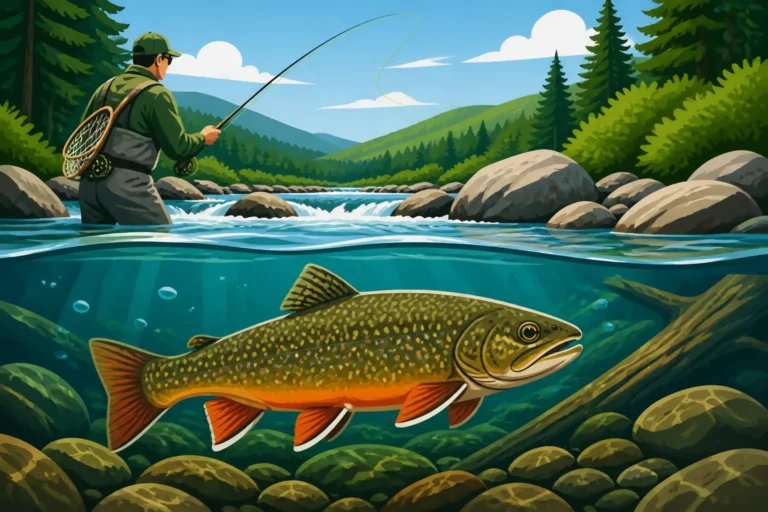
Even when you're well within the daily limit, there are times you might choose to release a fish, especially larger, wild brook trout that are vital for spawning. Proper catch and release techniques are essential for the fish's survival. These beautiful creatures are often delicate, and handling them incorrectly can cause irreparable harm, even if they swim away.
Here are some quick tips:
- Minimize Handling: Keep the fish in the water as much as possible.
- Wet Hands: Always wet your hands before touching a fish to protect its protective slime coat.
- Barbless Hooks: Consider using barbless hooks, or crimp down the barbs on your regular hooks. This makes removal much easier and less damaging.
- Proper De-hooking: Use a de-hooking tool or needle-nose pliers to quickly remove the hook.
- Support Its Weight: If you must lift the fish for a photo, support its body horizontally and avoid squeezing it.
- Revive Gently: If the fish seems sluggish, hold it gently in the water, facing into the current, until it swims away under its own power. Don't vigorously pump it back and forth. This ensures it has the best chance of survival.
Identifying Brook Trout: Avoiding Misidentification
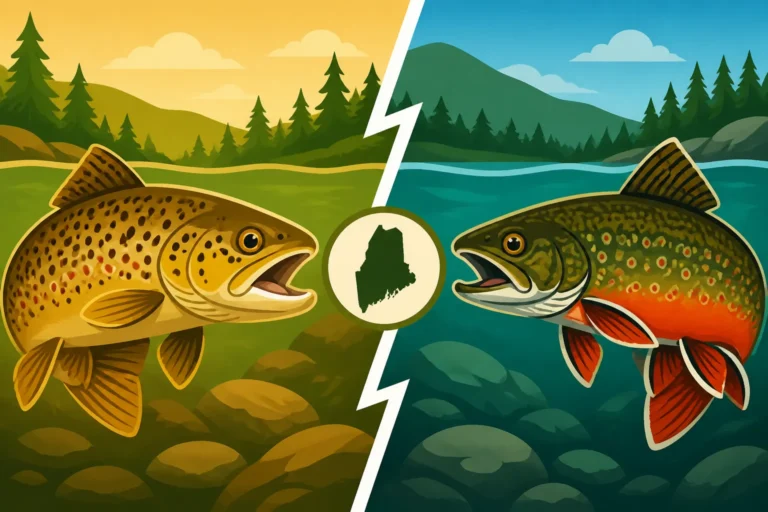
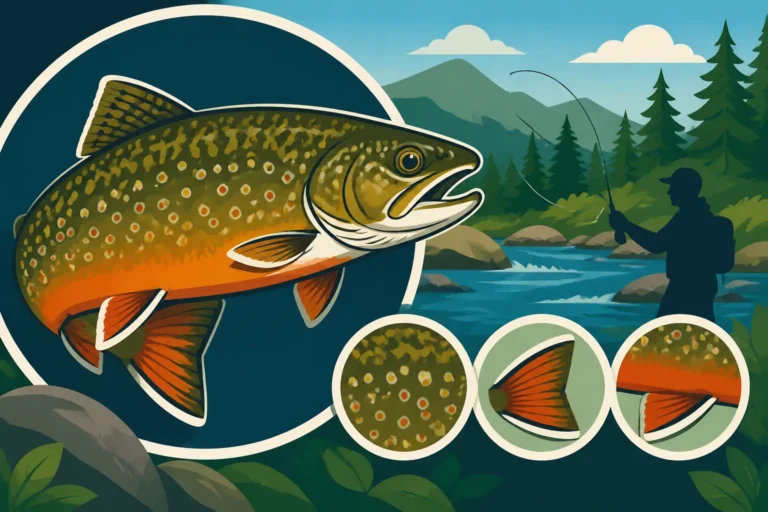
Maine is home to several species of trout and salmon, and distinguishing between them can sometimes be a challenge, especially for less experienced anglers. Brook trout have distinct worm-like markings (vermiculations) on their backs and dorsal fins, and often vibrant red spots with blue halos along their sides. Their lower fins typically have a white leading edge followed by a black stripe. Landlocked salmon, on the other hand, have a more silvery appearance, often with "X" shaped spots, and a deeply forked tail. Brown trout usually have larger, more pronounced dark spots, some with red halos, but lack the vermiculations of a brook trout.
Knowing these differences is critical because each species has its own bag limits and length restrictions. Accidentally keeping a juvenile landlocked salmon when you thought it was a brook trout could lead to a violation. If you're ever unsure, take a quick photo and consult a field guide, or, better yet, release the fish unharmed. It’s part of the fun of fishing to learn about the different species you might encounter, and there are excellent pocket guides available from sources like Amazon that make on-the-spot identification a breeze.
Supporting Maine's Brook Trout Future
Ultimately, the daily limit is just one piece of a larger puzzle when it comes to preserving Maine's incredible brook trout fishery. Your actions on and off the water have a direct impact. This includes:
- Respecting Private Property: Much of Maine's land is privately owned. Always seek permission if you're not sure about access.
- Leaving No Trace: Pack out everything you pack in. Leave the shorelines and waters cleaner than you found them.
- Reporting Violations: If you witness poaching or egregious violations, contact the Maine Warden Service. They are on the front lines protecting our resources.
- Educating Others: Share your knowledge of regulations and best practices with fellow anglers, especially newer ones.
- Supporting Conservation: Consider joining or donating to organizations dedicated to coldwater conservation in Maine.
By understanding the rules, practicing ethical angling, and actively participating in conservation, you're ensuring that the daily limit for brook trout in Maine remains a sustainable opportunity for generations of anglers to come. Whether you're targeting a trophy or just a few for a meal, it’s all about appreciating these incredible fish and the wild places they call home. When you head out, be sure to have a copy of the Maine Fishing Regulations Explained and know your Maine Fish Bag Limits Guide to make your trip enjoyable and compliant.
Disclaimer
This article is for general informational purposes only and does not constitute professional advice. Laws, prices and regulations vary by location and change over time. Consult a qualified professional for guidance on your specific situation.