Minimum Length for Keeping a Brook Trout in Maine
One of the trickiest parts of enjoying Maine's incredible fishing is making absolutely sure you're following all the rules, especially when it comes to keeping a fish. It's frustrating to be out on the water, hook a beautiful brook trout, and then second-guess yourself about whether it's legal to keep. This guide is here to clear up that confusion, specifically focusing on the minimum length requirements for brook trout across the diverse waters of the Pine Tree State.
Understanding Maine's Brook Trout Regulations
Maine's brook trout, often called "squaretails" by locals, are an iconic species, cherished for their vibrant colors and feisty fight. Because they're so popular, and in many places, a truly native fish, their management is a serious matter. It's not always a simple statewide rule, which can be baffling for anglers just trying to do the right thing.
General Law Minimum Length for Brook Trout
For the vast majority of Maine's open waters, there isn't a statewide minimum length limit for brook trout under the "General Law." That might come as a surprise to some, as many other states and even other species in Maine have strict minimums. Under General Law, if you catch a brook trout, and it meets the daily bag limit, you are legally allowed to keep it regardless of its size. This is important to remember because it forms the baseline. If a specific water isn't listed with its own regulations, then the General Law applies, and for brook trout, that means no minimum length. However, this general rule is often overridden by specific water regulations, which is where things get interesting.
Special Regulation Waters and Exceptions
Ah, the "special regulations" – the bane of many an angler's existence, but absolutely essential for managing Maine's precious fisheries. While General Law might not impose a minimum length, many lakes, ponds, rivers, and streams across Maine have specific, often stricter, rules for brook trout. These special regulations are put in place by the Maine Department of Inland Fisheries and Wildlife (MDIFW) to protect certain populations, encourage growth of larger fish, or manage specific angling pressure.
For example, you might find a pond designated as "fly fishing only" with a 10-inch minimum length and a one-fish daily bag limit. Another river might have a "catch and release only" rule for brook trout, meaning no fish can be kept, regardless of size. These regulations are often found in areas known for producing larger, wild brook trout, or in remote ponds where conservation efforts are paramount.
It's absolutely critical to understand that these special regulations supersede the General Law. You can't just assume the General Law applies everywhere. You must check the specific rules for the body of water you intend to fish. These rules can vary wildly from one pond to the next, sometimes even within different sections of the same river. Neglecting to do this is one of the most common reasons anglers inadvertently violate regulations.
Why Size Limits Exist
So, why bother with all these confusing size limits in the first place? It's not just to make life hard for anglers, I promise! These rules are rooted deeply in scientific fishery management and conservation goals. Minimum length limits, where applied, primarily aim to protect juvenile fish and allow them to grow to a mature size where they can spawn at least once, contributing to the next generation. This ensures the population remains healthy and sustainable.
For brook trout, especially the wild native strains, allowing them to spawn is crucial for genetic diversity and resilience. In some waters, length limits are designed to produce "trophy" fish, giving anglers the chance to catch larger, more memorable specimens. It's all about balancing fishing opportunities with long-term ecological health. By understanding the "why" behind the rules, it might make the "what" a little less daunting.
How to Accurately Measure Your Brook Trout
You've hooked a beautiful brook trout, and you're pretty sure it's a keeper based on the specific regulations for that water. Now comes the moment of truth: measuring it. This isn't just a casual guess; it needs to be accurate to comply with the law and ensure you're not mistakenly keeping an undersized fish.
The Proper Measuring Technique
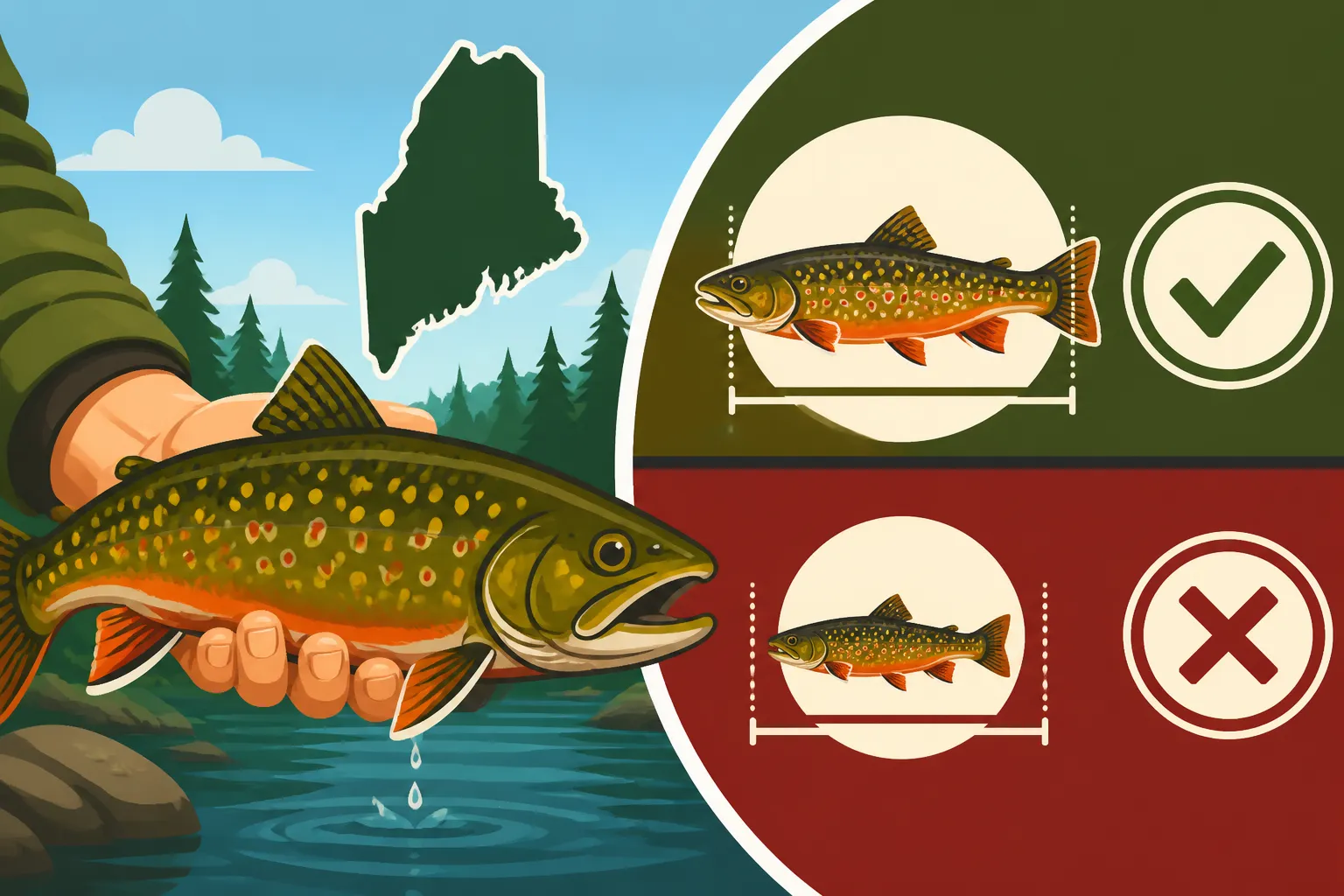
The standard method for measuring a fish in Maine is from the tip of its snout (mouth closed) to the farthest tip of its tail (often called the "total length"). This means gently laying the fish flat on a measuring device, with its mouth touching the zero mark, and ensuring the tail is fully extended and not pinched. You want to get the longest possible measurement without stretching the fish unnaturally.
It's common for anglers to try to measure a wiggling fish in their hands, but this often leads to inaccurate readings and unnecessary stress on the fish. The best practice is to use a flat, rigid measuring device. Many anglers carry specialized fish rulers or "bump boards" that make this process straightforward and humane. If you're looking for reliable measuring tools, a quick search on Amazon for "fish measuring board" or "fishing ruler" will show you plenty of options that often include clear markings and even fish-friendly surfaces.
Essential Gear for Measuring
To measure a fish properly and ethically, you'll need the right tools. A simple tape measure often isn't ideal because it's flexible and can be difficult to manage with a squirming fish.
- Rigid Ruler or Measuring Board: These are by far the best options. Many are made of durable plastic or aluminum, with clear, easy-to-read markings. Some even have a "bump" at the zero end to ensure the fish's snout is consistently placed. Look for models that are at least 15-20 inches long to accommodate most brook trout you might encounter.
- Gloves: Wet, non-abrasive gloves can help you handle the fish more securely, reducing the risk of dropping it and protecting its slime coat, which is vital for its health.
- Camera (Optional but Recommended): If you're uncertain, or if it's a borderline fish, a quick photo on your measuring board provides excellent documentation and a great memory.
Having these tools readily accessible in your tackle box means you can quickly measure, decide, and if necessary, release the fish with minimal harm. Remember, the goal is always to be respectful of the resource.
Best Practices for Catch and Release of Undersized Fish
Let's face it, most brook trout you catch, especially in certain waters, will be under the legal keeping length (if one exists) or simply not what you're looking for. Knowing how to properly release them is just as important as knowing the regulations. Improper handling can cause delayed mortality, negating the purpose of size limits.
Here are some key tips:
- Minimize Air Exposure: Fish can't breathe air. Keep them in the water as much as possible, especially during unhooking and measuring.
- Wet Hands/Gloves: Always wet your hands or use wet, non-abrasive gloves before touching a fish. Dry hands can remove the fish's protective slime coat, leaving it vulnerable to infection.
- Support the Fish: If you must lift the fish for a quick measure, support its body horizontally. Avoid holding it vertically by the jaw or tail, which can damage its internal organs or spine.
- Quick Release: Have your measuring device and camera ready. Measure swiftly, make your decision, and get the fish back into the water as quickly and gently as possible.
- Remove Hooks Carefully: Use needle-nose pliers or a hook-remover tool to extract the hook. If the fish is deeply hooked, it's often better to cut the line as close to the hook as possible, as the hook will eventually rust away, rather than trying to rip it out. Using barbless hooks can also make removal much easier and less damaging.
By following these practices, you give every undersized brook trout the best possible chance to survive, grow, and maybe even be caught again when it's a legal keeper. For more in-depth guidance, check out our guide on Catch and Release Best Practices in Maine.
Consequences of Keeping Undersized Brook Trout
Fishing regulations aren't just suggestions; they are laws designed to protect Maine's natural resources. Disregarding size limits, whether intentionally or accidentally, can lead to unpleasant consequences, impacting both your wallet and the fish population.
Penalties and Fines for Violations
Getting caught with an undersized brook trout, or any fish that violates specific regulations, is a serious matter in Maine. Maine Fish and Wildlife Wardens are dedicated professionals who patrol vast areas to ensure compliance. If a warden determines you have violated a regulation, such as keeping a brook trout below a legal minimum length in a special regulation water, you could face significant penalties.
Typically, fines for fishing violations in Maine can range from hundreds to even thousands of dollars, depending on the severity and whether it's a repeat offense. In some cases, you might also face confiscation of your fishing gear, your catch, or even the suspension of your fishing license. It's a costly mistake that's easily avoidable by simply checking the regulations and measuring carefully. Nobody wants to end their relaxing fishing trip with a hefty fine, especially when the information to prevent it is readily available. If you're curious about potential repercussions, our article on Penalty for Keeping an Undersized Fish in Maine provides more detailed information.
Impact on Fish Populations
Beyond the legal and financial repercussions, keeping an undersized brook trout has a direct, detrimental impact on the fish population. When size limits are in place, they are there for a reason – usually to allow fish to reach sexual maturity and reproduce, or to ensure enough larger fish remain to maintain a healthy ecosystem balance.
Removing these fish prematurely:
- Reduces Spawning Potential: If a fish is taken before it has a chance to spawn, it directly reduces the number of future generations, potentially leading to a decline in the population over time.
- Skews Population Structure: Continually removing smaller fish can disrupt the natural age and size distribution of a population, which can have cascading effects on the food web and overall ecosystem health.
- Limits Trophy Opportunities: In waters managed for larger fish, taking undersized specimens undermines the efforts to produce those prized catches, impacting other anglers' experiences.
Every fish taken according to the rules is part of sustainable fishing. Every fish taken against the rules, particularly those undersized in regulated waters, chips away at the health of the fishery. Maine's brook trout are a precious resource, and responsible angling ensures they thrive for generations to come.
Finding Specific Regulations for Your Fishing Spot
By now, it should be abundantly clear: knowing the general law for brook trout isn't enough. You absolutely must check the specific regulations for the body of water you plan to fish. This is the most crucial step in being a responsible and legal angler in Maine.
Navigating the Maine DIFW Website and Law Book
The primary source for all Maine fishing regulations is the Maine Department of Inland Fisheries and Wildlife (MDIFW). They provide comprehensive resources that you can access easily.
- The MDIFW Website: This is your best friend. The MDIFW website has an entire section dedicated to fishing regulations. You can often use an interactive map or a search function to look up specific lakes, ponds, rivers, or streams. Here, you'll find any special regulations that apply to that particular water, including minimum length limits for brook trout, bag limits, season dates, and approved methods of fishing. It's always a good idea to check the website close to your fishing date, as regulations can occasionally be updated.
- The Maine Open Water & Ice Fishing Law Book: Every year, the MDIFW publishes a physical law book. These are free and can be picked up at most sporting goods stores, bait shops, and town offices that sell Maine Fishing License. This book contains all the General Law regulations and, crucially, a detailed list of special regulations organized by county and waterbody. Many anglers prefer to carry a physical copy in their tackle box, especially if they're heading to areas with spotty cell service.
When you're looking up a specific water, pay close attention to any highlighted text, special designations (like "fly fishing only" or "S-1 through S-15"), or charts that specifically mention brook trout. Understanding how to use these resources is key to enjoying a worry-free fishing trip. For a deeper dive into the overall regulatory landscape, consider reading our Maine Fishing Regulations Explained guide.
Local Knowledge and Warden Insights
While the official resources are paramount, don't underestimate the value of local knowledge and the insights from those who know the waters best.
- Local Bait Shops and Sporting Goods Stores: These places are goldmines of information. The folks working there are often avid anglers themselves and know the local waters like the back of their hand. They can tell you about recent regulation changes, specific nuances of a particular water, and even recommend what gear you might need. Don't be shy about asking questions when you're buying bait or tackle.
- Maine Fish and Wildlife Wardens: These are the experts on the ground. While it might feel intimidating to approach a warden, they are a fantastic resource. If you have a specific question about a regulation before you even cast a line, a quick, polite inquiry to a warden (if you see one) can clear up any confusion and ensure you're compliant. They're there to help educate anglers and protect the resource, not just write tickets. You can often find contact information for regional MDIFW offices on their website.
- Online Fishing Forums and Groups: While these can be helpful for general tips, always double-check any regulation advice against the official MDIFW sources. Misinformation can spread quickly online.
By combining diligent research with a bit of local wisdom, you'll be well-prepared to fish responsibly and enjoy Maine's incredible brook trout opportunities. And remember, if you're ever in doubt about a specific rule, err on the side of conservation – release the fish. To learn more about how different rules apply, you might find our article on How to Find Maine Fishing Regulations for a Specific Lake particularly useful.
Maine Brook Trout Length Limits Overview
To help visualize some of the common scenarios regarding brook trout length limits in Maine, here's a simplified table. Remember, this table provides examples and does not replace checking the current MDIFW regulations for your specific fishing location.
| Water Type/Regulation | Brook Trout Minimum Length | Daily Bag Limit (Example) | Notes |
|---|---|---|---|
| General Law Waters | No Minimum Length | 5 fish | Applies to most waters unless otherwise specified. |
| Special Regulation Water A | 10 inches | 1 fish (or 2 fish) | Common for many smaller, wild brook trout ponds or streams. Often paired with specific gear restrictions. |
| Special Regulation Water B | Catch and Release Only | 0 fish | Found in highly managed waters to protect vulnerable or trophy populations. |
| Special Regulation Water C | 6 inches | 2 fish | Less common, but might appear in specific overpopulated areas to encourage harvest. |
This table shows the variety you might encounter. The key takeaway is that "no minimum length" under General Law is often superseded by stricter rules. Always verify!
Disclaimer
Please note that fishing regulations in Maine are subject to change. While this guide provides current and accurate information based on available data, it is ultimately the angler's responsibility to consult the most recent Maine Open Water & Ice Fishing Law Book or the official Maine Department of Inland Fisheries and Wildlife (MDIFW) website before heading out to fish. This content is for informational purposes only and should not be considered a substitute for official legal advice or the official regulations.