What Zone Is Sebago Lake In for Maine Fishing Rules?
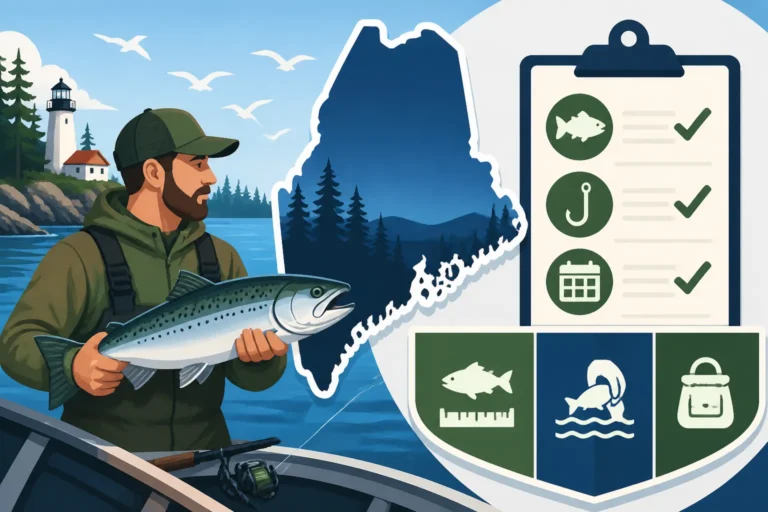
It's incredibly frustrating, isn't it? You're planning a fantastic fishing trip to one of Maine's legendary lakes, like beautiful Sebago, and you just want to know what rules apply, but the regulations can feel like a maze. Maine's fishing laws are carefully crafted, but figuring out whether you're in the "North Zone" or "South Zone" can throw a real wrench in your plans. This guide is here to clear up that confusion, specifically for Sebago Lake, ensuring you're fully prepared and compliant with all the local rules.
Understanding Maine's Fishing Zones
Maine, with its vast and varied landscape, from the dense North Woods to its more populated southern coast, manages its fisheries with a two-zone system: the North Zone and the South Zone. This approach isn't just for kicks; it's a critical part of how the Maine Department of Inland Fisheries and Wildlife (MDIFW) ensures sustainable fishing for everyone.
Why Maine Has Different Zones
The primary reason for having distinct North and South Zones boils down to ecological differences and fishing pressure. The northern parts of Maine experience much colder winters, with ice forming earlier and staying longer, leading to different fish spawning patterns and growth rates. Think about it: a lake near Moosehead Lake in the deep north will have a vastly different climate and fish population dynamics than a water body close to Portland.
In the North Zone, characterized by its remote wilderness, the focus is often on preserving wild Brook Trout populations and managing traditional cold-water fisheries like Landlocked Salmon and Togue. The seasons might be shorter, and specific conservation measures are more stringent to protect these sensitive ecosystems. The South Zone, on the other hand, generally has milder temperatures, a longer open-water season, and often experiences heavier fishing pressure due to higher population density and easier access. It also hosts a broader mix of warm-water species, like Largemouth and Smallmouth Bass, alongside its cold-water inhabitants. Managing these two distinct areas with a single set of rules simply wouldn't work; it would either over-regulate one or under-protect the other.
The Importance of Knowing Your Zone
Imagine spending a full day on the water, hooking into some magnificent fish, only to realize you were fishing out of season or exceeding the bag limit because you had the wrong zone's rules in mind. It's a nightmare scenario, and unfortunately, it happens. Knowing your zone is absolutely crucial because it dictates everything from when you can fish, what species you can keep, and how many fish you're allowed to possess.
For instance, the ice fishing season might open and close on different dates between the zones. Bag limits for certain species, like brook trout, can also vary significantly. If you're a passionate angler who travels across the state, misinterpreting these boundaries could lead to fines, confiscation of your catch, and a truly disheartening experience. It's not just about avoiding penalties; it's about being a responsible conservationist and respecting the thoughtful management efforts that keep Maine's fisheries thriving for future generations. Always double-check, because ignorance of the law is never an excuse in the eyes of a warden.
Sebago Lake: A Clear Answer
Alright, let's get right to the heart of the matter for those of you eager to cast a line in Maine's second-largest lake. Sebago Lake is renowned for its incredible landlocked salmon, robust lake trout (togue), and fantastic smallmouth bass fishing, among other species. It's a true jewel of southern Maine, attracting anglers from all over.
Sebago Lake's Official Designation
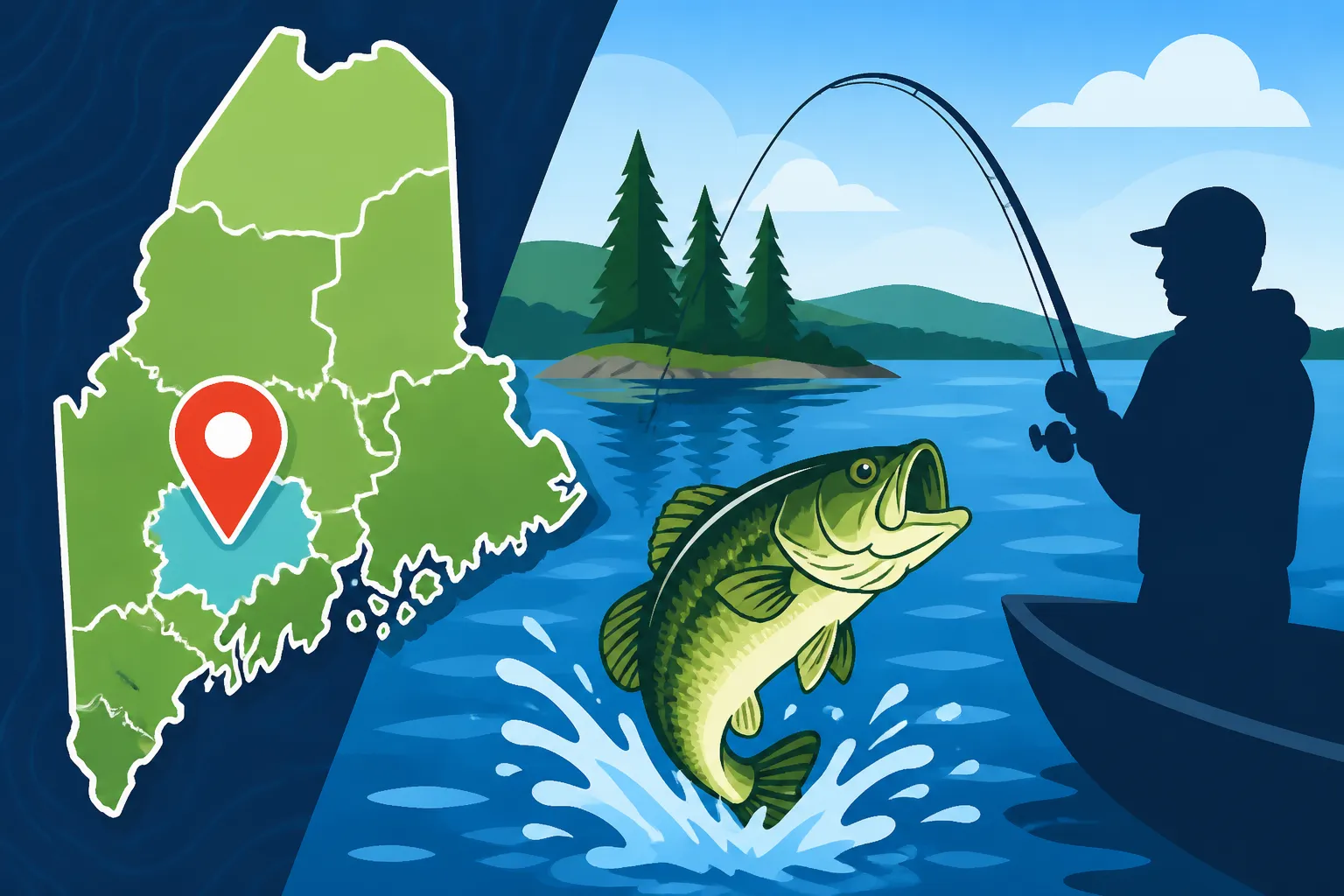
For clarity and without beating around the bush: Sebago Lake is located entirely within Maine's South Zone for fishing regulations. This is a critical piece of information that will guide all your planning for fishing on this magnificent body of water. There's no ambiguity or split zones here; once you're on Sebago, you're operating under South Zone rules.
This designation makes sense geographically. Sebago Lake is nestled just northwest of Portland, placing it squarely within the milder climate and higher population density typical of southern Maine. It doesn't share the same extreme winter conditions or remote wilderness characteristics that define the North Zone. Knowing this upfront will save you a lot of headache and ensure you're looking at the correct sections of the rule book.
What This Means for Anglers on Sebago
Since Sebago Lake falls into the South Zone, anglers will find a set of regulations that generally reflect a longer open water season and, often, more liberal rules for certain species compared to the North Zone. For instance, the general law for open water fishing in the South Zone usually begins on April 1st, extending through September 30th, though many waters, including Sebago, often have special rules that allow for year-round fishing for certain species, particularly on its deeper sections. This means you might be able to target Lake Trout or other species even outside the typical "open water" general law dates.
Ice fishing, too, has a distinct season in the South Zone, generally running from January 1st to March 31st. However, even within these general dates, specific lakes can have their own nuances. For Sebago, this means you'll typically have a defined window for drilling holes and setting tip-ups. Additionally, bag limits for popular species like bass might follow the South Zone's guidelines, which allow for a more generous take compared to some North Zone waters. To truly understand the specifics, you'll need to consult the detailed Maine Fishing Regulations Explained for Sebago Lake, which often includes special regulations that supersede the general South Zone laws for certain species or times of the year.
Key Regulations for Sebago Lake (South Zone)
Diving deeper into the specifics, understanding the regulations for Sebago Lake means really getting to grips with what the South Zone classification implies for your fishing experience. This isn't just about general dates; it's about how you can legally pursue the incredible game fish that call Sebago home.
Open Water Fishing Seasons and Dates
For most of Maine's South Zone, the general open water fishing season runs from April 1st to September 30th. However, Sebago Lake is often a special case. Many deeper, larger lakes in the South Zone, including Sebago, have specific regulations that allow for year-round open water fishing for certain species. This is particularly true for cold-water species like Landlocked Salmon and Togue (Lake Trout), which thrive in Sebago's deep, cold waters even during warmer months.
What this means for you is that while the general rule might point to a seasonal closure, Sebago often permits fishing for these species with specific bag and length limits outside those standard dates. It's crucial to consult the official MDIFW regulations booklet or website specifically for Sebago Lake, as these special rules are highlighted. For example, you might find that you can still target salmon in October, but perhaps only with artificial lures and strict catch-and-release protocols. This extended season is a huge boon for anglers, providing more opportunities to enjoy the lake's bounty.
Ice Fishing Seasons and Rules
Ice fishing is a cherished tradition on Sebago Lake, offering a unique opportunity to target those deep-water salmon and togue. In the South Zone, the general ice fishing season typically runs from January 1st through March 31st. However, as with open water, Sebago Lake often has its own set of detailed rules that you need to be aware of.
For instance, while the general law in Maine allows for up to five lines per person for ice fishing, Sebago Lake might have different requirements for the number of lines or the types of bait allowed. It's not uncommon for larger, more popular lakes to have more specific guidelines to manage fishing pressure and protect fish populations. Knowing the Maine Ice Fishing Rules Guide will be essential, but always cross-reference it with the Sebago Lake specific entries. Safety is also paramount during ice fishing; always check ice thickness and conditions before venturing out.
Species-Specific Regulations on Sebago Lake
Sebago Lake is famous for a few key species, and understanding their individual regulations is paramount.
- Landlocked Salmon: These magnificent fish are a huge draw. Sebago often has special length and bag limits for salmon that can differ from general state-wide or South Zone rules, especially during certain times of the year when they might be more vulnerable. For example, there might be a slot limit (only fish within a certain size range can be kept) or a reduced daily bag limit. If you're hoping to land a trophy, you need to know the specific Maine Landlocked Salmon Bag Limits for Sebago Lake.
- Lake Trout (Togue): Affectionately known as "togue" by Mainers, these deep-water predators are abundant in Sebago. Regulations typically focus on ensuring a sustainable population. You'll find specific daily bag limits and minimum length requirements. Given their popularity, these limits are carefully managed.
- Smallmouth Bass: Sebago offers fantastic smallmouth bass fishing, particularly as the water warms. For bass, Maine uses a zone-based system, so Sebago will follow the Maine Bass Fishing Limits by Zone for the South Zone. This usually means a specific daily bag limit and often a maximum length for a certain number of fish (e.g., you can keep more smaller bass, but only one or two over a certain size).
- Brook Trout: While Sebago is a large lake, there are often feeder streams and shallower areas where brook trout can be found. These regulations are often more conservative to protect these native fish. Check for specific bag limits and length requirements, as they can vary greatly from the general South Zone rules if special management is in place.
It's critical to remember that specific waters, like Sebago, often have individual regulations that take precedence over the general zone rules. Always consult the most current rule book from the MDIFW.
Navigating Maine's Fishing Laws and Resources
Even with the best intentions, the sheer volume of fishing regulations can feel overwhelming. Maine's Department of Inland Fisheries and Wildlife (MDIFW) does an excellent job compiling these, but knowing where to look and what to look for is half the battle.
Where to Find the Most Up-to-Date Rules
The absolute best and most reliable source for Maine's fishing regulations is the official MDIFW website. They publish the entire fishing law book online, usually updated annually. This digital version is invaluable because you can search for specific lakes, species, or rule types directly. It’s also available as a printable PDF, which many anglers find useful to carry with them.
For those who prefer a tangible copy, you can often pick up a physical copy of the Maine Open Water & Ice Fishing Regulations book at licensed agents, such as bait shops, sporting goods stores like Kittery Trading Post or Cabela's, and even some convenience stores across the state. Sometimes, you can even find these available for purchase through online retailers like Amazon, especially if you want to get a head start on your research before your trip. Always make sure you're getting the current year's edition, as rules can change from season to season. This small effort can prevent big headaches.
Common Pitfalls and How to Avoid Them
Even seasoned anglers can stumble over Maine's regulations. One of the most common pitfalls is assuming that general law applies everywhere. As we've discussed with Sebago Lake, many popular waters have specific "special regulations" that override the broader North or South Zone rules. This might be due to a specific conservation effort, heavy fishing pressure, or unique ecological conditions. Always look up your specific body of water in the MDIFW rule book.
Another frequent mistake is misunderstanding definitions. What constitutes an "artificial lure"? What are the exact dates for "ice out" or the "smelt run"? These details can affect your fishing strategy and legality. For example, the Maine Fishing Season Dates Guide might give general timelines, but a specific water could have an extended or shortened season for a particular fish. Don't rely on word-of-mouth or last year's knowledge; regulations are dynamic.
Finally, proper identification of your catch is critical. Some species, like Togue (Lake Trout) and Brook Trout, can sometimes be confused by less experienced anglers, and their bag limits and minimum lengths might be vastly different. Familiarize yourself with the Maine Fish Species Identification Guide to confidently identify your catch. When in doubt, it's always best to release the fish or assume the most conservative regulation applies. Being proactive and using the official resources will ensure your Maine fishing experience is memorable for all the right reasons.
Maine Fishing Zones: A Quick Reference
To help you keep track of the key differences between Maine's fishing zones, here's a brief comparison. Remember, these are general guidelines, and specific waters will always have their own detailed regulations that you must consult!
| Feature | North Zone (Generally) | South Zone (Generally) | Sebago Lake (Specific) |
|---|---|---|---|
| Primary Focus | Wild brook trout, coldwater species, remote | Diverse fisheries, higher access, mixed species | Premier landlocked salmon, togue, smallmouth bass |
| Open Water Season (General Law) | April 1st to September 30th (often stricter closures) | April 1st to September 30th (more year-round waters) | Often year-round for salmon/togue (check specific rules) |
| Ice Fishing Season (General Law) | January 1st to March 31st (often earlier closures) | January 1st to March 31st (often later openings) | January 1st to March 31st (check specific opening/closing dates) |
| Bag Limits | Often more conservative, especially for trout | Can be more liberal, especially for bass | Specific limits for salmon, togue, bass (consult rule book) |
| Water Bodies | Moosehead Lake, Rangeley Lakes (partially), remote ponds | Sebago Lake, Belgrade Lakes, larger rivers | Sebago Lake is entirely in the South Zone. |
Disclaimer
The information provided in this guide is for general informational purposes only and is subject to change. While we strive to provide accurate and up-to-date content, fishing regulations, season dates, and bag limits are determined by the Maine Department of Inland Fisheries and Wildlife (MDIFW) and can be modified at any time. It is the sole responsibility of every angler to consult the official, current Maine Open Water & Ice Fishing Regulations booklet or the MDIFW website before engaging in any fishing activity. Failure to do so may result in fines or penalties.