Are There Muskie in Maine?
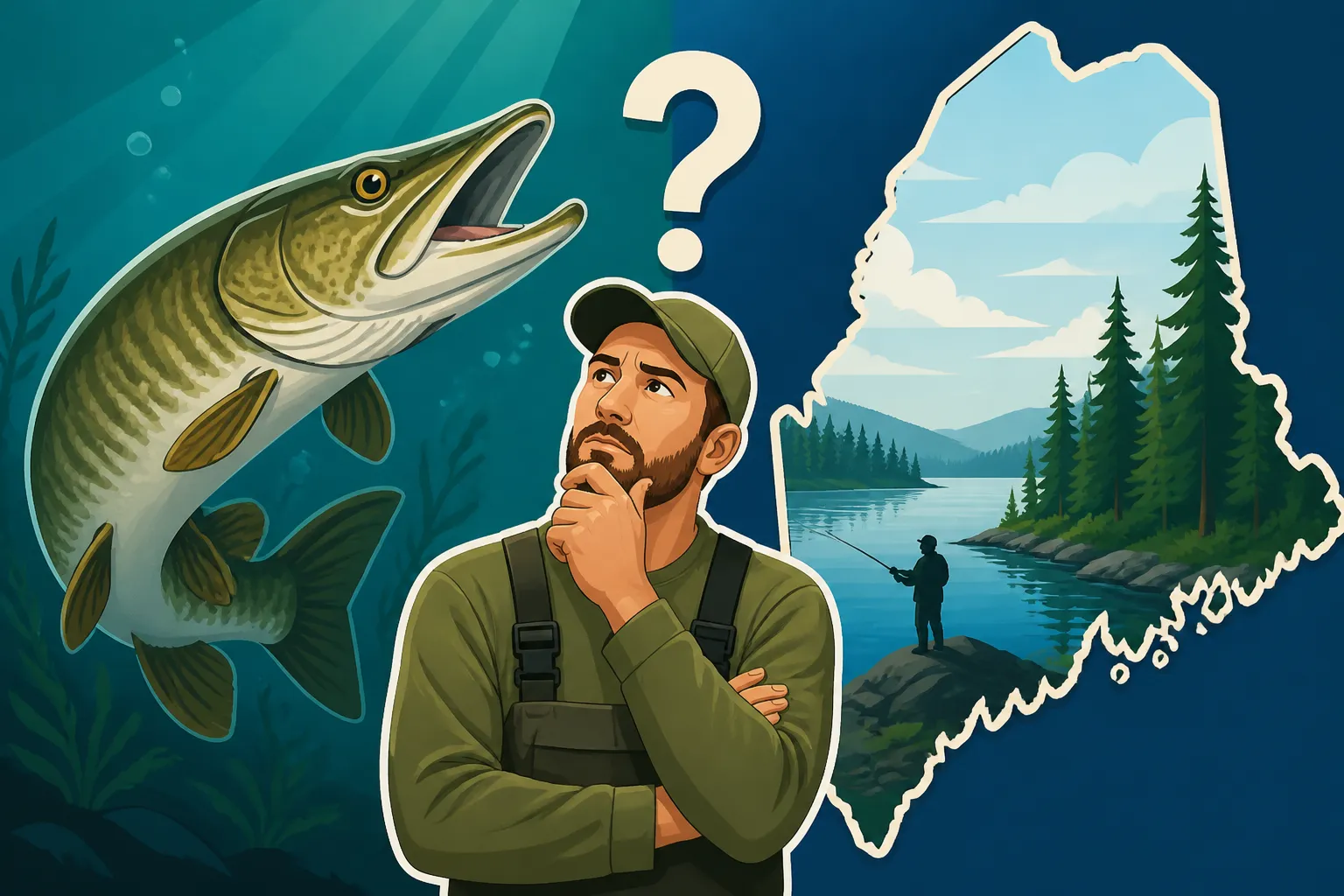
There’s a question that pops up fairly often around campfires and bait shops here in Maine: "Are there Muskie in Maine?" It's a natural question, especially for anglers who've heard tales of these monstrous, elusive fish from other states. The short answer, and one that often surprises people, is no, not in any officially recognized or naturally established population. This guide will dive deep into why this question comes up, what fish do call Maine home, and how we can all help protect our cherished waters from unwanted introductions.
Understanding Muskie: What Are We Talking About?
Before we talk about whether Muskie are in Maine, let’s make sure we’re all on the same page about what a Muskie actually is! The term "Muskie" often conjures images of massive, toothy predators, and for good reason. They are the apex freshwater predators in many of the waters they inhabit, revered and even obsessed over by a dedicated segment of the angling community.
Identifying the Mighty Muskie
The Muskie, or Muskellunge (Esox masquinongy), is truly a majestic freshwater fish, and honestly, a bit intimidating! They're known for their impressive size, often growing over 50 inches long and weighing upwards of 50 pounds, making them one of the largest freshwater game fish in North America. Their bodies are long, cylindrical, and streamlined, perfectly adapted for explosive bursts of speed to ambush prey. Visually, they have a distinctive pattern, usually dark spots, bars, or stripes on a lighter background, though this can vary. Their mouth is large and duck-bill shaped, packed with sharp, needle-like teeth, which is why handling them requires extreme caution.
One key identifying feature often used to distinguish Muskie from their close relative, the Northern Pike, involves checking the sensory pores on the underside of their lower jaw. Muskie typically have six to nine pores on each side, while Northern Pike usually have five or fewer. Another tell-tale sign is the lack of scales on the lower half of the cheek and gill cover, a characteristic that contrasts with the more fully scaled Northern Pike. Their dorsal fin is located far back on their body, almost directly above the anal fin, which contributes to their powerful, propulsive tail strokes. These creatures are truly built for hunting.
Muskie's Natural Habitat and Range
Muskellunge are native to a relatively broad, but specific, range across North America. You'll typically find them in the Great Lakes region, the St. Lawrence River, and parts of the Mississippi River basin. Their preferred habitats include clear, cool waters in lakes and larger rivers, often with abundant weed beds, submerged logs, and rock formations that provide excellent ambush points. They are generally solitary fish, preferring to lurk in cover, waiting for an unsuspecting meal to swim by. They require large expanses of water and specific spawning grounds, often shallow, vegetated areas that warm up quickly in spring.
States like Wisconsin, Minnesota, Michigan, New York, and Pennsylvania are well-known for their thriving Muskie fisheries. They've also been introduced in other areas where conditions are suitable. The appeal of Muskie fishing is undeniable, drawing anglers from far and wide who are eager to test their skills against these formidable fighters. The sheer challenge of hooking, fighting, and safely releasing a trophy Muskie is what makes them such a prized species for many, and why the question of their presence in Maine often comes up.
The Core Question: Are Muskie Found in Maine?
This is where we get right to the heart of the matter. It’s a question steeped in local angling discussions, fueled by rumors, and sometimes, simply by wishful thinking from those who dream of catching a true freshwater leviathan in Maine's beautiful waters.
Why the Confusion?
The biggest reason for the persistent question about Muskie in Maine is often a case of mistaken identity, primarily with the Northern Pike. Northern Pike are well-established in many Maine waters, and they share a similar body shape, predatory nature, and impressive size (though generally not as massive as a true Muskie). A large Northern Pike, especially one pushing 40 inches, can easily be mistaken for a Muskie by someone who isn't intimately familiar with the subtle, yet distinct, differences between the two species. They both have that long, torpedo-like body, a duck-bill mouth full of teeth, and a generally green-ish, spotted or barred pattern. It’s easy to see why an excited angler might misidentify a large pike as a Muskie, especially if they've only seen photos of Muskie online or in magazines.
Local lore and exaggerated fishing stories also play a role. A "monster fish" caught in a remote pond might quickly become a "Muskie" in the retelling, growing in legend with each passing season. It’s part of the fun of fishing, of course, but it contributes to the confusion. Furthermore, with the increasing popularity of large game fish across the country, anglers from areas with Muskie might assume that a state known for its wild, expansive waters like Maine would naturally host them.
Official Stance: Maine's Fish Biologists Weigh In
When it comes to the official word, Maine's Department of Inland Fisheries and Wildlife (MDIFW) has been very clear: there are no established populations of purebred Muskellunge in Maine waters. This isn't just an educated guess; it's based on extensive surveys, monitoring efforts, and species identification by biologists. While it's theoretically possible for an individual Muskie to somehow find its way into a Maine waterbody through an illegal introduction (which is highly discouraged and harmful, more on that later), it would not constitute an "established population" that reproduces naturally.
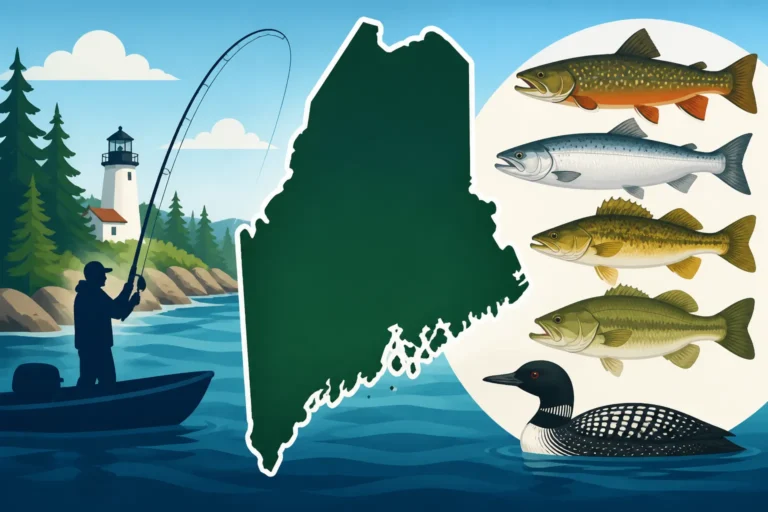
The MDIFW focuses its management efforts on native species like brook trout, landlocked salmon, and lake trout (togue), as well as naturalized game fish like smallmouth and largemouth bass, and yes, Northern Pike, which are unfortunately well-established as an invasive species in several Maine systems. Introducing new, non-native species, especially large predators like Muskie, could have devastating impacts on Maine's delicate aquatic ecosystems, potentially outcompeting or preying upon native fish populations that are already under pressure. Maine prides itself on its pristine waters and wild fisheries, and maintaining the ecological balance is a top priority.
Neighboring States and Muskie
While Maine doesn't have Muskie, some of our neighboring regions do, which might also fuel the speculation. For instance, parts of the St. Lawrence River, which forms a border with New York and Canada, are renowned for their Muskie populations. Québec, Canada, also has waters with Muskie. These areas are not far, geographically speaking, from certain parts of Maine, particularly northern Aroostook County. However, the specific watersheds and river systems that flow into and out of Maine generally do not connect directly to Muskie-bearing waters in a way that would allow for natural migration and establishment.
The mighty Muskie requires quite specific conditions to thrive and reproduce. Even if an individual were to somehow swim into a Maine river system, the chances of it finding a mate and establishing a self-sustaining population are incredibly slim, especially given the state's existing fish populations and habitat characteristics. It's a bit like asking if polar bears are native to Florida – while theoretically a stray one might end up there, it wouldn't establish a breeding population. The ecological barriers and distance are simply too great for Muskie to become a natural part of Maine's fish fauna.
What Other Large, Tooth-Filled Fish Are in Maine?
Alright, so no Muskie. But if you've heard stories of anglers battling massive, toothy fish in Maine's lakes and rivers, you're not imagining things! Maine certainly has its share of impressive freshwater predators, and it's these fish that often lead to the Muskie misconceptions. Understanding what is here is crucial for anglers, both for proper identification and for adhering to the Maine Fishing Regulations Explained.
The Northern Pike: Maine's Resident Imposter
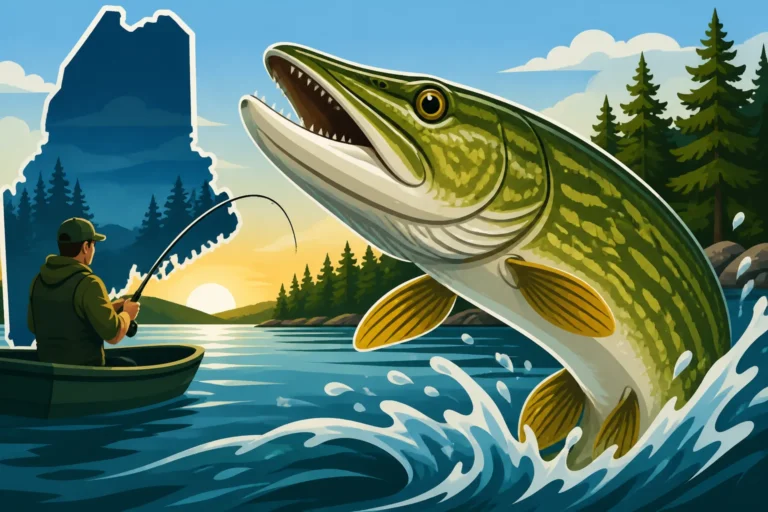
Ah, the Northern Pike (Esox lucius)! This is Maine's true resident large, toothy predator that often gets mistaken for a Muskie. Pike are found in a number of river systems and lakes across the state, primarily in the central and southern regions, where they were illegally introduced decades ago. They can grow to significant sizes in Maine, with individuals pushing 30-40 inches and weighing over 15 pounds not uncommon. I've heard tales of even larger ones being caught, which can certainly make an angler's heart pound!
Pike have that classic torpedo-shaped body, a broad, duck-bill snout, and a mouth full of razor-sharp teeth. They are typically olive green to dark green on their back, fading to a yellowish-white belly, with light, bean-shaped spots along their sides. The key identifier to differentiate them from Muskie, as mentioned earlier, is the scaling pattern: Northern Pike have scales completely covering their cheeks and gill covers. They are aggressive ambush predators, lurking in weed beds or submerged structures, and will strike at almost anything that moves – from baitfish to frogs, and even small ducks. While they provide an exciting fight, their presence in Maine is largely a concern for native fisheries, as they compete with and prey upon species like brook trout and salmon. You can learn more about their impact in What Is Northern Pike Doing to Maine Trout Waters?. Many anglers actively target pike, especially in waters where their population is thriving, to help manage their numbers. If you're looking for gear, a heavy spinning rod and strong braided line, easily found on platforms like Amazon, are often recommended for these feisty fish.
Chain Pickerel: The Smaller, Common Cousin
Another member of the Esox family found abundantly in Maine is the Chain Pickerel (Esox niger). While they don't reach the "monster" sizes of Muskie or even large Northern Pike, they are still a significant and widespread predator in many of Maine's warmer, shallower lakes and ponds. Chain Pickerel typically grow to lengths of 18-24 inches, with larger ones occasionally caught.
Their appearance is quite distinct. They have a characteristic chain-like or reticulated pattern on their sides, which gives them their name. Like their pike and Muskie cousins, they possess a long, slender body, a duck-bill mouth, and plenty of sharp teeth. However, unlike pike, their entire cheek and gill cover are fully scaled. They are incredibly aggressive for their size and provide a fun, fast-paced fishing experience, especially for younger anglers or those new to the sport. They readily strike at artificial lures and live bait and are often found in thick vegetation. While not as ecologically disruptive as Northern Pike, they still fill a predatory niche in their habitats. If you want to learn more about them, check out Chain Pickerel Fishing in Maine. You can find a wide array of pickerel lures, from spoons to spinnerbaits, with ease on Amazon.
Why This Distinction Matters for Anglers
Understanding the difference between Muskie, Northern Pike, and Chain Pickerel isn't just an academic exercise; it's vital for every angler casting a line in Maine.
First, conservation and regulations. Maine's fisheries are carefully managed to protect native species and control invasives. Fishing regulations, including bag limits, size limits, and even methods, are specific to each species. Mistaking a pike for a Muskie could lead to misreporting of fish or, worse, an unintentional violation of regulations. Knowing what you've caught ensures you're following the rules set out in the Maine Fishing Regulations Explained. For instance, while Northern Pike are often encouraged to be harvested in many waters due to their invasive status, a hypothetical Muskie (if one were ever confirmed) would likely be subject to very strict catch-and-release protocols.
Second, gear and technique. While there's overlap, targeting a 1-pound pickerel is very different from targeting a 15-pound pike. Muskie fishing, in areas where they exist, requires specialized heavy-duty gear designed to handle truly massive fish and extremely aggressive fights. Here in Maine, if you're targeting pike, you'll want sturdier rods, heavier line, and wire leaders, which are all readily available on platforms like Amazon, to protect against those sharp teeth. For pickerel, lighter tackle can still provide a thrilling experience.
Finally, ecological awareness. As anglers, we are often the first line of defense against invasive species. Knowing what fish should be in our waters helps us identify anything out of the ordinary. If you truly believe you've caught something that doesn't fit the description of a native or established species, knowing who to contact at the MDIFW is incredibly important. You can find out more about how to report unusual catches in How to Report a Poacher in Maine.
Here's a quick comparison of these three Esox species:
| Feature | Muskellunge (Muskie) | Northern Pike | Chain Pickerel |
|---|---|---|---|
| Typical Size | 30-60+ inches, 15-60+ lbs | 20-40 inches, 2-20 lbs | 14-24 inches, 1-3 lbs |
| Color/Pattern | Dark spots/bars on light body | Light, bean-shaped spots on dark | Chain-like pattern on dark |
| Cheeks/Gills | Scaleless lower half | Fully scaled cheeks, scaleless gill cover | Fully scaled cheeks and gill cover |
| Lower Jaw Pores | 6-9 per side | 5 or fewer per side | 4 per side, usually |
| Native to Maine | No | No (Invasive) | Yes (Native) |
| Habitat | Clear, cool lakes/rivers | Weedy lakes/rivers | Weedy, shallower lakes/ponds |
Protecting Maine's Native Waters: The Role of Anglers
Our beloved Maine fishing experiences are built on the health of our waters and the integrity of our fish populations. While the idea of a new, exciting game fish like a Muskie might sound appealing to some, the reality of introducing non-native species can be devastating. As anglers, we play a crucial role in safeguarding what we have.
Preventing the Spread of Invasive Species
This is perhaps the most critical action we can take. Invasive species, whether fish, plants, or invertebrates, can wreak havoc on an ecosystem that isn't equipped to handle them. They can outcompete native species for food and habitat, introduce diseases, and drastically alter the food web. Northern Pike are a prime example of an invasive species that has had significant impacts in Maine. You can read more about the broader issue in Invasive Fish Species in Maine Lakes.
Here's how you can help prevent the spread of anything unwanted, including the accidental introduction of a Muskie or other fish from one body of water to another:
- Never, ever transfer live fish or bait from one waterbody to another. This is illegal and incredibly dangerous. Even if you think you're just moving "similar" baitfish, you could be moving invasive species or diseases. Always use bait legally harvested from the water you are fishing in, or certified disease-free bait from a reputable dealer.
- "Clean, Drain, Dry" your gear. Before moving your boat, canoe, kayak, or even waders and fishing tackle from one lake or river to another, take the time to inspect and clean it thoroughly. Remove all visible mud, plants, and aquatic organisms. Drain all water from your boat, livewell, and bait bucket. Let your equipment completely dry for at least five days, or wipe it down with a towel and then let it air dry in the sun. This simple practice can stop tiny hitchhikers from spreading. You can find specialized cleaning brushes and gear on Amazon to make this easier.
- Dispose of unwanted bait properly. Never dump live bait into the water or onto shore. Dispose of it in the trash.
These simple steps make a huge difference in protecting Maine’s unique aquatic environments and preventing the establishment of new, unwanted species.
Reporting Unusual Catches
If you're out fishing and you catch something that looks truly unfamiliar – something that doesn't quite match the descriptions of our native or established species like brook trout, salmon, bass, pike, or pickerel – it's important to report it. Don't just dismiss it or assume it's just a "weird" fish. It could be an early indicator of an illegal introduction or a stray.
Your best course of action is to:
- Take a clear photo of the fish, ideally from the side, showing its full body.
- Note the exact location (water body, town, and even GPS coordinates if possible) and the date of the catch.
- Contact the Maine Department of Inland Fisheries and Wildlife (MDIFW). They have regional biologists and wardens who are experts in fish identification and will investigate reports of unusual catches. You can often find contact information on their official website or in the Maine Fishing Law Book Where to Get One. Don't be shy; they rely on alert anglers to help monitor our waters.
Early detection of non-native species is critical. If an invasive species is caught and identified quickly, there's a much better chance of controlling or eradicating it before it becomes established and causes irreversible damage. Your vigilance could protect Maine's fisheries for generations to come.
Respecting Maine's Unique Ecosystem
Ultimately, our role as anglers goes beyond just catching fish. It's about being stewards of the environment we love. Maine's waters are special, home to incredible native fish like the wild brook trout, celebrated in streams and ponds across the state. We have robust Landlocked Salmon Fishing in Maine and Lake Trout and Togue Fishing in Maine in our deeper lakes. These fisheries are a treasure, and they thrive because of a specific balance that has evolved over millennia.
Introducing a new apex predator like a Muskie could throw that balance into disarray, putting our native fish at risk. By understanding the species that do live here, following regulations, practicing responsible angling, and actively working to prevent the spread of invasives, we help ensure that Maine remains a premier fishing destination for its current inhabitants. Let's appreciate the amazing fish we do have and protect their habitats, ensuring that future generations can enjoy the same wild and vibrant fishing experiences we cherish today. For more comprehensive information, the Maine Fishing License Guide and Maine Fishing Season Dates Guide are invaluable resources.
Disclaimer
This article is for general informational purposes only and does not constitute professional advice. Laws, prices and regulations vary by location and change over time. Consult a qualified professional for guidance on your specific situation.