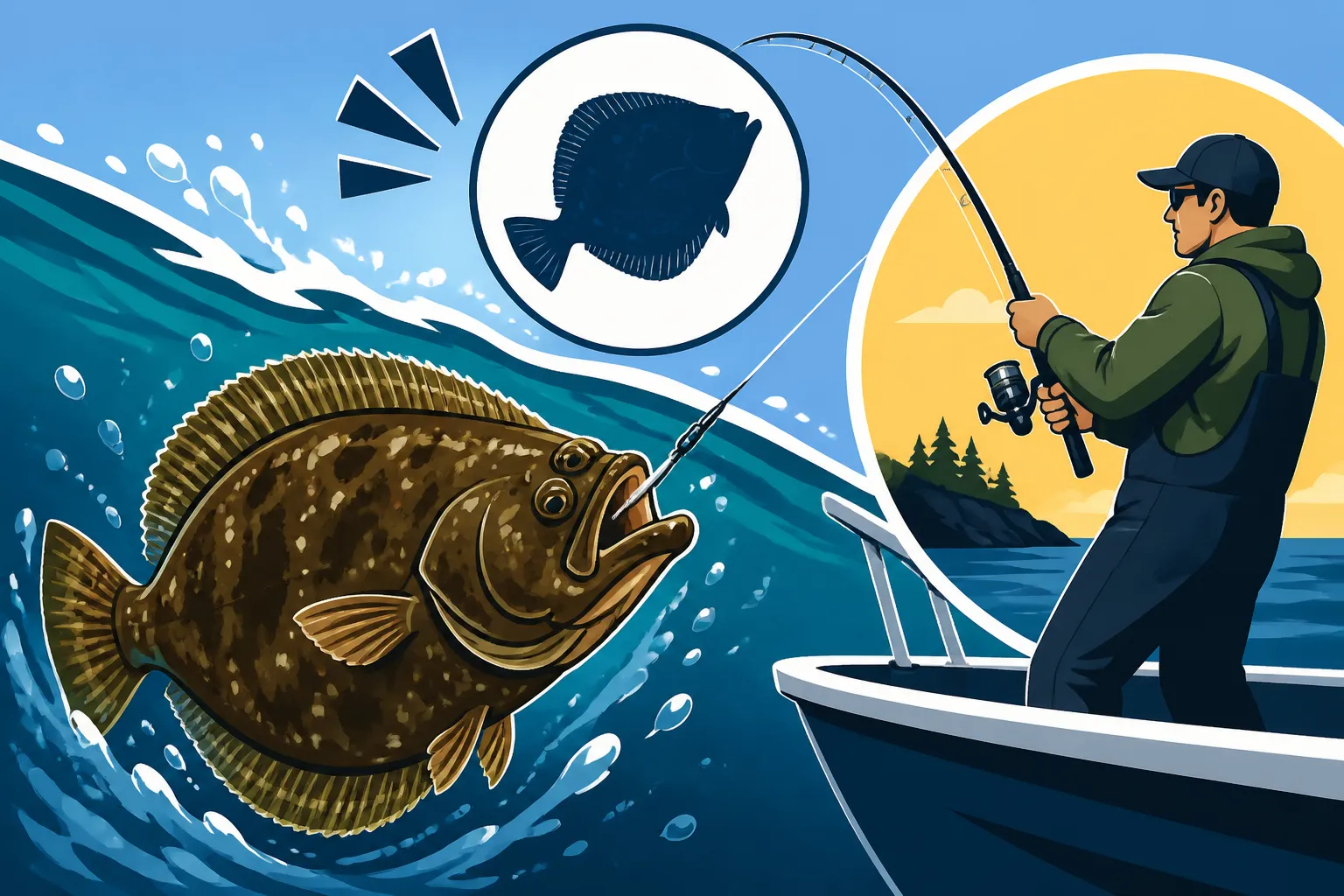
Do Togue Fight Hard When Hooked?
It’s a common question I hear from folks new to Maine's vast, cold lakes, or even seasoned anglers who haven't tangled with a togue before: "Do those lake trout really put up a fight?" There’s a widespread perception that because they live in the deep, dark waters, they might be sluggish, but I’m here to tell you that notion couldn't be further from the truth. This guide will dive deep into the exhilarating experience of hooking into a togue, helping you understand their unique fighting style and how to prepare for it.
The Togue's Reputation: Why There's a Question
For many newcomers to Maine's fishing scene, the idea of battling a fish that lives hundreds of feet down can conjure images of something slow and lethargic. You might picture a creature simply giving up as it's hauled from the depths. This assumption often leads to a bit of a surprise when an angler finally gets a solid strike from a true deep-water leviathan.
Misconceptions About Deep-Water Fish
It's natural to assume that a fish dwelling in the cold, stable environment of deep water would be less energetic than, say, a salmon leaping across the surface or a bass thrashing in the shallows. The immense pressure at these depths, combined with the often glacial water temperatures, contributes to this misconception. Anglers might think that the change in pressure as the fish is brought up would simply stun it into submission. While pressure changes certainly affect a fish, especially when released too quickly, it doesn't mean they don't fight like mad on the way up.
What's often overlooked is that these fish are built for endurance and power within their specific habitat. They're not designed for explosive, short bursts of speed in warm, oxygen-rich surface waters. Instead, their robust bodies and powerful tails are adapted for navigating strong currents and pursuing prey in a dense, cold medium. So, when you pull them out of that environment, they bring that inherent strength to the fight, even if it manifests differently than a surface-dwelling species.
Many anglers who exclusively fish shallower waters might also have limited experience with fish that don't jump or make blistering surface runs. Togue don't typically exhibit these behaviors. Their fight is fundamentally different, relying on deep, sustained power rather than acrobatic displays. This difference in fighting style can sometimes be mistaken for a lack of fighting spirit, but it’s just a different kind of battle altogether.
The "Sluggish" Stereotype
The "sluggish" stereotype also stems from comparisons with other popular game fish in Maine, particularly the highly acrobatic landlocked salmon, which are known for their spectacular jumps and blistering runs. If you’re used to that kind of fight, a togue's deep, powerful pulls might feel less exciting at first. They're not going to be rocketing out of the water like a chrome salmon on the Penobscot River Atlantic Salmon Restoration efforts, for example.
However, labeling them as sluggish really undervalues their true fighting capabilities. Togue, or lake trout as they are known elsewhere, are incredibly strong fish with dense musculature built for powerful, sustained swimming. Their torpedo-like bodies are perfectly designed for efficient movement through water, and they use every ounce of that design to resist being brought to the surface. It's less about a quick sprint and more about a determined, unrelenting tug-of-war.
Think of it like this: a landlocked salmon is a sprinter, while a togue is a powerlifter. Both are incredibly athletic, but they excel in different disciplines. You might not see the same flashy antics, but you'll certainly feel the raw power and stubborn resistance of a well-hooked togue. Prepare for a fight that tests your tackle and your patience, rather than one that dazzles with aerial displays.
Understanding the Togue's Fight: Power vs. Flash
So, what is it like to hook a togue? Forget the stereotypes. It’s a battle of pure, unadulterated strength, a deep-water struggle that will have your arms burning and your heart pounding. Their fight is less about flashy acrobatics and more about relentless, bulldog-like power.
The Initial Hookset and Deep Runs
When a togue takes your bait or lure, the first thing you’ll often feel is a solid, authoritative "thump" or a sudden, heavy pressure on your line. It's not usually a gentle tap; these fish hit with conviction. This initial strike can feel like you’ve snagged a log or a rock, only for that "log" to suddenly come alive and start pulling back with surprising force.
Immediately after the hookset, the togue's instinct is to dive. And when I say dive, I mean deep. They will use their substantial weight and powerful tails to drive back toward the sanctuary of the cold depths, peeling line off your reel with a strong, unwavering pull. This isn't a frenetic, darting run; it's a determined, deep surge that tests your drag system to its limits. You’ll feel a sustained, heavy resistance as the fish digs in, shaking its head violently in an attempt to dislodge the hook. It’s during these initial, powerful runs that many anglers realize they've underestimated the fight a togue can put up.
This deep-diving behavior is characteristic of their habitat. They live in deep water, and when threatened, their natural reaction is to retreat to that comfort zone. It’s a direct, no-nonsense approach to fighting, designed to exhaust you and exploit the pressure advantage of their home turf. Expect to maintain firm, consistent pressure during these initial dives, letting your reel's drag do its vital work.
The Battle of Endurance: Steady Pressure and Head Shakes
Unlike some other freshwater species that might jump multiple times or make blistering surface runs, the togue's fight is more about endurance and brute force. Once those initial deep runs subside, the battle settles into a heavy, grinding tug-of-war. The fish will continue to pull with impressive strength, making slow, deliberate circles or trying to bury itself in the structure below. It's a testament to their strength that they can maintain this heavy resistance for extended periods.
You won't often see a togue leap out of the water, no flashy acrobatic displays. Instead, you'll feel constant, heavy pressure on your line, punctuated by powerful head shakes. These head shakes aren't quick, nervous twitches; they are strong, deliberate attempts to throw the hook, often accompanied by a sudden surge of weight that can feel like the fish has doubled in size. These shakes transmit a distinct vibration up your rod, letting you know it's still very much a living, fighting creature at the other end.
This sustained pulling and heavy head-shaking strategy is where the togue truly earns its reputation as a formidable fighter. It's a test of your arm strength, your rod's backbone, and your reel's drag smoothness. You'll need to pump the rod steadily, gaining line inch by hard-fought inch, without letting the fish regain too much depth. This relentless pressure, often against the substantial mass of a large togue, makes for an incredibly satisfying, if sometimes exhausting, battle. If you're looking for Lake Trout and Togue Fishing in Maine, be ready for this kind of contest.
The "Death Roll" Near the Boat
Just when you think you’ve got a togue whipped and it’s nearing the surface or the ice hole, prepare yourself for one last, furious burst of energy. This is what many seasoned anglers refer to as the "death roll" or the "last ditch effort." As the fish senses the surface or the confines of the boat, it will often revive with surprising vigor.
At this point, the togue will often begin a series of powerful rolls, twisting its body and thrashing its head violently. These rolls are designed to leverage its entire body weight against your line and dislodge the hook. It can feel like the fish has suddenly gained a second wind, transforming from a heavy puller into a frantic, thrashing beast right at your feet or at the mouth of the hole. This is the moment where many hooks are straightened, lines are snapped, or fish are lost if you're not paying close attention.
It’s crucial not to let your guard down during these final moments. Keep your rod tip high, maintain constant pressure, and be ready to back off the drag slightly if the fish makes another short, powerful dive. Mastering these final seconds is key to successfully landing a togue, and it's a testament to their fighting spirit that they save some of their most intense resistance for the very end. This is a common experience whether you are open water fishing or if you're asking How to Fish for Togue Through the Ice.
Factors Influencing a Togue's Fight
Not every togue fights exactly the same way. Several factors can play a significant role in how much energy and resistance a fish puts up once it's hooked. Understanding these variables can help you anticipate the kind of battle you're in for.
Size of the Fish
This might seem obvious, but the size of the togue you hook is undeniably the biggest factor in how hard it fights. A smaller "eater" sized togue, say in the 16-20 inch range, will put up a respectable scrap, but it's often a quicker affair. These fish, while strong, simply don't have the mass and leverage to wage a prolonged war.
However, once you start getting into the 5-pound, 10-pound, or even larger trophy-sized togue, that's when the real battle begins. A big togue has immense power and can make incredibly long, sustained runs. Imagine a 15-pound fish digging its way back down into the depths – it feels like you've hooked a submarine! These larger specimens can wear out both you and your tackle, requiring patience, a properly set drag, and good technique to bring them in. The difference between a small togue and a trophy-class fish is night and day in terms of the fight. Keep in mind the Togue Minimum Length Limit in Maine and How Many Togue Can You Keep Per Day in Maine? if you plan to retain fish.
Water Temperature and Season
The water temperature plays a crucial role in a togue's metabolism and, consequently, its fighting vigor. During the coldest parts of winter, especially under the ice, togue can sometimes feel a bit more sluggish on the initial hookset. While they still possess immense strength, their metabolic rate is lower, and their movements might not be as explosive as in warmer conditions. However, don't mistake this for a lack of fight; they will still pull with steady, heavy power, especially once they realize they're hooked. For instance, Maine Ice Fishing Techniques Guide might emphasize techniques to entice these colder water fish.
Conversely, in the slightly warmer (but still very cold by human standards) waters of early spring or late fall, or even in the deep thermocline during summer, togue can be incredibly spirited. When the water is just right, these fish are at their most active, feeding aggressively and therefore having more energy to burn during a fight. You might find that a togue caught in late spring or early summer puts up a noticeably harder, more prolonged fight than one caught through 3 feet of ice. It’s all about their internal thermostat and energy levels. For anglers interested in What Depth Do Togue Hold at in Summer?, they'll find these fish can still be quite feisty.
Gear and Technique
The type of gear you're using and your own angling technique can dramatically influence how hard a togue feels like it's fighting. If you're using ultralight tackle designed for panfish, even a modest-sized togue will feel like a monster, pushing your equipment to its absolute breaking point. The rod will be doubled over, and your drag will be screaming constantly.
On the other hand, if you're properly outfitted with a medium-heavy rod, strong line, and a high-quality reel with a smooth drag, the fight will feel more controlled, though no less powerful. Good gear helps you absorb the shocks and pressure, allowing you to gradually tire the fish. A properly set drag is paramount; too tight, and you risk breaking off; too loose, and the fish will take all your line. Best Rods for Maine Lake Trolling are often stout for a reason! Having reliable gear, easily found on a platform like Amazon, can make all the difference between landing a trophy and telling a sad story of the one that got away. Your technique—maintaining constant pressure, pumping the rod, and anticipating runs—is also critical. The more experienced you are at playing a powerful fish, the more effectively you can manage the fight, regardless of the togue's individual spirit.
Maximizing Your Chances: Gear, Technique, and Respect
Battling a togue can be one of the most rewarding experiences in Maine fishing. To ensure you’re ready for the challenge and can successfully land these powerful fish, both for a photo or to take home for dinner, a little preparation goes a long way.
Choosing the Right Tackle for Togue
To stand a good chance against a hard-fighting togue, you need tackle that can handle the stress. For trolling, which is a very popular method for togue, I generally recommend a medium-heavy action rod, around 7 to 8 feet long. This length gives you good leverage and line pick-up, while the medium-heavy action provides the backbone needed to absorb those powerful head shakes and deep dives. For line, many anglers prefer a braided main line, perhaps 20-30 lb test, for its sensitivity and lack of stretch, coupled with a fluorocarbon leader (10-15 lb test) for its invisibility and abrasion resistance.
Your reel is arguably the most critical component. It needs to be robust, with a high-quality, smooth drag system. When a togue takes off on a powerful run, you need that drag to give line smoothly and consistently, without any jerking or sticking, which could snap your line or pull the hook. Brands known for durable, reliable drag systems are always a good bet. When you're researching options, checking reviews on a site like Amazon can give you a good idea of what other anglers are saying about the drag performance of various reels. For jigging, especially for Jigging Techniques for Togue, a shorter, sensitive rod with a strong backbone is key, still paired with that reliable drag.
Don't skimp on terminal tackle either. Use strong, sharp hooks appropriate for the size of your bait or lure. A dull or weak hook is an invitation for a powerful togue to escape. Think of it as a small investment that pays off big when you're wrestling with a determined fish. Finding a good assortment of quality hooks and swivels is easy when you can compare options on Amazon.
Mastering the Fight: Playing the Fish
Once you’ve hooked a togue, the fight begins, and your technique becomes paramount. The key is to maintain constant pressure on the fish. Avoid giving it any slack line, as this is when a togue is most likely to throw the hook, especially during those violent head shakes. Keep your rod tip up, using the bend of the rod to absorb the shock of the fish’s movements.
When the togue makes a strong run, resist the urge to clamp down on the spool. Let your drag do its job. It’s designed to tire the fish out gradually. Once the run slows, begin to pump the rod: lift the rod tip smoothly, then reel down to gain line as you lower the tip. Repeat this process steadily, always keeping tension on the line. Don't try to winch the fish in too quickly; a powerful togue needs to be played and tired out. Anticipate those renewed bursts of energy as the fish gets closer to the boat or the surface, especially that "death roll." Be ready to back off the pressure slightly and let it take a little line if it makes a desperate lunge. Mastering this dance is what transforms a strong fish into a successful catch.
Safe Handling and Release
If you plan to release the togue, especially if it's a large one caught from deep water, proper handling is crucial for its survival. Because togue come from significant depths, they can suffer from barotrauma (the effects of rapid pressure change) if brought up too quickly. While some fish show minimal signs, others can be greatly affected.
When bringing a togue to the surface for release, try to do it as quickly and smoothly as possible without overtly stressing the fish, but without prolonging the fight unnecessarily. Once at the boat, handle the fish gently with wet hands or a wet glove to protect its slime coat. Avoid touching its eyes or gills. If you have a net, use a knotless, rubberized net to minimize scale and slime damage. Quickly remove the hook, snap a quick photo if you wish, and then release the fish back into the water. If it struggles to swim down, hold it gently upright in the water, facing into a slight current if possible, until it regains its strength and swims away on its own. Practicing Catch and Release Best Practices in Maine helps ensure these magnificent fish can continue to thrive.
Togue Fishing Comparison Chart
| Characteristic | Togue (Lake Trout) | Landlocked Salmon | Smallmouth Bass |
|---|---|---|---|
| Typical Habitat | Deep, cold lakes (often 50+ feet) | Mid-water to surface in cold lakes, rivers | Rocky areas, structure in lakes and rivers, shallower |
| Initial Strike | Solid thud, heavy weight | Aggressive strike, often a strong run | Sharp tug, powerful head shakes |
| Fighting Style | Deep, powerful, sustained runs; head shakes | Fast, blistering runs; acrobatic jumps | Aggressive, hard runs; frequent jumps; dives into cover |
| Endurance | High, relentless, heavy pulling | High, can make multiple runs and jumps | Medium to High, very feisty |
| Aerobatics | Rare to none | Common, spectacular jumps | Common, impressive leaps |
| Pressure Near Boat | "Death roll," renewed thrashing | Last-ditch runs, frantic thrashing | Explosive jumps, dives under boat |
| Best Gear | Medium-heavy rod, strong reel, braided line | Medium action rod, fast reel, sensitive line | Medium-light to medium rod, versatile reel, sensitive line |
Disclaimer
This article is for general informational purposes only and does not constitute professional advice. Laws, prices and regulations vary by location and change over time. Consult a qualified professional for guidance on your specific situation.