What Color Are Landlocked Salmon in Spawning Season?
There’s a unique magic that washes over Maine’s waters as the crisp air of autumn descends, and for those of us who cherish the pursuit of landlocked salmon, it signals a spectacular transformation. You might be out on a lake like Sebago or Moosehead, and suddenly, you spot a fish that looks strikingly different from the silvery torpedo you're used to catching in summer. This dramatic change in appearance, particularly the vibrant coloring, is a sure sign that nature's ancient call to spawn is underway, and understanding it can deepen your appreciation for these magnificent fish and even inform your angling approach. This guide will walk you through the stunning color palette landlocked salmon display during their spawning season in Maine, explaining what triggers these changes and why it matters to the informed angler.
The Seasonal Call: What Triggers the Color Change in Landlocked Salmon?
It's not just a fashion statement; the striking color changes in landlocked salmon during spawning season are a deeply rooted biological imperative. As summer fades and the days grow shorter, a complex series of environmental cues and hormonal shifts begins, signaling to these fish that it's time to prepare for their most important life event: reproduction.
Environmental Signals and Hormonal Shifts
The primary triggers for this magnificent transformation are environmental. As the calendar flips from late summer to early autumn in Maine, two critical changes occur: decreasing daylight hours (photoperiod) and cooling water temperatures. These external cues are like an alarm clock for the salmon, prompting their bodies to begin a cascade of internal hormonal changes. Hormones, such as testosterone in males and estrogen in females, surge, directly influencing the development of secondary sexual characteristics, which include not only physical alterations like the kype (hooked jaw) in males but also the vibrant skin pigmentation we observe. It's a precise biological dance that prepares them for the rigors of spawning.
Preparing for the Rigors of Spawning
This color change isn't just for show; it's an evolutionary adaptation that serves several vital purposes during the spawning ritual. For males, the intense coloration and pronounced features like the kype act as a visual display to attract females and to intimidate rival males. Think of it as a competitive advantage in the breeding arena. For females, while their colors are often less flamboyant than the males, they still undergo changes that indicate their readiness to spawn. Furthermore, these changes often coincide with a shift in their physical form, as their bodies become leaner and more streamlined, having invested significant energy in developing their gonads. They are moving into shallower, often rockier, water and need to be hardy.
The Spawning Colors of Landlocked Salmon Explained
When you encounter a landlocked salmon in its spawning regalia, it’s truly a sight to behold. The transformation is remarkable, moving far beyond the sleek, silver gleam of their open-water existence. The specific hues and patterns vary slightly between sexes, but both undergo a profound shift.
The Male's Vibrant Transformation
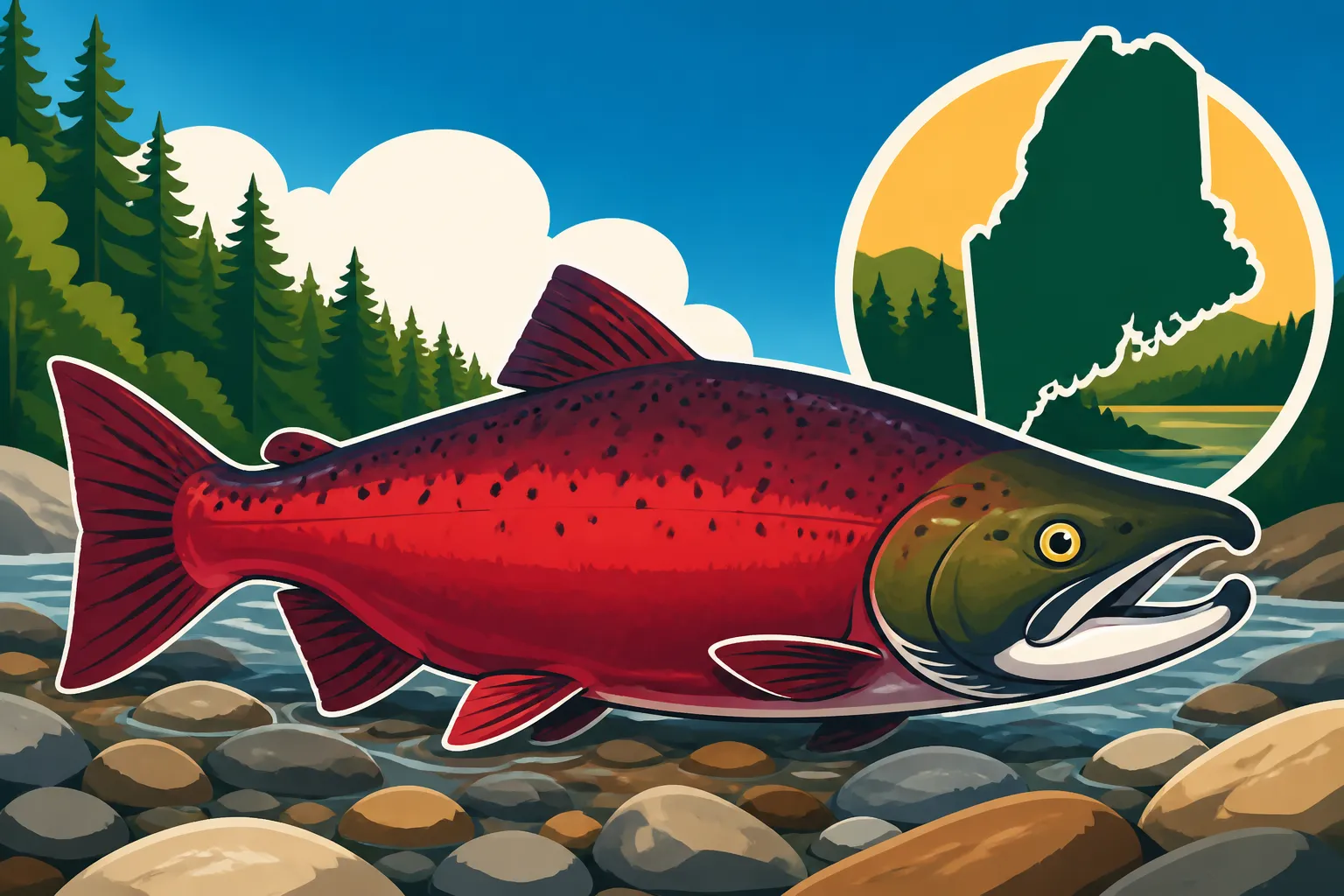
Male landlocked salmon during spawning season are arguably the most visually stunning. Their typically silvery flanks begin to darken, often developing a rich, coppery-red, orange, or even dark bronze coloration on their sides. This vibrant base is often adorned with prominent, darker spots, and sometimes a purplish or olive hue along their backs. Their bellies, which were once white or pale, can take on a dusky, yellowish, or even reddish tint.
But it's not just their bodies that change. Their heads and jaws also undergo significant alteration. The snout and lower jaw of a male will develop what's known as a "kype" – a distinct, cartilaginous hook that becomes more pronounced as spawning approaches. This kype, along with a darkening or reddish tint around the mouth and gills, makes them look quite formidable. Their fins, too, often darken, sometimes with a reddish or orange tint to their edges. This entire display is a vivid advertisement of their virility and readiness to mate, a truly spectacular natural phenomenon in the lakes and rivers of Maine. When you spot a fish with this distinct appearance, there’s no doubt about its intentions.
The Female's More Subtle, Yet Significant, Change
While the male's transformation is dramatic, the female landlocked salmon also undergoes significant, though often more subtle, color changes. They typically become less brilliant than the males, but their silvery sheen dulls considerably, giving way to a darker, more muted, bronze or brownish-grey appearance. Their sides might show hints of dusky orange or reddish-brown, especially around the lateral line and belly.
The spotting patterns they possess year-round often become more pronounced against their darker base. Their bellies, while not usually as vividly colored as the males, will lose their bright white and become creamier, yellowish, or slightly reddish. Critically, their body shape changes dramatically as well; they become noticeably plumper and distended with roe, carrying the precious cargo of future generations. Though not as flashy as the males, a female in spawning colors is equally beautiful and unmistakably ready for her role in the cycle of life. It’s a powerful visual cue that tells a story of fertility and preparation.
Why Understanding Spawning Colors Matters for Anglers
For those of us who love to fish in Maine, recognizing the spawning colors of landlocked salmon isn't just a matter of curiosity; it carries significant implications for our fishing practices, our understanding of the fish, and our commitment to conservation. It’s about being a responsible and knowledgeable angler.
Fishing During the Spawning Run
When landlocked salmon are in their spawning colors, it usually means they are actively migrating up rivers and streams from the larger lakes, or staging in shallower areas of the lakes themselves. This behavior can make them more concentrated in certain areas, potentially increasing catch rates. However, it also means they are focused on reproduction, not necessarily feeding. While they might still strike a lure or fly out of aggression or instinct, they are often less interested in a full meal. Many anglers consider it ethically questionable to target actively spawning fish, as it can disrupt their crucial reproductive efforts. Catching and releasing a fish that is expending massive amounts of energy to spawn can add undue stress.
You might find them congregating near the mouths of tributaries or in gravelly areas in preparation for nest building. Using appropriate tactics, like fly fishing with streamers or light tackle with small, flashy spoons that mimic baitfish, can be effective if you choose to target them, but always with the utmost respect for their life cycle. If you plan to fish during this time, consider carefully how your actions might impact the future generations of salmon. You’ll want to be familiar with the Maine Fishing Season Dates Guide and any specific regulations for spawning areas.
Conservation and Ethical Angling Practices
Understanding spawning colors is paramount for conservation. Many waters in Maine have special regulations during the spawning season for anadromous (sea-run) and landlocked salmon, which might include specific catch-and-release only periods, tackle restrictions, or even complete closures of certain stretches of river. These regulations are designed to protect the breeding stock and ensure future fish populations. Seeing a salmon in full spawning coloration should immediately trigger a heightened sense of caution and responsibility.
It's a good practice to minimize handling of these fish if you do catch them. Keep them in the water as much as possible, use a knotless net, and release them quickly and gently. Many passionate anglers advocate avoiding targeting these fish altogether during their most vulnerable period. Checking the Maine Fishing Regulations Explained before you head out is always a wise move, as rules can vary significantly from one body of water to another, especially in areas known for salmon spawning. Your ethical choices during this critical time directly impact the health of Maine's landlocked salmon populations.
Spawning Season Color Changes: A Comparative Look
While the landlocked salmon's spawning colors are distinct and beautiful, it's interesting to compare them briefly with other salmonid species found in Maine. This can help prevent misidentification and deepen your understanding of these fascinating fish families.
Landlocked Salmon vs. Brook Trout
Maine's official state fish, the brook trout, also undergoes a stunning color transformation during its fall spawning season, but it's quite different from the landlocked salmon. Brook trout, especially males, become incredibly vibrant, displaying brilliant orange-red bellies often bordered by a black line, vivid red spots surrounded by blue halos on their flanks, and vermiculation (worm-like patterns) on their backs that can be olive, green, or even black. Their pectoral, pelvic, and anal fins develop bright white leading edges, often followed by a black stripe, and then a reddish or orange hue.
Landlocked salmon, by contrast, tend towards more coppery, bronze, or reddish-brown tones, lacking the intense orange belly and the distinctive blue-haloed spots and vermiculation of a brook trout. While both are beautiful, their spawning attire serves as a clear differentiator for anglers who know what to look for. For more on brook trout, check out Brook Trout Fishing in Maine.
Landlocked Salmon vs. Atlantic Salmon (Anadromous)
Comparing landlocked salmon to their anadromous cousins, the Atlantic salmon, during spawning is also insightful. Since both are Salmo salar, their spawning colors are remarkably similar, which isn't surprising. Anadromous Atlantic salmon returning to rivers from the ocean also develop dark, coppery, or bronze bodies, often with reddish-brown or reddish-orange flanks, and a similar darkening of the head and fins. Male Atlantic salmon also develop a prominent kype.
The key difference, from an identification standpoint, isn't so much the color but the context – where they are found. Anadromous Atlantic salmon are strictly found in specific rivers connected to the ocean during their spawning runs, under very strict conservation rules, whereas landlocked salmon complete their entire life cycle in freshwater lakes and their tributaries. Given the critical conservation status of wild Atlantic salmon, proper identification is absolutely crucial. You’ll rarely, if ever, encounter an anadromous Atlantic salmon outside of specific, heavily managed rivers, and their presence in most Maine waters is protected. If you're unsure, it's always best to assume conservation first. Landlocked Salmon vs Atlantic Salmon Differences can provide more detail on these subtle distinctions.
Importance of Accurate Identification
Accurate identification of fish species, especially when they are in their spawning colors, is not just about bragging rights; it's a critical aspect of responsible angling and conservation. Misidentifying a fish could lead to unintentional violations of bag limits, size restrictions, or even fishing for a protected species. For instance, knowing the difference between a brook trout and a spawning salmon is essential because their regulations are often quite different.
For those interested in delving deeper into fish identification, there are many excellent resources. You can find comprehensive field guides available online, even on platforms like Amazon, that specifically detail the characteristics of Maine's various fish species, often with color plates depicting their seasonal variations. These tools, along with local fishing regulation booklets (which you can often pick up from local tackle shops or the Maine Department of Inland Fisheries & Wildlife), are indispensable for any serious angler. A quick search on Amazon for "Maine fish identification guide" will bring up several options to keep handy in your tackle box or boat. Taking the time to learn these distinctions empowers you to fish legally and ethically, ensuring the future of Maine's incredible fisheries.
| Feature | Male Landlocked Salmon (Spawning) | Female Landlocked Salmon (Spawning) |
|---|---|---|
| Body Coloration | Rich coppery-red, orange, dark bronze on sides; purplish/olive back | Dull silver, bronze, brownish-grey; hints of dusky orange/red-brown on flanks |
| Belly Color | Dusky yellow, reddish, or orange | Creamy, yellowish, or slightly reddish |
| Spotting | Prominent, darker spots on sides | Often more pronounced against darker base |
| Head/Jaw | Darkened, pronounced kype (hooked jaw) develops, reddish around mouth/gills | Darkened, often no kype or very slight |
| Body Shape | Streamlined, powerful | Plumper, distended with roe |
| Fins | Often darker, sometimes reddish/orange edges | Often darken, less vibrant than male |
| Primary Function | Attract mates, intimidate rivals | Indicate readiness for egg deposition |
Disclaimer
This article is for general informational purposes only and does not constitute professional advice. Laws, prices and regulations vary by location and change over time. Consult a qualified professional for guidance on your specific situation.