Best Species to Target for a First-Time Maine Angler
Stepping into the world of Maine fishing for the very first time can feel a bit like staring at a vast, beautiful menu with no idea what to order. With so many lakes, rivers, and coastal waters, and an incredible diversity of fish, it's easy to feel overwhelmed wondering where to even begin. This guide is here to cut through that confusion, helping you identify the best, most rewarding, and often most accessible fish species to target on your inaugural angling adventure in the Pine Tree State.
Getting Started: What Makes a Species Beginner-Friendly?
When you're dipping your toes into fishing, the last thing you want is a frustrating experience. A truly beginner-friendly species isn't necessarily the biggest or the flashiest, but rather one that offers a good chance of success, doesn't require hyper-specialized gear or techniques, and is generally abundant enough to find without too much trouble. It’s all about building confidence, enjoying the process, and feeling that satisfying tug on the line.
High Probability of Success
Imagine spending hours casting without a single bite – that's enough to deter anyone. Beginner-friendly species tend to be more aggressive biters, less finicky about bait, and often found in more predictable locations. This means you're more likely to feel that exhilarating pull and actually land a fish, which is crucial for staying motivated and learning the ropes. It’s like learning to ride a bike with training wheels; you're setting yourself up for success before tackling the advanced maneuvers.
Think about species that are plentiful and actively feeding. Many of Maine's panfish, for example, are abundant and quick to strike. They might not be trophy-sized, but the frequent action keeps things exciting. For a first-timer, a handful of smaller fish is far more encouraging than a single, elusive monster.
Simple Gear and Techniques
You shouldn't need a boatload of expensive, specialized equipment or years of experience to catch your first fish. The best species for beginners can usually be caught with a basic spinning rod and reel, some common bait, and straightforward techniques. This means less upfront investment and a quicker path to getting out on the water.
Forget about complex fly casting or deep-water trolling for now. We're talking about species that respond well to simple worm-on-a-hook setups, basic spinners, or bobber fishing. You can often pick up a decent starter rod and reel combo on Amazon without breaking the bank. The focus here is on the fundamentals of casting, setting the hook, and reeling in, rather than mastering intricate presentations. Having the right, simple tools is key to enjoying your time without added frustration.
Wide Availability and Accessibility
Another crucial factor is how easy it is to find these fish. Species that are widespread in public waters – from small ponds and streams to larger lakes and accessible coastal areas – are ideal. You shouldn't have to hike miles into the wilderness or own a high-powered boat to reach them.
Maine is blessed with incredible public access to both freshwater and saltwater. Many beginner-friendly species thrive in waters reachable from shore, public boat launches, or even easily paddled kayaks. Knowing that you can simply drive to a local pond or pier and have a good shot at catching something is incredibly reassuring for someone just starting out. Always remember to check the Maine Fishing Regulations Explained for specific rules in any given body of water, but generally, the more common fish are available in many spots.
Freshwater Favorites for First-Timers
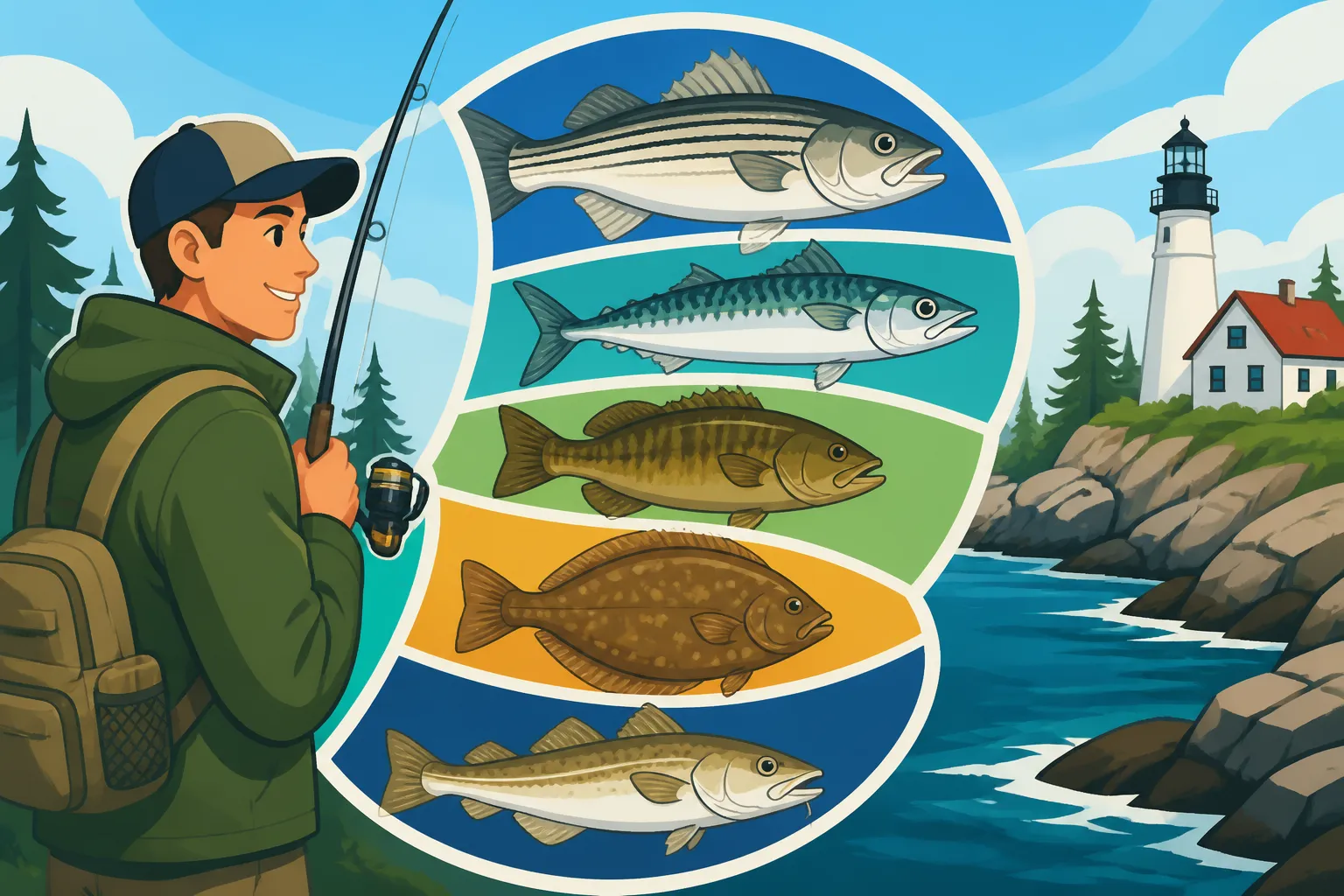
Maine's freshwater systems are teeming with life, offering some fantastic opportunities for new anglers. Two species stand out for their accessibility and willingness to bite: brook trout and smallmouth bass.
Brook Trout: Maine's Native Beauty
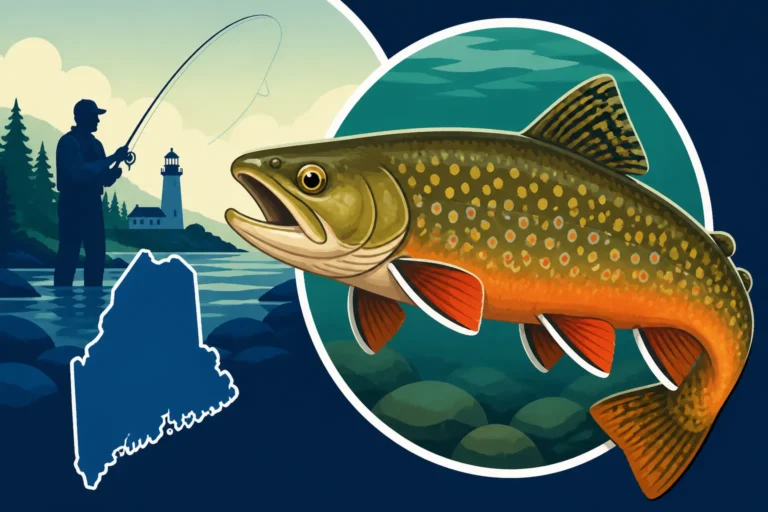
The brook trout, Maine's state fish, is an absolute gem for beginners. They're beautiful, feisty, and often found in smaller, more intimate settings like brooks, streams, and ponds, making them perfect for a quieter first outing. You don't always need a big boat or complex gear to find them.
Brook trout are quite receptive to a variety of baits and lures, which is a huge plus for those still figuring out their preferences. A simple worm under a bobber can be incredibly effective, as can small spinners or spoons retrieved slowly. You can often find decent starter packs of these lures on Amazon. They're not usually massive fish, but their spirited fight on light tackle is incredibly satisfying. Just be mindful of local regulations, as some waters might be catch-and-release only or have specific Brook Trout Daily Bag Limits. Learning about Brook Trout Fishing in Maine is a great next step.
These fish often inhabit cooler, oxygen-rich waters. Look for them in shaded areas, near submerged logs, or at the edges of current seams in streams. In ponds, they might hang out near inlets or springs, especially during warmer months when they seek out colder pockets of water. For a first-timer, finding a quiet stream or small pond where you can easily cast from shore or wade a bit offers a fantastic, immersive experience without the pressures of larger, more crowded waters.
Smallmouth Bass: The Aggressive Fighter
If you're looking for a fish that hits hard and puts up a thrilling fight, the smallmouth bass is an excellent choice for a first-time angler. These bronze beauties are widespread in many of Maine's lakes and rivers, particularly in the southern and central parts of the state. They're known for their aggressive strikes and aerial acrobatics, making them incredibly exciting to catch.
Smallmouth bass are less picky than some other species. They'll readily strike at artificial lures like spinnerbaits, crankbaits, or soft plastic worms, but also natural bait like shiners or nightcrawlers. This versatility means you can experiment with different presentations and discover what works best for you. For a beginner, simply casting a soft plastic lure near rocky shorelines or submerged structure can often yield results. It’s a great way to practice different retrieval speeds and feel for a bite. You'll find many basic tackle kits designed for bass fishing on Amazon, often including a variety of lures to get you started. Dive deeper into Smallmouth Bass Fishing in Maine to learn more.
These fish love rocky bottoms, gravelly points, and areas with submerged timber. In rivers, they'll often be found in eddies or behind larger rocks where they can ambush prey. Many of Maine's best fishing lakes, like Sebago Lake or the Belgrade Lakes, offer fantastic smallmouth action and ample public access. The key is to look for structure and cover, and then present your bait or lure in a way that mimics their natural prey. Their willingness to strike often makes for a memorable first fishing experience, regardless of the size of the fish.
Here’s a quick comparison of these freshwater champions for beginners:
| Feature | Brook Trout | Smallmouth Bass |
|---|---|---|
| Typical Habitat | Cold, clear streams, small ponds | Lakes, rivers with rocky bottoms, gravel, structure |
| Biting Tendency | Generally eager, especially with natural bait | Aggressive, hard-hitting, strong fighters |
| Gear Required | Light spinning tackle, worms, small spinners | Light to medium spinning tackle, various lures |
| Accessibility | Found in numerous small, accessible waters | Widespread in many larger lakes and rivers |
| Fight | Feisty, quick runs on light tackle | Powerful, acrobatic, strong tug |
| Best For | Quiet, scenic outings, delicate presentations | Exciting action, learning lure techniques |
Coastal Charms: Saltwater Options for New Anglers
Maine's coast offers a different kind of fishing adventure, but one that can be just as rewarding for beginners. While the ocean might seem intimidating, there are several species that are quite accessible from shore or easily chartered boats.
Mackerel: Abundant and Fast Action
If you're looking for consistent action and a high chance of success, especially during the summer months, Atlantic mackerel are your go-to saltwater species. These schooling fish flood Maine's coastal waters and estuaries, often feeding aggressively near the surface. They're incredibly fun to catch, fight hard for their size, and make excellent table fare.
Mackerel are famously easy to catch. The most common and effective technique involves using a Sabiki rig – a string of small, flashy flies designed to imitate tiny baitfish. You simply cast it out, let it sink a bit, and reel it in with a jigging motion. It's not uncommon to catch multiple mackerel on one cast! This provides constant action, which is perfect for keeping a beginner engaged and excited. You can find these rigs and appropriate weights at any local tackle shop or, of course, on Amazon. They don't require fancy casting or specific lures beyond the rig itself.
Look for mackerel around public piers, docks, jetties, and rocky shorelines, especially where baitfish are present. They'll often be found near deeper channels or current breaks. You might even spot schools of them dimpling the surface. The Maine Saltwater Fishing Registry Guide is important to consult, but typically mackerel fishing does not require a specific license beyond the free registry. This ease of access and high catch rate makes mackerel an ideal introduction to saltwater fishing.
Striped Bass: The Thrill of the Chase
For a taste of truly exciting saltwater angling, the striped bass is an iconic Maine species. While they can be a bit more challenging than mackerel, their size and powerful fights make them incredibly rewarding catches, even for beginners with a bit of guidance.
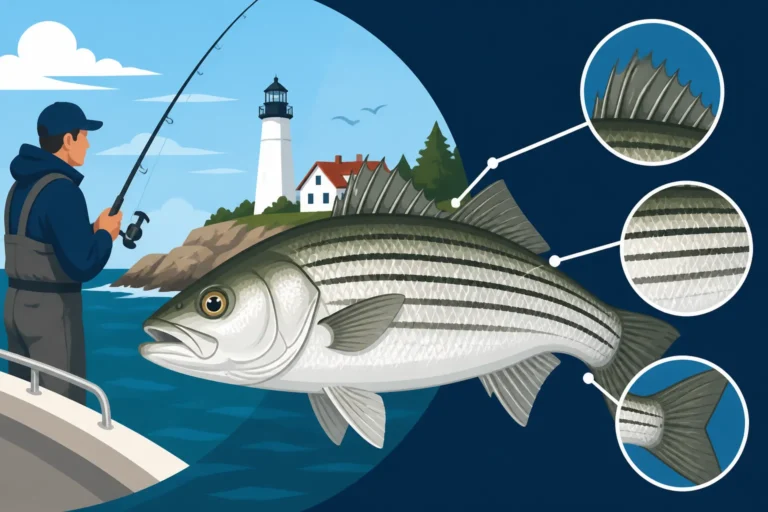
Striped bass are predatory fish that patrol coastal areas, estuaries, and even the lower reaches of some rivers in search of baitfish. They can be caught from shore, especially at dawn or dusk, or from a boat. For a beginner, throwing a topwater plug or a soft plastic paddletail lure near rocky points, jetties, or marsh edges can be very effective. These lures create commotion on the surface, mimicking injured baitfish, and often provoke aggressive strikes. You might want to explore Maine Striped Bass Fishing Techniques for more specific tips.
While a dedicated striper outfit can be a bit heavier than a trout setup, a medium-heavy spinning rod and reel spooled with braided line is a versatile choice. Many first-timers find success by joining a local Maine Striped Bass Charters or fishing with an experienced friend who knows the local haunts. Remember, there are specific Maine Striped Bass Season and Limits which must be followed, including a slot limit to protect the population. Catching your first striped bass is often a pivotal moment for new anglers, solidifying a lifelong passion for fishing.
Essential Tips for Your First Maine Fishing Adventure
Beyond choosing your target species, a successful first fishing trip hinges on a few crucial preparations. Don't let these details deter you; they're all part of the adventure!
Understanding Licenses and Regulations
This is probably the most important step before you even wet a line. In Maine, almost everyone needs a fishing license, whether you're a resident or a visitor, and whether you're fishing freshwater or saltwater (though saltwater requires a free registry, not a paid license). There are exceptions, like during Maine Free Fishing Days or for very young children.
It's vital to check the current Maine Fishing License Guide and the comprehensive Maine Fishing Regulations Explained before you go. These guides detail everything from season dates for different species and bodies of water to bag limits and legal methods. Ignorance of the law is never an excuse, and wardens are serious about protecting Maine's natural resources. You can often purchase licenses online through the Maine Department of Inland Fisheries and Wildlife website, or at many sporting goods stores and general stores throughout the state. Don't risk a fine on your first outing!
Basic Gear and Safety Checks
You don't need a boatload of expensive equipment, but having the right basics makes a world of difference. For most beginner-friendly species, a medium-light spinning rod and reel combo, spooled with 6-10 lb test line, will serve you well. Add a small tackle box with an assortment of hooks, sinkers, bobbers, and a few basic lures or jigs. For freshwater, a container of worms is always a good bet. For saltwater, a Sabiki rig and some weights are key.
Safety is paramount. Always tell someone where you're going and when you expect to return, especially if you're exploring new territory. Wear appropriate clothing for the weather, bring plenty of water, sunscreen, and bug repellent. If you're near water, especially if boating or wading, a life jacket is a smart idea. A basic first-aid kit is also a good addition to your pack. For more specific advice, check out What to Bring on a Maine Fishing Charter, even if you're not going with a guide, as many of the recommended items apply to any fishing trip.
Practice Catch and Release
Even if you plan to keep some fish for dinner (and many of Maine's species are delicious!), practicing responsible catch and release is a crucial skill for any angler. This ensures healthy fish populations for future generations and minimizes stress on the fish you choose not to keep.
Learn how to properly handle a fish: wet your hands before touching it, support its body horizontally, and avoid squeezing it, especially around the gills. Use de-barbed hooks when possible to make removal easier. If a fish is deeply hooked, it's often best to cut the line as close to the hook as possible rather than tearing at its internal organs. For delicate species like brook trout, getting them back in the water quickly is key. The guide on Catch and Release Best Practices in Maine offers excellent advice to ensure your fish have the best chance of survival. Being a responsible angler is just as important as being a successful one.
By focusing on these accessible species and keeping these fundamental tips in mind, your first fishing trip in Maine is sure to be a rewarding and enjoyable experience, setting the stage for many more angling adventures to come!
Disclaimer
This article is for general informational purposes only and does not constitute professional advice. Laws, prices and regulations vary by location and change over time. Consult a qualified professional for guidance on your specific situation.