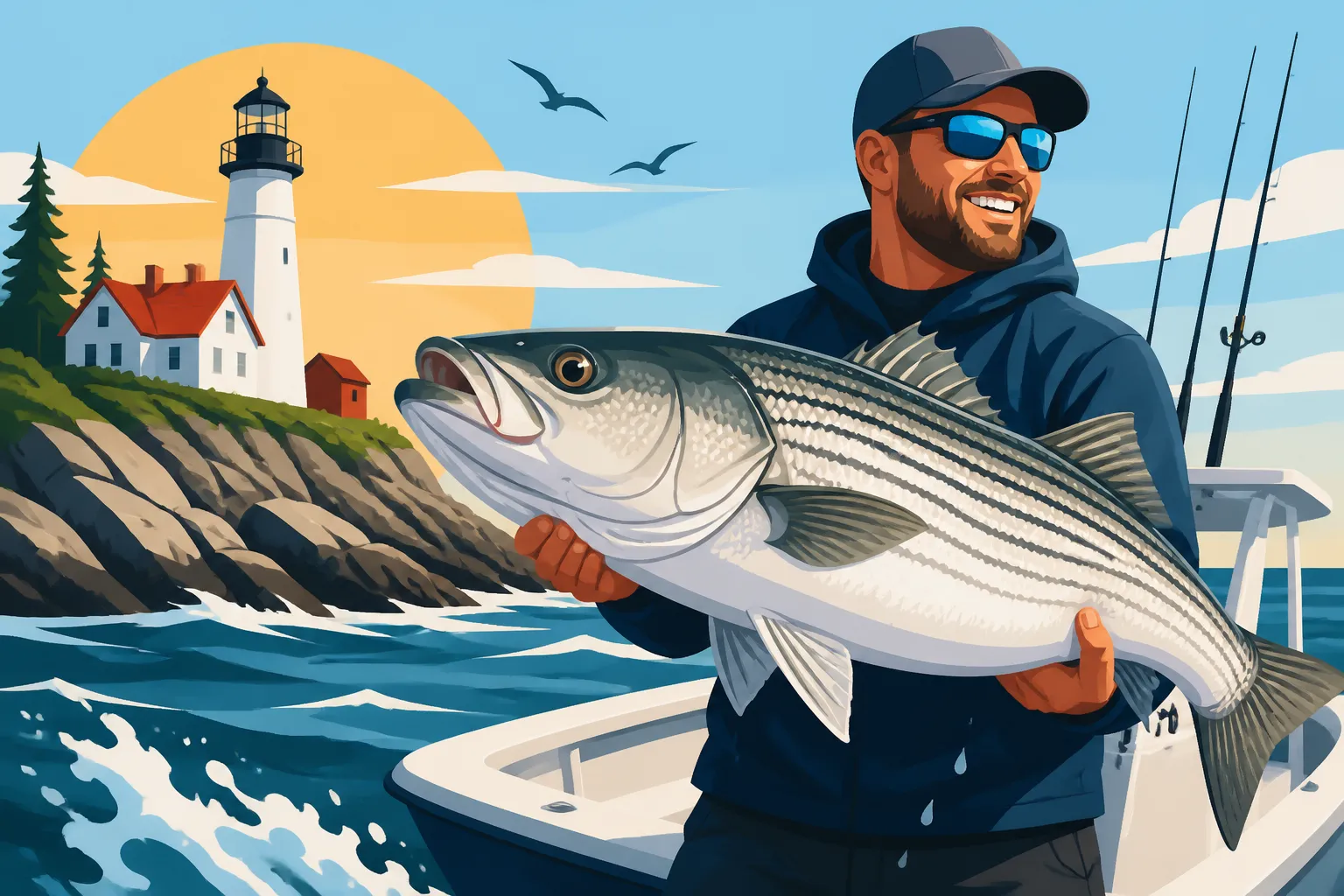
Maine Striped Bass Charters
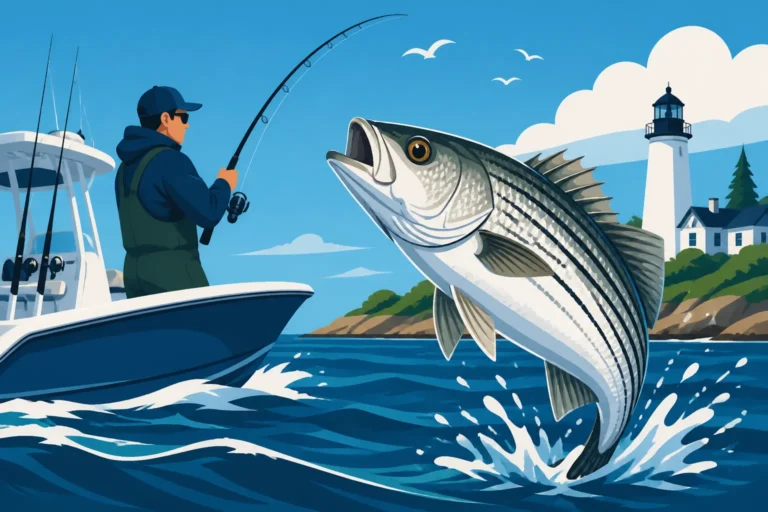
There’s nothing quite like the thrill of a striped bass hitting your line, especially here in the rugged and beautiful waters of Maine. If you've ever dreamed of battling these powerful fish but felt overwhelmed by the logistics of finding the right spot, the right gear, or even just understanding the local nuances, you're not alone. This comprehensive guide is designed to cut through the confusion and show you how a Maine striped bass charter can unlock an incredible angling adventure, making your dream of catching a trophy striper a vibrant reality.
Why Striped Bass Charters in Maine?
For many anglers, the idea of chasing striped bass in Maine conjures images of rocky coastlines, strong tides, and exhilarating fights. While the rewards are immense, the challenges can be equally daunting. This is where a dedicated striped bass charter truly shines, transforming potential frustration into pure fishing enjoyment.
The Allure of Maine Stripers
Maine’s coastline, with its countless coves, estuaries, and offshore islands, provides a diverse and rich habitat for striped bass. These fish, often called "stripers," are revered for their strength, aggressive strikes, and impressive size. Catching a striper here isn't just about the fish; it's about the experience of being out on the cool, clear waters, surrounded by stunning scenery, perhaps even spotting seals, osprey, or eagles while you wait for that tell-tale tug. From the smaller "schoolie" stripers that offer non-stop action to the massive cows that test your every sinew, the variety and challenge make them a prime target for any serious angler. The seasonal migration brings these fish into our waters, providing a fantastic window of opportunity each year.
Challenges of DIY Striped Bass Fishing
Trying to tackle Maine's striped bass fishery on your own can be a steep learning curve. First, there's the sheer vastness of the coastline. Where do you even start? Tides play a crucial role, dictating when and where fish will be feeding, and understanding their patterns can take years. Then there's the gear: specialized rods and reels capable of handling strong fighting fish, the right lures or bait that imitate local forage, and the knowledge of how to present them effectively. Access to prime spots can also be tricky; many of the best locations are only reachable by boat, and navigating unfamiliar waters, especially with strong currents or hidden rocks, can be hazardous without local expertise. Throw in the specific Maine Striped Bass Season and Limits you need to abide by, and it's easy to see why many anglers feel a bit lost.
How Charters Level the Playing Field
This is where a professional Maine striped bass charter becomes your ultimate advantage. A charter captain lives and breathes these waters. They have years, if not decades, of experience reading the tides, understanding fish behavior, and knowing exactly where the stripers are holding on any given day. They bring with them a boat specifically designed for saltwater fishing, equipped with all the necessary safety gear, electronics, and, most importantly, top-of-the-line rods, reels, and tackle perfectly suited for striped bass. You don't have to worry about buying expensive gear, researching spots, or navigating complex regulations. You simply show up, step aboard, and let the experts put you on the fish. It's a fantastic way to maximize your fishing time and significantly increase your chances of a successful and memorable trip.
What to Expect on a Maine Striped Bass Charter
Stepping aboard a charter boat for the first time can feel a little different from fishing from shore or your own small craft. Knowing what's generally included and what the day might look like can help set realistic expectations and ensure you have a fantastic time.
The Boat and Equipment
Maine striped bass charters typically operate on purpose-built fishing vessels, ranging from sturdy center consoles perfect for navigating coastal waters to larger sportfishing boats. These boats are equipped with powerful engines to get you to the fishing grounds quickly and safely, as well as state-of-the-art navigation and fish-finding electronics. You'll usually find plenty of rod holders, livewells for bait, and ample deck space for casting and fighting fish. The captain will provide all the necessary fishing gear – high-quality rods and reels spooled with appropriate line, a variety of lures, and sometimes live bait. This means you don't need to haul your own heavy tackle or worry if your setup is adequate for the fight a Maine striper can put up. Think of it as a floating tackle shop and navigation center, all at your disposal.
A Typical Day on the Water
Your charter adventure usually starts bright and early at a designated dock, often in picturesque towns like Portland, Kennebunkport, or Boothbay Harbor. After a brief safety talk and introductions, you'll head out. The captain will likely have a few prime spots in mind based on recent reports, tides, and weather conditions. Depending on the technique – whether you're trolling, casting artificials, or drifting with live bait – you might move around frequently or settle into a productive area. The beauty of a charter is that the captain is constantly assessing conditions and adjusting strategies to keep you on the fish. They'll also handle the boat, leaving you free to focus solely on fishing. A typical trip might involve a mix of fast-paced casting near rocky ledges and more patient drifts in deeper channels.
What's Included and What to Bring
Most Maine striped bass charters will include all the fishing equipment (rods, reels, tackle, bait), fuel, and the invaluable expertise of your captain. Sometimes, water or light snacks might be provided, but it's always wise to confirm this beforehand. Crucially, while the charter boat itself has the necessary permits, you will still need to have your own valid Maine fishing license or be registered. For saltwater fishing, this means either a Maine freshwater fishing license or a Maine Saltwater Fishing Registry Guide entry. It's a quick and easy process, usually done online, but essential to avoid any issues.
As for what to bring, think comfort and preparation:
- Layers of Clothing: Maine weather can change quickly, even in summer. Bring extra layers, including a waterproof jacket, even if the forecast looks clear.
- Sun Protection: Hat, sunglasses, and sunscreen are absolute musts. The sun's reflection off the water can be intense.
- Food and Drink: Pack any snacks, sandwiches, or beverages you'll want throughout the trip.
- Cooler: While many boats have a cooler for drinks, bringing your own for any fish you keep (check bag limits!) is a good idea.
- Camera: You'll want to capture those moments and big catches!
- Sea-sickness Medication: If you're prone to motion sickness, take preventative measures well before the trip starts.
By taking care of these personal items, you'll be ready to fully immerse yourself in the fishing experience.
Choosing the Right Maine Striped Bass Charter
With a coastline as vast and varied as Maine's, selecting the perfect striped bass charter can feel a bit like finding a needle in a haystack. But by focusing on a few key factors, you can ensure your trip is a resounding success.
Captain's Experience and Local Knowledge
This is, arguably, the most critical factor. A good charter captain isn't just someone who owns a boat; they are a seasoned angler, an expert navigator, and a passionate teacher rolled into one. Look for captains who specialize in striped bass fishing, as their entire operation will be geared towards targeting these specific fish. Their local knowledge is irreplaceable. They know the seasonal patterns, the feeding habits of stripers in specific areas like the mouth of the Kennebec River or the rocky shores of Casco Bay, and how to adapt to changing weather and tide conditions. Don't be shy about asking about their experience or even how long they've been guiding in Maine. A captain with deep roots in the local fishing community often has the best insights. Platforms like FishingBooker can be helpful here, as they often list captain bios and their areas of expertise, allowing you to compare options effectively.
Boat Size and Capacity
The size and type of boat should align with your group's needs and comfort preferences. If you're heading out with a small group of two or three, a smaller, quicker center console might be ideal for accessing shallower backwaters where stripers often feed. For larger groups, or if you prefer more space and stability, a larger sportfishing vessel might be more suitable, especially if you plan to venture further offshore. Consider the number of anglers in your party and discuss this with the charter operator. Most charters have a maximum capacity, usually around 4-6 anglers, to ensure everyone has enough room to fish comfortably and safely. Don't forget to inquire about amenities like a restroom, which can be a significant factor on longer trips.
Reading Reviews and Reputation
In today's interconnected world, one of the best ways to gauge a charter's quality is through past client reviews. Websites like FishingBooker, Google, and social media platforms are treasure troves of feedback. Look for consistent positive comments regarding the captain's professionalism, their ability to find fish, the quality of the gear, and the overall enjoyment of the trip. Pay attention to reviews that mention safety, communication, and how the captain interacted with anglers of varying experience levels. A charter with a strong, positive reputation is often a good indicator of a reliable and enjoyable experience. Conversely, a pattern of negative feedback, especially concerning safety or professionalism, should be a red flag. How to Find a Reputable Maine Fishing Guide often comes down to this kind of due diligence.
Prime Locations for Maine Striped Bass Charters
Maine's extensive coastline offers a plethora of hotspots for striped bass, each with its own unique character and fishing opportunities. Knowing where charters typically operate can help you narrow down your search and focus on the areas most renowned for striper action.
Casco Bay and Portland Area
Casco Bay, with its myriad islands, inlets, and rocky shorelines, is an absolute gem for striped bass fishing. The waters around Portland, South Portland, and Freeport are particularly productive. Charters departing from these ports have immediate access to a complex network of channels and flats where stripers ambush baitfish. The bay's varied structure means anglers can target stripers using a range of techniques, from casting soft plastics and flies near ledges to trolling plugs along drop-offs. The convenience of being close to Maine's largest city also means easy access to accommodations, dining, and other attractions, making it a popular choice for visitors. You'll find many reputable charter captains here who specialize in Casco Bay Striped Bass Fishing in Maine.
Kennebec River Estuary
Further north, the Kennebec River estuary is legendary for its strong striped bass runs. From Bath down to Popham Beach, this tidal river system offers some of the most consistent and exciting striper fishing in the state. The powerful currents and abundant forage, including river herring and mackerel, draw in large numbers of stripers, especially during their migratory push. Charters operating out of towns like Phippsburg, Bath, or Popham often focus on drifting live bait or casting heavy jigs in the river's main channel and its many tributaries. The scenery here is dramatic, with historic lighthouses, rugged islands, and impressive geological formations. When considering Maine Striped Bass Fishing Techniques, fishing the strong currents of the Kennebec is a unique challenge that many charters excel at.
Southern Maine Coastline
The southern coast of Maine, stretching from Kittery up through York, Ogunquit, Wells, and Kennebunkport, also boasts fantastic striped bass fishing. This region features long sandy beaches, rocky points, and numerous tidal rivers and salt ponds that provide ideal striper habitat. Charters here often target stripers along the beach fronts during specific tides, near river mouths, or around offshore ledges and reefs. Towns like Kennebunkport are particularly well-known for their charming atmosphere and excellent access to prime fishing grounds. The fishing can be exceptionally good in the spring and fall as stripers migrate along the coastline. If you're looking for Maine Coastal Fishing Spots for Striped Bass, this stretch of coast offers both accessibility and diverse opportunities.
Best Seasons and Times for Striped Bass Charters
Timing is everything when it comes to striped bass fishing in Maine. While these powerful fish are present throughout the warmer months, their behavior and locations change with the seasons, influencing the best time to book your charter.
The Spring Run: Early Season Excitement
The earliest striped bass usually arrive in Maine waters in late May or early June, following the baitfish migration up the coast. This "spring run" is eagerly anticipated by anglers, as hungry stripers move into estuaries and coastal waters, eager to feed after their long journey. Early season fishing can be characterized by active, often aggressive, fish willing to strike a variety of lures and baits. The water temperatures are cooler, and the stripers are often found in shallower areas as they seek out warmer pockets and easy meals. Booking a charter in June can offer fantastic opportunities for consistent action, often with more schoolie-sized fish, but larger individuals are certainly present. It's a great time for light tackle action and to kick off the fishing season.
Summer Peak: Consistent Action
As summer progresses through July and August, Maine's waters warm up, and the striped bass settle into their summer patterns. This is often considered the peak season for charters, offering reliable fishing and comfortable weather conditions. Stripers can be found in a wider range of habitats, from the cooler depths around offshore islands to the warmer backwaters of estuaries during tidal pushes. Charters might focus on early morning or late evening trips, as stripers tend to be most active during these cooler periods. During the day, they might move to deeper water or seek out structure. This is a prime time to target both good numbers of fish and the chance at a larger trophy striper. Family trips are also popular during the summer, as the calmer seas and warmer weather make for a more comfortable experience for all ages. If you're wondering about the Best Time of Year to Book a Striper Charter in Maine, the summer months are hard to beat for consistency.
Fall Migration: Trophy Opportunities
As the days shorten and water temperatures begin to drop in September and early October, striped bass start their southern migration, often feeding heavily to build up reserves for the journey. This "fall run" can offer some of the most spectacular fishing of the year, especially for anglers targeting larger, trophy-sized stripers. The fish are often schooled up and aggressively feeding on abundant baitfish, creating incredible opportunities for topwater blow-ups and fierce battles. While the weather can be a bit more unpredictable, the rewards are often worth the extra layers. The vibrant fall foliage along the coast also adds another layer of beauty to the experience. Charter availability can become tighter during this period, so booking in advance is highly recommended if you're aiming for that late-season giant.
Striped Bass Regulations and Catch Limits in Maine
Understanding and adhering to fishing regulations is not just about avoiding fines; it's about being a responsible angler and contributing to the conservation of this incredible fishery. Maine, like other coastal states, has specific rules in place for striped bass.
Understanding the Slot Limit
One of the most important regulations for striped bass in Maine is the slot limit. This means that you can only keep fish within a specific size range, defined by a minimum and maximum length. For example, if the slot limit is 28 to 31 inches, you can only keep fish that measure between those two lengths. Fish smaller than the minimum or larger than the maximum must be released immediately. The purpose of a slot limit is to protect both the very young, immature fish and the largest, most productive breeding females, ensuring a healthy and sustainable population for future generations. Your charter captain will be intimately familiar with the current Striped Bass Size Slot in Maine Explained and will help you measure any fish you catch.
Daily Bag Limits and Season Dates
In addition to the slot limit, there's also a daily bag limit, which dictates how many fish of legal size you can keep per person, per day. This limit is typically one fish per angler. These regulations, along with specific season dates (which generally run from mid-May through October, but can vary), are set by the Maine Department of Inland Fisheries and Wildlife (MDIFW) in coordination with regional management bodies. Your charter captain will always operate within these guidelines, and it's part of their job to ensure their clients do as well. It's a good idea to quickly check the MDIFW website for the most up-to-date information just before your trip, as regulations can sometimes change. Maine Fishing Regulations Explained provides broader context for all species.
Catch and Release Best Practices
Given the slot limit and the importance of conservation, catch and release is a significant part of striped bass fishing, especially for fish outside the legal slot. When releasing fish, it's crucial to do so in a way that maximizes their survival. Your charter captain will demonstrate and enforce best practices, which generally include:
- Minimize Handling: Try to keep the fish in the water as much as possible.
- Wet Hands: Always wet your hands before touching a fish to protect its protective slime coat.
- Support the Fish: If you must lift a fish for a photo, support its body horizontally, especially larger fish, to avoid damaging internal organs. Avoid holding them vertically by the jaw.
- De-hook Quickly: Use pliers or a de-hooking tool to remove the hook as gently and quickly as possible. If the fish is deeply hooked, cutting the line as close to the hook as possible is often better than trying to wrench it out.
- Revive If Necessary: Hold the fish gently in the water, facing into the current, until it regains strength and can swim away on its own.
Practicing these methods ensures that the thrill of the catch doesn't come at the expense of the fish's well-being or the health of the fishery.
Cost and Booking Your Maine Striped Bass Charter
Investing in a charter is an investment in an experience, and understanding the financial aspects and booking process is key to a smooth trip. While specific prices fluctuate, we can discuss general expectations.
Typical Charter Costs and What Influences Them
The Maine Striper Charter Cost can vary quite a bit depending on several factors. Generally, you can expect rates that reflect the captain's expertise, the boat's size and amenities, and the duration of the trip.
- Duration: Half-day (4-5 hours) trips are typically less expensive than full-day (7-8 hours) trips. Longer trips offer more fishing time and often allow access to a wider range of spots.
- Boat Size/Capacity: Larger boats with more amenities might have a higher base rate. The cost is usually for the entire boat, not per person, up to a maximum number of passengers.
- Inclusions: Confirm what's included. Most charters cover gear, bait, and fuel, but some might offer extras like snacks or drinks.
- Seasonality: Peak season (mid-summer) might see slightly higher demand and rates compared to the shoulder seasons (early June or late September).
It's important to remember that you're paying for expertise, convenience, safety, and a much higher likelihood of success than going it alone.
Booking Process and Deposits
Once you've chosen a charter, the booking process is usually straightforward.
- Contact the Captain: Reach out directly via phone or email, or use an online booking platform like FishingBooker, to check availability for your desired dates.
- Discuss Details: Confirm the trip duration, target species (striped bass in this case), number of passengers, and what's included.
- Deposit: Most charters require a non-refundable deposit to secure your booking. This protects the captain against last-minute cancellations. Be sure to understand their cancellation policy, especially regarding weather.
- Confirm: Once the deposit is paid, you'll typically receive a confirmation with all the details for your trip, including meeting location, time, and what to bring.
It's always a good idea to book well in advance, especially for prime summer weekends, as the best captains fill up quickly.
Tipping Your Captain and Crew
Tipping is customary in the charter fishing industry and is a way to show appreciation for a hard-working captain and crew. While it's always discretionary, a general guideline for a good experience is 15-20% of the total charter cost.
Consider these factors when deciding on a tip:
- Effort: Did the captain work hard to find fish, change spots, and adjust tactics?
- Professionalism: Was the captain knowledgeable, friendly, and did they prioritize safety?
- Assistance: If there's a mate, did they help with baiting, casting, netting fish, and cleaning up?
- Overall Experience: Did you and your group have a fun and memorable day, regardless of the number of fish caught?
A tip is a direct acknowledgment of their service and dedication to providing you with the best possible fishing adventure.
Beyond the Fish: The Full Charter Experience
While catching striped bass is undoubtedly the main goal, a Maine fishing charter offers so much more than just the thrill of the fight. It's an immersive experience that connects you with the natural beauty and unique culture of coastal Maine.
Scenic Beauty and Wildlife Encounters
Maine's coastline is renowned for its rugged beauty, and being on the water provides a perspective you simply can't get from land. Imagine cruising past historic lighthouses, watching lobster boats haul their traps, or seeing quaint coastal villages from the sea. The backdrop of evergreen forests meeting rocky shores is breathtaking. Beyond the scenery, wildlife encounters are a common bonus. It's not unusual to spot seals basking on sun-warmed rocks, osprey circling overhead searching for their next meal, or even bald eagles soaring majestically. Occasionally, you might even catch a glimpse of porpoises or larger whales further offshore, adding an unforgettable dimension to your fishing trip.
Learning from Experienced Guides
One of the often-underestimated benefits of hiring a charter is the educational aspect. A good captain is a wealth of knowledge, not just about fishing, but about the local ecosystem, marine life, and even the history of the area. They can teach you about different fishing techniques, how to "read" the water, identify baitfish, and understand the nuances of tides and currents. Whether you're a seasoned angler looking to refine your skills or a complete beginner eager to learn the ropes, a charter provides an invaluable hands-on learning opportunity. Don't hesitate to ask questions; most captains love to share their passion and expertise. It's like having a private fishing tutor for the day. For those interested in deeper learning, considering how to pursue a Maine Registered Guide License Requirements yourself can offer a glimpse into the extensive knowledge these professionals possess.
Creating Lasting Memories
Ultimately, a Maine striped bass charter is about creating lasting memories. It's the shared laughter with friends or family as someone battles a particularly feisty striper. It's the quiet moments watching the sunrise over the Atlantic from the deck of a boat. It's the satisfaction of learning a new technique or finally landing that fish you've been dreaming about. These experiences are often more valuable than the fish you take home (if any!). Charters are fantastic for family outings, bachelor parties, corporate retreats, or just a personal adventure. The photographs, the stories, and the shared excitement will stay with you long after you've returned to shore, cementing your Maine striped bass charter as a truly unforgettable journey.
| Charter Type | Duration (Approx.) | Typical Focus | Best For | Price Indication |
|---|---|---|---|---|
| Half-Day Charter | 4-5 hours | More targeted fishing, specific tides | Beginners, families, tighter schedules | Lower end of the spectrum |
| Full-Day Charter | 7-8 hours | Multiple locations, diverse techniques | Experienced anglers, trophy hunting | Higher end of the spectrum |
Disclaimer
This article is for general informational purposes only and does not constitute professional advice. Laws, prices and regulations vary by location and change over time. Consult a qualified professional for guidance on your specific situation.