Stocked vs Wild Landlocked Salmon in Maine
If you've spent any time at all chasing the magnificent landlocked salmon in Maine's pristine lakes and rivers, you've probably paused at some point, holding a gleaming silver fish in your hands, and wondered: Is this beauty a product of a hatchery, or did it hatch right here, in a cold, clear stream? It's a question many of us ponder, trying to understand the fish we pursue and the intricate balance of Maine's fisheries. This guide will help you understand the fascinating differences and connections between stocked and wild landlocked salmon populations across our beloved state.
Understanding Landlocked Salmon in Maine
Maine is truly a jewel when it comes to landlocked salmon, boasting some of the most iconic fisheries in the entire country. These aren't your typical ocean-going Atlantic salmon; as their name suggests, landlocked salmon live their entire lives in freshwater. They are a prized catch, known for their powerful runs and acrobatic leaps, making them a favorite target for anglers from near and far. Their presence is a testament to the health of our waters and the dedicated management efforts to sustain them.
What Makes a Landlocked Salmon Special?
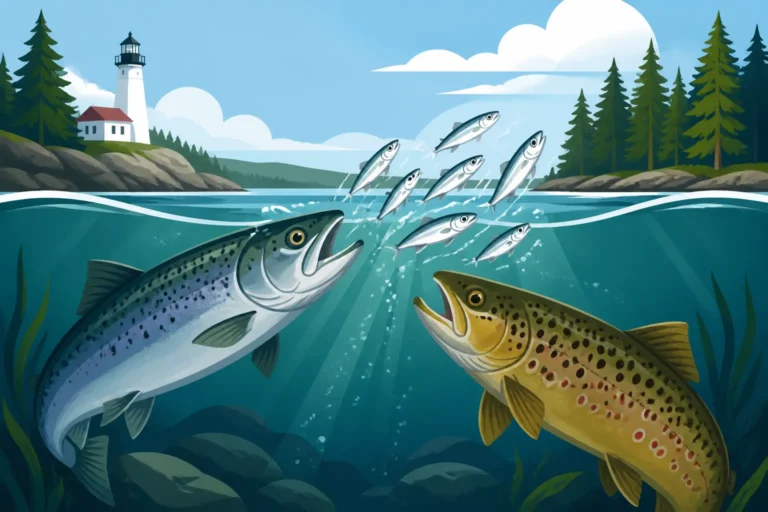
Imagine a fish that lives in large, cold-water lakes, but instinctively seeks out cool, flowing rivers and streams to spawn. That's our landlocked salmon. They thrive in environments with ample forage, like rainbow smelt, which are critical to their growth and vitality. These fish are powerful predators, sleek and streamlined, built for speed and endurance. Catching one, whether through the ice or on open water, is always a memorable experience, a true Maine fishing classic. Their distinct silvery flanks and often spotted backs make them unmistakable to the keen eye. Landlocked Salmon Fishing in Maine delves deeper into their allure.
Native Populations Versus Introduction
While many of Maine's landlocked salmon populations are sustained through stocking, it's important to remember that landlocked salmon are indeed native to Maine. Historically, four river drainages in Maine — the Penobscot, Union, St. Croix, and Presumpscot rivers — had naturally occurring, self-sustaining populations. Over time, dams and other habitat changes impacted these natural runs. However, through thoughtful management, stocking programs have expanded their range significantly, creating world-class fisheries in lakes where they might not have naturally occurred or where native populations needed a boost. It's a mix of nature's resilience and human intervention working together.
The Role of Stocking Programs
Stocking programs are a huge part of how Maine maintains its incredible landlocked salmon fisheries. Without the dedicated work of the Maine Department of Inland Fisheries and Wildlife (MDIFW) hatcheries, many of our favorite salmon lakes simply wouldn't offer the fishing opportunities they do today. These programs are carefully managed to ensure healthy fish are introduced into suitable waters, augmenting natural reproduction or establishing new fisheries entirely.
Why Do We Stock Landlocked Salmon?
There are a few key reasons why stocking is so crucial for landlocked salmon in Maine. Sometimes, a lake might have fantastic habitat for adult salmon, but limited or degraded spawning grounds. In such cases, stocking ensures a steady supply of fish for anglers. Other times, fishing pressure might be so high that natural reproduction alone can't keep up with demand. Stocking helps to relieve that pressure and keep catch rates high. It also allows for the establishment of salmon fisheries in lakes where they might not be native, or where native runs have been lost due to historical factors like dam construction, giving more anglers access to this prized species. It's all about providing opportunities and maintaining ecological balance where natural systems might be struggling.
How Stocking Programs Work
The process of stocking is quite extensive, beginning long before the fish ever hit the water. It starts at the hatcheries, where broodstock (adult fish kept for breeding) are carefully selected. Their eggs are collected, fertilized, and then raised in controlled environments. These young salmon, often called parr or smolts, are fed high-quality diets and monitored for health and growth. When they reach a certain size, typically around a year or two old, they are transported in specialized trucks to designated lakes and ponds across the state. The timing is critical; fish are often stocked in the spring or fall when water temperatures are favorable, minimizing stress and maximizing their chances of survival. These stocking efforts are outlined in detailed plans, often available through the MDIFW website, showing which lakes get how many fish. For those interested in the details, searching for the MDIFW stocking reports can be incredibly insightful, though you won't find specific numbers on general online retail sites like Amazon.
Characteristics of Wild Landlocked Salmon
While stocked fish play a vital role, there's a certain magic to catching a truly wild landlocked salmon. These are the fish that beat the odds, surviving and thriving entirely on their own, a testament to the health of their native waters and their innate resilience. Identifying a wild fish can be tricky, but there are often subtle clues that distinguish them from their hatchery-raised counterparts.
Physical Differences and Markings
One of the most noticeable differences between wild and stocked landlocked salmon can often be their fins. Wild salmon typically have perfect, fully formed fins, especially their dorsal and caudal (tail) fins, which are crucial for swimming and maneuvering in their natural habitat. Hatchery-raised fish, due to the confines of tank life and interaction with other fish, sometimes have slightly abraded or worn fins. While this isn't always the case, it's a common indicator. Another tell-tale sign used by biologists is a missing adipose fin. This tiny, fleshy fin, located between the dorsal and tail fin, is often clipped from stocked fish as a permanent, harmless marker. If you catch a salmon with an adipose fin intact, there's a very good chance it's a wild fish. You might even find some useful field guides on Amazon that illustrate these differences!
Habitat and Spawning Behaviors
Wild landlocked salmon are intimately connected to their spawning grounds—cold, gravelly stream beds with good water flow, typically upstream from the lake. They undertake incredible migrations, sometimes traveling many miles up rivers and tributaries to reach these natal waters, much like their anadromous Atlantic salmon cousins. This journey requires immense energy and perfect timing, usually occurring in the fall. Stocked salmon, on the other hand, often don't have the same strong homing instinct to specific spawning grounds, as they were raised in a hatchery and released directly into a lake. While some stocked fish may attempt to spawn, their reproductive success can be lower than wild populations. This natural spawning process is vital for the genetic diversity and long-term health of the species. Understanding these behaviors helps us appreciate their resilience; you can often find maps or details of these critical areas in Maine Landlocked Salmon Bag Limits discussions.
Identifying Stocked Versus Wild Salmon on the Water
For the average angler, telling the difference between a stocked and a wild landlocked salmon can feel a bit like detective work. It’s not always black and white, but knowing what to look for can certainly enhance your appreciation for the fish you catch and the waters you fish. It truly adds another layer to the fishing experience.
Fin Clipping and Other Indicators
The most definitive way to tell if a landlocked salmon is wild or stocked is to check for a clipped adipose fin. If that small, fleshy fin is missing, it's a strong indication that the fish was raised in a hatchery and released as part of a stocking program. This fin clip is a common practice used by fisheries managers to easily distinguish hatchery fish for research and population assessment. Some regions might also use other forms of marking, though the adipose fin clip is the most widespread for salmon. Beyond the fin, look at the overall condition and coloration. Wild fish often have slightly more vibrant colors, reflecting their varied diet and active life in a natural environment. Their bodies might be a bit leaner, built for navigating strong currents.
Behavior and Fight Characteristics
While not a scientific method, many seasoned anglers swear they can discern a difference in fighting spirit between wild and stocked salmon. Wild fish, having grown up surviving entirely on their own wits, are often perceived to be more aggressive and powerful fighters. They've honed their instincts, and when hooked, they put up a tremendous battle, full of powerful runs and spectacular jumps. Stocked fish, having had a more sheltered upbringing, might sometimes display a slightly different fight, though a fresh, healthy stocked salmon can still put on an incredible show. This is more anecdotal, of course, but it’s part of the lore and conversation around the campfire. Whether wild or stocked, the thrill of a jumping salmon on the line is undeniable, and you'll want solid gear, maybe something you picked up from Amazon, to handle it.
Regional Variances and Specific Water Bodies
It's also important to remember that the balance between stocked and wild populations varies greatly from one lake or river system to another. Some waters, like parts of the Rangeley Lakes region, are renowned for their robust wild landlocked salmon populations, supported by excellent spawning habitat. Other major lakes, such as Sebago Lake, rely more heavily on stocking to maintain their trophy fisheries due to various environmental factors impacting natural reproduction. Knowing the specific management plan for the water you're fishing can give you a better idea of what you're likely to encounter. Information on specific lake regulations and stocking details can often be found within the Maine Fishing Regulations Explained or Maine Fishing Season Dates Guide.
Conservation and Management Efforts
The ongoing health of Maine's landlocked salmon populations, whether wild or stocked, depends heavily on thoughtful conservation and management. It's a delicate balance that fishery biologists work tirelessly to maintain, ensuring future generations can experience the thrill of chasing these magnificent fish. Every angler plays a role in these efforts, too!
Protecting Wild Spawning Grounds
One of the most critical aspects of conserving wild landlocked salmon is protecting and restoring their native spawning habitat. This means ensuring that coldwater streams and rivers remain free of obstructions, that water quality is excellent, and that riparian zones (the land directly alongside the water) are healthy and undisturbed. Efforts to remove outdated dams, install fish passages, and prevent erosion are all vital to allowing wild salmon to successfully reproduce. Without healthy spawning grounds, wild populations simply cannot thrive, regardless of how many fish we stock elsewhere. It's a long-term commitment that requires continuous vigilance.
Sustainable Stocking Practices
Stocking programs aren't just about dumping fish into a lake; they are scientifically designed to be sustainable and effective. Biologists analyze growth rates, survival rates, and angler catch data to fine-tune stocking numbers and locations. They consider the genetic integrity of the fish, often using local broodstock to ensure the stocked fish are well-adapted to Maine's waters. Furthermore, stocking can sometimes reduce pressure on fragile wild populations by providing alternative fishing opportunities. It’s a tool, used strategically, to bolster our fisheries. Understanding Maine Fish Bag Limits Guide and other regulations is crucial, as these often reflect the careful management decisions made by biologists.
Angler Responsibility and Best Practices
As anglers, we have a significant responsibility in supporting these conservation efforts. Practicing catch-and-release, especially for larger wild salmon, can help protect crucial spawning fish. Using appropriate gear and handling fish carefully, minimizing their time out of water, and releasing them gently all contribute to their survival. Always adhere to Maine Fishing Regulations Explained, including size and bag limits, which are in place for a reason—to protect the fishery. If you're using lead jigs, remember the Maine Lead Jig Fishing Ban that is coming into effect, which is another example of regulations designed to protect our fish and wildlife. Educating ourselves, respecting the resource, and supporting conservation organizations are all ways we can ensure that Maine's landlocked salmon legacy continues to flourish for years to come.
The Future of Maine's Landlocked Salmon Fisheries
Looking ahead, the commitment to both wild and stocked landlocked salmon in Maine remains strong. The goal is always to find the best balance that supports healthy ecosystems and provides exceptional fishing opportunities. It's an ongoing process of monitoring, research, and adaptation, ensuring these iconic fish continue to define the Maine angling experience.
Adapting to Environmental Changes
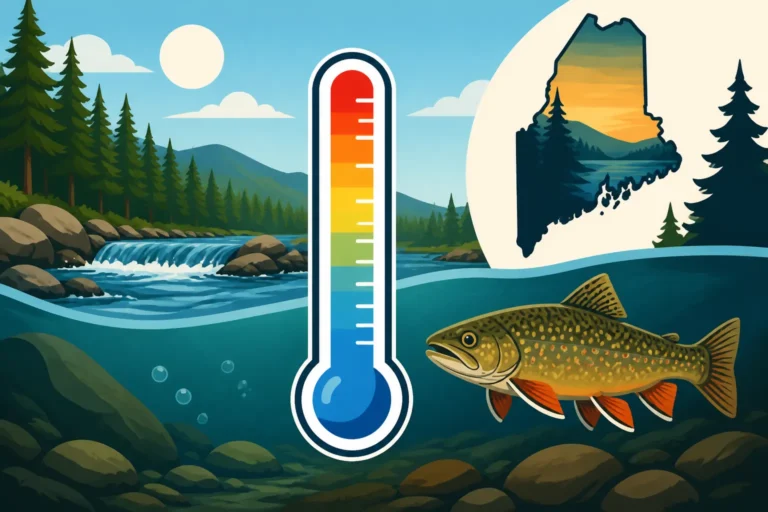
Maine's climate is changing, and with it, our waters are seeing shifts that impact cold-water species like landlocked salmon. Warmer summer temperatures can reduce the amount of oxygen in deep, cold lake layers where salmon seek refuge. This means fisheries managers are constantly monitoring water temperatures and dissolved oxygen levels, adjusting stocking strategies, and looking for ways to protect critical coldwater habitats. Research into more heat-tolerant strains of salmon or focusing stocking efforts on lakes that are naturally more resilient to warming are just some of the ways the future of our fisheries is being addressed.
Continued Research and Monitoring
The MDIFW and various research institutions are continuously studying landlocked salmon. They look at population dynamics, genetic health, disease resistance, and the impacts of various management strategies. This research is vital for making informed decisions about stocking, habitat protection, and fishing regulations. Anglers can often contribute to these efforts by reporting their catches, participating in creel surveys, or even by just sharing observations from their time on the water. Every piece of information helps paint a clearer picture of the health of our fisheries. If you want to dive deeper into the science, you might even find some fascinating publications on aquatic biology through resources available on platforms like Amazon.
The Role of Anglers and Local Communities
Ultimately, the future of landlocked salmon in Maine rests not just with biologists and policymakers, but with us – the anglers and the communities that cherish these fish. Our passion for salmon fishing drives the desire to protect them. By being responsible stewards of the environment, advocating for conservation, and educating new generations of anglers, we ensure that the legacy of landlocked salmon in Maine continues. Whether you prefer chasing wild fish in a remote river or casting for a hard-fighting hatchery-reared salmon in a popular lake, the joy of the pursuit is universal, and protecting that experience for everyone is a shared goal. Remember, details on how to acquire your permit can be found in Maine Fishing License Guide.
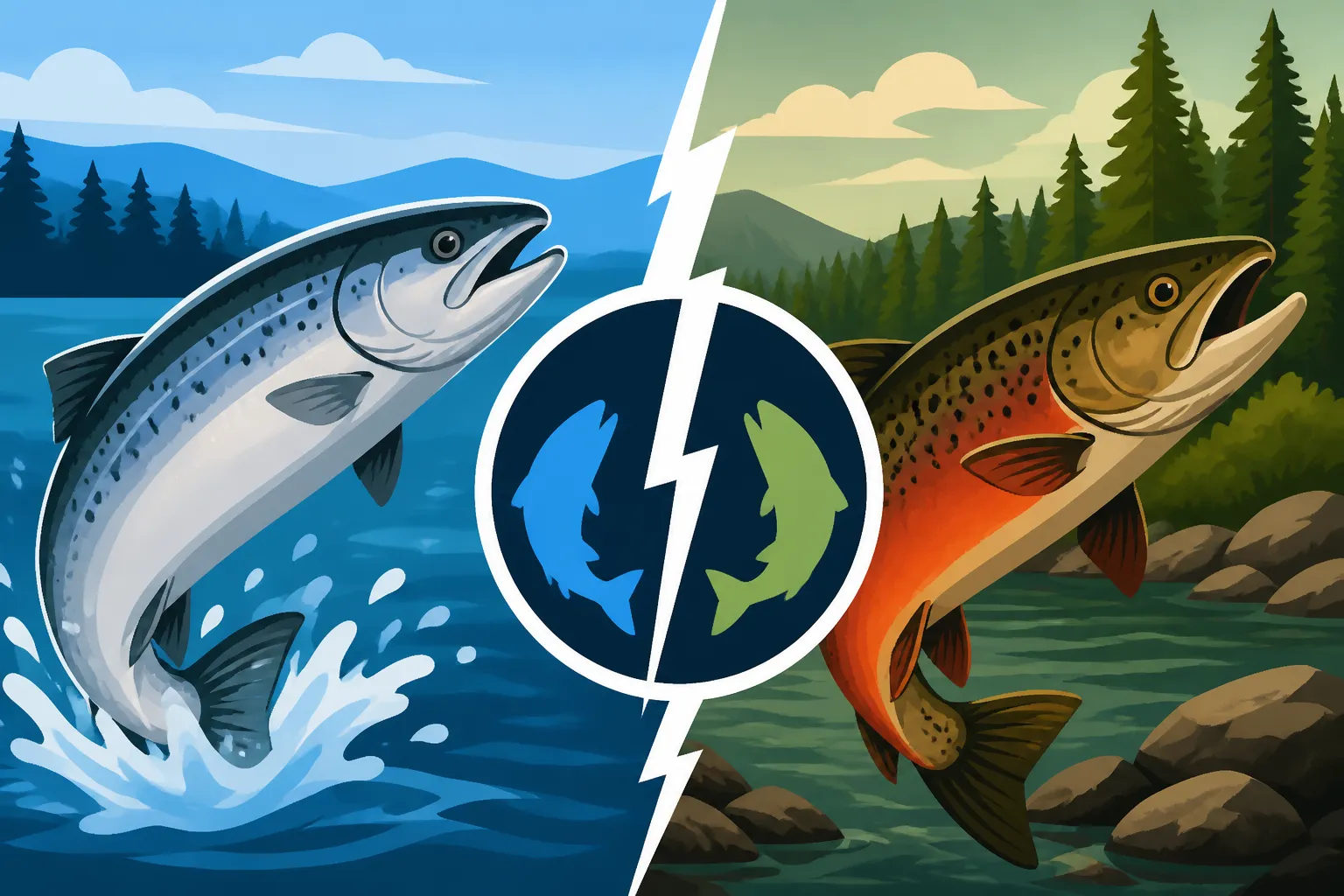
Here's a quick comparison of stocked vs. wild landlocked salmon:
| Feature | Wild Landlocked Salmon | Stocked Landlocked Salmon |
|---|---|---|
| Origin | Hatched and raised in natural stream/river environments. | Hatched and raised in hatcheries, then released. |
| Fins | Typically perfect, fully formed fins. | May have slightly worn or abraded fins (from hatchery). |
| Adipose Fin | Usually intact. | Often clipped for identification purposes. |
| Coloration | Often more vibrant, varied colors; leaner body. | Can sometimes appear slightly duller; possibly stouter. |
| Spawning Instinct | Strong homing instinct to natal spawning grounds. | Weaker homing instinct; may attempt to spawn but often less successful. |
| Diet Source | Entirely natural forage (smelt, insects, etc.). | Initial hatchery diet, then natural forage post-release. |
| Survival Challenges | Predation, habitat degradation, natural selection. | Initial adjustment to wild, predation, fishing pressure. |
| Genetic Diversity | High, through natural reproduction. | Managed, but can be less diverse if broodstock is limited. |
Disclaimer
This article is for general informational purposes only and does not constitute professional advice. Laws, prices and regulations vary by location and change over time. Consult a qualified professional for guidance on your specific situation.