Can You Eat Smallmouth Bass From Maine Lakes?
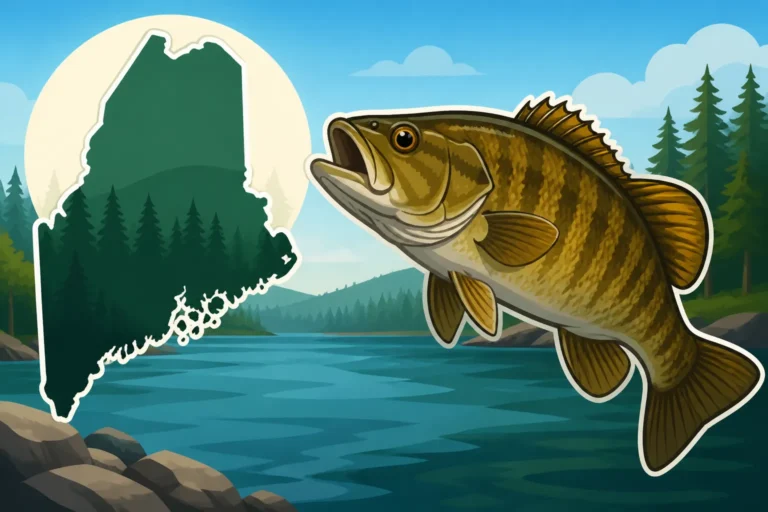
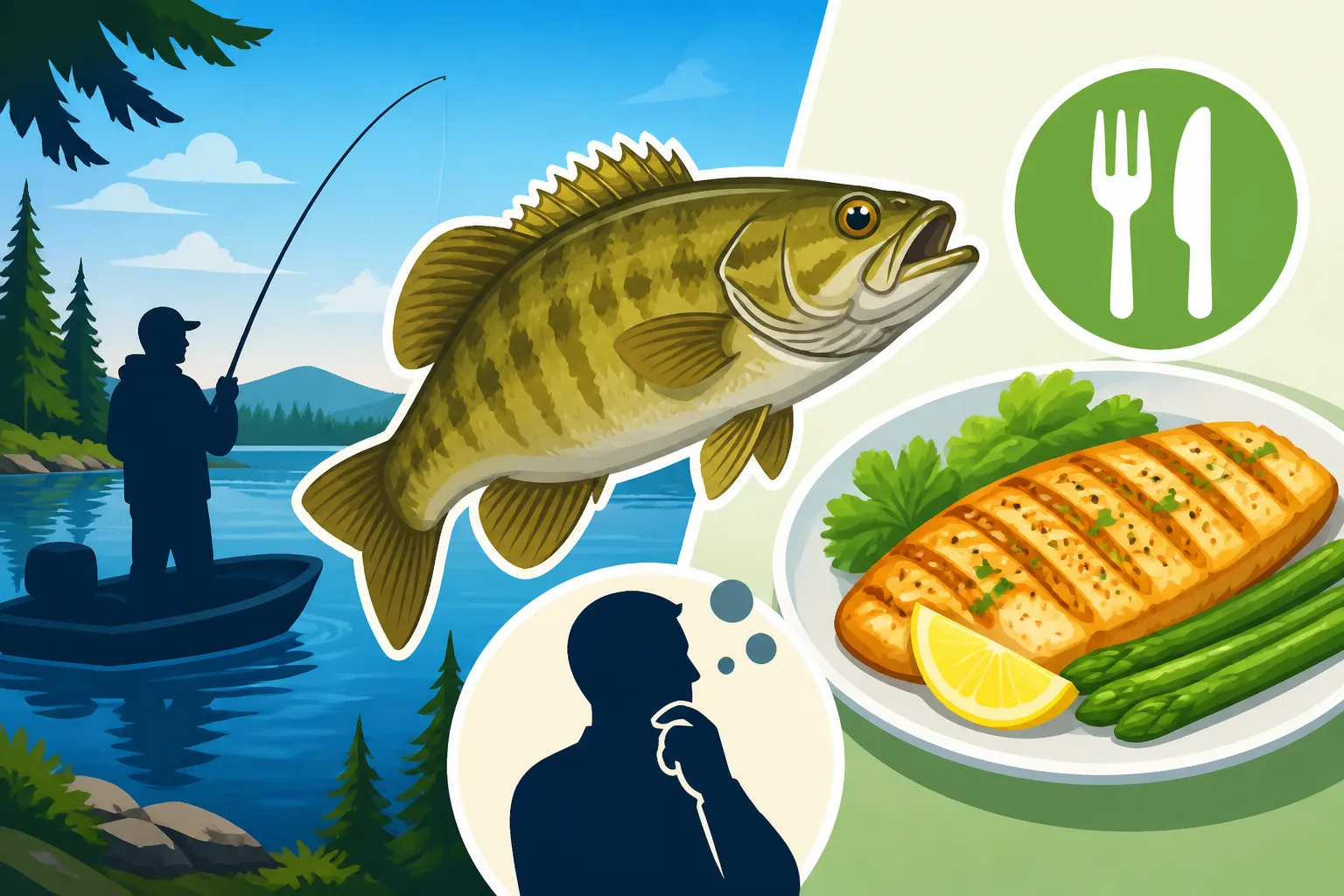
It's a question many anglers ponder after a successful day on the water: you've reeled in a beautiful smallmouth bass from a pristine Maine lake, and now you're wondering, "Can I actually eat this?" The short answer is yes, you absolutely can, and many Mainers and visitors alike rave about them! But like with any wild-caught food, there are definitely some considerations to keep in mind to ensure your meal is both safe and delicious. This guide will walk you through everything you need to know about preparing and enjoying smallmouth bass from our glorious Maine waters.
The Maine Lakes and Your Catch: Is it Safe to Eat Smallmouth Bass?
When you’re thinking about bringing fish home for dinner, safety is always paramount. Maine is blessed with thousands of lakes and ponds, many of which offer fantastic smallmouth bass fishing. Generally speaking, smallmouth bass from Maine lakes are considered safe and tasty table fare, but it’s always wise to be informed.
Understanding Fish Consumption Advisories in Maine
It’s crucial to understand that even in beautiful, seemingly untouched natural environments, certain contaminants can accumulate in fish. The biggest concern you'll often hear about is mercury, but sometimes other substances, like PFAS, can be a factor. That's why the Maine CDC and Department of Environmental Protection (DEP) work together to issue fish consumption advisories. These aren't meant to scare you away from eating fish, but rather to give you the information you need to make informed choices for yourself and your family.
These advisories are often specific to certain water bodies or even types of fish within those waters. For example, some large, older predatory fish might have higher mercury levels than smaller, younger ones, simply because they've had more time to accumulate it. You might find a general statewide advisory for certain populations, like pregnant women, nursing mothers, young children, or individuals who eat fish very frequently, advising them to limit their intake of certain species or from specific lakes. It's always a good idea to check the latest Maine Fish Consumption Advisory for Mercury directly on the Maine state government's websites before your trip. While smallmouth bass are often a great choice, knowing the specific recommendations for the lake you're fishing will give you peace of mind.
Factors Influencing Smallmouth Bass Edibility
Beyond general advisories, several other factors can influence not only the safety but also the overall quality and flavor of the smallmouth bass you catch. Understanding these can help you select the best fish for your dinner plate.
Water Quality
This is probably the most significant factor. Smallmouth bass thrive in clear, clean, and well-oxygenated waters. Lakes and rivers with good water quality tend to produce fish with cleaner, milder flavors and fewer concerns regarding contaminants. Maine is renowned for its relatively pristine waters, especially in its more remote regions. If you're fishing a lake known for its excellent water clarity and overall health, you're likely to find your smallmouth bass to be excellent eating. Conversely, if you're fishing in waters that might be impacted by industrial runoff or heavy agricultural activity (though less common for prime bass habitat), it's even more important to check those local advisories.
Fish Size and Age
As a general rule for many species, smaller, younger fish tend to be better eating than very large, old ones. This is for a couple of reasons. Firstly, older fish have simply lived longer, giving them more time to accumulate any environmental contaminants present in the water or their diet. Secondly, very large fish can sometimes have a coarser texture or a stronger, more "fishy" flavor that some people find less appealing. For smallmouth bass, a "keeper" in the 12-16 inch range often provides the best balance of good fillet size and delicate flavor. Don't get me wrong, a trophy smallmouth is an amazing catch, but many anglers choose to practice catch and release with those larger, older specimens, both for their reproductive value and for optimal table quality.
Diet
What a fish eats absolutely impacts its flavor. Smallmouth bass are opportunistic predators, feasting on everything from insects and crayfish to baitfish like shiners and perch. A diverse, healthy diet from a clean ecosystem generally leads to a better-tasting fish. If they're primarily feeding on baitfish from clean waters, their flesh will likely be firm and mild. Fish caught from muddy bottoms or areas with less ideal food sources might sometimes have a slightly different, perhaps earthier, flavor, though this is less common with smallmouth bass compared to some other freshwater species.
Cooking Methods
While not directly impacting edibility in terms of safety, how you handle and cook your catch plays a huge role in its appeal. Proper cleaning, immediate cooling, and appropriate cooking techniques can significantly enhance the taste and texture of your smallmouth bass. We’ll dive deeper into this soon, but remember, even the freshest fish can be ruined by poor preparation!
The Taste Profile of Maine Smallmouth Bass
So, you’ve decided to keep a few smallmouth bass for dinner. What can you expect when it comes to flavor and texture? Prepare for a pleasant surprise! Smallmouth bass are widely regarded as one of the finest freshwater fish to eat.
What to Expect: Flavor and Texture
Many anglers describe smallmouth bass as having a mild, sweet, and flaky white flesh. It’s often compared favorably to walleye or even crappie, boasting a clean taste that isn't overly "fishy." This makes it incredibly versatile for cooking, as it readily takes on the flavors of your chosen seasonings and sauces without being overpowering.
The texture is typically firm yet tender, flaking easily when cooked. This makes it a joy to eat, whether pan-fried, baked, or grilled. Factors like the cold, clear waters of Maine and their active predatory lifestyle contribute to this desirable texture and mild flavor. Fish from warmer, murkier waters might sometimes have a softer texture or a slightly stronger flavor, but in Maine, you're generally going to get a prime product.
| Characteristic | Smallmouth Bass | Yellow Perch | Brook Trout |
|---|---|---|---|
| Flavor | Mild, sweet, clean | Mild, slightly sweet | Rich, delicate, often nutty |
| Texture | Firm, flaky, tender | Firm, flaky, delicate | Fine, tender, moist |
| Color | White, sometimes off-white | White | Pink to orange |
| "Fishiness" | Low | Low | Moderate |
Preparing Your Catch for the Best Flavor
To truly maximize the deliciousness of your smallmouth bass, proper handling from the moment you catch it is key. This isn't just about safety, but about preserving that delicate flavor and texture you're after.
First off, if you plan to keep a fish, bleed it immediately. This can sound a bit gruesome, but it makes a huge difference in the taste. A quick cut to the gills allows the blood to drain, preventing it from clotting in the flesh, which can impart a stronger, more metallic flavor.
After bleeding, get your fish on ice as quickly as possible. This slows down spoilage and keeps the flesh firm. A cooler full of ice is your best friend when fishing for the table. Don't just toss them in a bucket of warm water; temperature control is everything.
Once you're home, it's time for proper cleaning and filleting. Many people prefer to remove the skin from smallmouth bass fillets, as it can sometimes be a bit tough or contribute to a stronger flavor. Also, look for and remove any visible dark red "bloodline" meat along the lateral line of the fillet. This dark meat, though perfectly edible, often has a more intense flavor that some prefer to trim away for a milder final product. If you're new to this, there are tons of great video tutorials out there, or you can check out a guide like How to Fillet a Fish You Plan to Keep to get you started.
Best Ways to Prepare Smallmouth Bass from Maine Lakes
Now for the fun part – cooking! Smallmouth bass is incredibly versatile in the kitchen, and its mild flavor means it can shine in many different preparations.
Simple and Delicious Cooking Methods
You don't need to be a gourmet chef to turn your smallmouth bass into an incredible meal. Simplicity often highlights its natural goodness.
- Pan-Frying: This is arguably the most popular and classic method for freshwater fish, and smallmouth bass is no exception. Lightly dust your fillets in seasoned flour, cornmeal, or a simple breading mix (you can find fantastic options, including gluten-free varieties, on Amazon) and pan-fry them in a little butter or oil until golden brown and flaky. This creates a wonderful crispy exterior and a tender, moist interior. Just be careful not to overcook!
- Baking or Broiling: For a healthier option that's still bursting with flavor, baking or broiling is fantastic. Place your fillets on a baking sheet, drizzle with olive oil, sprinkle with salt, pepper, and your favorite herbs (dill, parsley, or thyme work wonderfully), and perhaps a squeeze of lemon juice. Bake at around 375°F (190°C) for 10-15 minutes, or broil for a shorter time until the fish flakes easily with a fork.
- Grilling: If you have larger fillets, grilling can impart a lovely smoky flavor. Make sure your grill grates are clean and well-oiled to prevent sticking. A fish basket or aluminum foil with holes can also be very helpful. Grill over medium-high heat for a few minutes per side until cooked through. A little lemon and butter brushed on while grilling adds moisture and flavor.
Don't be afraid to experiment with seasonings and marinades. Smallmouth bass pairs well with lemon, garlic, white wine, and simple butter sauces. Sometimes, the best meals are the simplest, letting the fresh taste of the fish be the star.
Recipes and Considerations for Maine Bass
Beyond the basic cooking methods, there are a few extra tips to elevate your Maine smallmouth bass experience. Think about pairing it with fresh, local ingredients. Imagine a pan-fried smallmouth served with sweet Maine corn on the cob in summer, or roasted potatoes and steamed green beans from a local farm.
As mentioned before, if you're particularly sensitive to any potential "fishy" flavor, definitely take the time to remove the skin and the dark lateral line meat from your fillets. This often results in the purest, mildest flavor. For precision filleting, a sharp, flexible filleting knife is indispensable, and you can find a wide selection of highly-rated options on Amazon.
You might even consider recipes typically used for other white fish. For example, a recipe for Best Way to Cook Fresh Brook Trout could easily be adapted for smallmouth bass, just keeping in mind the slight differences in fillet size and thickness. Or, if you've ever enjoyed Can You Eat Striped Bass Caught in Maine?, you'll find smallmouth bass offers a similar adaptability to various preparations.
Responsible Angling and Enjoying Your Maine Catch
Part of the joy of fishing in Maine is not just the catch, but the experience and the understanding that we're stewards of these incredible resources. Enjoying your smallmouth bass for dinner goes hand-in-hand with responsible angling practices.
Catch Limits and Sustainable Practices
Maine has specific regulations in place to ensure healthy fish populations for generations to come. This includes Maine Bass Limits by Zone and size limits, which can vary depending on where you're fishing. It's vital to know and adhere to these rules. Always check the latest Maine fishing law book for the specific body of water you're targeting. Taking only what you need and are allowed, and practicing proper catch and release for fish you don't intend to keep, are cornerstones of sustainable angling.
When you do keep fish, try to select those within the optimal eating size range, often leaving the largest breeders to continue populating the lake. For tips on how to properly release a fish you don’t intend to keep, refer to Catch and Release Best Practices in Maine. It ensures the fish has the best chance of survival and helps maintain a robust fishery.
Where to Find Good Smallmouth Bass Fishing in Maine
Maine offers phenomenal smallmouth bass fishing across the state. From the deep, clear waters of southern Maine to the wild, remote lakes of the north, you're spoiled for choice. Large lakes like Sebago Lake Smallmouth Bass Fishing in Maine and the Belgrade Lakes Bass Fishing in Maine are legendary for their smallmouth populations. In these waters, you can find abundant smallmouths, often reaching impressive sizes.
Don't overlook the incredible opportunities in more northern areas either, as the question Is Smallmouth Bass Fishing Good in Northern Maine? is often answered with a resounding "Yes!" Many of these lakes and rivers, with their cooler, oxygen-rich waters, provide prime habitat for feisty smallmouths. Whether you prefer fishing from a boat, kayak, or shore, Maine's diverse waters offer something for every bass angler. A good tackle box with a selection of lures, including some topwater poppers and crankbaits, all conveniently sourced from Amazon, will serve you well no matter where you cast your line.
In conclusion, you can absolutely eat smallmouth bass from Maine lakes, and they are a delicious choice. By being mindful of consumption advisories, practicing responsible angling, and preparing your catch with care, you’ll enjoy some of the freshest, finest freshwater fish Maine has to offer. Happy fishing, and even happier eating!
Disclaimer
This article is for general informational purposes only and does not constitute professional advice. Laws, prices and regulations vary by location and change over time. Consult a qualified professional for guidance on your specific situation.