Why Do Mainers Call Lake Trout Togue?
Anyone who's spent a bit of time chatting with local anglers here in Maine, especially those who frequent our deeper, colder lakes, has probably heard the term "togue." It's one of those words that can make an outsider scratch their head, wondering if it's a special type of fish, a local legend, or just a quirky nickname. If you've ever felt that slight disconnect, this guide is for you. We're going to dive deep into why Mainers affectionately call their lake trout "togue" and unravel the history and charm behind this unique local term, helping you sound like a seasoned local on your next fishing trip.
Unpacking the Identity: What Exactly is a Lake Trout?
Before we get into the local lingo, let's make sure we're all on the same page about the fish itself. The lake trout is a magnificent creature of the deep, a true gem of cold, northern waters. Understanding its general characteristics helps us appreciate the specific connection Mainers have with it.
Scientific Classification and General Characteristics
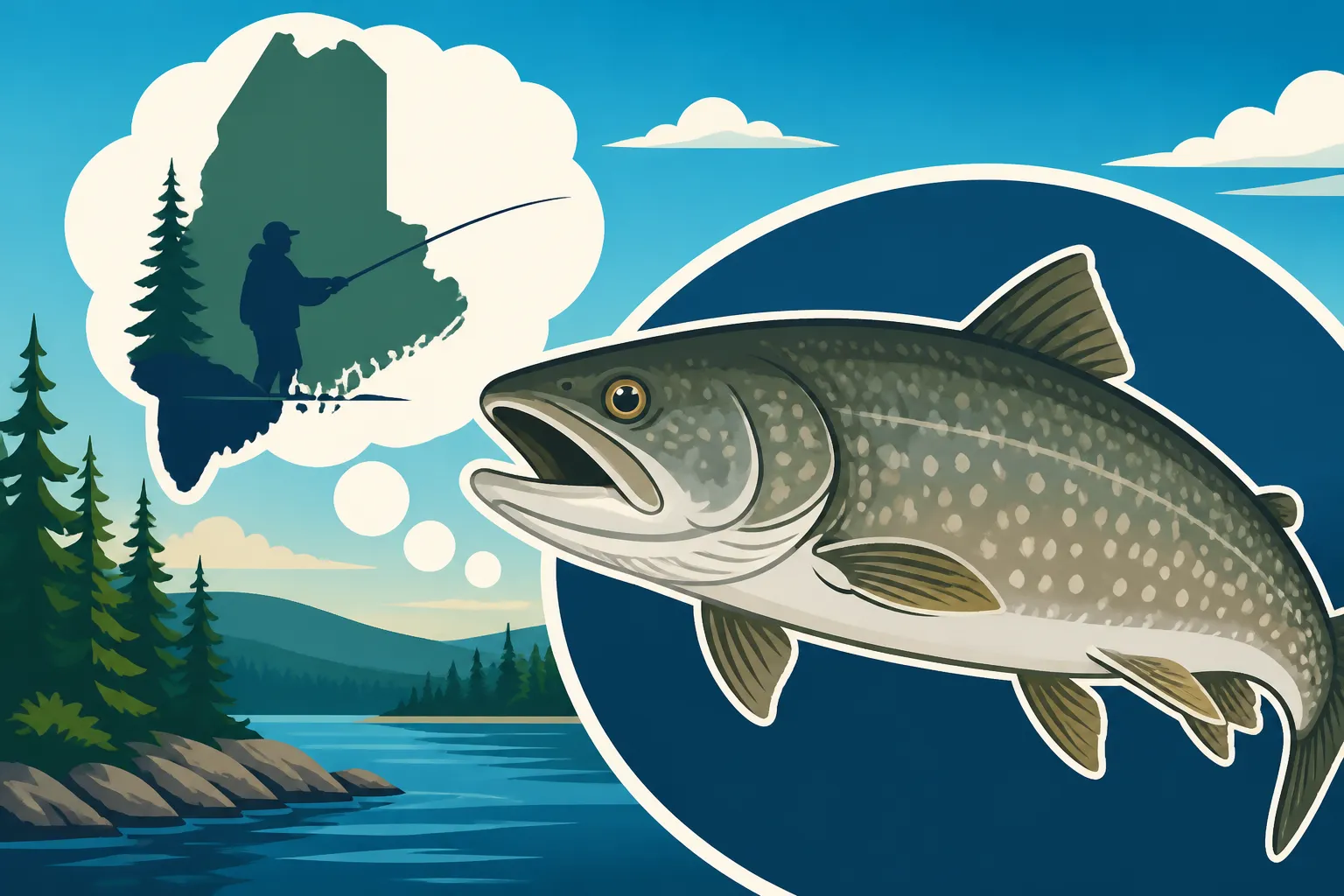
The fish we're talking about, scientifically known as Salvelinus namaycush, is actually a char, not a true trout, though it's commonly lumped into the "trout" family by anglers. You'll often hear it referred to simply as "lake trout" across much of North America. These fish are easily recognizable by their long, sleek bodies, often sporting light spots on a darker, typically olive-green to grey background, sometimes with hints of white on the leading edges of their fins. Their mouths are large, extending back past the eye, signaling their predatory nature. They thrive in deep, cold, oxygen-rich waters, making them perfectly suited for many of Maine's expansive lakes. They can grow to impressive sizes, making them a highly sought-after trophy fish for many anglers.
They are slow-growing and long-lived, adapting perfectly to the harsh environments of deep, clear lakes. Unlike brook trout, which prefer cooler streams and shallower lake margins, lake trout are built for the depths, often retreating to cooler thermoclines during the warmer summer months. This preference for deep water makes them a bit more challenging to target, but incredibly rewarding when you finally reel one in.
Lake Trout Across North America
While we're focused on Maine, it's worth noting that lake trout have a vast natural range across Canada and the northern United States, from Alaska all the way to New England. In many places, they're simply called lake trout, or sometimes by regional nicknames, but "togue" is pretty unique to our corner of the world. In the Great Lakes, for example, they are foundational to the ecosystem and a huge part of the sport fishery, often simply called "lakers." Each region might have its own slight twist, but the species itself remains the same. The consistent factor is their preference for cold, deep water, which influences their behavior and where anglers typically find them.
The Heart of the Matter: Why "Togue" in Maine?
This is where the story gets really interesting! The reason behind the term "togue" is deeply woven into the history and culture of Maine. It's not just a random word; it carries the echoes of generations past.
The Abenaki Connection
The most widely accepted theory, and certainly the one that resonates most with our state's rich history, is that "togue" is a direct descendant or adaptation of an Abenaki word. The Abenaki people, indigenous to what is now Maine and other parts of New England and Quebec, had deep knowledge of the land and its resources, including its fish. Their language often described natural features and creatures in a way that captured their essence or behavior.
It's believed that "togue" comes from an Abenaki word, likely "toka" or "tôkôk," which referred to the lake trout. As European settlers arrived and interacted with the native populations, they adopted many local terms for plants, animals, and places. Think of how many of our town names or river names in Maine have indigenous roots. It’s a natural linguistic evolution, a beautiful way that different cultures influenced each other, and these names stuck. Over time, "toka" likely morphed into "togue" as it was passed down through generations of non-native anglers, becoming the commonly accepted term we use today. It's a living piece of history right there in our fishing vocabulary. If you're looking to understand more about how these historical influences shaped our angling traditions, you might find some interesting reads on Amazon about Maine's indigenous history.
A Sense of Place: Local Dialect and Identity
Beyond the linguistic origins, the use of "togue" is also a powerful identifier. It's a regional dialect, a secret handshake among those who understand the rhythms of Maine life and its specific fishing traditions. When you hear someone say "togue," you know they're talking about our lake trout, the ones that swim in the deep, clear waters of Moosehead, Sebago, or Rangeley.
This local terminology helps foster a strong sense of community and connection to the landscape. It distinguishes us from other places, reinforcing the unique identity of Maine anglers. It’s not just a fish; it’s a Maine fish, and calling it "togue" is a small but significant way of claiming that identity. It's similar to how some folks call a soda a "tonic" or a sub sandwich a "grinder" in other parts of New England; it’s a regionalism that brings people together and signals a shared heritage. Newcomers often pick up on this quickly, adopting the term to feel more connected to the local fishing scene. Understanding these nuances is key to truly appreciating Maine Fishing Laws for Beginners.
The Persistence of Tradition: How Language Holds On
Traditions, especially in fishing, have a remarkable way of enduring. Generations of Mainers have passed down their knowledge, their techniques, and their language from parent to child, from guide to sport. The term "togue" has been a part of this oral tradition for centuries. Imagine a grizzled old-timer on a quiet Maine lake, teaching a youngster how to set a tip-up for a deepwater "togue." That transfer of knowledge, including the specific terminology, ensures that the word continues to thrive.
Even as official documents and scientific texts standardize on "lake trout," the informal, everyday language of the fishing community holds firm. It's a testament to the power of tradition and the deep roots of our angling heritage here in Maine. The language becomes part of the shared experience, something that unites anglers across different generations and backgrounds who all share a love for catching these deepwater denizens.
"Togue" vs. "Lake Trout": Is There a Difference in Practice?
So, while we know the history, the practical question remains: is there any real difference in how the terms are used today? For most Mainers, the answer is usually no, but there are some nuances worth exploring.
Angler Usage and Context
In almost all casual fishing conversations among Mainers, "togue" and "lake trout" are used interchangeably to refer to Salvelinus namaycush. If you're out on Moosehead Lake and someone asks if you've caught any togue, they're talking about the same fish that the scientific community calls a lake trout. It's simply a matter of preferred terminology.
However, sometimes you might hear "lake trout" used by non-residents or by Mainers talking to someone less familiar with local terms, specifically to avoid confusion. It’s a courtesy, not a distinction in species. For the most part, if you say "togue" in Maine, people will know exactly what you're talking about, and it might even earn you a nod of appreciation for using the local term. If you're really delving into species, it's worth checking a Maine Fish Species Identification Guide to ensure you know what you've landed.
Official vs. Informal Language
Here's where the two terms diverge slightly. When you look at official publications, like the Maine Department of Inland Fisheries and Wildlife (MDIFW) regulations book or their website, you will almost exclusively see "lake trout" used. This is for consistency, clarity, and to align with broader scientific and national standards. Imagine the confusion if every state used a different indigenous term for the same fish in their official regulations!
However, this doesn't diminish the local use of "togue." It simply means that when you're checking the rule book, you'll be looking under "lake trout" for things like Maine Togue and Lake Trout Limits or Togue Minimum Length Limit in Maine. It’s a small detail, but one that can prevent a lot of head-scratching for those new to Maine fishing. Always rely on the official documentation for the rules, even if you chat about "togue" on the water.
Beyond the Name: Understanding Maine's Togue Fishery
Now that we've cleared up the name, let's talk a bit more about the fish itself and what makes fishing for "togue" such a quintessential Maine experience. This adds depth to our understanding, no matter what you call them.
Habitat and Behavior: Where Togue Thrive in Maine
Maine is blessed with numerous deep, oligotrophic lakes – meaning they are generally low in nutrients but high in oxygen and very clear – which are ideal habitats for togue. These fish are perfectly adapted to the cold, dark depths. In the spring and fall, when surface waters are cool, togue can be found shallower, cruising rocky points and submerged humps. But as summer temperatures rise, they retreat to the cooler, oxygenated waters of the thermocline, often suspending over deep basins. This behavior makes them a challenging but rewarding target for anglers who understand their patterns.
Lakes like Moosehead Lake, Sebago Lake, Rangeley Lake, and many others in the northern and western parts of the state are renowned for their healthy togue populations. These are typically large bodies of water where togue have ample space and food. Understanding these habitats is crucial for successful fishing, and many a local angler has spent a lifetime mapping out the deep structure of their favorite togue water. If you're interested in specific areas, you'd want to check out resources like Moosehead Lake Togue Fishing Spots in Maine.
Fishing for Togue: Techniques and Tips
Catching togue requires specific strategies, largely dictated by their deepwater preferences. Trolling is perhaps the most popular method during open water season. Anglers use lead core line, downriggers, or weighted lines to get their lures down to the depths where togue are holding. Common lures include spoons, stickbaits, and even live bait like smelt or suckers. The key is to present your offering at the right depth and speed. This is where mastering Trolling Techniques for Maine Lakes comes into play.
During the ice fishing season, togue become a prime target for jigging and using tip-ups. Anglers drill holes over deep water, often using electronics to locate fish and the optimal depth. Heavily weighted jigs tipped with cut bait or small minnows are dropped to the bottom and jigged slowly. Tip-ups are set with larger baits, waiting for a flag to fly, signaling a togue has taken the bait. Learning Jigging Techniques for Togue can significantly increase your success during the colder months. Regardless of the season, having the right gear is essential, from stout rods and reels to specialized deep-water lures, all of which you can often find on Amazon.
Conservation and Management: Protecting Maine's Deepwater Giants
The Maine Department of Inland Fisheries and Wildlife actively manages togue populations to ensure their health and sustainability. This often involves specific regulations like minimum length limits, daily bag limits, and sometimes even slot limits on certain bodies of water. These regulations are designed to protect larger, spawning-size fish and ensure a healthy balance in the ecosystem.
For instance, you might find specific rules in place for a particular lake regarding how many fish you can keep or what size range is permissible. This is where checking the official "lake trout" regulations in the MDIFW law book is absolutely critical. Conservation efforts also include monitoring populations, habitat protection, and sometimes stocking programs to supplement natural reproduction, especially in waters where populations might be stressed. These efforts are vital for ensuring that future generations can continue to enjoy fishing for these magnificent deepwater fish, whatever they choose to call them. For comprehensive rules, always refer to Maine Fishing Regulations Explained.
Togue Tidbits: Fun Facts and Local Lore
The name "togue" isn't just a historical artifact; it's part of the living culture of Maine fishing. Here are a few more interesting tidbits that round out our understanding.
Togue vs. Landlocked Salmon: A Common Mix-Up
For newcomers, especially, it can sometimes be confusing to distinguish between a togue and a landlocked salmon, particularly when both are found in the same deep, cold lakes. Both are powerful, silvery fish that inhabit similar waters. However, they have distinct differences. Togue generally have a more stout body, a deeply forked tail, and irregular light spots on a darker body. Landlocked salmon tend to be more torpedo-shaped, with smaller spots and a less forked tail. Knowing How Many Togue Can You Keep Per Day in Maine? and comparing it to salmon limits is a good way to stay compliant, so accurate identification is key!
Locals often have an intuitive sense for the differences, but it's a common point of discussion on the docks. "Did you catch that togue or a salmon?" is a question often posed, highlighting the importance of knowing your target species.
The Deepwater Challenge
Fishing for togue is often seen as a challenge, especially in the vastness of Maine's largest lakes. They are known for their strong, sustained fights once hooked, often using their weight and the deep water to their advantage. Bringing a large togue up from 60, 80, or even 100 feet of water is a test of endurance and tackle. This challenge contributes to the mystique and respect surrounding the "togue" among Maine anglers. It's not always an easy catch, but it's almost always a memorable one.
"Togue" as a Brand of Maine
In a way, "togue" has become a small, unofficial brand of Maine fishing. It signifies a deeper knowledge, a connection to the local culture, and an appreciation for the state's unique angling heritage. Using the term not only shows you know your fish but that you also understand a piece of what makes fishing in Maine so special. So go ahead, embrace the term! The next time you're out on a boat, or even just sharing stories at the local diner, feel free to talk about your quest for "togue."
| Feature | "Togue" Usage in Maine | "Lake Trout" Usage Generally |
|---|---|---|
| Origin | Derived from Abenaki indigenous language | Standard English common name |
| Primary Use | Informal conversation, local angler community | Official regulations, scientific texts, broader national discourse |
| Identity | Strong regional identifier, cultural connection | Generic species classification |
| Connotation | Affectionate, traditional, familiar | Factual, universal, formal |
| Interchangeable? | Yes, for the same fish (Salvelinus namaycush), especially locally | Yes, when speaking with Mainers, but "togue" is less understood outside Maine |
| When to Use | When talking to Maine locals, feeling authentic | When referring to official rules or addressing non-Mainers |
Disclaimer
This article is for general informational purposes only and does not constitute professional advice. Laws, prices and regulations vary by location and change over time. Consult a qualified professional for guidance on your specific situation.