How Heavy Can a Trophy Smallmouth Bass Get in Maine?
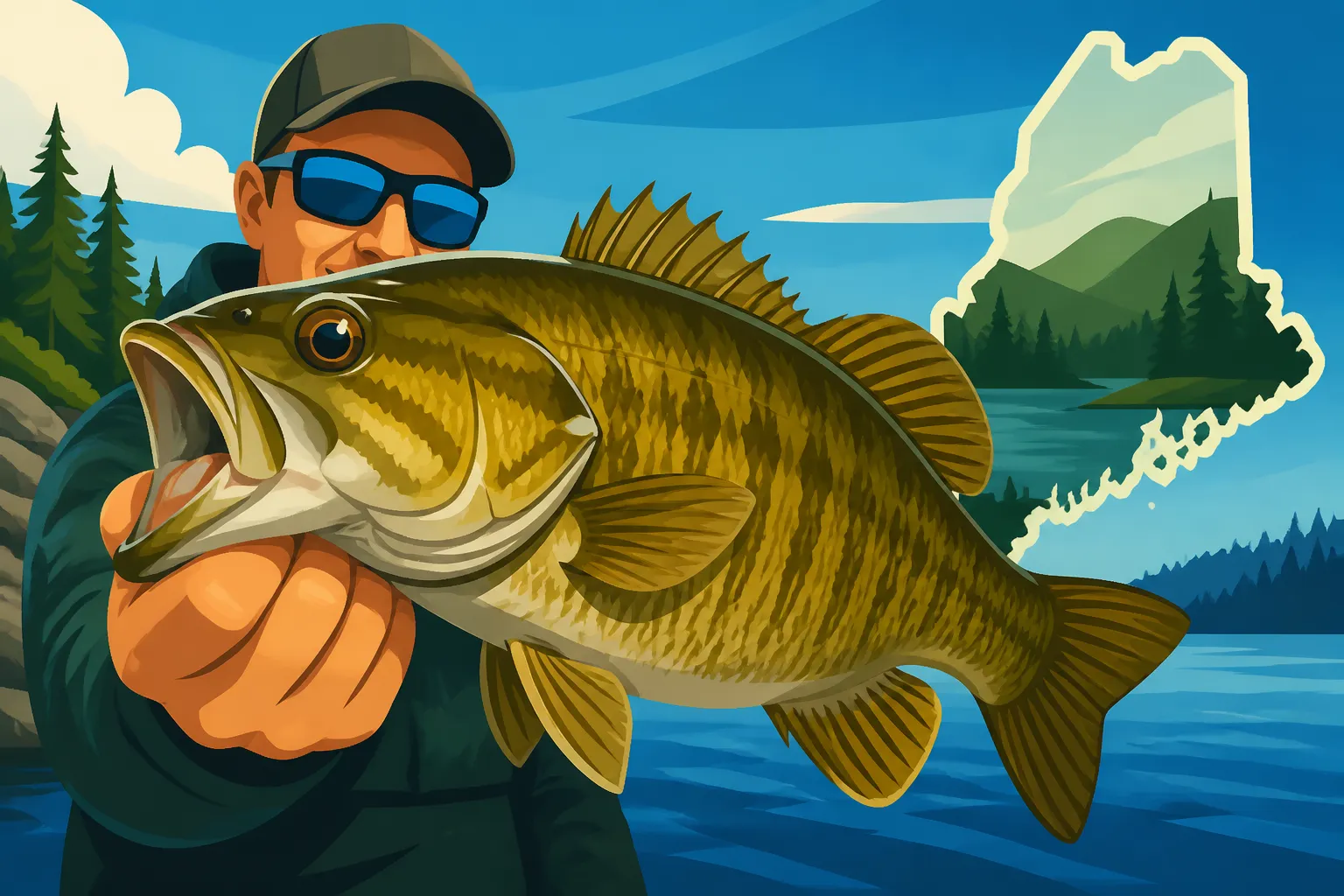
Oh, the elusive trophy smallmouth bass! Every angler who casts a line in Maine dreams of that tell-tale tug, that explosive fight, and ultimately, a smallmouth so hefty it makes your arms ache just holding it up for a photo. It’s a common question, and one that gets the heart rate going: just how big can these bronze beauties get in our rocky lakes and rivers? This guide is going to dive deep into what truly defines a "trophy" smallmouth in the Pine Tree State, what factors contribute to their growth, and where you might just hook into the fish of a lifetime.
Defining a Trophy Smallmouth Bass in Maine
When we talk about a "trophy" fish, it's a bit like beauty – it's often in the eye of the beholder. For some, a five-pound smallmouth is an absolute giant. For others, particularly those who've chased them for decades, "trophy" starts a little higher. In Maine, due to our northern climate and the natural habitat, smallmouth bass tend to grow a bit slower and don't always reach the same gargantuan sizes you might see in some southern states with year-round warm water. However, what they lack in sheer maximum size, they often make up for in fight and robust health.
What Makes a Maine Smallmouth "Trophy-Worthy"?
A trophy smallmouth in Maine isn't just about weight; it's also about its length and the sheer joy of the catch. Generally speaking, anglers in Maine start considering a smallmouth "trophy-worthy" when it hits the 4-pound mark. A 5-pounder is truly exceptional and will likely get you some serious bragging rights. Anything over 6 pounds is in a league of its own, bordering on state record territory.
Think of it this way:
- Good Catch: 2-3 pounds, around 15-17 inches. A solid, fun fight.
- Great Catch: 3-4 pounds, 17-19 inches. You're starting to get excited now!
- Trophy Class: 4-5 pounds, 19-21+ inches. This is the fish you'll tell stories about.
- Giant/Record Breaker: 6+ pounds, 22+ inches. These are rare and truly special.
The length is often a better indicator of age and maturity, while weight can fluctuate greatly depending on the season, what the fish has been eating, and if it's full of eggs during spawning. A long, lean smallmouth in the fall might weigh less than a shorter, chunky one in the spring, but both could be considered equally impressive.
Maine's State Record Smallmouth Bass
To truly understand what a trophy smallmouth can be, we look to the record books. Maine's state record smallmouth bass stands as a testament to the potential of our waters. The current record is a truly magnificent specimen, weighing in at 8 pounds, 0 ounces. It was caught on Thompson Lake, a beautiful body of water known for its clear waters and great fishing. Imagine the thrill of reeling in a fish that size! This record shows that while 6-pounders are rare, the genetics and forage exist to produce truly monumental bass in Maine. While most of us will never touch that record, it serves as a wonderful benchmark for what's possible and keeps us dreaming on those long days out on the water.
Factors Influencing Smallmouth Bass Size
Catching a giant smallmouth isn't just about luck; it's about understanding the environment and biology that allows these fish to thrive and grow. Several interconnected factors play a huge role in how heavy a smallmouth bass can get in Maine.
Forage and Food Availability
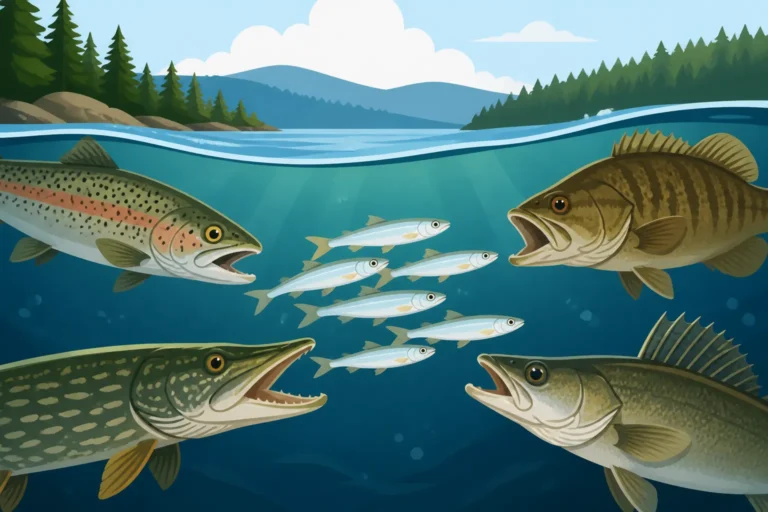
Just like any creature, smallmouth bass need a consistent and abundant food supply to grow large. In Maine, their diet is incredibly diverse, which contributes to their robust health. They'll gorge on everything from crayfish, which are like candy to smallmouth, to various baitfish like smelt, shiners, and perch. Maine Smelt Run Timing can be a particularly important time for smallmouth to fatten up. The presence of larger prey items in a lake, such as abundant alewives or other larger baitfish, can directly correlate to bigger bass. Lakes with a healthy ecosystem, rich in invertebrates and diverse forage species, tend to produce larger, healthier smallmouth populations.
When a smallmouth has to expend a lot of energy chasing down scarce food, its growth can be stunted. Conversely, in a lake where food is plentiful and easily accessible, they can put on weight much faster. This is why some lakes consistently produce bigger bass than others – it's often a testament to their healthy and diverse food web.
Water Temperature and Growing Season Length
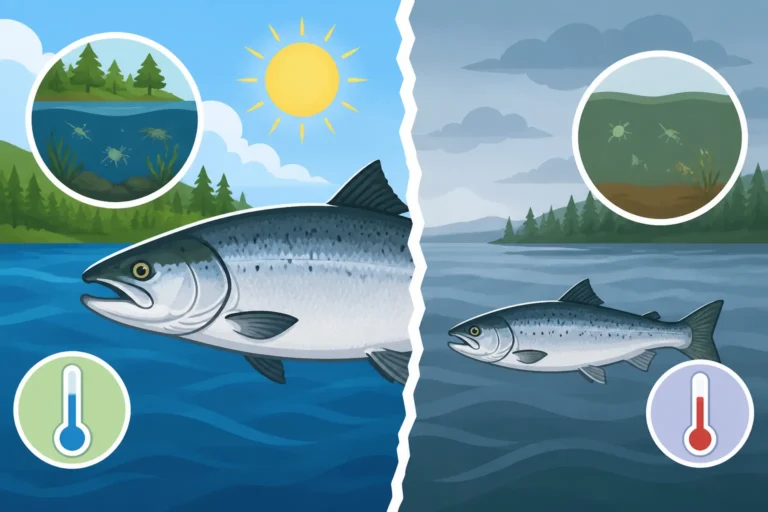
Maine, being a northern state, experiences shorter warm-water periods compared to states further south. Smallmouth bass are cold-blooded, meaning their metabolism is directly tied to water temperature. They grow most efficiently when water temperatures are in their optimal range, typically from the mid-60s to low 70s Fahrenheit. In Maine, this prime growing window is relatively short, usually from late spring through early fall.
During the long, cold winter months, their metabolism slows down significantly, and growth practically halts. This shorter active feeding and growing season means it takes smallmouth bass longer to reach larger sizes compared to their southern counterparts. A smallmouth that reaches 5 pounds in Maine might be considerably older than a 5-pounder caught in a warmer climate, perhaps 8-10 years old or even more, depending on the specific lake and conditions. Understanding Best Time of Year to Fish in Maine is crucial for targeting them during their most active feeding periods.
Genetics and Habitat Quality
Genetics certainly play a role in the potential maximum size of any fish. Some individual fish, or even certain strains within a population, simply have the genetic predisposition to grow larger than others. However, even with good genetics, a smallmouth needs quality habitat to reach its full potential.
Good smallmouth habitat in Maine typically includes:
- Clear, cool water: Smallmouth prefer cleaner water than largemouth, and while they can tolerate warmer temps, they truly thrive in moderately cool, well-oxygenated environments.
- Rocky structures: Boulders, rock piles, ledges, and gravel bottoms are prime real estate for smallmouth. These areas provide ambush points for prey and hiding spots from predators.
- Drop-offs and submerged points: These are classic smallmouth hangouts, allowing them to move between shallow feeding grounds and deeper, cooler water.
- Woody cover: Fallen trees, stumps, and brush piles also offer excellent cover and ambush opportunities.
Lakes with a variety of these features, coupled with minimal fishing pressure (or a strong catch-and-release ethic), are more likely to produce trophy-sized smallmouth. Over-harvesting of larger fish can also impact the genetic potential of a population over time, which is why sound fishing regulations and conservation efforts are so important.
Top Maine Locations for Trophy Smallmouth Bass
Maine is blessed with an incredible array of lakes and rivers that hold fantastic smallmouth bass populations. While a "trophy" can turn up anywhere, some waters are legendary for their ability to produce bigger, healthier fish. These spots often combine excellent forage, ideal habitat, and sufficient depth to allow bass to thrive.
Central and Southern Maine Lakes
Many of the top trophy smallmouth waters are found in the central and southern regions of Maine. These lakes often have a slightly longer growing season due to their latitude, and many are deep, clear, and rocky – perfect smallmouth habitat.
- Thompson Lake: As the home of the state record, Thompson Lake near Oxford is a perennial favorite for trophy hunters. Its deep, clear waters and abundant forage base make it a prime location. Anglers often target its extensive rocky shorelines, humps, and drop-offs.
- Sebago Lake: While famous for its landlocked salmon, Sebago Lake Smallmouth Bass Fishing in Maine is exceptional. This massive lake offers incredible diversity of habitat, from rocky points to vast flats and deep-water structure. Smallmouth here can grow to impressive sizes, feasting on the abundant smelt and other baitfish. You'll find a lot of success around the islands and submerged structures.
- Belgrade Lakes Chain: The Belgrade Lakes, particularly Great Pond and Messalonskee Lake, are renowned for their bass fishing. Belgrade Lakes Bass Fishing in Maine is a staple for many anglers, with tournaments often held here. These lakes offer a mix of rocky areas, weed lines, and transition zones that hold big bass.
- Androscoggin Lake: This sprawling, shallower lake near Wayne is a fantastic bass factory, producing both smallmouth and largemouth. Its fertile waters mean plenty of forage, and its numerous coves and rocky areas provide excellent cover.
Northern and Western Maine Waters
Don't count out the northern and western parts of the state! While the growing season might be a touch shorter, many of these pristine waters offer incredible habitat and often less fishing pressure, allowing smallmouth to mature to impressive sizes.
- Moosehead Lake: Maine's largest lake, Moosehead Lake Fishing Guide offers a vast wilderness experience with excellent smallmouth potential. While more famous for its cold-water species, the smallmouth here are strong and can reach trophy sizes, particularly in the shallower, rocky coves and around islands in the southern basins. The sheer size of Moosehead means there are always new areas to explore for that elusive giant.
- Rangeley Lakes Region: While the Rangeley Lakes Landlocked Salmon Fishing in Maine is legendary, the smallmouth in these waters are often overlooked. Lakes like Mooselookmeguntic and Rangeley Lake itself hold robust populations of smallmouth that can grow to impressive sizes, especially around the rocky points and islands. The clear, cold water means these fish are incredibly feisty.
- Kennebec River (Upper Sections): Above the tidal influence, the Kennebec River offers some spectacular smallmouth fishing, especially in the sections with rocky bottom and current breaks. The fish here are incredibly strong and lean, fighting hard in the moving water. Anglers frequently float or wade sections, targeting eddies and submerged boulders. You can find many access points along the Kennebec River Fishing Access Points in Maine.
When you're out on these waters, remember that big smallmouth often relate to structure. Look for those submerged humps, rocky ledges, and deep points. Using a good fish finder to locate these features is key.
Best Techniques for Targeting Trophy Smallmouth
Catching a truly massive smallmouth bass often requires a more refined approach than simply casting a worm. These older, larger fish are usually wiser, more cautious, and often hold in specific areas. Understanding their behavior and employing the right tactics can significantly increase your chances.
Lure Selection and Presentation
Trophy smallmouth respond well to a variety of presentations, but they often prefer baits that mimic their natural forage, like crayfish or baitfish. The key is often to use slightly larger presentations and to fish them precisely where the big fish live.
- Jigs and Soft Plastics: Tube jigs, Ned rigs, and creature baits (especially those that imitate crayfish) are absolute killers for big smallmouth. Work them slowly along rocky bottoms, drop-offs, and around submerged timber. A 3-4 inch tube jig in a natural color like green pumpkin or brown, rigged on a heavy jig head, can be deadly. You can find a wide variety of these essential bass baits on platforms like Amazon. For plastics, consider larger grubs or senko-style worms worked weightless or with a light Texas rig.
- Crankbaits and Jerkbaits: For covering water and drawing reaction strikes, deep-diving crankbaits that reach depths of 10-20 feet can be incredibly effective when retrieved over rocky humps and along ledges. Jerkbaits, particularly suspending models, are excellent in cooler water during spring and fall, mimicking wounded baitfish with their erratic action.
- Spinnerbaits and Swim Jigs: These are great for fishing around cover like weeds, submerged brush, or rocky points. The flash and vibration can trigger aggressive strikes from larger smallmouth, especially on overcast days or in slightly stained water.
- Topwater Lures: There's nothing quite like a trophy smallmouth exploding on a topwater lure. Poppers, walk-the-dog baits, and prop baits can be incredibly exciting, especially during low light conditions (dawn and dusk) or on calm summer mornings. These are often best fished near rocky shorelines or over shallow humps.
Remember, presentation is just as important as the lure itself. Slow down. Think about what that big bass wants to see. Often, a subtle retrieve or a long pause is what convinces a wary fish to strike.
Understanding Seasonal Patterns and Habitat
Trophy smallmouth will change their locations and feeding patterns throughout the year based on water temperature and spawning cycles.
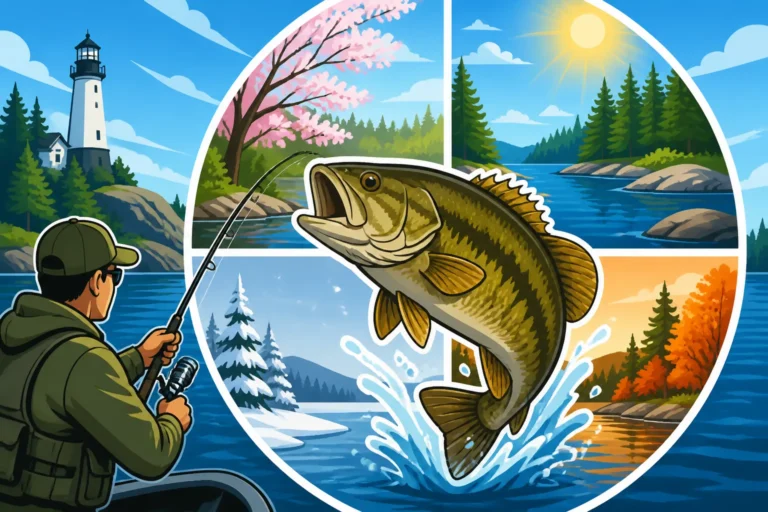
- Spring (Pre-Spawn/Spawn): As water temperatures rise into the 50s and 60s, smallmouth move shallower, often holding on rocky points, shallow humps, and hard-bottomed flats. This is a prime time for big fish as they are preparing to spawn and are very aggressive. Look for these fish in depths of 5-15 feet. Maine Spring Salmon Fishing Techniques often coincide with excellent smallmouth action.
- Summer (Post-Spawn/Deep Water): Once the spawn is over and water temperatures climb, big smallmouth will often retreat to deeper, cooler waters. They'll relate to deep structure like offshore humps, deep rock piles, and distinct drop-offs. Trolling with deep-diving lures or vertical jigging with heavy spoons and tubes can be effective. They may still visit shallower areas during low-light periods to feed. Knowing How to Fish Deep Water for Summer Trout can also be adapted for bass in similar situations.
- Fall (Feeding Frenzy): As water temperatures cool down in the fall, smallmouth go on a major feeding binge to bulk up for winter. They'll often move back shallower, particularly to rocky main lake points and flats where baitfish are congregating. Jerkbaits, crankbaits, and swimbaits can be incredibly effective during this time. Maine Fall Brook Trout Fishing Techniques share some common themes with fall bass fishing, as both species become more active.
Being patient and persistent is key. Trophy smallmouth aren't caught on every cast. It often takes dozens, if not hundreds, of casts and moving to multiple spots before you connect with that truly special fish.
Importance of Tackle and Fight
When you do hook into a trophy smallmouth, your tackle and technique during the fight are critical. These fish are known for their powerful runs, aerial acrobatics, and headshakes.
- Rods and Reels: A medium-heavy spinning or baitcasting rod (6'6" to 7'6") with a fast action is ideal. This provides the backbone to handle big fish but enough tip sensitivity for feel. Match it with a quality reel spooled with 8-12 lb fluorocarbon or monofilament, or a braided line with a fluorocarbon leader for added sensitivity and abrasion resistance. Many anglers choose specific models of rods and reels designed for bass fishing, readily available from major retailers.
- Fighting the Fish: When a big smallmouth hits, it's often a violent strike. Set the hook hard! Then, keep a tight line, but let the fish run when it wants to. Don't try to horse it in, especially when it jumps – that's often when hooks pull out. Lower your rod tip briefly when it goes airborne to reduce slack. Use your drag properly to tire the fish out. Guide it away from snags and be ready with a net when it gets close to the boat. Practicing Catch and Release Best Practices in Maine is essential, especially for these older, bigger fish, to ensure they can spawn again and contribute to future trophy populations.
Catching a trophy smallmouth bass in Maine is a challenging but incredibly rewarding experience. It's a journey of learning, patience, and appreciation for the wild beauty of our state's waters. Good luck out there, and may your next cast be the one that hooks a Maine giant!
Disclaimer
This article is for general informational purposes only and does not constitute professional advice. Laws, prices and regulations vary by location and change over time. Consult a qualified professional for guidance on your specific situation.