Best Season to Catch Smallmouth Bass in Maine
Trying to figure out the absolute best time to catch smallmouth bass in Maine can feel like you're chasing a moving target. These feisty fish don't just stay put all year, and their behavior changes dramatically with the seasons, water temperature, and even the time of day. This guide will walk you through the distinct phases of the year, helping you understand where to find smallmouth bass, what they're biting on, and the strategies that will give you the best chance for success, no matter when you hit the water.
Understanding Maine Smallmouth Bass Behavior
Smallmouth bass, often called "bronze-backs" for their distinctive coloration, are incredibly adaptable fish, but their activities are heavily influenced by the environment, particularly water temperature. Maine's diverse waters, from the deep, cold lakes of the north to the shallower, warmer ponds in the south, offer varied smallmouth habitats, but the underlying seasonal patterns remain consistent. Understanding these patterns is key to consistent success.
Habitat Preferences by Season
During the colder months, smallmouth bass tend to retreat to deeper, more stable water where temperatures fluctuate less. You'll find them holding near submerged humps, deep rock piles, and sharp drop-offs. These areas provide both thermal refuge and proximity to potential forage that also seeks deeper water. As the water warms in spring, they begin to move shallower, seeking out rocky points, gravel bottoms, and areas with submerged timber where they can feed and eventually spawn. By summer, they might be found anywhere from shallow, oxygen-rich rocky shores in low light to deep, cool water during the heat of the day, often relating to significant structure. Reading Lake Structure for Maine Bass is critical for finding these fish.
In the fall, smallmouth start to spread out, often schooling up to chase baitfish in preparation for winter. They can be found in a wider range of depths, moving from shallow flats where baitfish congregate to deeper ambush points. Their preferred habitat is dictated by the comfort of temperature and the availability of food. Maine's varied lake and river systems mean these habitats can look different from one body of water to another, but the general principles of depth, cover, and forage remain constant.
Dietary Shifts Throughout the Year
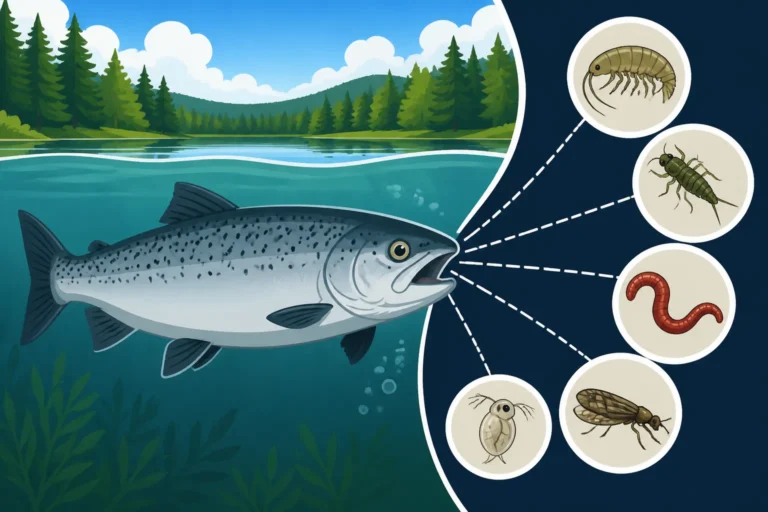
Smallmouth bass are opportunistic predators, and their diet changes with what's available and their metabolic needs. In the cold water of late winter and early spring, their metabolism is slow, and they're looking for easy meals, often small baitfish or crayfish slowly moving along the bottom. As the water warms, their metabolism ramps up, and they become far more aggressive. During the spawn, they're less focused on eating and more on defending their beds, but post-spawn, they become voracious eaters, targeting anything from minnows and shiners to insects, frogs, and even small panfish.
Summer sees a varied diet, with crayfish still being a major food source, along with different species of baitfish and insects that hatch near the surface. In the fall, it's all about packing on the pounds before winter. They'll actively pursue schools of alewives, shiners, or whatever forage fish are abundant in their lake or river. This is when they become incredibly aggressive, chasing down larger baits as they try to consume as much as possible.
Reading Water Temperatures
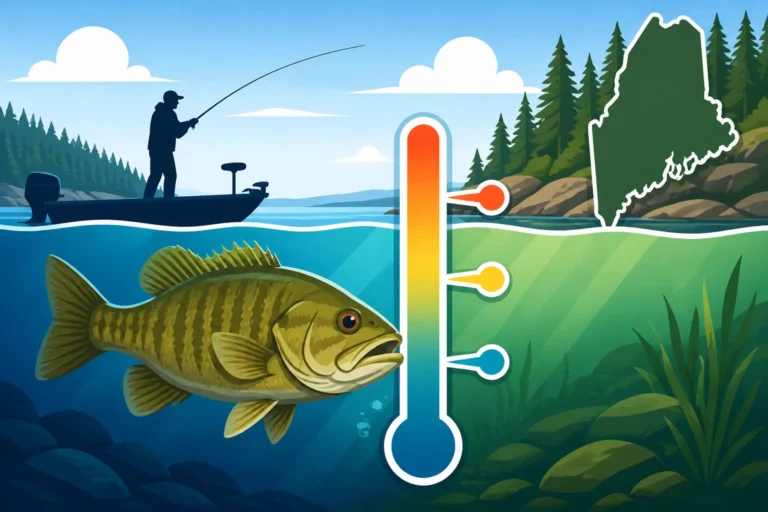
Water temperature is arguably the most crucial factor influencing smallmouth bass behavior. They are cold-blooded, meaning their body temperature mirrors that of their environment. There are optimal temperature ranges for different activities:
- Pre-Spawn (45-55°F): Smallmouth begin to move shallower, feeding actively to build energy for spawning.
- Spawn (58-68°F): This is the prime spawning window. Fish are on beds, defending eggs, and often less interested in feeding.
- Post-Spawn (65-75°F): They recover from spawning and begin feeding heavily again, often in nearby deeper water before spreading out.
- Summer Peak (70-80°F+): Smallmouth may go deep during the heat of the day, moving shallower at dawn, dusk, or on cloudy days. Oxygen levels also become a factor in very warm water.
- Fall Turnover (50-60°F): As the water cools and mixes, smallmouth are highly active, feeding aggressively.
- Winter (Below 45°F): Metabolism slows dramatically; they become lethargic and seek deep, stable water.
Keeping an eye on water temperature, either with a thermometer or through a fish finder, can give you a significant edge in predicting where these fish will be and what they'll be willing to bite. A general rule of thumb is that higher metabolism in warmer water means more active feeding, while colder water means slower, more deliberate presentations are needed.
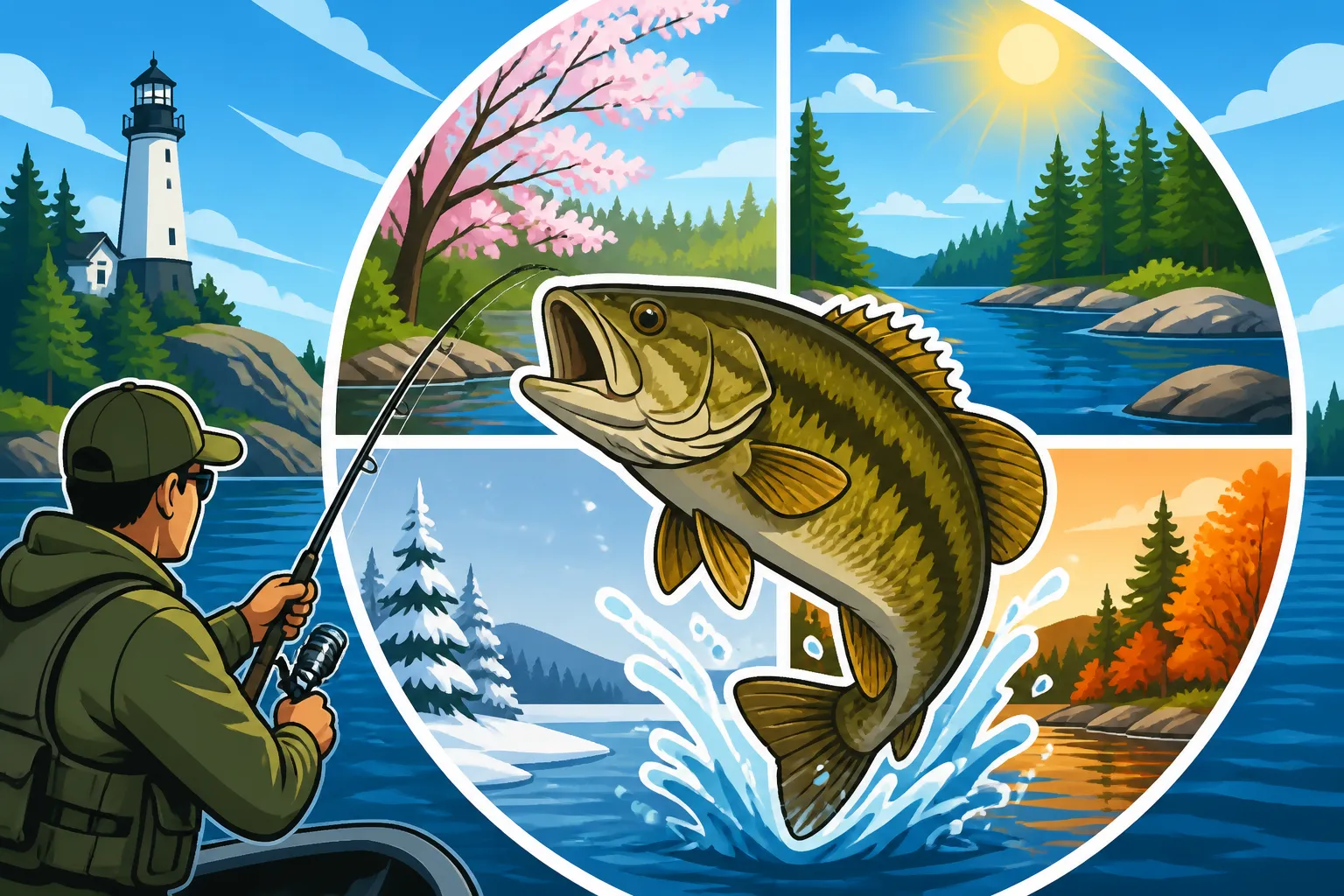
Spring: The Pre-Spawn and Spawn Frenzy
Spring in Maine is a season of incredible anticipation for smallmouth bass anglers. After months of ice and cold, the warming waters signal a major shift in fish behavior, leading to some of the most exciting and productive fishing of the year. This period, often called the "spring bite," is really a series of distinct phases, each requiring a slightly different approach.
Pre-Spawn Migration and Feeding
As soon as the ice leaves the lakes and rivers (typically late April to mid-May in southern Maine, later further north), smallmouth bass begin their migration from their deep wintering grounds toward shallower, warmer waters. Water temperatures between 45-55°F are the sweet spot for this pre-spawn movement. You'll find them staging in transitional areas: rocky points, gravel flats adjacent to deep water, submerged humps, and the sun-warmed north-facing banks of lakes. They are incredibly hungry at this time, aggressively feeding to build up the energy reserves needed for spawning.
This is a prime time for power fishing with fast-moving baits. Spinnerbaits, jerkbaits, and lipless crankbaits retrieved quickly can trigger reaction strikes from eager smallmouth. Don't be afraid to experiment with different colors, but natural baitfish patterns often excel. For a slower presentation, jig-and-pig combinations or tubes crawled along the bottom near structure are also highly effective, mimicking crayfish and bottom-dwelling forage. I often find a good selection of these classic baits on Amazon.
The Spawning Period: Beds and Protection
When water temperatures consistently reach the upper 50s to mid-60s, smallmouth bass will begin to spawn. This typically happens from late May into June in many Maine waters, though it can vary locally. Males will move into shallow, protected bays, coves, and flats with gravel or rocky bottoms to construct circular "beds" by fanning out silt with their tails. Once a female lays her eggs in the bed, the male fiercely guards them from predators. During this phase, smallmouth are less interested in eating and more focused on protection.
Targeting bedding smallmouth requires a different strategy. Often, a bait cast directly onto or near the bed will annoy the male into striking to remove the perceived threat. Soft plastics like tubes, creature baits, or even small swimbaits are excellent for this. Work them slowly, letting them sit on the bottom in the bed. Be mindful of regulations regarding fishing for bedding bass, as some areas may have restrictions or encourage catch-and-release to protect future populations. Remember to handle these fish with care to ensure they can return to their duties successfully.
Post-Spawn Recovery and Patterns
After the spawn is complete and the eggs have hatched, both male and female smallmouth enter a recovery period. This usually occurs when water temperatures are in the mid-60s to low 70s. They often move slightly deeper from their spawning flats, seeking out nearby cover like submerged brush, rock piles, or weed lines. While they are still recovering, they quickly become very aggressive feeders again, needing to replenish their energy stores.
Look for post-spawn smallmouth on the first available cover adjacent to their spawning grounds. They'll often school up in these areas. Topwater lures can be incredibly effective during this time, especially in low light conditions, as bass are willing to come up for an easy meal. Soft plastics, particularly those that imitate baitfish or crayfish, worked slowly along the bottom or near cover, will also produce bites. This is a great time to experiment with presentation, as active fish are often willing to chase. How to Fish for Smallmouth Bass in Spring delves deeper into these specific techniques.
Summer: Deep Water and Topwater Thrills
Maine summers bring warm, long days, and while the heat can sometimes make fishing a bit more challenging, it also opens up exciting new patterns for smallmouth bass. You'll find these fish adapting to the warmer water by seeking out cooler depths or becoming highly active during periods of lower light. Anglers who understand these shifts can have incredibly productive days on the water.
Mid-Summer Deep Water Strategies
Once water temperatures consistently hit the mid-70s and above, smallmouth bass often retreat to deeper, cooler, and more oxygenated waters during the brightest parts of the day. This doesn't mean they stop feeding; it just means you need to adjust your approach. Look for them on deep structure: offshore humps, rock reefs, main lake points that drop into significant depth, and along thermal stratification lines if your lake has one. Depths of 20-40 feet or more are not uncommon, especially in Maine's larger, colder lakes like Sebago.
Vertical presentations become key here. Drop shot rigs, deep-diving crankbaits, and heavy jigs or spoons fished directly over deep structure can be deadly. Using your fish finder to locate schools of baitfish or actual smallmouth arches on these deep spots will greatly increase your success. Patience is often a virtue; once you locate a deep school, you might be able to pick off several fish from the same area. How to Fish for Smallmouth Bass in Summer Heat provides more advanced tips for these conditions.
Low Light Topwater Action
While mid-day sun pushes smallmouth deep, dawn, dusk, and overcast days can trigger incredible topwater action in shallower water. When the sun is low or hidden, these fish feel more comfortable moving into rocky shorelines, shallow humps, and around weed edges to ambush baitfish. The surface bite is arguably one of the most thrilling ways to catch smallmouth, as their explosive strikes are unmistakable.
Poppers, walk-the-dog style baits, and prop baits are fantastic choices for these low-light conditions. Focus your casts around visible cover, structure, and current breaks. A slow, methodical retrieve with plenty of pauses can often be more effective than a fast, frantic one. Listen for the distinct smack of a bass hitting your lure – it's a sound that keeps you coming back! Best Time of Day to Fish in Maine is often during these periods.
Finding Structure and Cover in Warm Water
Even in warm summer water, smallmouth will always relate to some form of structure or cover. This could be a large boulder field, a patch of submerged timber, the edge of a deep weed line, or a significant current break in a river. These features offer ambush points and shade, providing relief from the sun and a place to hide from predators or await prey.
Use your electronics to identify these crucial underwater features. If you're fishing rivers, focus on eddy lines, current seams, and areas downstream of boulders. For lakes, pay attention to contour changes on your map and look for anything that breaks up an otherwise featureless bottom. Casting a Texas-rigged soft plastic or a jig into these areas and slowly working it through the cover can entice strikes from lurking bass. Don't be afraid to slow down your presentation, especially if the fish seem lethargic due to heat.
Fall: Feeding Fervor Before Winter
As summer fades and the crisp air of autumn settles over Maine, smallmouth bass enter another incredibly productive phase: the fall feeding frenzy. This is a time when the fish are driven by an instinct to gorge themselves, packing on fat reserves for the long, lean winter months ahead. For anglers, this means aggressive strikes and often larger fish.
Aggressive Pre-Winter Feeding
When the water temperatures start to drop from their summer highs, typically from the mid-60s down to the low 50s, smallmouth bass become extremely active. This is their last major opportunity to feed heavily before their metabolism slows dramatically for winter. They will often school up and actively chase baitfish, sometimes pushing them into shallow coves or onto points, creating exciting surface boils.
This is a prime time for using a variety of baits, but those that imitate baitfish or crayfish are particularly effective. Jerkbaits, crankbaits, and large spinnerbaits retrieved quickly can provoke powerful reaction strikes. For deeper schools, heavy football jigs or blade baits dropped into the strike zone can be irresistible. Don't be surprised if you catch multiple fish from the same spot, as they are often grouped together in feeding schools. The right tackle is essential, and you can find a solid selection of fall bass lures on Amazon.
Locating Fall Smallmouth Schools
Finding smallmouth in the fall often comes down to finding the baitfish. As the water cools, baitfish will frequently migrate from shallow areas to deeper flats and points, or into the backs of major creeks and coves, following warmer water pockets or congregating before winter. Smallmouth will be right on their tails, herding them and feeding.
Scan wide areas with your fish finder, looking for schools of baitfish and the tell-tale arches of predators beneath them. Focus on main lake points, large humps, and extended gravel bars, particularly those that have access to deeper water nearby. Once you locate a school, mark the spot and work it thoroughly. Remember that smallmouth can be found at various depths during the fall, so be prepared to adjust your presentation from top to bottom.
Transitioning to Deeper Water
As autumn progresses and water temperatures continue to drop into the mid-40s, smallmouth will begin their final transition towards their wintering areas. This means moving from shallower feeding grounds to the deepest, most stable parts of the lake or river. While they may still make forays into shallower water on warmer, sunny days, their general trend is downwards.
During this late fall period, slower presentations become more important. Jigs, drop shots, and blade baits are excellent for probing deep structure. You'll want to focus on areas that were productive in the spring pre-spawn, but now fish them at their deepest points. Main lake basins, deep rock piles, and points that plunge into the abyss are all prime locations. The fish will be less aggressive but still willing to bite if you present a lure slowly and directly to them. Maine Bass Fishing Techniques by Season will cover these adjustments in more detail.
Winter: The Quiet Season
While Maine is renowned for its thrilling ice fishing for species like landlocked salmon, togue, and brook trout, smallmouth bass activity slows significantly during the winter months. It's not typically the prime target for ice anglers, but understanding their behavior can still lead to incidental catches or inform your strategy for other species.
Deep Water Hibernation
Once water temperatures consistently drop below 40-45°F, smallmouth bass enter a state of near-dormancy. Their metabolism grinds to a halt, and they seek out the deepest, most stable water available. This usually means main lake basins, deep holes in rivers, or large submerged structures that offer consistent temperatures and minimal current. They will school up tightly in these areas, conserving energy and eating very little.
During this period, they are extremely lethargic. They won't chase baits over long distances and will only strike if a presentation is directly in front of them and moving very slowly. If you're targeting smallmouth specifically in winter, you're essentially fishing for a fish that doesn't want to move much. This means precise bait placement and extreme patience.
Incidental Catches and Ice Fishing Considerations
While smallmouth aren't usually the target, ice anglers frequently catch them incidentally when fishing for other cold-water species like lake trout or cusk. If you're jigging or setting tip-ups in deep water over rock piles or humps, there's always a chance a smallmouth might be present. When caught, they'll feel heavy and fight with less vigor than in warmer months, often just a slow, powerful pull.
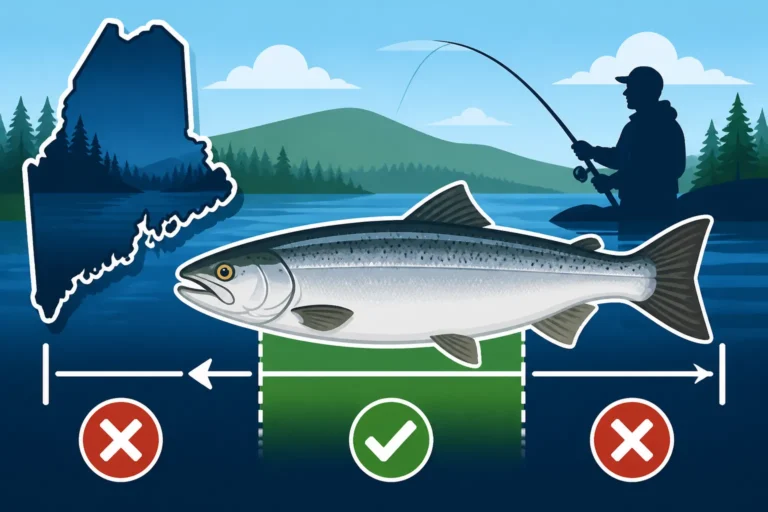
If you do hook into a smallmouth while ice fishing, treat it with extreme care. Their cold-stunned state makes them particularly vulnerable to injury and thermal shock once brought to the warm air. Minimize their time out of the water and ensure a swift, gentle release if you're not keeping them (be sure to check Smallmouth Bass Limits by Zone in Maine before deciding to keep any fish). Using barbless hooks can also aid in a quick release.
Gear and Techniques for Seasonal Success
Having the right gear and knowing the appropriate techniques for each season is paramount to consistent success when chasing Maine's smallmouth bass. From rod selection to lure choice, adapting your approach to the fish's behavior will put more bronze-backs in your boat or on the ice.
Spring Tackle and Lures
In spring, particularly during the pre-spawn, smallmouth are often aggressive, making power fishing techniques highly effective.
- Rods: Medium-heavy to heavy casting rods (6'6" to 7'6") with fast actions are ideal for throwing spinnerbaits, jerkbaits, and crankbaits. For tubes and jigs, a sensitive medium-heavy spinning or casting rod is excellent.
- Reels: High-speed baitcasting reels (7.1:1 or higher) are great for quickly retrieving reaction baits, while medium-speed (6.4:1) reels are good all-around options. Spinning reels in the 2500-3000 size range are perfect for lighter presentations.
- Line: 10-15 lb fluorocarbon or braided line with a fluorocarbon leader is a versatile choice.
- Lures:
- Spinnerbaits: 3/8 to 1/2 oz in white, chartreuse, or natural baitfish colors.
- Jerkbaits: Suspending models in natural patterns, twitched aggressively.
- Lipless Crankbaits: Ripped through grass or over shallow flats.
- Tubes and Jigs: Green pumpkin, watermelon, or black/blue for bottom bouncing. I find a huge variety of these on Amazon.
Summer Baits and Presentation
Summer smallmouth, especially during the heat of the day, often require more finesse or targeted deep-water approaches.
- Rods: Medium-light to medium power spinning rods (6'6" to 7'0") for drop shots and finesse, medium-heavy casting rods for deep crankbaits and topwater.
- Reels: Spinning reels (2500-3000) for finesse, high-speed baitcasting for topwater and deep cranking.
- Line: 6-10 lb fluorocarbon for finesse, 10-15 lb fluorocarbon or braid for topwater/cranking.
- Lures:
- Drop Shots: Small worms, minnow imitations, or creature baits fished vertically over deep structure.
- Deep-Diving Crankbaits: Chosen to reach the desired depth, often in natural or metallic baitfish colors.
- Topwater Baits: Poppers, walking baits, and prop baits for low light conditions.
- Tube Jigs/Creature Baits: For working heavy cover or deep rock piles. Look for versatile kits on Amazon that include a range of sizes and colors.
Fall Tackle Considerations
Fall smallmouth are once again aggressive and feeding heavily, making it a fantastic time to cover water and fish efficiently.
- Rods: Medium-heavy casting rods (6'6" to 7'6") are versatile for most fall techniques. A medium-action spinning rod can also be useful for lighter jigs or small swimbaits.
- Reels: High-speed baitcasting reels for fast retrieves, or a reliable spinning reel for general use.
- Line: 10-15 lb fluorocarbon is a great choice for sensitivity and strength, or braid with a fluoro leader.
- Lures:
- Jerkbaits: Similar to spring, but often larger profiles to imitate bigger baitfish.
- Crankbaits: Medium to deep divers, depending on the depth the baitfish are holding.
- Swimbaits: Paddle-tail or soft plastic swimbaits rigged on jig heads, mimicking larger forage.
- Blade Baits/Heavy Jigs: For targeting deep, schooling smallmouth that are focused on baitfish.
- Spinnerbaits: Again, great for covering water and targeting active fish. Best Lures for Smallmouth Bass in Maine can offer more specific recommendations.
Remember, regardless of the season, safety is paramount. Always wear a life jacket, especially in cold water, and be aware of changing weather conditions. Maine's smallmouth bass fishing offers incredible opportunities year-round for those willing to adapt and learn the nuances of each season.
| Season | Water Temp Range (F) | Key Behavior | Prime Locations | Recommended Lures |
|---|---|---|---|---|
| Spring | 45-68° | Pre-spawn feeding, spawning, post-spawn recovery | Rocky points, gravel flats, shallow bays | Jerkbaits, spinnerbaits, tubes, jigs |
| Summer | 65-80°+ | Deep water retreat, low light feeding | Deep humps, offshore structure, rocky shorelines (low light) | Drop shots, deep crankbaits, topwater, creature baits |
| Fall | 50-65° | Aggressive schooling and feeding | Main lake points, deep flats, baitfish concentrations | Jerkbaits, crankbaits, swimbaits, blade baits |
| Winter | Below 45° | Lethargic, deep water dormancy | Deep basins, large submerged structure | Very slow jigs, blade baits (incidental) |
Disclaimer
This article is for general informational purposes only and does not constitute professional advice. Laws, prices and regulations vary by location and change over time. Consult a qualified professional for guidance on your specific situation.