Notable Striped Bass Catches Along the Maine Coast
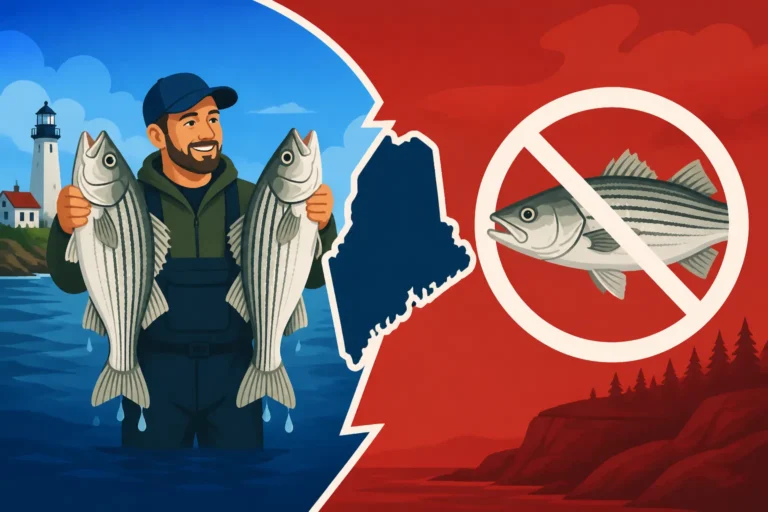
The dream of hooking into a truly impressive striped bass along the rugged Maine coast is one that fuels countless fishing trips, often leading to moments of both intense challenge and incredible reward. While Maine might not be the first place that comes to mind for world-record stripers, it certainly holds its own for anglers seeking that memorable, "notable" catch—the kind that makes your arms ache and your heart pound. This guide will delve into what makes a striper catch truly notable in our waters, where these magnificent fish are often found, and the thrill that comes with landing one of Maine's prized striped bass.
Defining a "Notable" Striped Bass in Maine
When we talk about a "notable" striped bass in Maine, we're often talking about more than just a legal keeper. It's about a fish that stands out, a real personal best, or one that pushes the upper limits of what you expect from our cooler northern waters. It’s the fish you tell stories about for years.
What Constitutes a Memorable Catch?
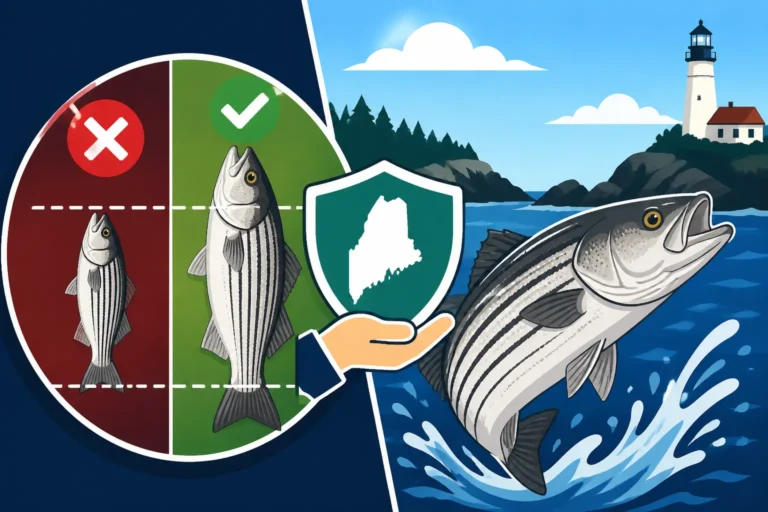
For many anglers, a notable striped bass isn't just about weight or length, though those certainly play a huge role. It's about the fight, the location, the conditions, and the sheer challenge of bringing that fish to hand. A 30-inch striper might be a great catch in a small river estuary, while on the open coast, anglers are often hoping for something closer to 40 inches or even more. The "slot limit" in Maine means that while you can keep fish within a certain size range, the truly large, mature breeding females often fall outside that slot, making them catch-and-release trophies. The excitement of battling a powerful fish that strips line from your reel, especially from shore amidst crashing waves or in a strong current, elevates a good catch to a truly notable one.
It’s often these bigger fish, the ones that have migrated long distances and survived many seasons, that offer the most incredible battles. They’re smart, strong, and know how to use the environment to their advantage. Landing one requires skill, patience, and a bit of luck. Whether it's a brute that tests your drag system to its limits or a surprisingly acrobatic fighter, these are the fish that sear themselves into your memory. Many anglers consider any striper over 35 pounds or exceeding 45 inches in length to be in the "notable" category for Maine, given the generally colder water and shorter growing season compared to southern fisheries.
Factors Beyond Size and Weight
Beyond the tape measure and the scale, a catch can become notable due to various other circumstances. Perhaps it was caught on a lure you tied yourself, or on light tackle that pushed your gear to its absolute limit. Maybe it was your first time fishing a particular challenging spot, or you were fishing with a loved one who witnessed the epic battle. The story behind the catch often adds as much to its "notability" as its physical dimensions.
Consider the challenge of fishing the strong tides and rocky structure of our coastline. A striped bass that was expertly pulled from a kelp bed or deftly steered around a lobster buoy can be more notable than a slightly larger fish caught in open water with less obstruction. The perseverance required to endure challenging weather, early mornings, or late nights, all for that one bite, can also make a fish unforgettable. The camaraderie on a Maine Fishing Charters Guide trip when a truly large fish is boated, or the quiet satisfaction of a solo angler wrestling a big one ashore, imbues the experience with deep meaning.
Prime Locations for Notable Striped Bass in Maine
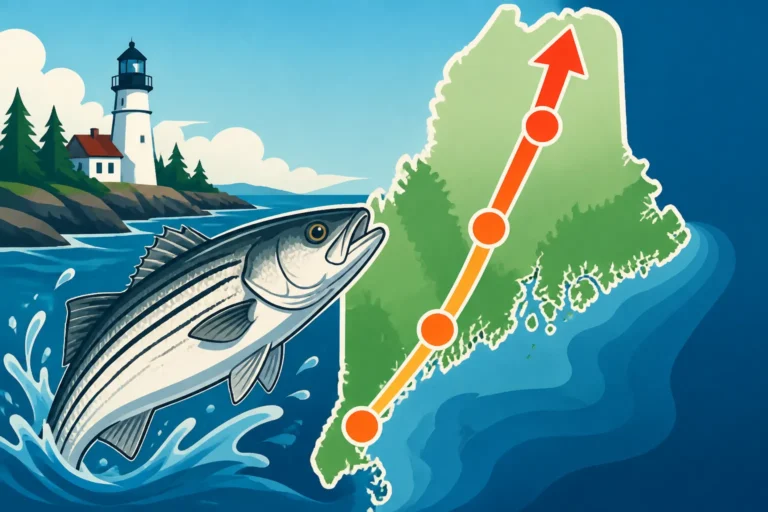
Maine's diverse coastline, from sandy beaches to rocky ledges and tidal rivers, offers a variety of habitats that attract striped bass. Knowing where to focus your efforts can significantly increase your chances of encountering a truly notable fish.
Coastal Hotspots Known for Larger Fish
Certain areas along the Maine coast are particularly renowned for holding larger striped bass. These spots often feature a combination of strong currents, abundant baitfish, and varied structure that provides ambush points for predators. Estuaries and tidal rivers that host significant alewife or mackerel runs are often prime targets, especially during the peak migration periods. Places like the Kennebec River, with its deep channels and strong flows, consistently produce impressive stripers. Anglers often target its lower sections and mouth, particularly around the time of the Maine Striped Bass Season and Limits.
Another hotspot is the Casco Bay area, which offers a mix of islands, ledges, and channels. Here, stripers will often stage in deeper water, moving onto flats and into shallower coves to feed. The confluence of currents and the presence of abundant prey like herring, mackerel, and crabs make these areas highly productive. Further downeast, while populations might be a bit more scattered, the rocky points and deep cuts can hold some truly enormous fish for those willing to explore. You might find guides specifically targeting these areas, as highlighted in Maine Striped Bass Charters.
River Mouths and Estuaries
River mouths and estuaries are quintessential striper territory, and in Maine, they are often the nurseries and feeding grounds for some of our most impressive fish. Rivers like the Kennebec, Penobscot, and Saco offer rich ecosystems where striped bass can gorge on baitfish as they move in and out with the tides. The tidal flow in these rivers can be immense, requiring heavy tackle and strategic fishing.
During the spring and early summer, as baitfish like river herring push upstream to spawn, stripers follow them in large numbers. This is a fantastic time to target a notable fish, as the bass are actively feeding. As the season progresses, they'll continue to patrol these areas, often holding in deeper holes or around submerged structure, waiting for the current to deliver their next meal. Understanding the specific Maine Striped Bass Slot Limit Explained is crucial here, as larger fish are often protected, ensuring the health of the breeding stock. Exploring different areas where rivers meet the ocean, from the surf lines to the deeper channels, can be key to finding that trophy striper.
Techniques for Targeting Trophy Striped Bass
Landing a notable striped bass isn't usually a matter of luck; it often comes down to employing specific techniques, using the right gear, and understanding the fish's behavior. It's about being prepared for the encounter.
Live Bait and Cut Bait Strategies
For many seasoned striper anglers, especially those seeking truly large fish, live bait is king. Mackerel, eels, herring, or pogies (menhaden) are often the preferred choice. These baits, fished either free-lined in the current or weighted down, can entice strikes from the biggest, most cautious bass. Fishing live bait from a boat, slowly drifting through productive channels or along deep ledges, is a common and effective method.
From shore, anglers can also employ live lining, particularly around jetties, piers, or rocky points where baitfish congregate. Using a fish finder to locate schools of mackerel or herring can be invaluable, as big stripers are rarely far behind their food source. Cut bait, such as chunks of fresh mackerel or bunker, can also be highly effective, especially when fished on the bottom in strong currents or around structure where stripers are known to ambush prey. You can find specialized hooks and weights on platforms like Amazon that are designed to handle the power of these large fish and the strong currents you'll encounter.
Artificial Lures and Presentations
While live bait is incredibly effective, many anglers prefer the challenge and satisfaction of catching a notable striper on artificial lures. Large plugs, poppers, soft plastic swimbaits, and big bucktail jigs are all staples in a trophy striper angler's tackle box. Topwater plugs, in particular, offer an exhilarating experience, as a large striper blowing up on a surface lure is a sight you won't soon forget. These are particularly effective during low light conditions or when stripers are actively chasing bait near the surface.
For deeper water or when fish are holding tight to structure, heavy jigs or weighted swimbaits can be deadly. Varying your retrieve and understanding how to impart natural action to your lure is crucial. Best Lures for Striped Bass in Maine can vary by season and location, but having a selection of proven producers is essential. The key is to match the hatch – imitating the size and profile of the baitfish that are currently prevalent in the area. This is where researching local bait patterns and having a diverse selection of lures, perhaps sourced from a wide inventory like what you'd find on Amazon, can make all the difference.
Tides, Structure, and Timing
Understanding the intricate relationship between tides, coastal structure, and the feeding habits of striped bass is paramount for consistently finding and catching notable fish. Stripers are highly tide-dependent, often moving into feeding lanes or onto flats with an incoming tide, and retreating to deeper water or staging areas on the outgoing tide. The Best Tide for Striped Bass Fishing in Maine often varies by location, but moving water is almost always better than slack tide.
Structure—rock piles, ledges, submerged wrecks, jetties, and even distinct changes in bottom contour—provides ambush points and current breaks where stripers can conserve energy while waiting for prey. Learning to "read" the water, identifying rips, eddies, and current seams, is a skill that takes time to develop but is invaluable for locating active fish. Finally, timing is everything. Dawn and dusk are often prime feeding times, but overcast days or periods of turbulent weather can also trigger aggressive feeding behavior, especially for larger, more elusive fish.
Documenting and Releasing Your Notable Catch
When you do manage to land that notable striped bass, the experience is incredibly exciting. However, it's equally important to know how to properly document your catch and, more importantly, ensure its safe release, especially for the larger breeding fish.
Quick Measurement and Photography Tips
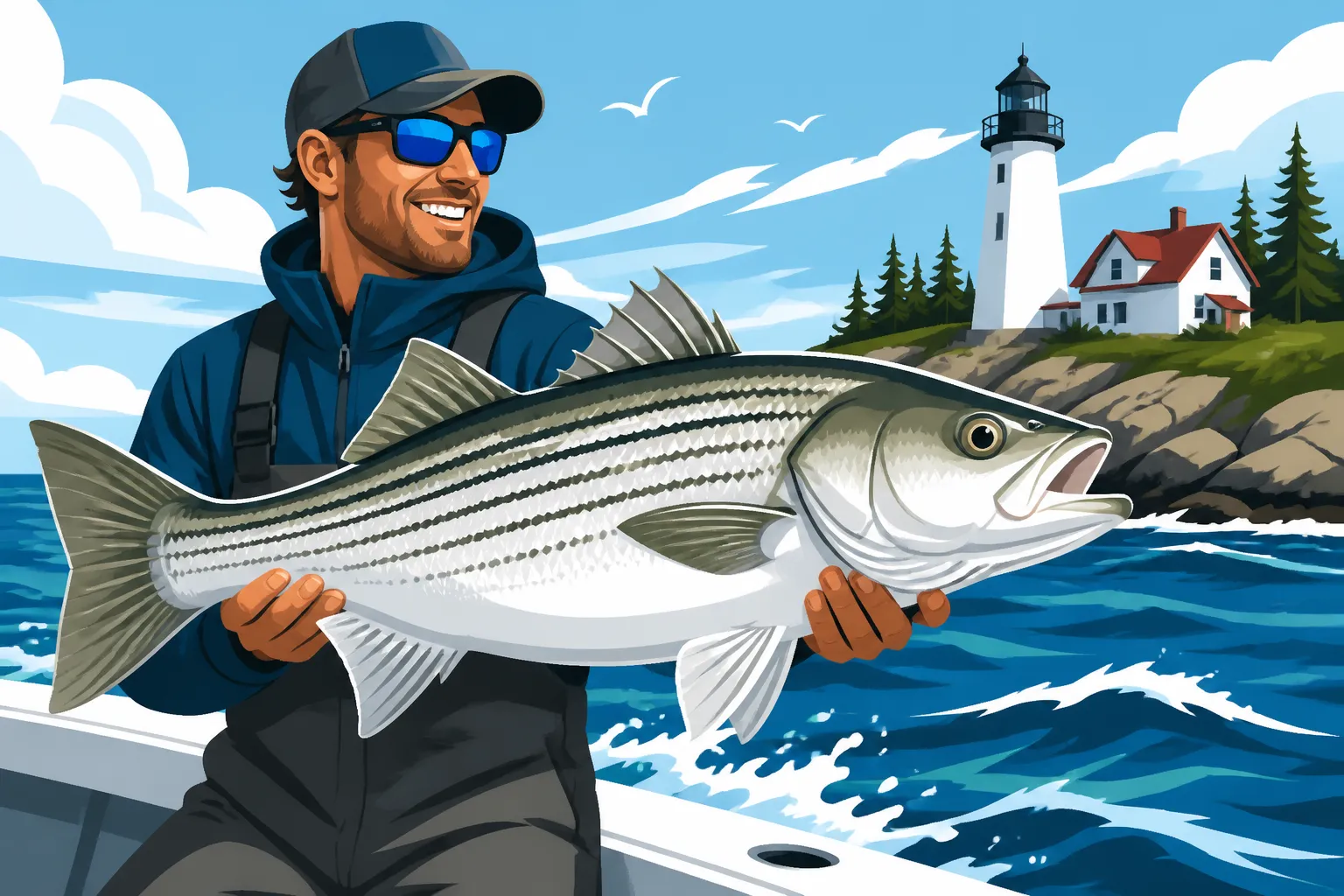
Once you've landed a notable striper, particularly one that falls outside the legal harvest slot and must be released, acting quickly and efficiently is key to the fish's survival. Have your measuring tape and camera ready before you even start fishing. Measure the fish quickly and accurately, noting its length (and girth if you're trying to estimate weight). For photography, try to keep the fish in the water as much as possible, or support its full body weight horizontally if you need to lift it for a quick shot. Avoid holding it vertically by the jaw, as this can severely damage its internal organs.
A good photo captures the fish's full length and showcases its impressive size. Use a wide-angle lens if you have one, and try to get a shot of the fish being released back into the water. These quick moments are often all you need to create a lasting memory without unduly stressing the fish. Remember, the goal is to celebrate the catch while ensuring the fish has the best possible chance to swim away and spawn again.
The Importance of Catch and Release
For these truly notable, often large, striped bass, catch and release isn't just a suggestion—it's a critical practice for conservation. These larger fish are typically mature breeding females, the very foundation of the striper population. Ensuring their safe return to the water helps sustain the fishery for future generations of anglers. Catch and Release Best Practices in Maine involve minimizing handling time, using wet hands or gloves when touching the fish, and using de-hooking tools to remove hooks quickly and cleanly. Barbless hooks can also make the unhooking process much easier and less traumatic for the fish.
When releasing, hold the fish gently in the water, supporting its belly, and allow it to revive itself. It might take a few minutes for it to regain its strength and swim off strongly. Sometimes, gently moving it back and forth to force water over its gills can help, but avoid excessive motion that might disorient it. Seeing a powerful striped bass swim away, knowing you've contributed to the health of the fishery, is often more satisfying than any meal. It's about respecting these incredible creatures and the role they play in Maine's coastal ecosystem.
| Type of Striper Catch | Typical Size (Maine) | Common Locations | Fishing Methods | Notes on "Notability" |
|---|---|---|---|---|
| Average Keeper | 28-31 inches | Bays, harbors, rivers | Lures, bait, flies | Good eating, common. |
| Personal Best | 32-38 inches | River mouths, rocky points | Lures, live bait | Often a challenging fight. |
| Notable Trophy | 39+ inches (or 30+ lbs) | Deep channels, open coast | Live bait, large plugs | Requires skill, strong tackle, often protected (catch & release). |
| "Cow" Striper | 45+ inches (or 40+ lbs) | Specific deep water haunts | Large live bait (eel, pogie) | Rare in Maine, true giants, almost always catch & release. |
Preparing for Your Own Potential Notable Catch
The pursuit of a notable striped bass along the Maine coast is an exciting endeavor that requires preparation, knowledge, and the right gear. Don't let the thought of landing a big one intimidate you; instead, let it inspire you to be ready.
Essential Gear for Big Stripers
Having the right equipment is non-negotiable when targeting larger stripers. Your rod and reel need to be robust enough to handle the immense power of a fighting fish, often in strong currents or heavy surf. A medium-heavy to heavy action spinning rod, 8 to 10 feet in length for shore fishing, or a sturdy boat rod, paired with a reliable reel capable of holding at least 200-300 yards of 30-50 pound braided line, is a good starting point. Good quality braided line offers superior casting distance and sensitivity.
Your tackle should include strong, sharp hooks (circle hooks are excellent for bait fishing and safer for the fish), heavy leaders (50-80 lb fluorocarbon is common), and a selection of appropriate lures or weights for bait fishing. Don't forget a sturdy pair of pliers for de-hooking, a fish gripper, and a reliable measuring tape. Many anglers invest in quality gear available from retailers like Amazon, ensuring their equipment can withstand the demands of serious striper fishing.
Reading the Regulations and Local Knowledge
Before heading out, always familiarize yourself with the current Maine Fishing Regulations Explained, specifically those pertaining to striped bass. These regulations, including size limits, bag limits, and season dates, are in place to protect the fishery and ensure its sustainability. Maine's Department of Inland Fisheries and Wildlife (MDIFW) website is a crucial resource for the latest information.
Beyond official regulations, tapping into local knowledge can be incredibly beneficial. Chat with bait shop owners, experienced local anglers, or consider Hiring a Maine Fishing Guide for a day. Guides possess invaluable insight into current patterns, productive spots, and effective techniques, greatly increasing your chances of success. They can share tips on everything from optimal Maine Striped Bass Fishing Techniques to specific areas like Casco Bay Striped Bass Fishing in Maine. Every bit of information helps build your understanding and preparedness.
Patience and Persistence Pay Off
Finally, and perhaps most importantly, pursuing a notable striped bass requires a healthy dose of patience and persistence. These are wild animals, and there are no guarantees. You might spend many hours, or even many trips, without a single bite from a big fish. The weather might not cooperate, the tides might be off, or the fish simply aren't in a feeding mood.
However, it's precisely this challenge that makes the eventual reward so sweet. Keep learning, keep experimenting, and keep exploring. Every cast, every retrieve, every drift teaches you something new about the water, the fish, and your own abilities. When that drag finally screams and you feel the immense power of a truly notable Maine striped bass on the end of your line, all those hours of dedication will instantly feel worth it. It's a journey, not just a destination, and the stories you gather along the way are just as valuable as the fish itself.
Disclaimer
This article is for general informational purposes only and does not constitute professional advice. Laws, prices and regulations vary by location and change over time. Consult a qualified professional for guidance on your specific situation.