Best Bait for Brook Trout
Standing by a pristine Maine brook trout stream, watching those elusive red-spotted beauties dart through the clear water, can be both exhilarating and utterly frustrating. We’ve all been there, casting out what we think is the perfect offering, only to have it ignored time and time again. It makes you wonder: what is the best bait for brook trout, anyway? This guide is going to take a deep dive into cracking that code, exploring both natural and artificial options, and giving you the insights you need to make your next brook trout adventure a success. We’ll talk about what brookies prefer and, crucially, how to present your bait to tempt even the most cautious fish.
Understanding the Maine Brook Trout's Palate
Before we even get to specific baits, it's really important to get inside the head of a brook trout, or at least understand their natural environment and feeding habits. These aren't your typical pond dwellers; Maine brookies have a discerning taste.
Why Brook Trout Are So Picky
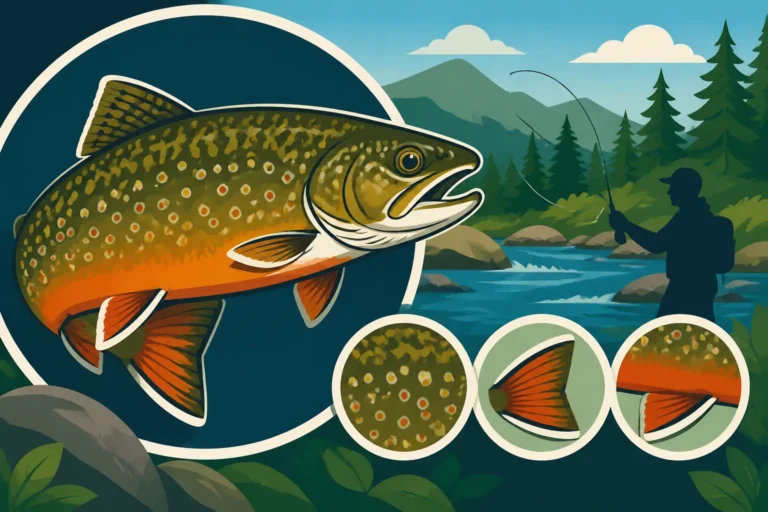
Wild brook trout thrive in truly special places: cold, clean, highly oxygenated waters, often found in pristine streams, remote ponds, and the upper reaches of rivers. Their habitats are typically teeming with natural food sources – a smorgasbord of aquatic insects in various life stages, tiny crustaceans, small baitfish, and even terrestrial insects that accidentally fall into the water. Because their water is often so clear, they have excellent vision and can be incredibly wary. They're not just looking for something edible; they're looking for something that looks, acts, and often smells exactly like what they naturally encounter every single day.
This pickiness isn't about being snobby; it's about survival. In a healthy ecosystem, they have plenty of options, so they can afford to be choosy. If your bait doesn't quite fit the bill, it's often passed over. This is why the "match the hatch" concept, so vital to fly anglers, extends to all forms of brook trout fishing. You're trying to replicate what they're already eating, or at least something very similar that they find irresistible.
Their diet also changes with the seasons. In spring, emerging insects are a huge draw. Summer sees more terrestrial insects and a shift to deeper, cooler water where they might target small baitfish. Come fall, as they prepare for winter and spawning, they often become more aggressive, looking for a heartier meal. Understanding these shifts is key to choosing the right bait at the right time. For more on these beautiful fish, check out our Brook Trout Fishing in Maine guide.
General Characteristics of Effective Brook Trout Bait
So, what makes a bait generally effective for these finicky feeders? It boils down to a few core characteristics:
First, size absolutely matters. Brook trout, especially the wild ones found in Maine's smaller streams and ponds, aren't typically giants. They rarely need to swallow a huge meal, preferring smaller, more manageable morsels. A bait that's too large will often be ignored, or they might just nip at it without fully committing. Think small, proportionate to the average size of the brook trout in the water you're fishing.
Second, natural appearance and action are paramount. Whether it's a live worm wriggling enticingly or a tiny spinner flashing just right, your bait needs to mimic something alive and vulnerable. Exaggerated movements or unnatural colors often act as a deterrent. The clearer the water, the more critical this realism becomes. A dead, lifeless presentation rarely works unless you’re deliberately trying to mimic a stunned or injured baitfish.
Finally, scent can give natural baits a significant advantage. While artificial lures rely on sight and vibration, a real worm or minnow exudes a natural aroma that can draw in a curious brook trout, especially in slightly stained water or when the fish are less active. This scent profile is part of what makes natural baits so universally appealing and often a reliable choice when other options fail. For a deeper dive into their natural diet, read our article on What Do Brook Trout Eat in Maine Streams?.
Natural Baits: The Old Standbys That Still Catch Fish
Sometimes, the simplest approach is the most effective. Natural baits have been catching fish for centuries, and for brook trout, they remain incredibly potent. There's just something about the real deal that brookies can't resist.
Worms: The Universal Go-To
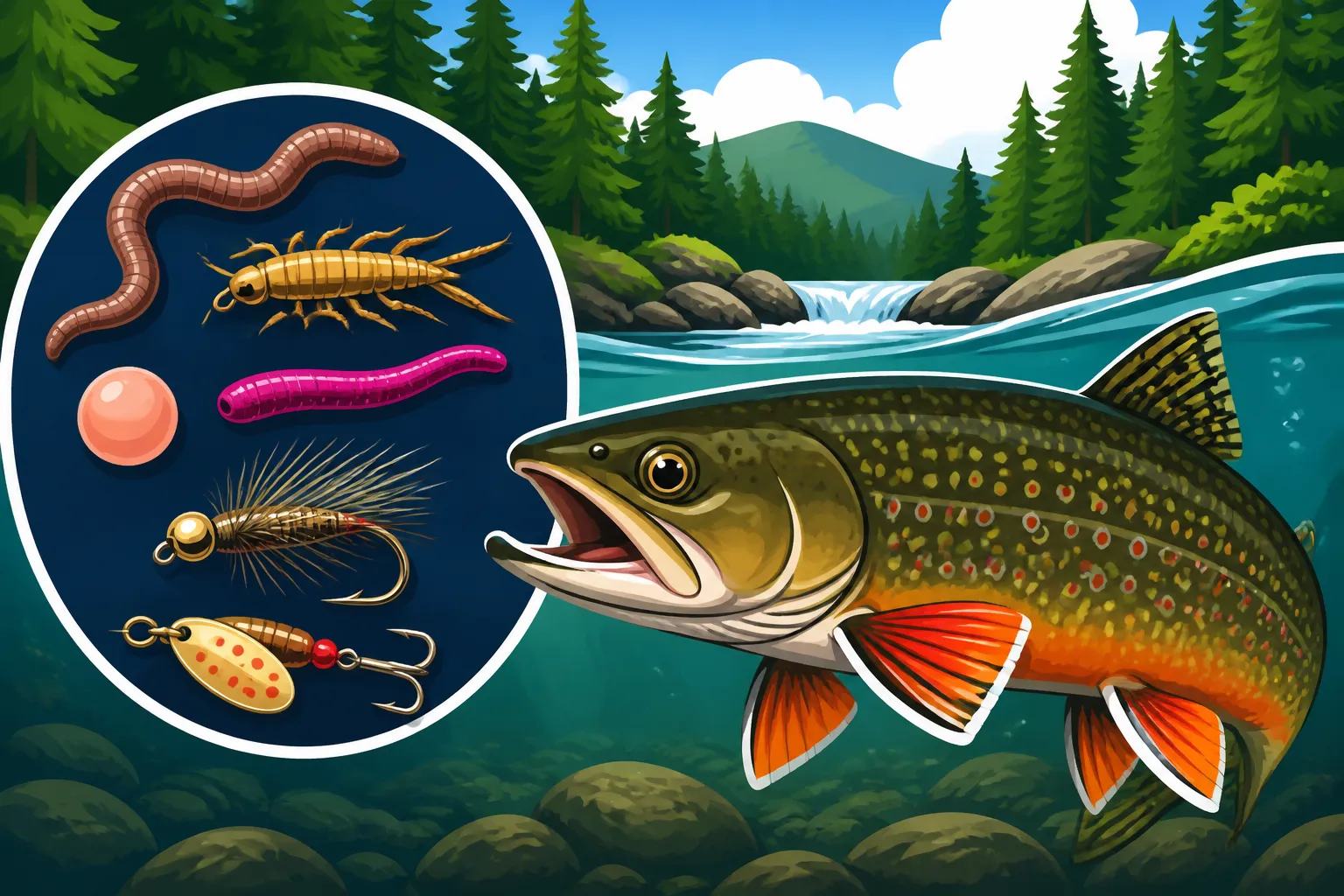
Let's be honest, who hasn't started their fishing journey with a can of worms? For brook trout, worms are an absolute classic, and for good reason. They offer a potent combination of natural movement, irresistible scent, and a generally familiar appearance. Smaller red wigglers or garden worms are often more effective than bulky nightcrawlers for the average brook trout, though a smaller piece of a nightcrawler can work. The constant wriggling action and the earthy scent they release into the water make them a beacon for hungry fish, especially after a rain when the water might be a little murky and dislodged worms are a common meal.
When rigging worms, simplicity is key. Use a small, sharp hook (size 8 or 10 is often perfect) and thread the worm on, leaving a bit of tail to wiggle. You don't want to ball it up too much, as this can make it look unnatural and harder for the trout to swallow. Using a tiny split shot a foot or two above the hook can help get the worm down in the current without impeding its natural drift. For presentation, whether you're using a small bobber to keep it just off the bottom or simply drifting it naturally downstream, aim for a presentation that looks like a worm swept away by the current. Light tackle, a sensitive rod, and a keen eye for subtle bites are your best friends here. Many local bait shops will have red wigglers, or you can find them in your garden after a good rain. For hooks and light line, you can always browse options on Amazon before your trip.
Worms truly shine in a variety of conditions, but they are particularly effective when the water might be a bit discolored from recent rain or snowmelt. The scent factor really helps fish locate the bait when visibility is reduced. They're also a reliable choice throughout the open water season, from early spring through late fall.
Minnows: A Hearty Meal for Larger Brookies
While worms are great for average-sized brookies, if you're targeting larger specimens in bigger ponds or rivers, small live minnows can be incredibly effective. These little baitfish represent a more substantial meal, something a bigger, more aggressive brook trout isn't likely to pass up. Common baitfish used include small shiners or dace, usually 1-3 inches in length. It's crucial to be aware of regulations regarding the use of live bait, as rules can vary by waterbody in Maine. Always check the Maine Fishing Regulations Explained before heading out.
When rigging minnows, the goal is to keep them lively and natural-looking. You can hook them gently through the lips, allowing them to swim freely, or just below the dorsal fin, which encourages them to swim in a more erratic, injured manner—a surefire trigger for predatory fish. A very small treble hook can also be effective to ensure a solid hookset. Present them with as little weight as possible, allowing them to cruise naturally. You can cast them out and retrieve slowly, or let them drift in a current. Sometimes, even a dead minnow, if presented properly to mimic a stunned or injured fish tumbling in the current, can be highly effective. The key is to make it look effortless and appealing.
Minnows typically work best in clearer water where their natural movement can be seen by the trout, and when water temperatures are conducive to aggressive feeding. They are a particularly good choice when brook trout are feeding on baitfish, which often happens in deeper pools or larger open water areas where they’re hunting.
Insects: Matching the Natural Food Source
Beyond worms, many other natural insects make fantastic brook trout bait. Crickets, grasshoppers, grubs, and even small caterpillars can be absolutely deadly, especially during the warmer months when these terrestrials are abundant and frequently find their way into the water. Brook trout are opportunistic feeders, and a struggling insect on the surface or drifting just below is an easy, protein-rich meal. Collecting these can be part of the fun – a quick sweep with a net through tall grass for grasshoppers, or turning over rocks and logs for grubs.
Presenting these delicate baits requires a very light touch. Use the lightest line you can get away with, and avoid any heavy terminal tackle that might spook the fish. For crickets and grasshoppers, a tiny hook (size 10-14) lightly embedded in their body, presented on the surface with a gentle drift, can be incredibly exciting, leading to explosive surface strikes. For grubs, a small split shot might be needed to get them down, mimicking a subsurface nymph or larva. The goal is always to make it look like a natural occurrence – an insect that just fell in and is now at the mercy of the current.
These insect baits are most effective during late spring, summer, and early fall when the terrestrial insect activity is at its peak. On a warm, sunny day with a gentle breeze, grasshoppers or crickets skipping on the surface can be irresistible. This technique truly excels in smaller streams and ponds where brook trout are constantly on the lookout for such easy meals.
Artificial Lures: Modern Tools for Targeted Success
While natural baits are undeniable, modern artificial lures offer a different kind of advantage: they're durable, reusable, and allow you to cover more water efficiently. The key is choosing the right lure and knowing how to work it to entice a strike.
Spinners and Spoons: Flash and Vibration
For many anglers, small inline spinners and tiny casting spoons are synonymous with brook trout fishing, and for good reason. Lures like the classic Mepps Aglia, Panther Martin, and Rooster Tail spinners, or diminutive Kastmaster and Little Cleo spoons, are incredibly effective. Their appeal lies in their ability to create flash and vibration in the water, mimicking a small, fleeing baitfish or a struggling insect. This visual and sensory stimulus can trigger an aggressive reaction strike from brook trout, even if they're not actively feeding.
When using spinners, cast them across or slightly upstream and retrieve them just fast enough to get the blade spinning. The subtle wobble and flash are what you're after. For spoons, a straight retrieve with occasional twitches or pauses can imitate a wounded minnow. Ultra-light spinning gear is ideal for these tiny lures, allowing for longer, more accurate casts and better feel for subtle bites. Many anglers swear by a short, sensitive rod for maximum enjoyment and detection. You'll want to select a size appropriate for brook trout, typically 1/32 to 1/8 ounce.
Color selection can make a difference. Silver and gold are perennial favorites, mimicking natural baitfish scales. Brass can be good in low light or stained water. Sometimes, a touch of bright color like orange, chartreuse, or red on the blade or dressing can provide that extra spark to draw a strike. For a fantastic selection of small spinners and spoons, including multi-packs, Amazon offers a wide variety that can get you started for your next trip. Always remember that presentation is key with these; make it look alive and irresistible. You can explore more options in our Best Lures for Maine Open Water Fishing guide.
Jigs: Subtle Appeal for Fussy Fish
When brook trout are particularly finicky, or holding deep in pools, small jigs can be a secret weapon. Their subtle, lifelike action can be just what's needed to trigger a strike without overpowering the fish. Think tiny marabou jigs, small tube jigs, or micro soft plastic grubs rigged on a delicate jig head. These lures are designed to imitate aquatic insects, larvae, or very small baitfish, and their versatility is a huge asset.
Fishing jigs for brook trout requires a good deal of finesse. You're generally not ripping them through the water. Instead, focus on a slow, controlled presentation. Cast upstream and let the jig drift naturally, imparting very subtle twitches with your rod tip to make it pulse or "swim." This mimics a struggling insect or a natural piece of forage tumbling in the current. In deeper pools, you might vertically jig them with very slight lifts and drops. The goal is to make it look effortless and edible. A popular technique is to tip a small jig with a tiny piece of worm or a mealworm for added scent and appeal.
Weight and color are important considerations. You want the lightest jig possible that still allows you to reach your desired depth and maintain contact with the lure. For shallow streams, a 1/80 or 1/64 ounce jig might be perfect. As for colors, natural tones like black, olive, brown, and white are often the most effective, especially in clear water where realism is paramount.
Flies: The Art and Science of Imitation
For many, fly fishing is the ultimate way to pursue brook trout. It truly embodies the "match the hatch" principle, offering the most precise imitation of their natural food sources. The range of flies available – from delicate dry flies that float on the surface, to weighted nymphs that imitate subsurface insects, to streamers that mimic baitfish – provides an unparalleled ability to adapt to what the trout are feeding on. This isn't just fishing; it's an art form that deeply connects you to the natural environment.
When it comes to key fly patterns, there's a huge world to explore. For dry flies, patterns like the Elk Hair Caddis, Adams, Parachute Adams, and Stimulator are perennial favorites, imitating a wide range of adult insects on the surface. For subsurface feeding, nymphs like the Prince Nymph, Pheasant Tail Nymph, and Hare's Ear Nymph are incredibly effective, mimicking larval insect stages. If the brook trout are keying in on baitfish, small streamers such as the Woolly Bugger (in black, olive, or white) or a Grey Ghost can be deadly.
Ultimately, with fly fishing, presentation is everything. A perfectly tied fly poorly presented is far less effective than a simple fly presented with a natural drift. Learning to cast, mend your line, and understand how currents affect your drift are critical skills. If you're new to the world of fly fishing for brook trout, our Fly Selection for Brook Trout guide can help you get started, and consider hiring a professional from one of Maine's reputable Maine Fly Fishing Guides to accelerate your learning. For materials to tie your own, or to pick up some starter assortments, Amazon can be a good place to begin building your fly box.
Presentation, Location, and Timing: Beyond Just the Bait
Having the "best" bait is only half the battle. How you present it, where you cast it, and when you fish can often make a far bigger difference than the specific lure or worm on your hook.
Reading the Water: Where Brookies Hide
Brook trout are creatures of habit and prefer specific types of habitats. Knowing where to cast your bait is paramount. Look for areas that offer them three things: food, cover, and cold, oxygenated water. This often means focusing on structures like fallen logs, large rocks, undercut banks, and overhanging vegetation that provide shade and hiding spots. These areas act as ambush points where they can dart out to grab a passing meal.
Current breaks are also prime real estate. Look for eddies behind rocks, seams where fast water meets slow water, or the calmer water on the inside bend of a stream. Brook trout will often hold in these less strenuous areas, waiting for the current to deliver food to them. In ponds, focus on drop-offs, submerged humps, and areas with aquatic vegetation, especially near springs or feeder streams where colder water enters.
While brook trout generally prefer shallower water, especially in streams, they will retreat to deeper pools during bright daylight or when water temperatures rise. Always be mindful of the depth relative to the conditions. Understanding Reading Water Temperature for Maine Trout is a crucial skill, as these fish are highly sensitive to warmth. They crave that clear, cold water.
Stealth and Approach: Don't Spook the Fish
Brook trout, especially in the clear waters they inhabit, are incredibly wary. A heavy footstep on the bank, a sudden movement, or a shadow cast over the water can send them scattering for cover. Many anglers, myself included, have learned this the hard way by stomping right up to the bank only to see a flash of red and white dart away.
Your approach needs to be as subtle as possible. Move slowly and quietly along the bank. If you can, stay low, even kneeling, to keep a low profile. Long leaders and light line are not just for presentation; they also help reduce visibility to the fish. Avoid bright clothing that might stand out against the natural backdrop. When casting, try to cast upstream and let your bait drift down naturally, minimizing the splash. If you’re fishing a smaller stream, it’s often best to start at the downstream end and work your way up, as trout typically face upstream and you’ll be approaching them from behind.
Best Practices for Success
Even with the right bait and a stealthy approach, success often comes down to experimentation and persistence. Don't be afraid to try different things if your initial approach isn't working.
- Vary Your Retrieve: If you're using an artificial lure, try different speeds, add pauses, or incorporate twitches. Sometimes a subtle change is all it takes to trigger a strike.
- Change Baits: If one bait isn't producing, switch to another. Have a variety on hand – worms, a few spinners, and some jigs or flies.
- Adjust Depth: If you're not getting bites, try fishing higher or lower in the water column. Brook trout might be closer to the surface on overcast days, or hugging the bottom in bright sun.
- Time of Day and Season: Early morning and late evening are often prime times for brook trout, especially during warmer months. Overcast days can also be productive. Understanding the Best Time of Year to Fish in Maine and the Best Time of Day to Fish in Maine will significantly boost your success.
- Practice Catch and Release: Many of Maine's wild brook trout populations are precious. Learning and practicing Catch and Release Best Practices in Maine ensures these beautiful fish can continue to thrive for future generations. Always handle fish gently, minimize their time out of water, and release them carefully.
Here’s a quick overview of bait choices and their typical applications:
| Bait Type | Pros | Cons | Ideal Conditions | Presentation Tips |
|---|---|---|---|---|
| Live Worms | High scent, natural movement, universally appealing | Can attract smaller fish, messier to handle, limited range | All seasons, post-rain, slightly murky water | Light hook, natural drift, small split shot. |
| Live Minnows | Attracts larger trout, very lifelike | Live bait regulations, harder to keep alive, larger bait | Clearer water, targeting trophy fish | Hook through lip or dorsal, slow retrieve or drift. |
| Natural Insects | Highly specific, realistic "match" | Seasonal, can be delicate, harder to collect | Summer/fall, clear water, surface activity | Light line, delicate surface float or subsurface drift. |
| Small Spinners | Flash, vibration, covers water quickly | Less natural scent, can be ignored in clear water | Riffles, runs, active fish, varied light | Cast upstream, retrieve just to make blade spin, vary speed. |
| Small Spoons | Flash, wobble, good for casting distance | Less natural scent, can be ignored by lethargic fish | Riffles, deeper pools, active fish | Erratic retrieve with pauses and twitches. |
| Micro Jigs | Subtle action, versatile, can be scented | Requires finesse, less visual appeal | Deeper pools, slower currents, clear water | Subtle twitches, slow drift, tip with bait for scent. |
| Flies (Dry) | Highly realistic, exciting surface strikes | Requires fly rod skill, specific "match" | Surface activity, clear water, calm conditions | Delicate cast, natural drift, minimal drag. |
| Flies (Nymphs) | Highly realistic, effective subsurface | Requires fly rod skill, deeper presentation | Subsurface feeding, faster currents, varied depth | Dead drift, indicator, subtle mends. |
| Flies (Streamers) | Mimics baitfish, targets aggressive fish | Requires fly rod skill, less subtle | Larger pools, targeting bigger fish, moving water | Strip retrieve, erratic movements. |
Ultimately, the "best bait for brook trout" isn't a single answer, but rather a combination of understanding the fish, their environment, and being willing to adapt. Carry a variety of options, observe the conditions, and most importantly, enjoy the peace and beauty of fishing in Maine.
Disclaimer
This article is for general informational purposes only and does not constitute professional advice. Laws, prices and regulations vary by location and change over time. Consult a qualified professional for guidance on your specific situation.