Fly Fishing Spots on the Androscoggin River
Trying to find the perfect fly fishing spot on a river as vast and varied as the Androscoggin can feel like searching for a needle in a haystack, especially if you're not intimately familiar with its diverse stretches. Many anglers struggle to pinpoint where the best trout lie, where to find aggressive smallmouth bass, or how to navigate the ever-changing currents. This comprehensive guide aims to demystify the Androscoggin, leading you to its most productive fly fishing locations and equipping you with the knowledge to make your next outing a memorable one.
Understanding the Androscoggin River's Fly Fishing Appeal
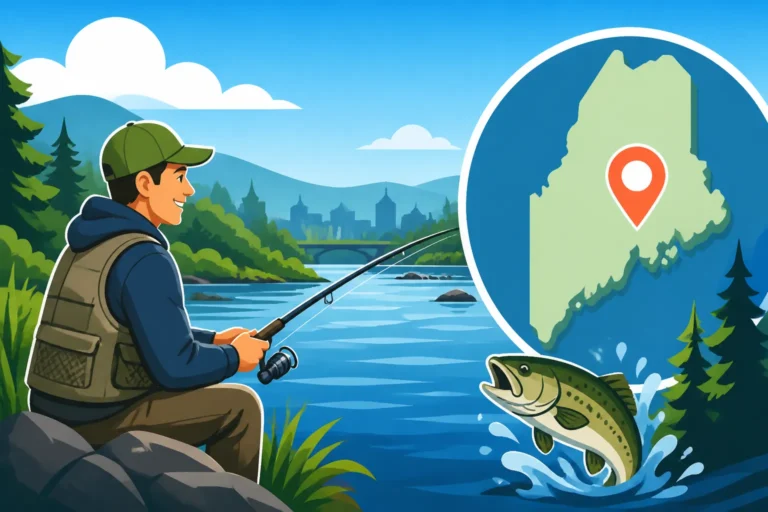
The Androscoggin River, a major waterway flowing from northern New Hampshire through western Maine before emptying into Merrymeeting Bay, has a fascinating history. For decades, it was synonymous with industrial pollution, a river that many turned their backs on. However, thanks to tireless environmental efforts and significant investments in clean-up, the "Maggie" has undergone a remarkable transformation. Today, it stands as a testament to what dedicated conservation can achieve, offering fantastic fishing opportunities that draw anglers from near and far. This isn't just a comeback story; it's a testament to the river's inherent resilience and productivity.
The River's Diverse Ecosystem and Fish Species
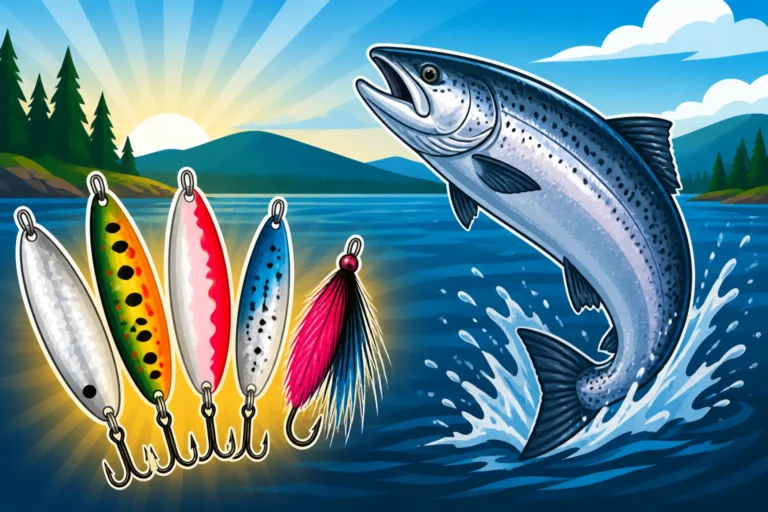
One of the Androscoggin's greatest strengths for fly anglers is its incredible ecological diversity. As it journeys from its headwaters in the mountains to the tidal influence closer to the coast, the river transitions through various habitats, each supporting a different array of fish species. In the colder, upper reaches, especially near the New Hampshire border, you'll find classic trout and salmon water. Here, the river boasts healthy populations of wild brook trout and robust brown trout, alongside opportunities for landlocked salmon, particularly in sections below dams or where tributaries provide cooler flows.
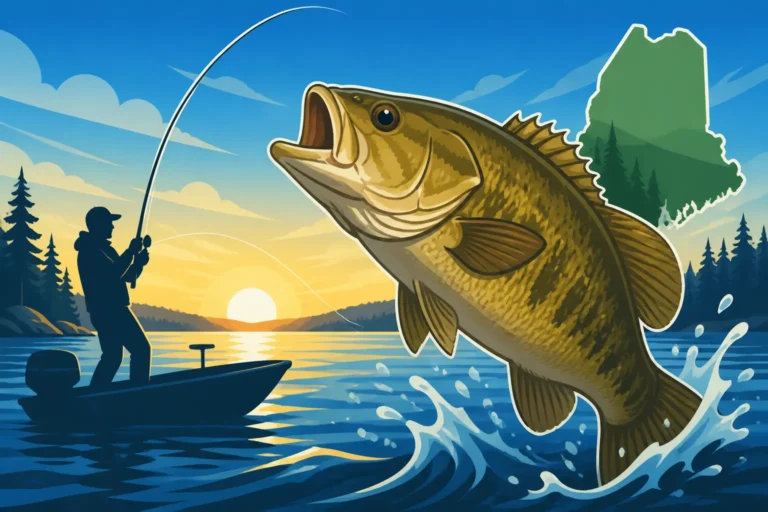
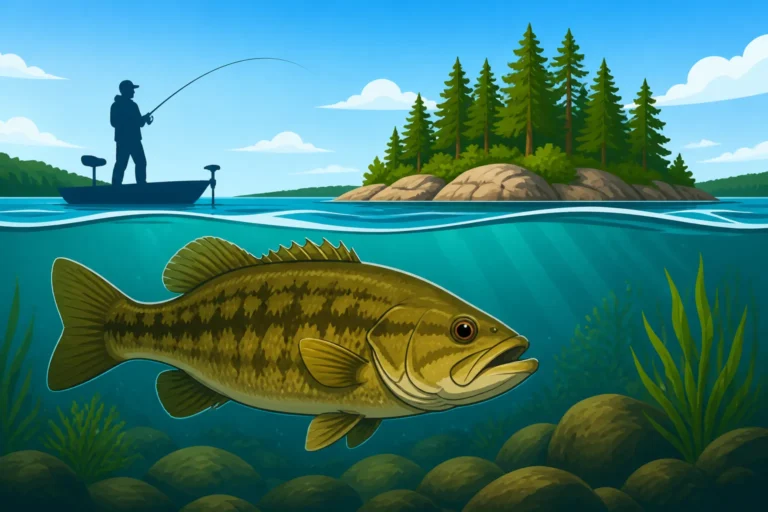
Further downstream, as the river widens and the water temperature gradually increases, smallmouth bass become the dominant game fish. These hard-fighting fish thrive in the middle and lower sections, offering exhilarating topwater action on warm summer days. The river's structure, from rocky riffles and deep pools to undercut banks and submerged logs, provides ample cover and feeding lies for all these species. Understanding these transitions is key to successful fly fishing on the Androscoggin; you won't approach the upper trout waters with the same strategy you would the bass-heavy middle sections.
Why the Androscoggin Stands Out for Fly Anglers
For fly anglers, the Androscoggin offers a blend of accessibility and wildness that is increasingly rare. Unlike some of Maine's more remote trout streams that require extensive hikes or float plane access, many prime sections of the Androscoggin are easily reached by road. This means less logistical headache and more time on the water. However, don't let the accessibility fool you; once you're casting your line, especially in the upper reaches, you can quickly feel enveloped by the natural beauty of the Maine woods, far removed from the hustle and bustle.
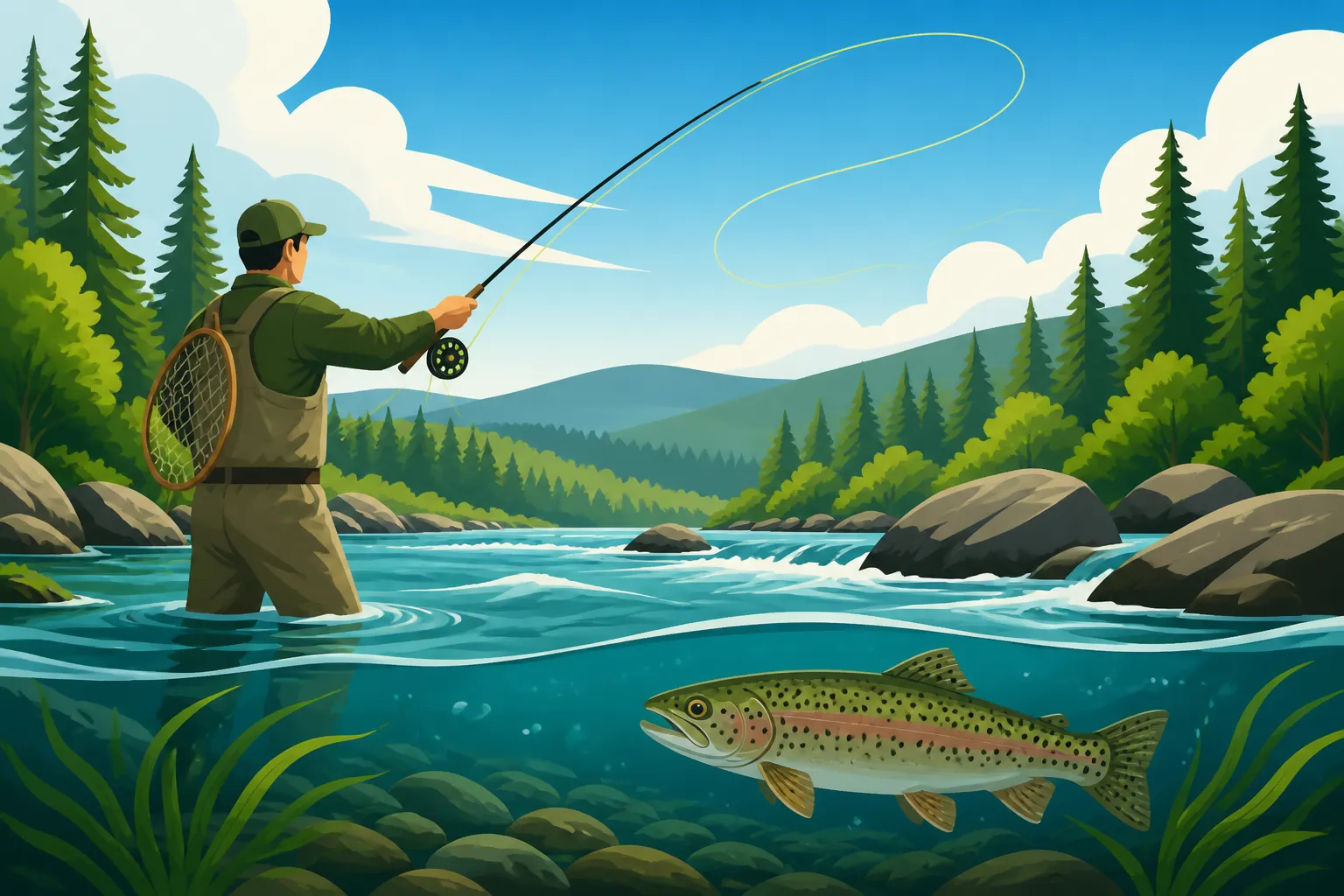
The river's size and varied flow rates also make it suitable for both wade fishing and drift boat excursions. Many anglers enjoy the intimate experience of wading wet in its riffles and runs, carefully stalking trout in clear waters. For covering more ground or accessing deeper pools and less-fished banks, a drift boat or raft is an excellent option, allowing you to explore miles of productive water in a single day. This versatility ensures that whether you prefer a solitary wade or a guided float trip, the Androscoggin can cater to your preferred style of fly fishing. If you're looking to explore different sections with expert guidance, platforms like FishingBooker can connect you with experienced local guides who know the river inside and out.
Prime Fly Fishing Zones on the Upper Androscoggin
The upper reaches of the Androscoggin River are where many fly anglers' hearts truly lie, particularly those chasing coldwater species like trout and salmon. This section, characterized by its relatively cooler temperatures, faster flows, and varied structure, offers some fantastic opportunities for classic fly fishing. Knowing where to access these stretches and what to expect from them is crucial for a productive day.
The Errol, NH to Gilead, ME Section Headwaters
As the Androscoggin flows out of Lake Umbagog on the New Hampshire side and crosses into Maine near Errol, it maintains its pristine, coldwater characteristics. This initial section, extending down towards Gilead, Maine, is often considered the river's true headwaters for serious trout and salmon fishing. The water here is typically well-oxygenated and clean, carving a path through a mix of forested banks and occasional open meadows. Anglers can expect to find a healthy population of wild brook trout, known for their vibrant colors and aggressive takes, especially in tributary mouths and faster riffles. Brown trout, often larger and more elusive, also inhabit these waters, frequently holding in deeper pools and under cut banks.
Access to this area is primarily along Route 2, which parallels the river for much of this stretch. Look for numerous small pullovers and public access points that allow for wade fishing. The area around Pontook Dam, while technically in New Hampshire, influences the flow and fish migration in the immediate downstream Maine waters and is a notable reference point. When fishing here, concentrate on classic trout lies: current seams, eddies behind boulders, and the transition zones between fast and slow water. Dry flies can be highly effective during hatches, while nymphs and small streamers will produce throughout the day, especially when fish are holding deeper. This particular area shares a lot with the wilder stretches of New Hampshire, making it feel quite remote despite good road access.
Gilead to Bethel Section
Moving downstream from Gilead, the Androscoggin continues to offer excellent fly fishing, though with subtle changes in its character. This section, leading into and through the charming town of Bethel, still maintains good coldwater conditions, especially in spring and fall, but it begins to show signs of broadening, with some slower, deeper pools interspersed with lively riffles. While brook trout are still present, this stretch becomes particularly good for targeting brown trout and even some landlocked salmon, which may ascend from downstream or be stocked in certain areas.
Access in this zone is also quite good, with numerous public access points in and around Bethel. The town itself has several spots where you can get to the river, including parks and boat launches that are suitable for smaller craft or for gaining entry for wade fishing. Pay close attention to water levels, which can fluctuate depending on rainfall and upstream dam releases; these changes can significantly impact fish behavior and wading safety. When targeting salmon and larger brown trout here, don't be afraid to use slightly larger streamers or wet flies fished with a bit of a swing. During the warmer months, smallmouth bass will also begin to make an appearance, particularly in the slower, rockier sections, offering an exciting change of pace if the trout bite slows.
Exploring the Middle Androscoggin for Fly Fishing
As the Androscoggin River continues its journey southeast through Maine, its character subtly shifts. The water generally becomes warmer, and the river broadens, leading to a transition in the dominant fish species. While pockets of coldwater fish can still be found, especially near springs or tributary confluences, the middle sections of the Androscoggin are increasingly defined by their excellent warm water fishing, particularly for smallmouth bass.
Bethel to Rumford Section
The stretch of the Androscoggin from Bethel down to Rumford represents a significant transition zone. While you can still encounter respectable populations of brook trout and brown trout in the cooler, faster sections and deeper pools, especially in the spring and fall, this area truly shines for smallmouth bass. The river here begins to exhibit more varied topography, with wider channels, numerous rocky outcroppings, and slower, deeper runs that create ideal habitat for bass. Look for areas with a mix of current and structure, such as submerged boulders, gravel bars, and eddy lines, which provide ambush points for opportunistic bass.
Public access along this section is available at various bridges, town parks, and designated boat launches, making it easy to put in a drift boat or find spots for shore fishing and wading. When fly fishing for smallmouth bass here, topwater poppers and Gurglers can provide explosive strikes, especially during low light conditions or on cloudy days. Clouser Minnows, Woolly Buggers, and other baitfish imitations fished on a sinking-tip line are also highly effective for probing deeper water or faster currents. Don't overlook the potential for trout in this section; they tend to hold in the deepest, coolest pockets, often near incoming cold-water tributaries. Understanding the river's Maine North Zone vs South Zone Fishing Rules can also provide insights into species limits and seasonal considerations that apply to different parts of the Androscoggin.
Rumford to Lewiston/Auburn Section
Further downstream, from Rumford through the more urbanized areas of Lewiston and Auburn, the Androscoggin becomes a predominantly warm water fishery. While the historical industrial legacy once made these sections less appealing, considerable clean-up efforts have allowed smallmouth bass populations to truly flourish. This part of the river offers excellent opportunities for those who enjoy targeting aggressive, hard-fighting bass on the fly. Coldwater fish are scarce here, generally limited to the very coldest parts of winter or specific, isolated deep pockets, making it primarily a bass angler's paradise.
Access in these more populated areas is typically through municipal parks, public boat launches, and designated fishing access points. For instance, in the Lewiston/Auburn area, various city parks offer riverfront access. Drifting these sections in a canoe or kayak is a popular and effective way to cover water and present flies to bass holding near structure. Target rocky shorelines, bridge pilings, and any submerged timber. Large streamers in white, chartreuse, or black, along with various popper patterns, are the go-to flies. The sheer number of smallmouth bass in this section, often eager to strike, makes for an exciting and action-packed fly fishing experience. If you're planning a trip and need a local expert to navigate these varied waters, consider checking out available guides on platforms like FishingBooker, which can offer insights into the best seasonal spots and techniques.
Essential Gear and Tactics for Androscoggin Fly Fishing
Successful fly fishing on the Androscoggin River hinges not just on finding the right spot, but also on being equipped with the right gear and knowing how to present your flies effectively. Given the river's diverse environments and target species, a versatile approach is often best.
Rods, Reels, and Line Selection
For the upper reaches of the Androscoggin, where you'll primarily be targeting brook trout and brown trout, a lighter setup is ideal. A 4-weight or 5-weight fly rod, typically 8.5 to 9 feet in length, offers the sensitivity needed for delicate presentations and the backbone to handle these spirited fish. Pair this with a matching reel that has a smooth drag system and a floating weight-forward fly line. For chasing landlocked salmon or larger brown trout, bumping up to a 6-weight can provide a bit more power.
As you move into the middle and lower sections, where smallmouth bass become the primary target, a heavier setup is recommended. A 6-weight or 7-weight fly rod, again 9 feet in length, will allow you to cast larger, wind-resistant flies like poppers and streamers, and handle the aggressive fights of smallmouth. A weight-forward floating line is still a good all-around choice, but consider having a sinking-tip line or even an intermediate sinking line for fishing deeper pools or fast currents with streamers. A reliable reel with a strong drag is crucial for preventing these hard-fighting bass from taking too much line too quickly.
Go-To Flies and Presentation
The "what to throw" question on the Androscoggin depends heavily on the section you're fishing and the time of year. For the upper trout and salmon waters, matching the hatch is often key. Common dry fly patterns include various Caddis imitations (Elk Hair Caddis), Mayfly patterns (Parachute Adams, Hendrickson, Sulphur), and Stonefly patterns. Terrestrial patterns like grasshoppers and ants can be deadly in summer. Nymphs such as Hare's Ear, Pheasant Tail, and Prince Nymphs are consistent producers when fished beneath an indicator or on a high-stick nymphing rig. Small streamers like Woolly Buggers (black, olive, brown) are excellent for enticing aggressive trout and salmon holding in deeper water or seeking a larger meal.
For smallmouth bass in the middle and lower river, the game changes. Topwater poppers (frog patterns, deer hair poppers) and sliders are incredibly exciting, eliciting explosive strikes. Streamers become your primary subsurface weapon: Clouser Minnows, Deceivers, and larger Woolly Buggers in colors like white, chartreuse, black, or perch imitations are very effective. For presentation, dead drifting dry flies and nymphs in trout waters is paramount, focusing on natural, drag-free floats. For bass, stripping streamers with varying retrieve speeds, or popping topwater flies aggressively, often triggers a strike. Don't be afraid to experiment; fish behavior can change rapidly. For more in-depth knowledge on specific flies, check out resources like Best Flies for Brook Trout in Maine Streams or learn How to Match the Hatch on Maine Rivers.
River Safety and Regulations
Safety on the Androscoggin River cannot be overstated. Wading can be tricky due to fluctuating water levels, slippery rocks, and strong currents. Always use a wading staff for stability, and consider studded boots for better grip. If you're floating, wearing a personal flotation device (PFD) is non-negotiable, and it's wise to scout unfamiliar sections for hazards like rapids, submerged rocks, or downed trees. Always let someone know your float plan and expected return time.
Beyond personal safety, it's critical to be aware of and abide by Maine's fishing regulations. The Androscoggin is subject to various rules that can change depending on the specific section of the river, the time of year, and the target species. Always consult the most current rulebook from the Maine Department of Inland Fisheries and Wildlife (MDIFW) before you go. This includes understanding Maine Fishing License Guide, bag limits for different species, and whether certain sections are designated as "fly-fishing only" or "catch and release." For instance, some areas may have special rules for Brook Trout Daily Bag Limits or Maine Landlocked Salmon Bag Limits. Practicing catch and release, especially for native brook trout and any wild Atlantic salmon, helps preserve the river's precious fisheries for future generations.
| Section of Androscoggin River | Primary Target Species | Recommended Rod Weight | Go-To Fly Types | Key Tactics |
|---|---|---|---|---|
| Errol, NH to Gilead, ME | Brook Trout, Brown Trout, Landlocked Salmon | 4-6 weight | Dry Flies (Caddis, Mayflies), Nymphs, Small Streamers | Dead Drifting, High-Stick Nymphing, Swinging Streamers |
| Gilead to Bethel | Brown Trout, Smallmouth Bass, Landlocked Salmon | 5-7 weight | Nymphs, Streamers (Woolly Buggers), Poppers | Wade/Float Fishing, Stripping Streamers, Topwater |
| Bethel to Rumford | Smallmouth Bass, Brown Trout | 6-8 weight | Streamers (Clousers), Poppers, Large Nymphs | Stripping, Aggressive Topwater, Probing Deep |
| Rumford to Lewiston/Auburn | Smallmouth Bass | 7-8 weight | Large Streamers, Poppers | Target Structure, Fast Retrieves, Topwater |
Disclaimer
Please remember that fishing regulations and river conditions can change rapidly. Always consult the latest rules and advisories from the Maine Department of Inland Fisheries and Wildlife (MDIFW) before planning your trip. This guide is for informational purposes only and does not supersede official regulations.