How Big Was the Big Brook Trout Caught on Moosehead Lake This Summer?
Every summer, the fishing community buzzes with whispers and sometimes shouts about a truly magnificent catch – particularly when it comes to a legendary spot like Moosehead Lake. When someone mentions a "big brook trout" from these waters, it immediately sparks curiosity and excitement, making everyone wonder just how large that fish truly was. This guide will delve into what makes a brook trout from Moosehead Lake truly exceptional, how these impressive fish get so big, and what it takes to encounter one of these magnificent creatures yourself.
The Lure of Moosehead Lake's Giant Brook Trout
Moosehead Lake isn't just Maine's largest lake; it's a legendary fishery, especially when it comes to its brook trout. Anglers from all over dream of landing one of its truly massive brookies. But what exactly constitutes a "big" brook trout when you're talking about a lake famous for them?
What Defines a "Big" Brook Trout in Maine?
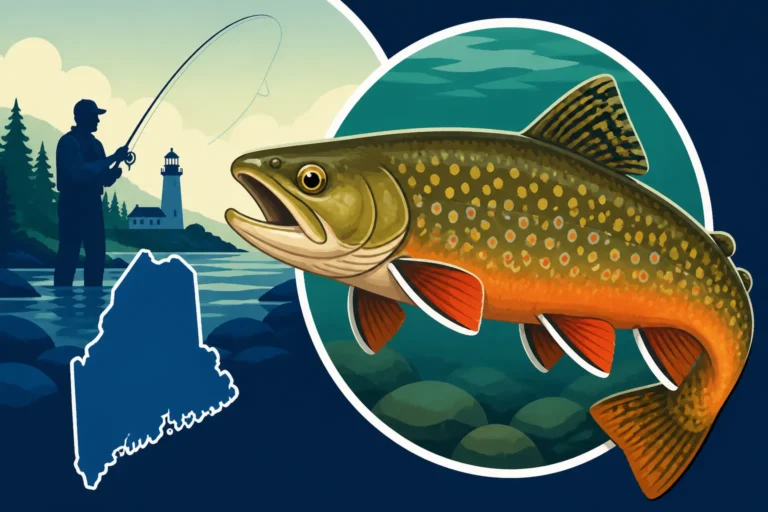
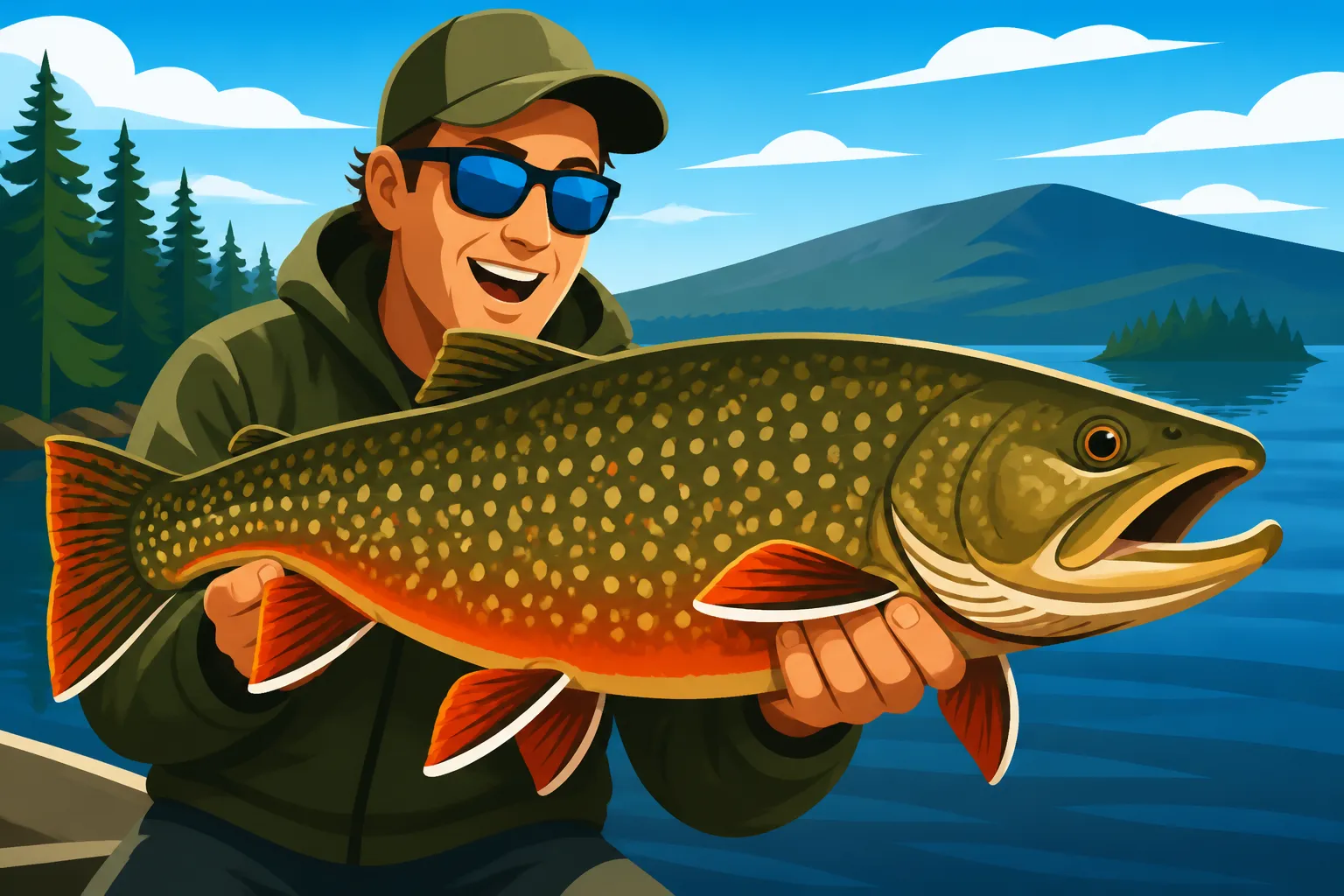
For many anglers, catching any brook trout is a delight. A "good" brook trout might be anything from 12 to 14 inches, especially in smaller streams and ponds. In many places, a 16-inch brook trout is considered a real trophy, a fish to be proud of. However, when we talk about Moosehead Lake, the bar is set a little higher. Moosehead Lake's unique ecosystem consistently produces brook trout that are considerably larger than the state average. Here, a "big" brook trout often starts at 18 inches, and anything over 20 inches truly steps into trophy territory. We've all heard the stories, and some are even true, of fish pushing or exceeding 22-24 inches, sometimes weighing over 5 pounds. These are the fish that become the stuff of local legend, the ones that make anglers pack their bags and head north. The sheer size potential is what draws so many to Moosehead, hoping to catch a glimpse, or perhaps even land, one of these giants. It's a testament to the lake's rich habitat and the resilient nature of these beautiful fish.
Understanding Maine's Trophy Fish Program
While the term "trophy" can be subjective among anglers, the state of Maine actually has an official program to recognize truly exceptional catches. The Maine Department of Inland Fisheries and Wildlife (MDIFW) maintains a "Biggest Fish" list for various species, including brook trout. This program aims to document and celebrate the truly outstanding catches made in Maine's waters. To be considered for recognition, a fish typically needs to meet certain minimum weight or length requirements, which are often significantly higher than what a casual angler might consider a personal best. For brook trout, these often require a fish of substantial weight, usually several pounds. It's a rigorous process; anglers typically need to have their catch weighed on a certified scale and verified by an MDIFW biologist or a designated agent. The exact figures can vary over time, so it's always best to check the current MDIFW guidelines for specific requirements. These official records serve not only as bragging rights but also as valuable data for fisheries management, showing the potential of certain waters like Moosehead Lake to produce truly gargantuan specimens. You can read more about what the state considers "trophy" fish and general guidelines in our Maine Fishing Regulations Explained guide.
Factors Contributing to Moosehead's Big Brookies
So, what is it about Moosehead Lake that allows brook trout to grow to such impressive sizes? It's not just luck; it's a combination of ideal environmental conditions, abundant food sources, and thoughtful fisheries management.
Rich Forage Base and Deep, Cold Waters
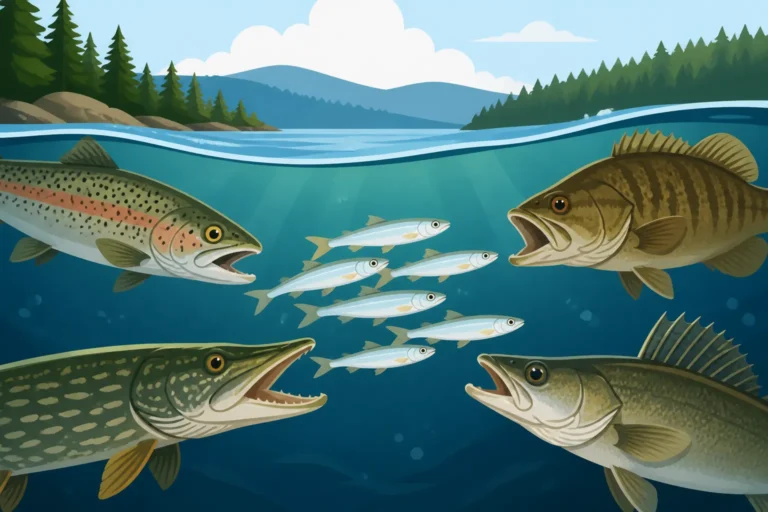
One of the primary reasons Moosehead Lake produces such massive brook trout is its incredibly rich and diverse forage base. Simply put, there's a lot of good food for them to eat! The lake is teeming with various baitfish, most notably the rainbow smelt. Smelt are a high-fat, high-protein food source, and when brook trout have a steady supply of these caloric powerhouses, they can pack on weight and grow at an accelerated rate. Imagine a diner that serves prime steak all day, every day – that's what Moosehead is for brook trout. Beyond smelt, the lake also offers other smaller fish, insect larvae, and crustaceans, providing a varied diet that supports robust growth.
Equally important are Moosehead's physical characteristics. The lake is immense, with vast areas of deep, cold water that remain consistently oxygenated, even during the warmest summer months. Brook trout are cold-water fish; they thrive in temperatures below 65°F. These deep, cool sanctuaries allow them to stay comfortable and conserve energy, rather than expending it trying to find suitable thermal refuge. This combination of an abundant, nutrient-rich food supply and extensive, cold-water habitat creates the perfect conditions for brook trout to not just survive, but to truly thrive and reach extraordinary sizes. Understanding these environmental factors helps you appreciate why Moosehead is such a special place for these fish. If you're wondering about the ideal temperatures for these fish, our guide on Where Is the Best Water Temperature for Brook Trout? offers more insight.
Management Practices and Conservation Efforts
The incredible brook trout fishery in Moosehead Lake doesn't happen by accident; it's also a direct result of dedicated management practices by the Maine Department of Inland Fisheries and Wildlife (MDIFW) and a strong commitment to conservation by local anglers and organizations. MDIFW biologists meticulously study the lake's fish populations, monitoring growth rates, reproductive success, and the health of the overall ecosystem. They implement specific regulations, such as slot limits and bag limits, designed to protect the breeding stock and allow fish to reach larger sizes before being harvested. For instance, understanding the Brook Trout Daily Bag Limits and Minimum Length for Keeping a Brook Trout in Maine is crucial for any angler heading out.
Furthermore, stocking programs play a role, carefully supplementing wild populations to ensure a healthy number of fish. However, the true gems are often the wild brook trout, which thrive in Moosehead's pristine conditions. These management efforts aren't just about putting fish in the lake; they're about ensuring the entire food web is balanced and that the habitat remains clean and healthy. Organizations also work to protect the lake's tributaries, which are vital spawning grounds for wild brook trout. This holistic approach, combining scientific management with a conservation ethic, is what truly safeguards Moosehead Lake's ability to produce those magnificent, "big" brook trout summer after summer.
The Hunt for That Elusive Trophy Brook Trout
So, you're inspired by the thought of a giant Moosehead brook trout and ready to try your luck? The pursuit of a trophy fish requires patience, skill, and a good understanding of both the fish and the water.
Techniques for Targeting Big Fish
Catching a truly massive brook trout, especially in a large lake like Moosehead, often requires specific strategies beyond simply casting a line. These aren't the easily fooled fish of smaller ponds. Many experienced anglers favor trolling, covering vast areas of the lake at specific depths where the big brookies are known to hold, particularly during warmer months when they retreat to cooler water. Using traditional hardware, like spoons or small stickbaits, is popular, often tipped with a piece of bait like a nightcrawler or a shiner. Best Bait for Moosehead Lake Brook Trout can give you more ideas.
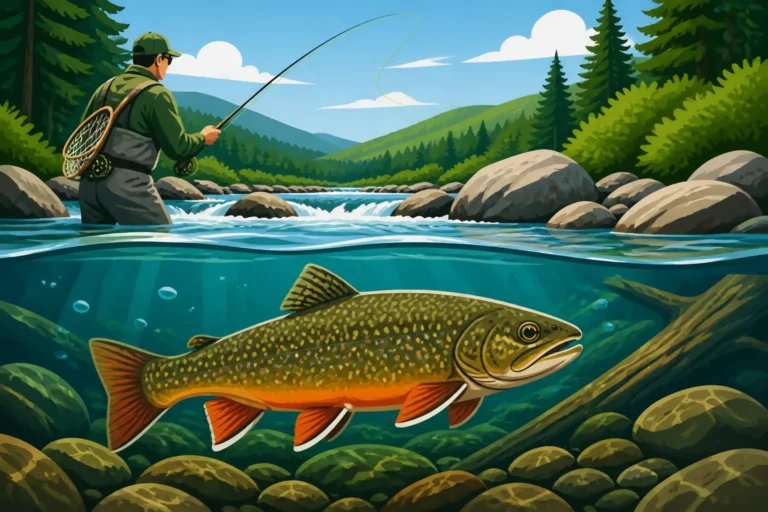
Another effective technique, especially during ice fishing season, is jigging. This involves vertically presenting a lure, often a lead jig tipped with a piece of bait, directly over fish spotted on a fish finder. The subtle movements can entice a strike from a wary trout. For fly anglers, presenting larger streamers that imitate smelt or other forage fish can be incredibly effective, especially in tributary mouths or over shallower shoals during cooler seasons.
Regardless of the technique, having the right gear is paramount. Heavier-than-average lines, sturdy rods with a good backbone, and a reliable reel are essential for battling a powerful fish. Don't forget a large, rubberized net to safely land and release your prize, minimizing harm to the fish. You can find a vast selection of robust fishing equipment, including specialized trolling rods and nets, from online retailers like Amazon, ensuring you're well-equipped for the challenge. Remember, big fish are smart fish, so stealth and finesse often pay off.
Where to Look and When to Go
Finding those truly "big" brook trout in a lake the size of Moosehead is like finding a needle in a haystack if you don't know where to start. Generally, these larger trout prefer specific habitats. During the warmer summer months, they'll seek out the deeper, colder pockets of water, often congregating around underwater structures, drop-offs, or near the mouths of cold-water tributaries. Using a good fish finder to locate these depth changes and temperature breaks is crucial. Areas with significant smelt populations are always a good bet, as this is their primary food source. Our Moosehead Lake Fishing Guide offers a more detailed overview of the lake's prime fishing locations.
When it comes to timing, spring and fall are often considered prime seasons for trophy brook trout. In spring, as the ice recedes, the fish are often more active and can be found shallower, feeding aggressively after the long winter. Fall brings cooler water temperatures, which re-energizes the trout and makes them more accessible, particularly as they prepare for spawning. Even winter, with ice fishing, can yield incredible results, with anglers targeting deep water holes where trout stack up. Knowing which Brook Trout Daily Limit in Maine North Zone applies to your specific fishing area within Moosehead is also critical, as regulations can vary. Understanding the lake's zones is detailed in What Zone Is Moosehead Lake In for Maine Fishing Rules?.
Sharing and Verifying Big Catches
The excitement of catching a truly magnificent brook trout on Moosehead Lake is something most anglers want to share. But how do these stories spread, and what makes a catch officially noteworthy?
The Role of Social Media and Local Lore
In today's interconnected world, news of a big catch spreads like wildfire. An angler lands a stunning brook trout, takes a quick photo, and within minutes, it can be shared across social media platforms like Facebook and Instagram. These platforms serve as virtual campfires, where stories are told, photos are admired, and the thrill of the catch is amplified. It's a wonderful way for the angling community to celebrate successes and inspire others. However, with the rapid spread of information comes the inevitable embellishment. Fish often grow a few inches and pounds in the retelling, leading to local lore and legends that are sometimes a bit grander than the reality. It's part of the fun, but it also highlights the need for some form of verification if a catch is truly exceptional.
Local tackle shops, sporting camps, and guides also play a vital role in circulating these stories. They are often the first to hear about a genuinely remarkable fish, and their word carries weight within the community. These local experts have a keen eye for what constitutes a truly "big" fish for Moosehead and can help distinguish between a great catch and a legendary one. While anecdotal evidence is exciting, for a fish to gain official recognition or even widespread acceptance as a true giant, photographic evidence, reputable witnesses, and ideally, official measurements are invaluable. The excitement generated by a notable catch can even inspire others to try out gear they've seen used, readily available from online outdoor retailers such as Amazon.
The Importance of Accurate Reporting and Conservation
Beyond the immediate thrill and community chatter, accurately reporting and, if possible, officially verifying truly large fish is incredibly important for several reasons. For one, it provides valuable data to fisheries biologists. When MDIFW knows that Moosehead Lake is consistently producing brook trout of a certain size, it helps them understand the health of the fishery, the effectiveness of their management strategies, and the overall productivity of the lake. This information is crucial for setting future regulations, like those outlined in Maine Fish Bag Limits Guide or Maine Fishing License Guide, ensuring the sustained health of the resource.
Moreover, the ethical handling of these large, often older, fish is paramount. Many trophy anglers practice Catch and Release Best Practices in Maine, especially with the largest specimens, to ensure they can spawn again and contribute to future generations of big brook trout. Accurately measuring and photographing a fish quickly, then releasing it unharmed, is a sign of true respect for the resource. It’s about more than just the individual catch; it’s about contributing to a culture of conservation that safeguards the opportunity for others to experience the thrill of catching a magnificent Moosehead Lake brook trout for years to come. Ultimately, while the "big brook trout caught this summer" might remain a tantalizing mystery to some, the collective stories and official records contribute to the enduring legacy of Moosehead as a premier destination for these beautiful fish.
Here's a quick look at what distinguishes a typical brook trout from a true Moosehead trophy:
| Feature | Typical Brook Trout (Many Maine Waters) | Trophy Brook Trout (Moosehead Lake) |
|---|---|---|
| Length | 10-14 inches | 18+ inches |
| Weight | Under 1 pound | 3-5+ pounds |
| Primary Forage | Insects, small minnows | Abundant rainbow smelt, other baitfish |
| Habitat Preference | Cold streams, smaller ponds | Deep, cold, oxygenated lake sections; near coldwater inlets |
| Growth Rate | Moderate | Accelerated due to rich food supply |
| Age | 2-4 years | 5-8+ years |
Disclaimer
This article is for general informational purposes only and does not constitute professional advice. Laws, prices and regulations vary by location and change over time. Consult a qualified professional for guidance on your specific situation.