Largemouth Bass Habitat in Maine Lakes
It can be incredibly frustrating to hit a beautiful Maine lake, spend hours casting, and come up empty-handed, especially when you know there are feisty largemouth bass lurking somewhere beneath the surface. The secret often lies not just in the lure you're using, but in understanding where these intelligent fish like to live. This comprehensive guide will pull back the curtain on the preferred habitats of largemouth bass in Maine, helping you pinpoint their hideouts and improve your chances of a successful day on the water.
Understanding Largemouth Bass in Maine
Largemouth bass are a formidable and popular sportfish, known for their aggressive strikes and powerful fights. While often associated with warmer, southern waters, they've found a thriving home in many of Maine's lakes and ponds. Getting to grips with their preferences is the first step to consistently landing them.
Origin and Introduction to Maine
Unlike some of Maine's iconic native species, largemouth bass aren't indigenous to the Pine Tree State. They were introduced, likely through stockings and transfers, over many decades, primarily to provide additional recreational fishing opportunities. While their presence has undoubtedly changed some aquatic ecosystems, they've become a firmly established and highly sought-after game fish in many of our warmer, shallower waters. They are truly an adaptable species, capable of carving out a niche even in a state famous for its cold-water trout and salmon fisheries. This history is important because it explains why you won't find them in every pristine, frigid mountain pond, but rather in lakes that align with their preferred living conditions.
Why Habitat is Crucial for Largemouth
For largemouth bass, habitat isn't just a place to live; it's everything. It's their pantry, their nursery, their refuge, and their ambush point all rolled into one. They are ambush predators by nature, meaning they rely on cover and structure to hide from prey and launch surprise attacks. Without the right kind of habitat, they simply cannot thrive. This reliance on specific environmental elements means that if you can "read" the water and identify these key habitat components, you're halfway to finding the fish. Understanding their habitat preferences is more than just academic knowledge; it's the fundamental key to effective bass fishing.
Difference Between Largemouth and Smallmouth Habitat
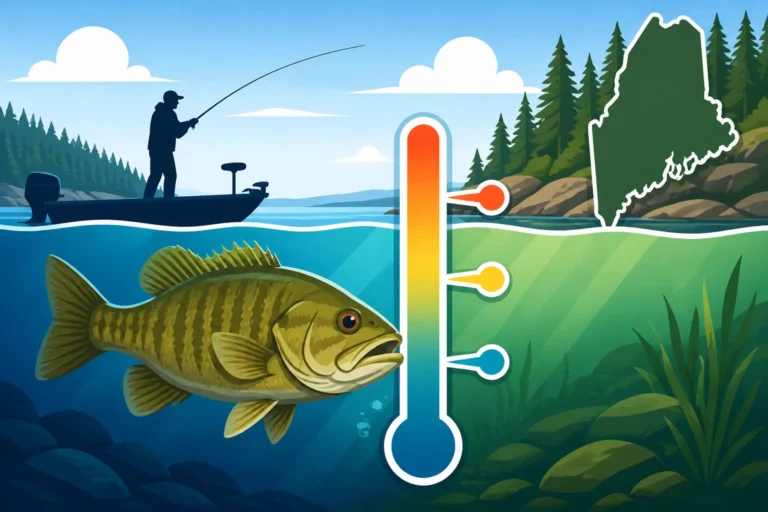
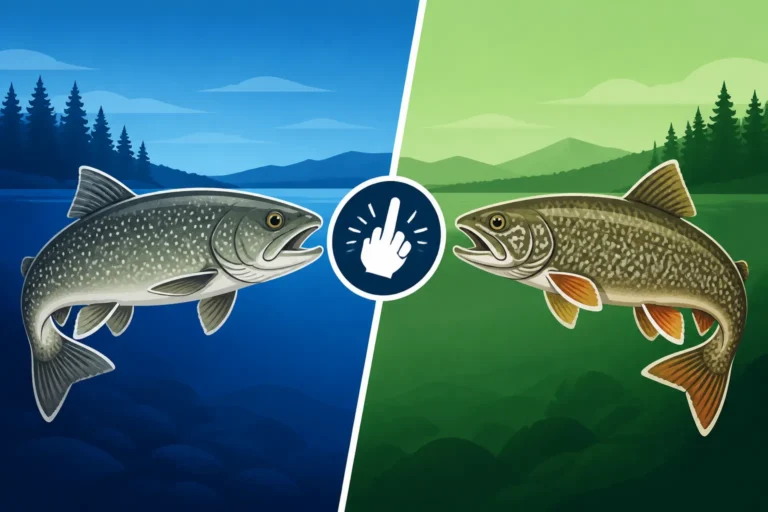
It's easy to lump all bass together, but there's a significant difference in how largemouth and smallmouth bass utilize their environment in Maine, and understanding this distinction is vital. While both are bass, they have distinct preferences that directly influence where you'll find them. Generally, smallmouth bass prefer cooler, clearer waters with rocky bottoms, gravel, and submerged boulders – think of them as the "river smallmouth" or "lake smallmouth" that love current and hard structure. You'll find them on deep main lake points, rocky shorelines, and often in deeper, colder lakes.
Largemouth, on the other hand, are the kings of cover. They gravitate towards warmer, shallower waters with abundant vegetation, fallen trees, docks, and other forms of "soft" or "complex" structure. If you're on a lake known for its rocky shores and deep, clear water, you're likely targeting smallmouth. If it's a weed-choked, stump-filled, lily-pad covered haven, you're almost certainly in largemouth territory. Knowing which species you're after helps you narrow down your search immensely and dictates your tackle and approach. You might even find them sharing the same lake, but occupying different zones entirely. Maine Bass Fishing Limits by Zone gives a good overview of how rules can vary even for these two species.
Key Habitat Components for Largemouth Bass
When you're out on a Maine lake looking for largemouth, you're essentially looking for their living room, kitchen, and bedroom. These aren't random spots; they're areas that provide essential resources for survival. The more of these components an area has, the higher the likelihood of finding bass.
Submerged Vegetation: The Ultimate Cover
If you were to ask a largemouth bass to design its dream home, it would almost certainly involve a lot of weeds. Submerged vegetation, often called "green stuff" by anglers, is arguably the most critical habitat component for largemouth bass in Maine. This can include everything from dense mats of lily pads, beds of milfoil (an invasive but bass-friendly plant), coontail, pondweed, and even hydrilla. These aquatic plants serve multiple purposes: they provide exceptional ambush cover for bass waiting to strike unsuspecting baitfish, frogs, or insects; they offer shade from the harsh summer sun, which is crucial for a warm-water species; and they oxygenate the water, creating a healthier environment.
Fishing these areas often means punching through thick mats or carefully working lures along the edges. The density of the vegetation makes it challenging to fish, but the reward can be immense. Look for variations within the weed beds – points, pockets, or even slight changes in plant type – as these often concentrate bass. Many experienced anglers dedicate significant time to mapping out these underwater gardens, knowing that the biggest bass often call the thickest cover home. When you're rigging up, consider robust hooks and strong line to pull fish out of these tangled messes. You might even want to check out some specialized weedless jigs or creature baits on Amazon designed specifically for this kind of heavy cover.
Woody Debris: Logs, Stumps, and Fallen Trees
While vegetation provides excellent soft cover, woody debris offers hard structure that largemouth bass absolutely love. Think of old fallen trees that have toppled into the water, submerged stumps from long-ago logging operations, or even brush piles that have accumulated in a quiet cove. These elements provide hard edges and vertical structure that bass can relate to. A bass might sit on the shady side of a submerged log, perfectly camouflaged, waiting for a minnow to swim by. They also offer a quick escape route from predators (like us anglers!).
The great thing about woody debris is that it creates irregularities on an otherwise featureless bottom. These "breaks" in structure are magnets for baitfish, which in turn attract the bass. When you're approaching a downed tree, fish every branch, every change in angle, and especially the deepest part where the trunk meets the lakebed. Over time, these areas also develop algae and insect life, further enhancing their appeal to the entire food chain. You'll often find multiple bass stacked up on a single piece of prime woody debris, making it a high-percentage target.
Rocky Structures and Drop-offs
While largemouth generally prefer soft cover over hard rock compared to smallmouth, they will absolutely utilize rocky structures and adjacent drop-offs, especially in certain situations. These areas provide transition zones between shallow and deep water, giving bass quick access to different depths and temperatures. A rocky point that quickly drops into deeper water, for example, allows bass to feed in the shallows during low light and retreat to cooler, deeper water when the sun is high. Submerged rock piles or boulders scattered within a vegetated flat can also be prime ambush spots.
These rock-to-depth transitions are particularly important during seasonal changes, such as the post-spawn period or late fall, when bass begin to stage in deeper water but still want access to feeding flats. Look for irregularities in these rocky areas – a larger boulder, a crevice, or an abrupt change in depth. These features offer current breaks or hiding spots that concentrate bait and, consequently, bass. Don't overlook the potential of a deep water rocky ledge adjacent to a shallow, weedy cove; it's a perfect combination for larger, more experienced bass.
Typical Lake Structures Where Largemouth Bass Thrive
Now that we know the individual components, let's look at the broader "neighborhoods" where largemouth bass choose to set up their homes within a Maine lake. These are the classic spots that consistently produce fish for anglers who know what to look for.
Shallow Coves and Backwaters
If you're looking for quintessential largemouth bass habitat in Maine, start with shallow coves and protected backwaters. These areas are often shallower than the main body of the lake, warm up faster in the spring, and are typically sheltered from strong winds and boat traffic. This combination makes them ideal for bass, especially during the pre-spawn and spawning periods. You'll often find these coves laden with lily pads, submerged grasses, and scattered woody debris – all the prime ingredients for a thriving bass ecosystem.
The calmer waters also allow for a greater abundance of smaller baitfish, frogs, and insect larvae, providing a rich food source. During the summer, these coves can still hold bass, particularly in the mornings and evenings, or during overcast days. Look for the deepest pockets within these shallow areas, or transitions where the vegetation ends and open water begins. The protected nature of these backwaters also makes them a favorite for anglers using topwater lures or pitching jigs into tight cover. Maine Spring Salmon Fishing Techniques often focus on different areas, highlighting the distinction in species preference.
Points and Humps
While coves offer shelter, points and humps provide strategic feeding locations. A "point" is any piece of land that extends out into the lake, whether it's above or below the waterline. A "hump" is a raised area of the lake bottom completely surrounded by deeper water. Both of these structures act as natural travel corridors and ambush points for bass. As baitfish move along the shoreline or across the main lake, they often have to navigate around or over these structures, making them vulnerable targets.
Largemouth bass will often position themselves on the sides or tips of these points and humps, particularly where there's a good mix of cover (like submerged rocks or weeds) and an adjacent drop-off. The key is to find the "sweet spot" on the structure – often a specific depth, a patch of cover, or a transition where two types of bottom meet. Fishing a point or hump effectively usually involves covering different depths and angles until you find where the fish are holding. These areas are excellent for crankbaits, spinnerbaits, or even Carolina-rigged plastics, allowing you to cover ground efficiently.
Docks, Piers, and Man-Made Structures
Don't underestimate the power of man-made structures when searching for largemouth bass in Maine. Docks, piers, boat lifts, submerged cribs, and even old tires or sunken Christmas trees can be absolute magnets for bass. These structures offer immediate shade, which is invaluable on bright, sunny days, and provide excellent vertical cover where bass can ambush prey. The pilings of a dock, for instance, offer perfect ambush points as baitfish swim by. The deeper ends of docks, where they meet a drop-off, are especially productive.
Often, property owners inadvertently create excellent bass habitat by allowing brush to accumulate around their docks or by sinking old structures. When approaching docks, cast your lure to the darkest shadows, under the boat lifts, and along the edges of any submerged components. Flipping and pitching jigs or soft plastics right into these tight spots can yield explosive strikes. It's a classic scenario: a big bass lurking in the shadows, waiting for an easy meal to swim by. Just be sure to be respectful of private property when fishing around these structures.
Seasonal Movements and Habitat Preferences
Largemouth bass are not static creatures; their habitat preferences shift dramatically throughout the year in response to water temperature, sunlight, and spawning cycles. Understanding these seasonal patterns is critical for being in the right place at the right time.
Spring: Spawning and Pre-Spawn Areas
Spring in Maine is a magical time for bass anglers, as the fish move from their deeper wintering grounds to shallower waters. During the early spring, often called the "pre-spawn" period, largemouth bass will begin to stage in areas adjacent to their eventual spawning grounds. These are typically protected coves, main lake points, or creek mouths that warm up quickly. They're feeding aggressively, trying to pack on calories for the upcoming spawn. Look for them in depths of 5-15 feet, often near transition zones between deep and shallow water, or near the first emerging weeds.
As the water temperatures continue to rise (usually into the mid-50s to low-60s Fahrenheit), the bass will move onto their spawning beds. These are typically in very shallow, protected areas, often less than 5 feet deep, with a firm bottom of sand or gravel, and usually near some form of cover like a submerged log or a clump of reeds. Male bass will guard the nests fiercely, making them vulnerable but also extremely territorial. Post-spawn, the females move off to recuperate in slightly deeper water nearby, while males continue to guard the fry for a period. It's an exciting time, but anglers should practice catch-and-release during the spawn to protect the fishery. Maine Spring Fishing Guide offers more general advice for the season.
Summer: Deep Cover and Shade
Once the Maine summer heats up, especially during those long, sunny days, largemouth bass undergo another significant habitat shift. While some smaller, shallower lakes might keep bass active in the weeds throughout the day, in most larger lakes, the fish will seek refuge from the intense sun and warmer surface temperatures. They'll gravitate towards deeper, cooler water that still offers cover and ambush points. This often means moving to the deeper edges of weed lines, associating with offshore humps that have deep access, or burrowing into the thickest, densest submerged vegetation mats that provide deep shade.
During peak summer, finding bass often involves looking for "dark spots" on your sonar or visually identifying thick mats of lily pads or milfoil. Bass will hold under these mats, enjoying the cooler water and waiting to ambush prey that swims by the edges or through the sparse openings. Docks and boat houses with deep water access also become prime real estate. Early mornings, late evenings, and overcast days can bring bass out of the deepest cover into shallower feeding areas, but during midday, expect them to be tight to structure, seeking cooler, oxygenated water. A good pair of polarized sunglasses, available from Amazon, can be a huge asset in spotting subtle changes in weed lines or detecting bass lurking in the shadows.
Fall: Feeding Frenzy and Transition Zones
Fall in Maine brings a beautiful transformation to the landscape, and a renewed urgency to the largemouth bass fishery. As water temperatures begin to drop and days shorten, bass sense the impending winter and embark on a serious feeding spree. This is a time of "fattening up" before the lean winter months. They'll often move out of the thickest summer cover and start to actively chase baitfish, which are also schooling up in preparation for winter.
During the fall, largemouth bass often relate to transition zones: areas where shallow flats meet deeper channels, or where hard bottom meets soft bottom. Points, humps, and the outer edges of dying weed beds become extremely productive. Bass will follow schools of baitfish, often moving into shallower water during periods of low light and retreating to deeper breaks during the brightest parts of the day. This is a fantastic time for power fishing techniques like throwing crankbaits, spinnerbaits, and jerkbaits, as bass are actively on the hunt. Maine Fall Fishing Guide can help you plan for this excellent season.
Finding Largemouth Bass in Different Maine Lake Types
Maine is a diverse state, offering a variety of lake types. Knowing what kind of lake you're on can help you quickly narrow down where largemouth bass are likely to be hiding, even before you make your first cast.
Warm, Shallow, Vegetated Lakes
These are the classic largemouth bass havens in Maine. If you encounter a lake that's relatively shallow, tends to warm up quickly in the spring, and is characterized by extensive weed beds (lily pads, milfoil, coontail, etc.), you've likely found prime largemouth territory. Lakes like Cobbosseecontee Lake or some of the Belgrade Lakes are excellent examples. In these environments, largemouth bass will be abundant and can be found almost anywhere there's good cover and a food source.
In such lakes, focus your efforts on the densest vegetation, particularly points, pockets, and edges within the weed beds. Look for slight depth changes, isolated clumps of weeds, or any visible woody debris. The entire lake might seem like a giant weed bed, but finding the best weed bed, or the most productive section of it, is the challenge. These waters are often fertile, supporting a healthy population of baitfish and other forage, which in turn fuels a robust bass population. Fishing these lakes is often a game of "pitching and flipping" into heavy cover.
Larger, Deeper Lakes with Mixed Habitat
Maine also boasts many larger, deeper lakes that might be known for their cold-water species like lake trout or landlocked salmon, but still hold significant populations of largemouth bass. Lakes like Sebago Lake or Moosehead Lake, while primarily cold-water fisheries, have shallower, warmer coves and arms where largemouth can thrive. In these mixed-habitat lakes, the largemouth bass will be more concentrated in specific areas that meet their warmer water and cover requirements. You won't find them everywhere, but where you do find them, they can be substantial.
When fishing these larger, deeper lakes for largemouth, you'll need to be more strategic. Ignore the main lake basins and focus exclusively on the shallower, protected bays, river inlets, and backwater coves. These areas will often have the necessary vegetation, docks, and woody debris that largemouth crave, even if the rest of the lake is too cold or too deep for them. It's about finding the "largemouth zones" within a predominantly smallmouth or cold-water lake. For instance, Sebago Lake Smallmouth Bass Fishing in Maine would focus on different areas of that large body of water than where you'd target largemouth.
Ponds and River Backwaters
Beyond the major lakes, Maine is dotted with countless smaller ponds and river backwaters that offer fantastic, often overlooked, largemouth bass fishing. These smaller bodies of water often warm up faster, have abundant shoreline cover, and are less pressured than the larger lakes. River backwaters, in particular, can be incredibly productive, as they offer calmer water, rich nutrient flow, and often a mix of current breaks and heavy cover.
These smaller, more intimate settings are perfect for a stealthy approach, perhaps from a kayak or canoe. Look for dense reeds, overhanging trees, beaver lodges, and shallow stump fields. The bass in these environments can be less wary and more willing to hit a variety of lures. While they might not always hold the absolute biggest bass, they often provide consistent action and a more peaceful fishing experience. Always check local regulations, as smaller ponds can sometimes have unique rules. Maine Fishing Regulations Explained provides a good starting point for understanding statewide rules.
Gear and Tactics for Habitat-Specific Bass Fishing
Knowing where the bass live is only half the battle; the other half is knowing how to effectively extract them from their preferred habitat. Your gear and techniques need to be tailored to the specific type of cover you're fishing.
Matching Lures to Cover
The type of lure you choose should directly complement the habitat you're fishing. For instance, when you're targeting thick submerged vegetation or matted lily pads, weedless lures are paramount. Heavy jigs with plastic trailers, Texas-rigged soft plastics (like creature baits or worms), or even weedless frogs walked across the top of the mats are ideal. These lures are designed to slip through the dense cover without snagging, allowing you to present them directly to the bass holding tight underneath. You can find a huge selection of these specialized baits on Amazon.
Conversely, if you're fishing around sparse woody debris or rocky points, lures that allow you to cover water and generate reaction strikes might be more effective. Crankbaits that deflect off structure, spinnerbaits with weed guards, or chatterbaits can be excellent choices. Topwater lures, like poppers or walking baits, shine in shallow, open pockets within weed beds or around docks during low-light conditions. Always have a variety of lures on hand to adapt to changing conditions and different types of cover.
Rod and Line Selection for Heavy Cover
Fishing dense largemouth habitat often means battling not just the fish, but the environment itself. This requires a different approach to rod and line selection than you might use for open-water fishing. For heavy cover situations – think punching through lily pads or pulling a bass out of a submerged brush pile – you'll want a stout setup. A heavy or extra-heavy power baitcasting rod, typically 7 to 7.5 feet long, provides the backbone needed to leverage fish out of snags. This kind of rod has enough power to set a hook through a thick plastic bait and then turn a feisty bass away from cover.
For line, braided line is often the preferred choice for heavy cover. Its zero stretch allows for powerful hooksets, and its incredible abrasion resistance helps prevent break-offs when the line rubs against wood or sharp vegetation. Lines in the 40-65 lb test range are common. If you're using fluorocarbon or monofilament, step up to a heavier test (17-25 lb) to give yourself a fighting chance. Lighter rods and lines simply won't cut it when a 5-pound largemouth decides to bury itself in a thick patch of milfoil. Best Rods for Maine Lake Trolling would be a very different discussion!
Using Electronics and Maps to Locate Habitat
In today's angling world, modern electronics and mapping tools are invaluable for pinpointing largemouth bass habitat, especially on larger, unfamiliar lakes. A good fish finder with down imaging and side imaging capabilities can reveal submerged weed lines, brush piles, rock formations, and even individual stumps that are invisible from the surface. Side imaging, in particular, allows you to scan wide swaths of water, identifying hidden cover far from your boat.
Detailed lake maps, whether on your fish finder's chart plotter or a standalone app, are also crucial. They can show you depth contours, identify points, humps, and creek channels, and sometimes even indicate areas of vegetation. By combining topographical maps with real-time sonar, you can quickly eliminate unproductive water and focus your efforts on high-percentage largemouth habitat. Even an old-school paper map can help you identify protected coves and shallow flats. Being able to "see" the underwater world before you cast significantly boosts your efficiency and success.
Disclaimer
This article is for general informational purposes only and does not constitute professional advice. Laws, prices and regulations vary by location and change over time. Consult a qualified professional for guidance on your specific situation.