Are There Invasive Fish in Maine Lakes?
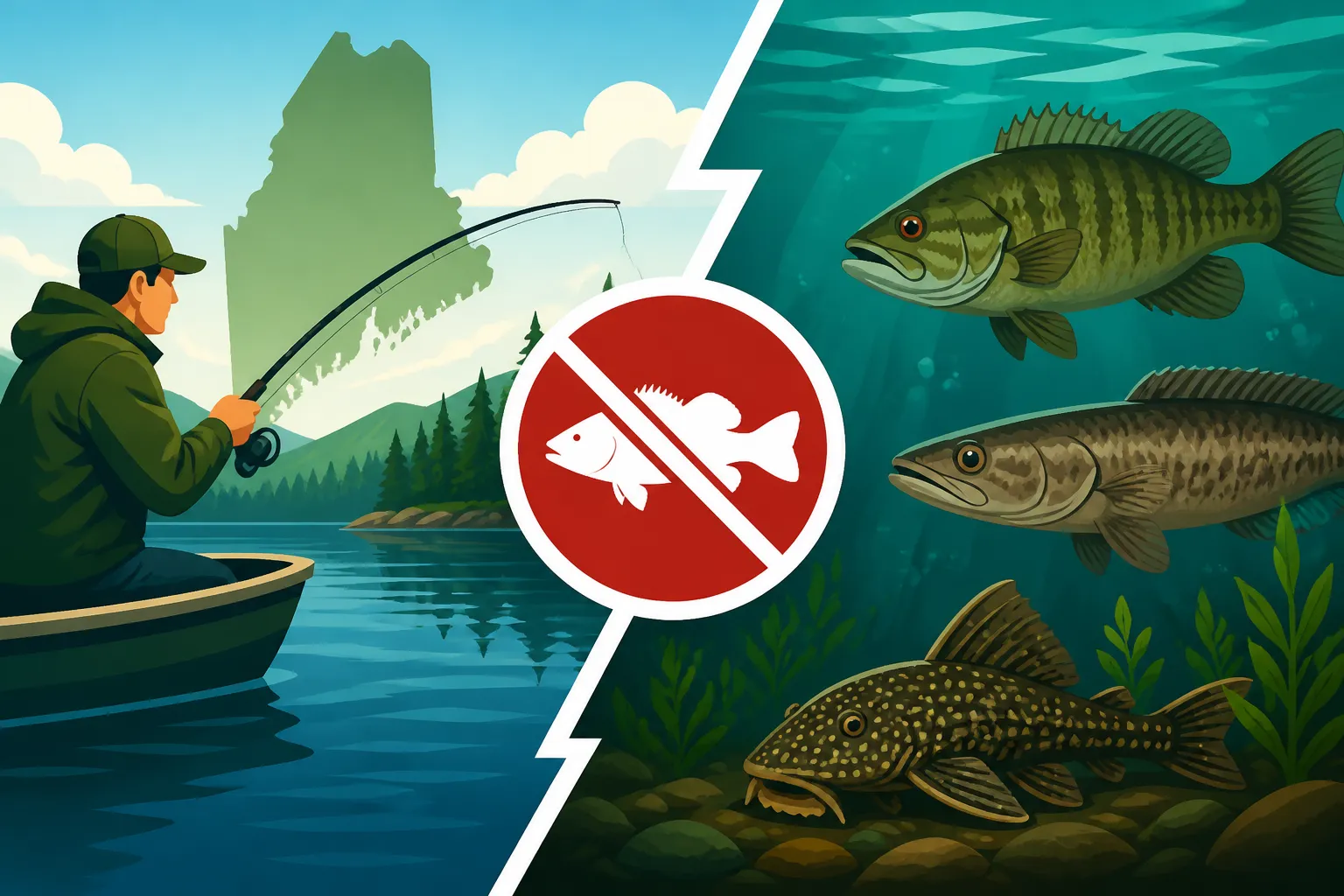
It’s a question that keeps many Maine anglers up at night: are our precious lakes and ponds truly safe from the silent threat of invasive fish species? The truth is, Maine's pristine waters are incredibly vulnerable, and some unwelcome guests have already made their way in, posing a serious threat to our native fish populations and the very ecosystems we cherish. This guide will walk you through what invasive fish are, which ones are causing concern in Maine, their impacts, and most importantly, what you can do to help protect our beloved waterways.
Understanding the Threat of Invasive Fish in Maine Lakes
There's a reason why the Maine Department of Inland Fisheries and Wildlife (MDIFW) spends so much time and resources on this issue. Invasive species aren't just an annoyance; they're a fundamental threat to the delicate balance of our aquatic environments.
What Makes a Fish "Invasive"?
When we talk about an "invasive" fish, we're not just talking about any fish that isn't native to a specific pond or lake. An invasive species is typically one that is introduced to an ecosystem where it doesn't naturally belong, and then it not only survives but thrives, outcompeting native species, disrupting food webs, and often altering the habitat itself.
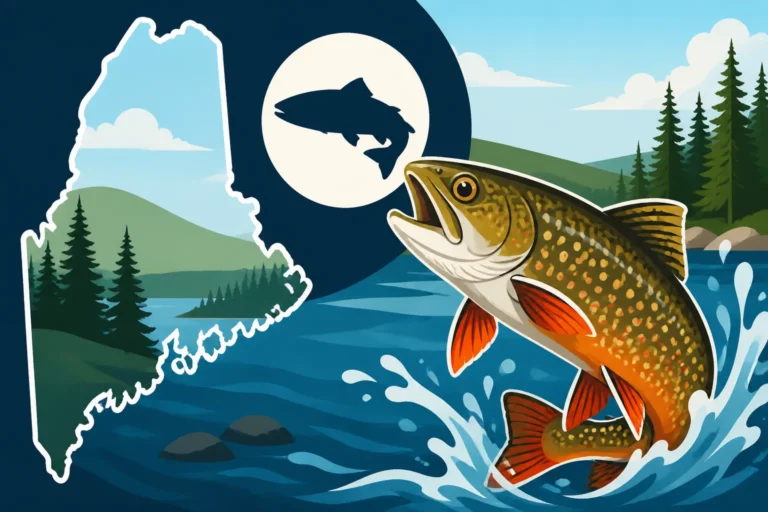
Think about it: Maine's native fish, like the gorgeous Brook Trout Native Range in Maine or the powerful Landlocked Salmon Life Cycle, have evolved over thousands of years to fit perfectly into their specific niches. They have natural predators, specific food sources, and environmental conditions they're adapted to. When an invasive species arrives, it often lacks these natural controls. It might eat the same food as native fish, prey on them directly, or even introduce diseases that native fish have no immunity to. Sometimes these introductions are accidental, like a bucket of baitfish dumped into a new lake. Other times, sadly, they're intentional, driven by misguided attempts to create new fishing opportunities without understanding the devastating long-term consequences.
Why Maine's Waters Are Particularly Vulnerable
Maine is renowned for its vast network of interconnected waterways, countless remote ponds, and deep, cold-water lakes. This unique geography, while beautiful, also makes it a prime target and a challenging battleground in the fight against invasives. Many of our waters are ideal cold-water fisheries, home to species like lake trout (togue) and salmon that require specific conditions to thrive.
When a warm-water invasive fish, for instance, is introduced into a cold-water pond, it can rapidly outcompete or prey on the native fish that are less adapted to handle the newcomer. Furthermore, the sheer popularity of fishing in Maine means there’s constant movement of boats, gear, and people between different water bodies. This movement, if not carefully managed, can inadvertently spread invasive species from one lake to another. It's a constant vigilance, and every angler plays a critical role in preventing further introductions.
Key Invasive Fish Species Plaguing Maine Lakes
While the list of potential invasive species is long, there are a few key players that have unfortunately established a foothold in some of Maine's most cherished waters, creating significant management challenges.
Northern Pike: A Predator's Impact
Perhaps one of the most concerning invasive species in Maine is the Northern Pike. These voracious predators were illegally introduced into several Maine waters, and once they're in, they are incredibly difficult to eradicate. Northern Pike are ambush predators with a huge appetite, growing to impressive sizes. They primarily prey on other fish, and their presence can decimate populations of native species.
Imagine a pristine Maine lake, where native brook trout and landlocked salmon have always been the kings. Then, suddenly, a species like Northern Pike is introduced. These pike don't care about the delicate balance; they see an abundant food source. They'll eat juvenile salmon, trout, and even adult fish, often outpacing the reproductive capacity of native populations. They can quickly shift the entire ecosystem, leading to a dramatic decline or even the complete disappearance of cherished sport fish. The question What Is Northern Pike Doing to Maine Trout Waters? is a serious one, and the answer is often grim: they are altering them irrevocably. The MDIFW has very strict rules regarding Northern Pike, often encouraging anglers to not release them, especially in waters where they are considered invasive.
Smallmouth and Largemouth Bass: A Nuanced Perspective
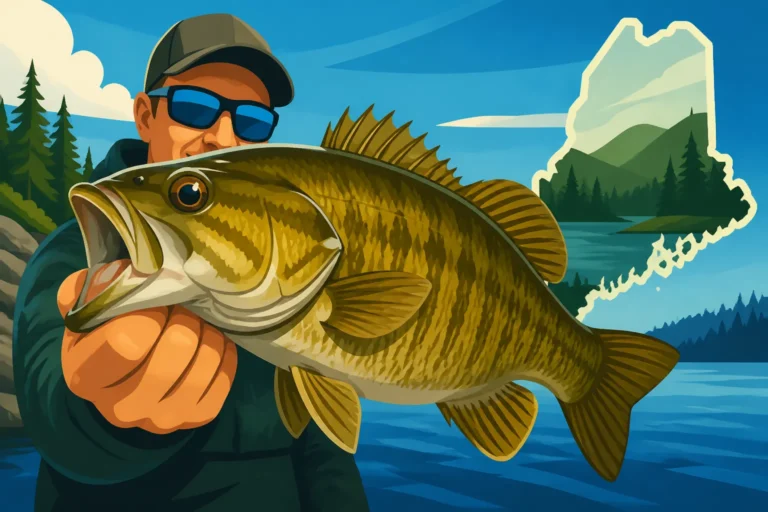
Now, before anyone gets upset, let's be clear: smallmouth and largemouth bass are incredibly popular sport fish in Maine, and in many waters, they thrive and provide fantastic fishing opportunities. However, the situation is more nuanced. While they are native to some parts of Maine, particularly warmer, slower-moving waters, they become invasive when introduced into specific cold-water lakes and ponds that historically only supported native cold-water fish like brook trout, togue, or landlocked salmon.
In these sensitive cold-water ecosystems, bass, especially largemouth bass, can become dominant. They are highly adaptable, reproduce quickly, and can withstand a wider range of water temperatures than many of our native salmonids. They prey on juvenile salmon and trout, compete for food resources like smelt and other baitfish, and can quickly out-populate native species. This is why you'll often hear discussions like Are Bass Considered Invasive in Some Maine Waters?. The answer depends entirely on the specific water body and its native fish community. What's a prized game fish in one lake can be a devastating invasive in another, especially if that lake is managed specifically for native salmonids.
Other Species of Concern: Chain Pickerel and More
Beyond pike and bass, other species can also pose invasive threats when introduced to new waters. Chain pickerel, while native to some warmer, shallow waters in Maine, can become problematic when illegally introduced into pristine cold-water trout ponds. Like pike, they are voracious predators that can decimate native fish populations. While they are often considered a fun fighting fish in their native habitats, their impact in new, sensitive ecosystems can be profound. Many anglers wonder Are Chain Pickerel Good to Eat?, and while they certainly can be, the primary concern when they're in the wrong place is their ecological damage.
Other species that can cause issues if illegally introduced include certain types of perch or even common baitfish if they are not naturally found in a particular water body. The key message here is that any species introduced outside its native range or intended habitat has the potential to become invasive, disrupting the delicate balance that Maine's native aquatic life depends on.
The Ecological and Economic Ramifications
The introduction and spread of invasive fish species aren't just a biological curiosity; they have profound, lasting effects on Maine's natural heritage and its thriving outdoor economy.
Impact on Native Fish Populations and Ecosystems
The most immediate and obvious impact of invasive fish is on our native species. When Northern Pike are introduced, they don't just eat a few trout; they can entirely wipe out populations in a relatively short amount of time. Native fish, having never encountered such efficient predators in their evolutionary history, simply aren't equipped to escape or compete. This leads to a cascade of ecological problems:
- Predation: Direct consumption of native fish, especially juveniles, by invasive predators.
- Competition: Invasive species often outcompete native fish for food resources (like smelt or insect larvae) and prime spawning habitats.
- Habitat Alteration: Some invasive species can change the physical habitat, for example, by rooting around in the substrate, impacting spawning beds for native species.
- Disease Transmission: Invasive species can carry parasites and diseases that native fish have no natural immunity to, further weakening their populations.
Imagine a remote pond cherished for its wild brook trout. If an invasive species gets in, those trout, which have been there for centuries, could be gone within a few generations. The loss of genetic diversity and unique adaptations developed over millennia is irreplaceable. This isn't just about losing a fishing opportunity; it's about losing a piece of Maine's natural identity.
The Ripple Effect on Maine's Fishing Economy and Culture
Maine's identity is deeply intertwined with its outdoor recreation, and fishing is a massive part of that. Anglers travel from all over the world to experience the unique fishing opportunities here, particularly for species like landlocked salmon, togue, and brook trout. When invasive species take hold, it can dramatically alter these opportunities.
Consider a lake famous for its trophy landlocked salmon. If invasive bass or pike are introduced and start to dominate, the salmon population will dwindle. This means fewer visitors, fewer bookings for Moosehead Lake Fishing Guides or Rangeley Lakes Fishing Guides, and a hit to local businesses that rely on the angler tourist dollar, from tackle shops to restaurants and lodging. The perception of Maine as a premier cold-water fishery could be jeopardized. Beyond the economic impact, there's a cultural one. Generations of Mainers have grown up fishing for these native species, passing down traditions and knowledge. Losing these fish can feel like losing a part of their heritage, a connection to the wildness that defines our state. Protecting against invasives isn't just good ecology; it's good for Maine's economy and soul.
What Maine is Doing and How Anglers Can Help
The fight against invasive fish is ongoing, complex, and requires a concerted effort from state agencies and every single angler who cares about Maine's waters.
State Regulations and Management Efforts
The MDIFW is on the front lines of this battle. They monitor water bodies, conduct surveys, and implement aggressive management strategies. These strategies can range from educational campaigns to active removal efforts for established invasive populations, which can be incredibly challenging and costly. For instance, in some waters, targeted netting or electrofishing might be used to reduce invasive populations.
The state also maintains Maine Fishing Regulations Explained, which are updated regularly to address threats, including invasive species. These regulations often include specific rules for certain water bodies regarding bait use, line limits, and even the mandatory removal of certain invasive fish species. It’s crucial for every angler to familiarize themselves with these rules, as they are designed to protect our natural resources. Understanding the rules for each zone, like Maine North Zone vs South Zone Fishing Rules, is vital, as regulations can vary.
Angler Responsibility: Preventative Measures
While the state works hard, individual anglers are the most critical line of defense against the further spread of invasive species. The single most important principle is "Clean, Drain, Dry":
- Clean: Before leaving any water body, remove all visible mud, plants, fish, or animals from your boat, trailer, waders, and fishing gear. Check your anchor, fishing lines, and even your tackle box. Tools like a sturdy brush or a portable pressure washer (you can find various options on Amazon) can be incredibly helpful for this.
- Drain: Drain all water from your boat, livewell, bait bucket, and bilge before leaving the launch. Don't transport water from one lake to another.
- Dry: Allow all your fishing gear, especially waders, boots, and boats, to thoroughly dry for at least 5 days before using them in a different water body. If drying isn't possible, consider freezing your gear, especially waders, to kill any lingering microscopic organisms.
Never, ever transport live fish from one body of water to another. This includes baitfish. If you have leftover live bait, dispose of it properly on land or in the trash, not by dumping it into the water or on the shore where it might wash in. Even seemingly harmless golden shiners can become invasive if introduced to a water body where they don't naturally occur. You can purchase bait from local shops and use a quality bait bucket, also available on Amazon, but always discard unused bait responsibly.
Specific Rules for Invasive Species: Catch and Keep
For established invasive species like Northern Pike, the MDIFW often has a "catch and keep" policy, meaning that once you catch one, you are legally obligated not to release it back into the water. This might seem counterintuitive to catch-and-release ethics, but it's a vital part of containing these destructive populations. For example, Can You Keep Northern Pike in Maine No Limit? highlights that these fish often have no bag limit and must be killed upon capture to prevent their spread.
It’s an angler's responsibility to know these rules for the specific waters they are fishing. If you suspect you've caught an invasive species in a new location, it's crucial to report it to the MDIFW. Take clear photos, note the location, and contact them immediately. Your vigilance can make a real difference in protecting Maine's future fishing heritage.
Understanding Invasive Fish in Maine Lakes
| Invasive Species | Primary Threat | Key Impact on Native Fish | Angler Action |
|---|---|---|---|
| Northern Pike | Predation | Devastates salmon & trout populations; eats all fish. | Kill upon capture; do not release. |
| Smallmouth Bass | Predation/Competition | Invasive in cold-water salmonid lakes; outcompetes, eats juveniles. | Know regulations for specific waters; sometimes mandatory removal in specific waters. |
| Largemouth Bass | Predation/Competition | Same as smallmouth, often more aggressive in altering habitat. | Know regulations for specific waters; sometimes mandatory removal in specific waters. |
| Chain Pickerel | Predation | Can decimate native trout in new, sensitive ponds. | Kill upon capture; do not release if in new, unmanaged waters. |
| Other Baitfish | Competition/Disease | Can outcompete native baitfish; introduce disease. | Never transport live bait between water bodies; dispose of unused bait on land. |
Disclaimer
This article is for general informational purposes only and does not constitute professional advice. Laws, prices and regulations vary by location and change over time. Consult a qualified professional for guidance on your specific situation.