Kayak Fishing Techniques for Maine Lakes
Feeling like you're constantly fighting for space at crowded boat launches, or maybe the cost of owning and maintaining a traditional fishing boat just feels out of reach? Many passionate anglers face this dilemma, longing for quiet waters and untouched fishing spots that larger vessels simply can't access. This comprehensive guide is here to show you how kayak fishing on Maine's beautiful lakes can unlock incredible opportunities, providing techniques, gear advice, and safety tips to get you out there stealthily and effectively.
Why Kayak Fishing in Maine Lakes is a Game Changer
There's a unique joy that comes with gliding silently across a mirror-smooth Maine lake at dawn, a subtle ripple being the only disturbance your craft makes. Kayak fishing isn't just a hobby; for many, it's a profound connection to the water, offering a blend of exercise, tranquility, and serious angling potential that traditional boat fishing often can't match. It transforms how you approach fishing, opening up a world of possibilities on the state's countless ponds and lakes.
Unmatched Access and Stealth
One of the biggest frustrations for many anglers is limited access. Boat launches can be few and far between on certain waters, and some of the most pristine, fish-filled ponds are simply too small or too remote for powerboats. This is where kayak fishing truly shines. You can easily launch a kayak from almost any shoreline, whether it's a small public access point, a quiet beach, or even directly from your campsite. This incredible versatility means that those hidden coves, shallow marshy areas, and tight channels that hold big fish become readily accessible.
Beyond access, the stealth factor of a kayak is unparalleled. Unlike noisy motorboats that can spook wary fish from a hundred yards away, a kayak allows you to approach fishing spots almost silently. You can paddle within casting distance of a feeding trout in a still backwater, or stalk a school of smallmouth bass hugging a rocky point without them ever knowing you're there. This silent approach not only increases your chances of a bite but also enhances the overall experience, allowing you to observe wildlife and truly immerse yourself in the natural beauty of Maine's inland waters. Imagine slipping into a remote pond known for its exceptional Brook Trout Fishing in Maine, reaching spots that few others can.
Cost-Effectiveness and Simplicity
Let's be honest, fishing can be an expensive endeavor. The cost of a powerboat, trailer, gas, maintenance, and storage can quickly add up, becoming a barrier for many. Kayak fishing offers a much more wallet-friendly alternative. Entry-level fishing kayaks are significantly more affordable than even a used Jon boat, and they require no gas, minimal maintenance, and can often be stored in a garage or even leaned against the side of your house. There are even inflatable options for those with extremely limited storage space.
The simplicity extends beyond cost. There's no complex electrical system to troubleshoot, no engine to winterize, and no need for a dedicated towing vehicle if you have a roof rack. This ease of ownership means less time spent on upkeep and more time actually fishing. For those who love the idea of just grabbing their gear and heading out, a kayak represents the ultimate in hassle-free angling, making it a fantastic option for a quick after-work session or a full day of exploration. This low barrier to entry makes it an appealing option for beginners looking to dip their toes into the sport without a huge investment.
The Connection to Nature
There’s something uniquely meditative about being on the water in a kayak. Stripped away are the distractions of a roaring engine or the rumble of a boat deck. You become intimately connected to the environment around you. You hear the cry of an osprey overhead, the gentle lapping of water against the hull, and the splash of a rising fish with startling clarity. This close proximity to the water's surface gives you a different perspective, often allowing you to see submerged structure, observe fish behavior, and truly "read" the water in a way that's difficult from a higher vantage point.
Many kayak anglers speak of the profound sense of peace and immersion they experience. It’s an exercise in patience, observation, and self-reliance. When you paddle out on a Maine lake, surrounded by towering pines and the crisp, clean air, the act of fishing becomes secondary to the overall experience. It's a chance to unplug, recharge, and rediscover the simple beauty of the natural world, all while pursuing your favorite fish species. This is particularly true when exploring some of the quieter, pristine areas of the Best Fishing Lakes in Maine.
Essential Gear for Kayak Fishing on Maine Lakes
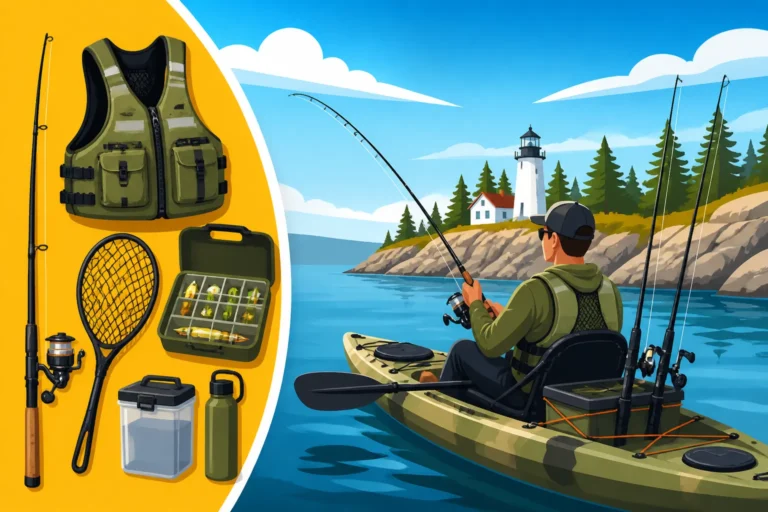
Getting started with kayak fishing doesn't require a mountain of specialized equipment, but having the right gear can significantly enhance your comfort, safety, and fishing success. Think of it as building a minimalist but highly effective floating fishing platform designed for stealth and efficiency.
Choosing the Right Fishing Kayak
Not all kayaks are created equal for fishing. While you can certainly fish from a recreational kayak, a dedicated fishing kayak offers features that make a world of difference. The primary consideration is stability. Fishing kayaks are typically wider than recreational models, providing a much more stable platform for casting, retrieving, and even standing (in some cases). Look for "sit-on-top" (SOT) designs, as these are generally preferred for fishing due to their open deck, ease of re-entry if you capsize, and ample space for gear.
Key features to look for include:
- Storage: Ample dry storage, tackle storage, and bungee tie-downs for crates or cooler bags.
- Rod Holders: Built-in flush mount or adjustable rod holders are invaluable.
- Comfortable Seating: You'll be spending hours in this seat, so good back support is crucial. Many modern fishing kayaks come with elevated, adjustable chairs.
- Paddle Holders: To keep your paddle secure and out of the way while you're fishing.
- Mounting Tracks: For adding accessories like fish finders, GPS, or camera mounts.
Brands like Old Town, Wilderness Systems, and Hobie offer popular fishing kayaks known for their stability and thoughtful angler-specific designs. When you're ready to make a purchase, you can find a wide variety of models and accessories on platforms like Amazon. If you're considering a specialized trip, an outfitter or guide may even offer a Maine Canoe Trip Fishing Guides service.
Must-Have Accessories for Safety and Efficiency
Safety should always be your number one priority, especially when you're out on the water alone. Beyond that, a few key accessories will make your kayak fishing trips much more enjoyable and productive.
Safety Gear:
- Personal Flotation Device (PFD): A US Coast Guard-approved PFD is non-negotiable. Wear it. Period. Look for fishing-specific PFDs with extra pockets for small tackle or tools.
- Paddle Leash: A simple leash prevents your paddle from drifting away if you drop it.
- Sound Device: A whistle or horn for signaling.
- Navigation Lights: If you plan on being out at dawn, dusk, or night, navigation lights are crucial for visibility.
- First-Aid Kit: A small, waterproof kit for minor injuries.
- Communication Device: A fully charged cell phone in a waterproof bag, or a VHF radio for more remote areas.
Fishing & Comfort Accessories:
- Anchor System: A small grapnel anchor or a drag chain is essential for holding your position in wind or current. A simple anchor trolley system allows you to deploy and retrieve your anchor from either the bow or stern of the kayak.
- Paddles: A lightweight, comfortable paddle is worth the investment. Carbon fiber or fiberglass paddles reduce fatigue over a long day.
- Fishing Crate/Storage: A milk crate modified with rod holders and tackle box storage is a classic and effective solution. Many purpose-built kayak fishing crates are also available.
- Net: A small, rubberized landing net is vital for safely landing fish, especially larger ones, without damaging their protective slime coat or getting hooks tangled.
- Cooler: A small soft-sided cooler for drinks, snacks, or keeping a few fish if you plan to keep them.
Remember, the goal is to be self-sufficient and prepared for various conditions on the water.
Rods, Reels, and Tackle for Your Kayak
When it comes to rods and reels for kayak fishing, less is often more. You don't have the deck space of a bass boat, so choose your setups wisely. Two to three versatile rod and reel combos are usually sufficient for a day on most Maine lakes.
Rod and Reel Selection:
- Length: Opt for shorter rods (6 to 7 feet) that are easier to manage in the confines of a kayak, especially when casting or landing fish.
- Action: A medium-light to medium-heavy action rod with a fast tip is a great all-around choice for everything from bass to landlocked salmon.
- Reels: Spinning reels are generally easier to use in a kayak, especially for beginners. Ensure your reels are well-maintained and capable of handling the fish you're targeting. For situations requiring more power or specific presentations, a baitcasting setup might be useful.
- Line: Spool up with braided line for sensitivity and strength, using a fluorocarbon leader for stealth.
Tackle Considerations:
- Consolidate: Downsize your tackle boxes. Bring only what you realistically expect to use. Small, waterproof utility boxes are ideal.
- Variety: Have a range of lures and baits that are proven producers for the species you're after. For bass, consider soft plastics, spinnerbaits, and topwater lures. For trout and salmon, small spoons, stickbaits, and streamers are often effective.
- Tools: Pliers, line clippers, and a hook remover are essential. Keep them tethered or in a secure spot to prevent loss.
If you're unsure where to start with lures, a good reference is our guide on Best Lures for Maine Open Water Fishing. For live bait enthusiasts, remember to check Maine Fishing Regulations Explained for any restrictions on bait use on specific lakes.
Mastering Basic Kayak Fishing Techniques
Once you're geared up, the real fun begins: learning how to effectively fish from your kayak. It's a bit different than fishing from shore or a larger boat, but with a little practice, you'll find it incredibly intuitive and rewarding.
Efficient Paddling and Positioning
Paddling efficiently is crucial for covering water and conserving energy. Learn to use your core muscles, not just your arms, to propel the kayak. A strong, smooth stroke will get you to your fishing spots quietly and with less fatigue. Once you're in a good area, good boat positioning is key to making accurate casts and staying on the fish.
Paddling Techniques:
- Forward Stroke: The most common stroke. Keep your paddle vertical, rotate your torso, and pull the blade cleanly through the water.
- Sweep Stroke: Used for turning the kayak in place or making wide turns.
- Draw Stroke: Pull the paddle directly towards the kayak's side to move sideways, useful for subtle adjustments near structure.
- Reverse Stroke: For backing up or slowing down.
Positioning for Success:
- Wind and Current: Always try to position your kayak so the wind or current (if present) helps you drift into or parallel to your target zone, rather than pushing you away from it. This allows for more controlled drifts and presentations.
- Angle of Approach: Approach a fishing spot from a direction that minimizes casting over spooked fish. For example, if fish are likely along a shoreline, approach parallel to it, casting ahead as you slowly drift.
- Maintaining Distance: Kayaks excel at getting close, but sometimes a little distance is good. Keep a comfortable casting distance to avoid spooking fish, especially in clear, shallow waters.
Practicing these skills on calm days will build your confidence before tackling more challenging conditions.
Anchoring and Drifting Strategies
Controlling your kayak's movement is paramount for effective fishing. Sometimes you need to hold your ground, and other times a gentle drift is your best friend.
Anchoring for Precision:
- Grapnel Anchors: Small, foldable grapnel anchors work well in most lake bottoms. Pair it with an anchor trolley system (available on Amazon or at most tackle shops) to adjust where the anchor pulls from along your kayak's length. This allows you to orient your kayak optimally to the wind or current while fishing a specific spot.
- Stake-Out Poles/Shallow Water Anchors: In very shallow water (less than 8-10 feet), a stake-out pole or purpose-built shallow water anchor system is incredibly stealthy. You simply push it into the bottom to hold your position. These are ideal for exploring shallow coves for Largemouth Bass Fishing in Maine.
- Deployment: Always deploy your anchor slowly and quietly to avoid spooking fish. Never anchor from the side, as this can make your kayak unstable and prone to capsizing in windy conditions. Always anchor from the bow or stern.
Drifting for Coverage:
- Wind Drifts: On windy days, let the wind gently push your kayak across a promising flat or along a weed line. Cast ahead and fan your casts as you drift. This is an excellent way to cover water for active fish.
- Drag Chains/Drift Socks: If the wind is too strong, a drag chain or small drift sock (sea anchor) deployed off the stern can slow your drift, allowing for more controlled presentations.
- Motorized Drifts: Some anglers equip their kayaks with small electric trolling motors, which can be fantastic for controlling drifts, fighting wind, and covering large distances, especially on bigger waters like Sebago Lake Fishing Guide. These motors also make it easier to reach distant areas or get back to your launch site when tired.
Learning to seamlessly switch between anchoring and controlled drifting will open up a lot of fishing opportunities.
Casting and Presentation from a Kayak
Casting from a kayak requires a slightly different approach than from a stable boat or solid ground. You're working from a lower center of gravity, and balance is key.
Casting Techniques:
- Sit-Down Casting: Most kayak fishing is done sitting down. Practice casting with a smooth, controlled motion, avoiding jerky movements that could upset your balance. Sidearm casts or roll casts are often easier and more efficient in this position, especially if you have gear around you.
- Standing (for stable kayaks): If you have a very stable fishing kayak designed for standing, this opens up possibilities for sight fishing and longer casts. Always practice standing in calm conditions first, and be mindful of your balance.
- Accuracy Over Distance: In a kayak, pinpoint accuracy is often more important than casting a mile. Focus on putting your lure exactly where you want it – under an overhang, next to a submerged log, or into a small pocket in the weeds.
Lure Presentation:
- Stealthy Entry: Aim for a soft splash when your lure hits the water, especially in clear, shallow conditions.
- Controlled Retrieve: Use subtle rod movements to impart action to your lures. Your kayak's gentle movement can sometimes add a natural element to your retrieve.
- Vertical Jigging: This is particularly effective from a kayak, especially when targeting deep-water species like Togue or Landlocked Salmon. Use your fish finder to locate schools or suspended fish, then drop jigs or small spoons directly over them. This technique is a staple for Jigging Techniques for Togue.
Remember to keep your lines clean and your movements minimal to maintain the stealth advantage that makes kayak fishing so effective.
Targeting Specific Maine Lake Species from Your Kayak
Maine's lakes offer a rich diversity of fish species, and kayak fishing is an excellent way to target many of them. The key is understanding their habitat preferences and adapting your techniques accordingly.
Smallmouth and Largemouth Bass Tactics
Maine's bass fishing has exploded in popularity, and kayaks are perfectly suited for exploring the varied habitats these aggressive fish love.
Smallmouth Bass:
- Habitat: Smallmouth bass thrive in clear, rocky lakes and rivers with plenty of submerged boulders, ledges, and gravel bottoms. They love current and often congregate around points, humps, and drop-offs. Lakes like Sebago Lake and portions of the Belgrade Lakes are prime smallmouth territory.
- Kayak Tactics: Use your kayak's stealth to approach rocky shorelines and points. Fan-cast tube jigs, Ned rigs, drop-shot rigs, and small swimbaits around structure. For active fish, topwater lures like poppers and walk-the-dog baits can be incredibly exciting in low light conditions. Keep an eye on your fish finder for schools holding on offshore humps. Check out our guide on Smallmouth Bass Fishing in Maine for more in-depth strategies.
Largemouth Bass:
- Habitat: Largemouth prefer warmer, shallower, and often weedier lakes and ponds. Look for them in lily pad fields, dense weed beds, emergent grass, and around docks or fallen trees. They are ambush predators, so target areas with good cover.
- Kayak Tactics: Kayaks excel at penetrating dense cover where largemouth hide. Flip and pitch jigs or Texas-rigged soft plastics into weed pockets and around heavy structure. Frog lures and hollow-body swimbaits fished over lily pads can produce explosive strikes. Buzzbaits and spinnerbaits are great for covering water along weed edges. When targeting these fish, understanding Reading Lake Structure for Maine Bass will be invaluable.
Both species will often hit a variety of lures, so experiment with different presentations until you find what they're biting on.
Landlocked Salmon and Togue Strategies
These cold-water species require different tactics, often involving deeper presentations, but kayaks can still be highly effective, especially during certain times of the year.
Landlocked Salmon:
- Habitat: Salmon prefer cold, oxygen-rich waters and are often found in the upper water column during spring and fall, moving deeper as surface temperatures rise in summer. They are typically found in larger, deeper lakes like Moosehead Lake, Sebago Lake, and the Rangeley Lakes.
- Kayak Tactics:
- Spring/Fall: Troll small spoons (like Mooselook wobblers or small Daredevils) or stickbaits (like Rapalas or Sutton Spoons) near the surface or just below it. Cover large areas, especially around river mouths or rocky points. Fly fishing with streamer patterns can also be incredibly effective during these cooler periods.
- Summer: As salmon go deeper, trolling becomes more challenging from a kayak without specialized gear like downriggers. However, some anglers find success vertical jigging spoons or small jigs over deep humps or near thermoclines if they can locate fish with a fish finder. A more common approach is to target them during dawn or dusk when they might briefly move shallower. Our Landlocked Salmon Fishing in Maine guide has more details.
Togue (Lake Trout):
- Habitat: Togue are bottom-dwelling cold-water fish found in the deepest, coldest parts of Maine's largest lakes, such as Moosehead, Sebago, and some of the Rangeley chain. They are often associated with deep structure like rock piles, underwater islands, and steep drop-offs.
- Kayak Tactics:
- Ice-Out to Early Summer: As the ice melts and water is still cold, togue can be found shallower. Troll large spoons or stickbaits close to the bottom along deep contours.
- Summer: Togue go deep. This is where a good fish finder and vertical jigging are essential. Locate deep structure and suspended fish, then drop heavy jigs, soft plastics rigged on jig heads, or spoons directly to them. Live bait (like smelt or shiners) can also be very effective when fished on the bottom. Remember to check local regulations for specific Lake Trout and Togue Fishing in Maine limits.
Both salmon and togue require patience and an understanding of their seasonal movements. Using a kayak allows for precise targeting of specific structures.
Brook Trout in Remote Ponds
For many, kayak fishing is synonymous with pursuing native brook trout in Maine's remote ponds and small lakes. This is where the stealth and access of a kayak truly shine.
Habitat: Maine's brook trout, particularly native strains, thrive in cold, clean, well-oxygenated waters. They are abundant in countless small, pristine ponds, particularly in the northern and western parts of the state. Look for them around fallen logs, beaver lodges, rocky outcrops, and the mouths of feeder streams.
Kayak Tactics:
- Stealth Approach: Paddle quietly into a remote pond, minimizing disturbance. These fish are often easily spooked.
- Light Tackle: Opt for light spinning gear or a 3-5 weight fly rod. Small inline spinners (like Mepps or Panther Martins), tiny spoons, or micro jigs are excellent choices. For fly anglers, traditional dry flies, nymphs, and small streamer patterns (like Black Ghost or Grey Ghost) are deadly.
- Targeting Structure: Cast your lures or flies tight to any form of cover – overhanging branches, lily pads, submerged timber, or rocky shorelines. Let your lure sink a bit before retrieving, as trout often hold deeper.
- Exploration: Use your kayak to explore every nook and cranny of the pond. Some of the best trout fishing can be in shallow, inaccessible areas that larger boats can't reach. Remember to review Brook Trout Daily Bag Limits for the specific zone you are fishing in.
The true reward of remote brook trout fishing from a kayak isn't just the fish, but the immersive experience of being in untouched wilderness. If you’re looking to truly connect with Maine’s wild fishing, this is it.
Safety and Navigation on Maine Lakes
While kayak fishing offers incredible freedom, it also demands a heightened awareness of safety and navigation. Maine's lakes, especially the larger ones, can change rapidly, and being prepared is not just smart, it's essential.
Weather Awareness and Trip Planning
Never underestimate the power of Maine's weather. A calm morning can quickly turn into a windy, white-capped afternoon, making paddling challenging and dangerous. Proper trip planning starts long before you launch.
Pre-Trip Checks:
- Weather Forecast: Always check the marine or local weather forecast before heading out. Pay close attention to wind speed and direction, potential for thunderstorms, and water temperatures. Avoid going out if strong winds (10+ mph) are predicted, especially on large, open lakes.
- Water Levels: Be aware of any recent heavy rains or drought conditions that might affect water levels or currents, particularly in areas near river inlets or outlets.
- Know Your Limits: Be realistic about your paddling ability and stamina. Don't attempt to cover too much water or venture too far from shore if you're a beginner or conditions are less than ideal.
- Float Plan: Always tell someone where you're going, when you expect to return, and what your backup plan is. This "float plan" is critical in case of an emergency.
- Layered Clothing: Maine weather can be unpredictable. Dress in layers, using synthetic materials or wool, even in summer. Avoid cotton, which loses its insulating properties when wet.
- Hydration and Snacks: Always bring plenty of water and energy-rich snacks. Dehydration and low blood sugar can impair judgment and lead to dangerous situations.
Taking these precautions seriously will help ensure a safe and enjoyable outing, preventing potential mishaps far from shore.
Essential Safety Equipment and Practices
Beyond your PFD, there's other crucial gear and habits that will keep you safe on the water.
Key Equipment:
- Visibility Flag/Light: A tall, bright orange flag on a pole significantly increases your visibility to other boaters, especially on larger lakes or during hunting season. For low light, a 360-degree white light is mandatory.
- Bailing Device: A small bilge pump or sponge for removing water from your kayak.
- Repair Kit: Duct tape, zip ties, and a small multi-tool can fix minor issues on the fly.
- Knife/Cutting Tool: In case of entanglement with fishing line, anchor rope, or other hazards.
- Emergency Whistle: Attached to your PFD for signaling.
Safe Practices:
- Stay Hydrated and Fed: As mentioned, maintaining your energy and focus is a huge part of staying safe.
- Paddle with a Buddy: If possible, especially on larger or unfamiliar waters, paddle with another kayaker. There's safety in numbers.
- Know Your Water: Study maps, both paper and electronic, before you go. Be aware of potential hazards like shallow areas, submerged rocks, or strong currents. For larger lakes, understanding Maine North Zone vs South Zone Fishing Rules can also impact safety by indicating general fishing pressure and boat traffic.
- Self-Rescue Practice: Periodically practice re-entering your kayak from the water. It’s a vital skill you hope you never need, but one you'll be thankful to have mastered if you do. There are many videos and local paddling clubs that offer instruction on this.
- Respect Other Water Users: Share the water courteously with powerboats, swimmers, and other paddlers.
By being diligent about safety, you can focus on the fishing and truly enjoy your time on Maine's beautiful lakes.
Launching and Landing Your Kayak
While launching a kayak is generally easier than a powerboat, there are still best practices to ensure a smooth start and end to your trip, and to protect your gear.
Launching Techniques:
- Scouting the Site: Before unloading your kayak, take a moment to assess the launch area. Look for clear, flat access points, avoiding jagged rocks or steep banks if possible.
- Gear Organization: Have all your gear organized and easily accessible before you put your kayak in the water. Secure tackle boxes, rods, and safety equipment.
- Low-Impact Entry: Slide your kayak into the water, trying to minimize dragging it over abrasive surfaces, which can damage the hull. If possible, lift and place it.
- Load After Launch: It's often easier and safer to load heavier gear (coolers, tackle boxes) once the kayak is floating stably in the water. This also prevents you from overturning during a shore-based loading struggle.
- Protect Your Electronics: Securely mount any fish finders or GPS units, ensuring they are waterproof and well-protected from splashes or accidental drops.
Landing Procedures:
- Choose a Safe Spot: Look for a calm, clear area for landing, similar to your launch site. Avoid areas with heavy boat traffic or sharp obstacles.
- Approach with Care: Paddle in slowly, paying attention to your surroundings and any shallow water hazards.
- Unload First: Once you reach shore, safely unload your rods, tackle, and other valuables before attempting to pull the kayak entirely out of the water. This lightens the load and reduces the risk of items falling overboard.
- Secure Your Kayak: If you need to leave your kayak unattended for any length of time, ensure it's pulled far enough up the bank to prevent it from floating away or being swamped by waves. Consider a small lock and cable if security is a concern.
A little planning at the launch and landing will make your entire kayak fishing experience more enjoyable and stress-free. For specific details on where to get on the water, you can often find information on Public Boat Launches for Maine Lakes.
Advanced Tips for Maximizing Your Kayak Fishing Success
Once you've got the basics down, you might be ready to explore some more advanced strategies to consistently put fish in your net. Kayak fishing offers unique advantages for delving deeper into fish behavior and leveraging technology.
Understanding Lake Structure and Fish Behavior
The most successful anglers aren't just good at casting; they understand why fish are where they are. This knowledge is especially powerful when you have the stealth and maneuverability of a kayak.
Reading the Water:
- Shoreline Clues: Look for changes in shoreline geology (rocky to sandy, steep banks to gradual slopes), which often indicate corresponding changes in underwater structure. Points, coves, and river inlets are always worth investigating.
- Vegetation: Pay attention to different types of aquatic vegetation. Coontail, milfoil, and lily pads all attract different baitfish and game fish. Look for "edges" – where one type of vegetation meets another, or where vegetation meets open water – these are prime ambush points.
- Surface Activity: Look for subtle signs like rising fish, baitfish scattering, or diving birds, which all indicate feeding activity.
- Water Color/Clarity: Adjust your lure choices and approach based on water clarity. In clear water, use more natural colors and longer leaders; in stained water, brighter colors and more vibration can be effective.
Seasonal Fish Movements:
- Spring: Fish are often shallower, seeking warmer water and preparing to spawn. Target sun-exposed shallow flats, coves, and northern shorelines. This is often an excellent time for Maine Spring Salmon Fishing Techniques.
- Summer: As water temperatures rise, cold-water species go deep, while warm-water species like bass might move to deeper weed lines, offshore humps, or become active during low light.
- Fall: Fish become very active, feeding heavily before winter. Many species move shallower again, especially in the mornings and evenings. Fall can offer some of the best fishing of the year.
The more you observe and connect what you see on the surface to what you find underwater, the better you'll become at anticipating where the fish will be.
Electronics and Their Role in Kayak Fishing
While kayak fishing embraces simplicity, modern electronics can significantly enhance your ability to find fish and structure, especially on larger lakes. You don't need the massive screens of a bass boat, but compact, reliable units are invaluable.
Fish Finders (Sonar):
- CHIRP Sonar: Provides a clearer, more detailed image of fish arches and bottom structure.
- Down Imaging/Side Imaging: These technologies offer photographic-like views of what's directly below or to the sides of your kayak, making it easier to identify submerged trees, rock piles, and weed lines.
- Portable/Mountable Units: Many fish finders are designed with kayak anglers in mind, offering compact sizes and easy mounting solutions. Brands like Garmin, Lowrance, and Humminbird offer excellent options. You can often find great deals on these units, as well as battery packs to power them, on Amazon.
- Using Your Fish Finder: Don't just look for fish arches. Learn to interpret the bottom contour, identify drop-offs, humps, and baitfish schools. These are key indicators of where game fish will be. A dedicated guide on Reading a Fish Finder on Maine Lakes can provide deeper insights.
GPS (Global Positioning System):
- Waypoint Marking: Use GPS to mark productive fishing spots, submerged structure, or hazards. This is incredibly helpful for revisiting successful areas.
- Navigation: Essential for navigating large lakes, especially in fog or low light, and for finding your way back to your launch point. Many fish finders have integrated GPS.
- Mapping: Detailed lake maps (often pre-loaded on modern units or available through apps) can reveal contours, depths, and potential fishing hot spots before you even launch.
Remember to keep your electronics charged, protected from water, and securely mounted. They are tools to aid your fishing, not a substitute for developing your own instincts.
Kayak Storage, Transport, and Maintenance
Your kayak is an investment, and proper care will ensure it lasts for many seasons of Maine fishing adventures.
Storage:
- Indoors/Shaded: Store your kayak out of direct sunlight to prevent UV damage and warping. A garage, shed, or covered area is ideal.
- Off the Ground: Use sawhorses, a wall rack, or a dedicated kayak stand to keep the hull off the ground, preventing flat spots and allowing air circulation.
- Clean and Dry: Always rinse your kayak with fresh water after each use, especially if you've been in brackish water, to remove dirt, grime, and invasive species. Ensure it's thoroughly dry before storing to prevent mildew.
Transport:
- Roof Racks: A sturdy roof rack system (with foam blocks or cradles) is the most common way to transport kayaks. Always use bow and stern tie-downs in addition to straps over the hull to prevent movement during travel.
- Trailers: Small, lightweight kayak trailers are also available and can be a great option for those who find lifting kayaks onto a roof rack challenging.
- Cart/Dolly: A kayak cart or dolly with large wheels is a game-changer for moving your kayak from your vehicle to the launch site, especially if it's a bit of a walk.
Maintenance:
- Hull Inspection: Regularly inspect your hull for cracks, gouges, or deep scratches. Small repairs can often be done with specific plastic repair kits.
- Hardware Check: Tighten any loose screws, check bungee cords for wear, and ensure all hatches and scuppers are sealing properly.
- Paddle Care: Rinse your paddle, especially around the ferrule (where the two halves join), to prevent corrosion or binding.
- Rod & Reel Care: Ensure your fishing rods and reels are rinsed, dried, and stored properly after each trip.
By taking good care of your kayak and gear, you'll ensure many years of successful and enjoyable fishing on Maine's beautiful lakes. The less you worry about your gear failing, the more you can focus on the tranquil pursuit of fish.
Disclaimer
Please remember that fishing regulations in Maine can change. Always consult the latest rules and advisories from the Maine Department of Inland Fisheries and Wildlife (MDIFW) before heading out. This guide is for informational purposes only and does not supersede official regulations. Stay safe and happy fishing!