Maine Shore Fishing Techniques
There’s a unique joy that comes with fishing in Maine, but let’s be honest, not everyone has access to a boat or a kayak to hit those prime open waters. The good news is, you absolutely don’t need one to experience incredible angling. Maine offers a treasure trove of shore fishing opportunities, from rocky coastlines to serene lake edges and meandering riverbanks, often presenting fewer barriers to entry. This guide will walk you through the techniques, gear, and local knowledge you need to make your next shore fishing adventure in Maine a resounding success.
Understanding Maine's Diverse Shore Fishing Environments
Maine's coastline alone stretches for thousands of miles if you count all the nooks and crannies, and when you add in the countless lakes, ponds, and rivers, you realize just how much accessible water there is. Each type of shoreline presents its own challenges and rewards, and understanding these differences is key to choosing the right approach.
Coastal Piers, Beaches, and Rocky Outcrops
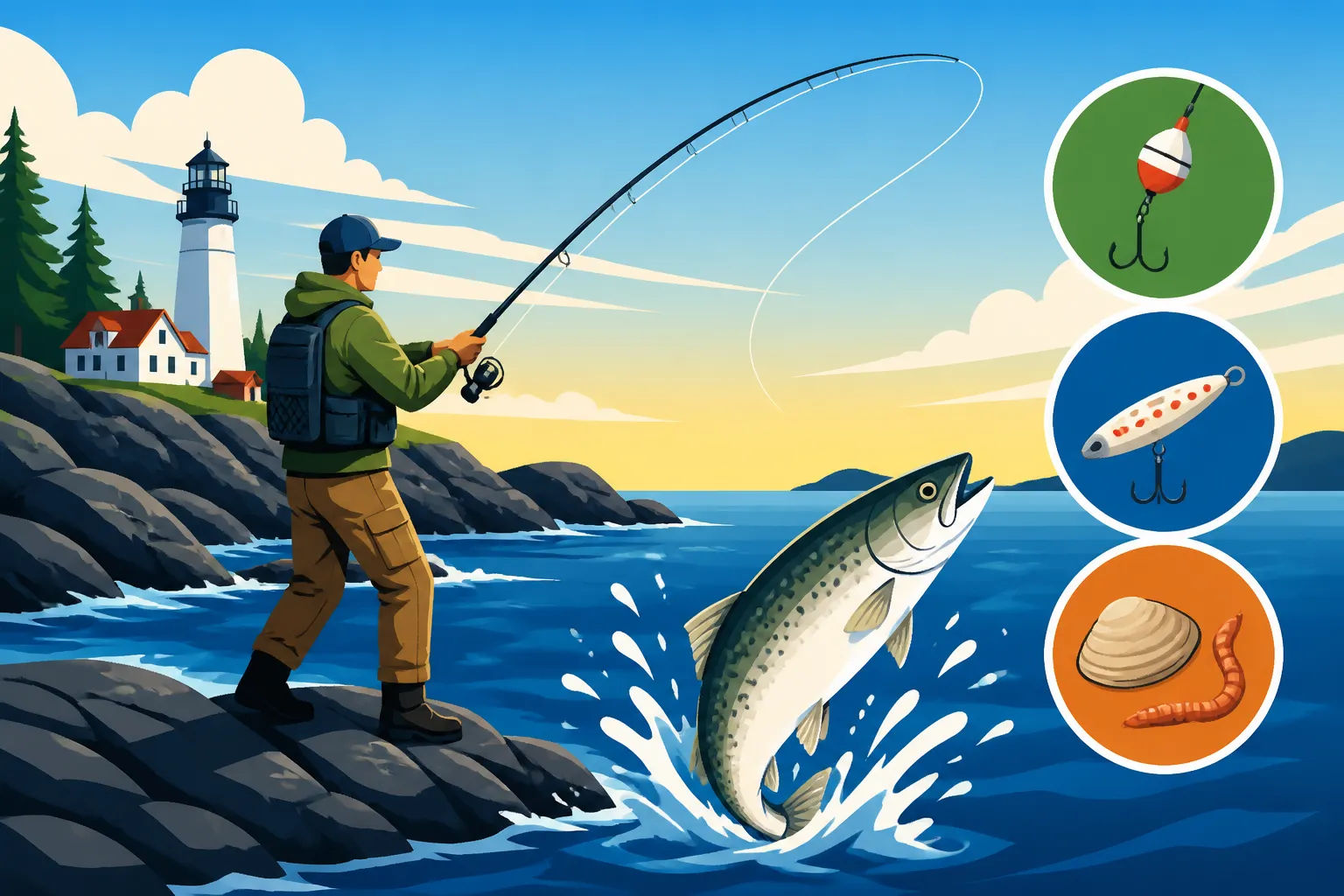
When most folks think of shore fishing in Maine, their minds often jump straight to the coast, and for good reason! Our rugged coastline, dotted with sandy beaches, public piers, and dramatic rocky outcrops, is teeming with opportunities. Fishing from a pier or jetty offers easy access to deeper water without a boat, often putting you right over structure where fish like striped bass, mackerel, and even bluefish might be lurking. Beaches, especially those with gradual slopes or nearby rock formations, can be fantastic for casting out for stripers during their seasonal runs. Rocky outcrops, on the other hand, provide excellent ambush points for predators and often hold baitfish seeking shelter. The tide here is a major player, so always check the tide charts before you head out. A rising or falling tide often signals feeding time, moving baitfish and bringing larger species within casting range.
Freshwater Lake and Pond Shores
Beyond the salty scent of the ocean, Maine's interior is a mosaic of stunning lakes and ponds, many of which offer fantastic shore fishing. Whether you're targeting brook trout, landlocked salmon, smallmouth bass, or largemouth bass, you can often find success by simply walking the shoreline. Public boat launches, picnic areas, and state parks frequently provide excellent spots to cast a line without needing a vessel. Look for areas where submerged logs, rock piles, or weed beds come close to shore – these are prime habitats. Early morning and late evening, especially in summer, are often the most productive times, as fish move closer to the shallower, cooler waters to feed. During the heat of the day, they might retreat to deeper pockets or shaded areas, making them harder to reach from shore without precise casting.
Riverbanks and Stream Access Points
Maine's rivers and streams are the lifeblood of our freshwater fisheries, offering dynamic and often challenging shore fishing experiences. From the mighty Penobscot River to smaller, meandering trout streams, there’s a current for every angler. Rivers are particularly good for targeting different species depending on the section; upper reaches might hold wild brook trout, while lower sections could see runs of striped bass or even Atlantic salmon (though strict catch-and-release rules apply for salmon). When fishing rivers from shore, understanding current breaks, eddies, and deeper pools is crucial. These are the spots where fish will hold, conserve energy, and wait for food to drift by. Public land, bridge crossings, and designated fishing access points are your best bet for finding legitimate places to cast a line. Always be mindful of fluctuating water levels, which can dramatically change fishing conditions and safety.
Essential Gear for Productive Shore Fishing
You don't need a boatload of expensive gear to enjoy shore fishing in Maine, but having the right tools for the job can significantly increase your comfort and success. Think smart, think versatile, and think about what you're targeting.
Selecting the Right Rod and Reel Setup
The right rod and reel are your primary instruments. For most shore fishing in Maine, especially if you're hitting both fresh and saltwater, a medium to medium-heavy spinning rod between 7 to 9 feet in length is a fantastic all-around choice. This length gives you the casting distance needed to reach distant structure or break lines, while still offering enough sensitivity to feel lighter bites. Pair this with a reliable spinning reel in the 3000-5000 size range, spooled with 15-30 pound braided line. Braided line offers superior casting distance, sensitivity, and strength, which is invaluable when fishing from shore where you might encounter snags or need to really lean into a larger fish. For your leader, a 15-30 pound fluorocarbon leader is a good idea; it’s nearly invisible in water and abrasion-resistant, protecting your main line from sharp rocks and fish teeth. If you're focusing solely on smaller trout in streams, a lighter 6-foot ultralight setup with 4-6 pound monofilament or braid might be more appropriate. Remember, a good combo will make your day much more enjoyable, especially when you're casting repeatedly.
Must-Have Baits, Lures, and Tackle
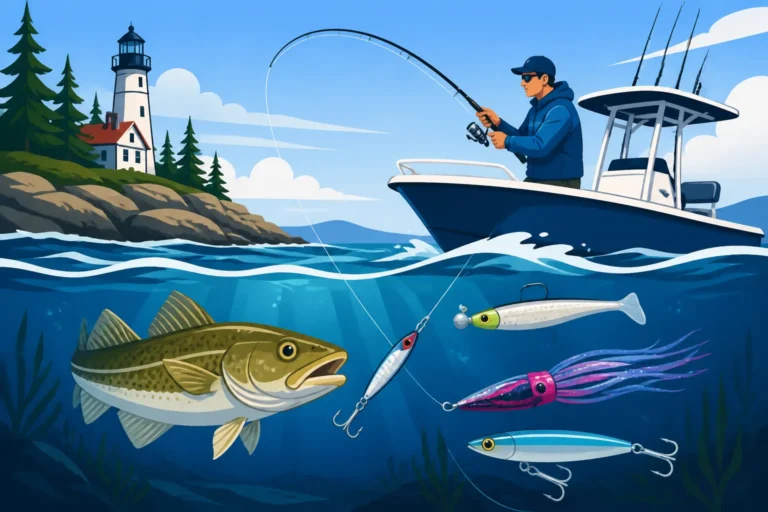
Your tackle box is your personal arsenal. For saltwater shore fishing, a variety of lures is key. Soft plastics, like paddle tails and jerk shads, rigged on jig heads (1/2 oz to 2 oz depending on current and depth), are incredibly effective for striped bass. Topwater plugs, like poppers and walk-the-dog baits, create exciting surface action, especially during dawn and dusk. Metal spoons and kastmasters are great for mackerel and casting long distances. Don't forget some chunk bait options like clams, seaworms, or mackerel pieces rigged on a basic fish finder rig with a pyramid or bank sinker.
For freshwater shore fishing, jigs, spinners, and small crankbaits are go-to options for bass and trout. Worms and live shiners under a bobber are always classic and effective, especially for panfish and trout. If you're targeting aggressive smallmouth, crayfish imitations or tube jigs can be deadly. When you're stocking up, don't overlook checking reliable retailers. You can find a huge variety of gear, from specific lures to tackle box organizers, on platforms like Amazon, making it easy to get what you need delivered right to your door.
Comfort, Safety, and Portability
Shore fishing means you're often walking, climbing, and sometimes waiting. Proper attire is critical: layers for changing weather, waterproof outerwear, and sturdy, comfortable footwear with good grip. A fishing vest or a comfortable backpack can help you carry essentials like extra tackle, water, snacks, sunscreen, insect repellent, and a small first-aid kit. A pair of polarized sunglasses isn't just for looking cool; they cut glare, allowing you to see submerged structure and even fish, giving you a huge advantage. Pliers or a dehooker are essential for safe fish handling, and a tape measure helps you ensure your catch meets the legal Maine Fish Bag Limits Guide before deciding to keep or release. Consider a portable cooler or stringer if you plan on keeping fish.
Proven Shore Fishing Techniques and Strategies
Fishing from shore often means you have a limited casting arc and can't motor around to find fish. This means your techniques and ability to read the water become even more critical.
Mastering Casting and Presentation
Distance and accuracy in casting are your best friends in shore fishing. Practice your overhead cast to maximize distance, especially when fishing open beaches or large lakefronts. When targeting specific features like a submerged rock or the edge of a weed line, practice precision casting to drop your lure exactly where you want it. For most lure presentations, a slow, steady retrieve with occasional twitches or pauses can imitate natural baitfish movements, enticing strikes. Vary your retrieve speed and depth until you find what the fish are responding to. Remember, the goal is to make your bait or lure look as natural and appealing as possible to any fish holding in the area. Sometimes a quick retrieve over shallower water, or a slow jigging motion in deeper pockets, makes all the difference.
Reading the Water for Fish Holding Structure
Since you're stationary, developing an eye for reading the water is paramount. Look for changes in water color or current, which can indicate depth changes or structure. Identify features like submerged rocks, fallen trees, weed beds, points, coves, and drop-offs. These are all potential fish habitats where baitfish hide and predatory fish ambush. In rivers, look for eddies behind boulders or bends, or current seams where fast water meets slow water – these are prime holding areas. On the coast, understand how waves and currents interact with the shoreline; rips and current lines often concentrate bait and attract game fish. Even subtle differences in the water's surface can indicate what's happening underneath. Watching other anglers can also give you clues about productive spots, but always remember to respect their space.
Effective Rigs and Baits for Different Species
Matching your rig and bait to your target species and environment is crucial. For striped bass from coastal shores, a simple jig and soft plastic, a weighted popper, or a live bait rig (like a fish finder rig with a piece of clam or mackerel) can be highly effective. If you’re targeting smallmouth bass in a lake, a Texas rig worm, a jig with a grub, or a small crankbait cast near rocky structure will often get results. For brook trout in a stream, a tiny spinner, a worm under a bobber, or even a simple dry fly presentation can work wonders. Understanding how fish feed in different environments will guide your choice. For instance, fish in clear, calm lake waters might be more wary of heavy line and prefer subtle presentations, while stripers in turbulent surf might strike aggressively at a loud topwater lure. Consult guides like Maine Striped Bass Season and Limits for specific regulations that might influence your choices.
Navigating Access, Regulations, and Local Knowledge
Maine prides itself on its fishing heritage, but that also comes with a responsibility to understand and respect local rules and access. Don't let regulations intimidate you; they're there to protect our natural resources.
Identifying Public Shore Access Points
One of the biggest hurdles for shore anglers is simply finding where they're allowed to fish. Fortunately, Maine has many public access points. State parks, municipal parks, public boat launches, and many road bridges often provide legitimate access to productive water. The Maine Department of Inland Fisheries and Wildlife (MDIFW) offers excellent online resources and maps that highlight Shore Fishing Access Points in Maine and public boat launches. For coastal access, look for town-owned properties, public easements, or designated fishing piers. Remember that "public access" doesn't always mean you can just wander onto private land. Always look for signage, respect boundaries, and when in doubt, assume it's private. Asking at local bait shops or town offices can also yield invaluable information about lesser-known public spots.
Key Maine Fishing Regulations for Shore Anglers
Ignorance of the law is no excuse, especially when it comes to fishing regulations. Before you even cast a line, make sure you have a valid Maine Fishing License Guide. If you're fishing in saltwater, you'll also need to register with the Maine Saltwater Fishing Registry Guide, though this is generally free for recreational anglers. Beyond licenses, you need to be aware of specific rules regarding Maine Fishing Regulations Explained. These include:
- Season Dates: Different species and water bodies have specific Maine Fishing Season Dates Guide. What's open in one area might be closed in another.
- Bag and Length Limits: Always check the Maine Fish Bag Limits Guide for the specific species you're targeting. Keeping an undersized or oversized fish can result in significant fines.
- Gear Restrictions: Certain waters might have restrictions on bait (e.g., no live bait), hook types (e.g., single barbless hooks only), or even the number of lines you can fish (refer to Maine Open Water Line Limits).
- North vs. South Zones: Maine's inland waters are divided into North and South zones, each with slightly different rules, especially for bass. Be sure to know which zone you're in.
These regulations are updated annually, so it's always a good idea to check the most current MDIFW fishing lawbook, available online or at license agents.
Respecting Private Property and Conservation
Shore fishing often puts you in closer proximity to homes and businesses than boat fishing. Always be mindful of private property. If there's a "No Trespassing" sign, respect it. If there isn't one but you're unsure, it's best to assume it's private and seek an alternative. Parking legally and not blocking access points is also crucial for maintaining good relationships with landowners and fellow anglers. Practice Leave No Trace principles: pack out everything you pack in, including fishing line, bait containers, and any other trash. Our waterways are precious resources, and by being responsible stewards, we ensure they remain vibrant for generations of anglers to come. Conservation isn't just about following rules; it's about actively protecting the environment we love to fish.
Seasonal Approaches to Maine Shore Fishing
Maine's distinct four seasons mean that shore fishing opportunities and techniques change dramatically throughout the year. Adapting to these shifts is what separates a good angler from a great one.
Spring Thaw and Early Season Opportunities
Spring in Maine is a time of awakening, and for anglers, it's a thrilling period. As the ice melts off lakes and ponds (the "ice-out"), fish like landlocked salmon and brook trout become incredibly active near the surface and along the shores, feeding aggressively after a long winter. This is a prime time for casting lures, flies, or even simple worms and shiners from shore. Rivers swell with snowmelt, offering fantastic opportunities for sea-run trout and early-season smallmouth bass as they shake off winter sluggishness. The water is often cold, so fish might be less active, but if you find them, they can be eager to strike. Focus on warmer, shallower coves or sun-exposed rocky areas that warm up faster. Check out resources like the Maine Spring Fishing Guide for more in-depth spring strategies.
Summer's Warm Waters and Evening Bites
Summer brings warmer water temperatures, which can make shore fishing a bit more challenging, especially in the middle of the day. Many cold-water species like trout and salmon will retreat to deeper, cooler waters, making them harder to reach from shore. However, this is prime time for bass, perch, and pickerel, which thrive in warmer conditions. Focus your efforts during the cooler parts of the day: early mornings, late evenings, and even night fishing can be incredibly productive. Look for shaded areas, points, or deeper drop-offs near shore. Coastal fishing for striped bass often peaks in summer, with exciting topwater action during low light conditions and bait fishing productive through the night. The long daylight hours also mean more time to explore different Best Fishing Lakes in Maine or Best Fishing Rivers in Maine access points.
Fall Runs and Preparations for Winter
Fall is arguably one of the most beautiful and productive seasons for shore fishing in Maine. As water temperatures begin to cool, many species become incredibly active again, feeding heavily in preparation for winter. This is a fantastic time for landlocked salmon, brook trout, and brown trout, which move into shallower waters and river mouths as they prepare to spawn. The coastal striped bass run often offers some of the year's most exciting fishing, with large schools of fish chasing baitfish along the beaches and rocky shores before they migrate south. Using larger lures that imitate baitfish can be very effective. As winter approaches and temperatures drop further, opportunities for open water shore fishing dwindle, making way for the hardwater season. However, understanding the fall patterns can provide valuable insights for spring fishing next year. For detailed seasonal tips, refer to the Best Time of Year to Fish in Maine.
Table: Maine Shore Fishing Environments & Target Species
To give you a quick overview of what you can expect from different shore fishing locations, here’s a handy table:
| Environment Type | Primary Target Species | Best Time of Day/Season | Key Techniques | Common Baits/Lures |
|---|---|---|---|---|
| Coastal Piers/Jetties | Striped Bass, Mackerel, Pollock, Bluefish | Rising/Falling Tide, Summer-Fall | Casting, Jigging, Bottom Fishing | Soft Plastics, Spoons, Live/Cut Bait, Poppers |
| Sandy Beaches | Striped Bass, Flounder | Dawn/Dusk, Summer-Fall | Long Casting, Surfcasting | Soft Plastics, Metal Lures, Clams, Worms |
| Rocky Outcrops | Striped Bass, Pollock, Cunner | Any Tide, Spring-Fall | Casting into rips, Vertical Jigging, Live Lining | Topwater Plugs, Soft Plastics, Flies, Live Bait |
| Lake/Pond Shores | Smallmouth Bass, Largemouth Bass, Perch, Trout | Early Morning/Late Evening, Spring-Fall | Casting to structure, Bobber Fishing, Jigging | Worms, Shiners, Jigs, Crankbaits, Spinners, Topwater |
| Riverbanks/Streams | Brook Trout, Brown Trout, Smallmouth Bass, Striped Bass | Any time, Spring-Fall | Casting upstream/downstream, Drifting Bait, Fly Fishing | Spinners, Worms, Small Jigs, Flies, Soft Plastics |
Disclaimer
Fishing laws and regulations in Maine are subject to change. Always consult the most current Maine Department of Inland Fisheries and Wildlife (MDIFW) regulations before heading out on any fishing trip. This guide is for informational purposes only and does not constitute legal advice. Adherence to all local, state, and federal laws is the sole responsibility of the angler.