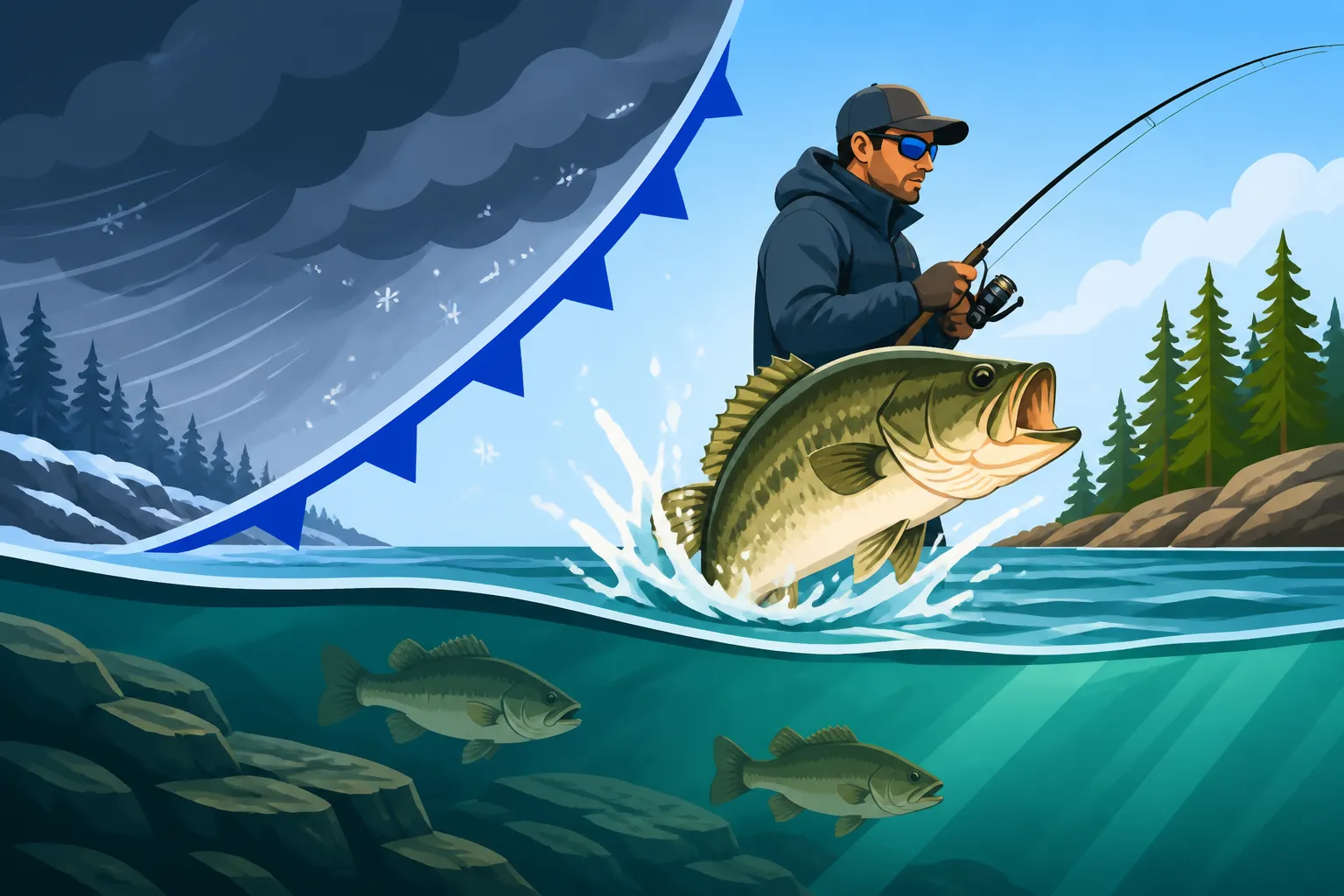
Fishing After a Cold Front
Oh, the dreaded cold front! There's nothing quite like the excitement of a planned fishing trip, only to wake up to a sudden drop in temperature, a blustery wind, and that heavy feeling in the air. Many anglers in Maine have felt that familiar frustration of fish seemingly shutting down completely after a cold front rolls through. It feels like hitting a brick wall, but don't hang up your waders just yet. This guide is all about understanding why fish act this way and, more importantly, how to adapt your strategies to still find success when the weather takes a turn for the chilly.
Understanding the Cold Front's Impact on Maine Fish
A cold front isn't just a change in temperature; it's a complete atmospheric upheaval that profoundly affects the underwater world. For us anglers, it often means the difference between a day of steady bites and a struggle to even get a sniff. Understanding why fish react this way is the first step to figuring out how to catch them.
The Sudden Shift: Why Fish React So Drastically
Imagine your perfect day suddenly getting turned upside down. That's a bit like what happens to fish when a cold front barrels through. The most immediate and noticeable effect is often a dramatic drop in air temperature, which, given enough time, will start to cool the surface water. But even before the water temperature fully adjusts, other factors come into play.
One of the biggest culprits is barometric pressure. Before a cold front, the pressure often drops, making fish more active and willing to feed. It's like a pre-storm feeding frenzy. But as the cold front passes, the barometric pressure typically rises sharply and stabilizes at a higher level. This change in pressure can make fish feel uncomfortable, causing their swim bladders to expand or contract, and generally putting them off their feed. It's a physiological response that makes them less inclined to chase a meal. Think about how a change in pressure can affect us — maybe a dull headache or just a general sense of unease. Fish experience something similar, but it impacts their entire existence. The sky often clears up significantly after a cold front, bringing bright, sunny conditions. While this might sound pleasant to us, for fish, especially wary species like trout and salmon in clear Maine waters, increased light penetration can make them feel exposed and vulnerable. They'll often seek deeper, darker water or heavy cover to escape the bright overhead light. This combination of factors — rapidly dropping temperatures, rising barometric pressure, and intense sunlight — all contribute to fish becoming sluggish, less aggressive, and much harder to entice. If you've ever found yourself wondering How Barometric Pressure Affects Fish Behavior, you're not alone; it's a huge factor!
Shallow vs. Deep Water Fish Behavior
Not all fish react to a cold front in precisely the same way. Their natural habitat, whether they prefer shallow or deep water, significantly influences how they cope with these sudden changes.
Shallow-water species, like many of the largemouth and smallmouth bass you'll find in Maine's ponds and lakes, are often the most affected. Their environment is more susceptible to rapid temperature swings. As surface water cools quickly, these fish often retreat from the shallows to deeper, more stable thermal zones. They might move to the first available drop-off, a deep weed line, or areas with more substantial cover where the temperature is more consistent. They become lethargic and less willing to expend energy chasing down fast-moving prey. It's not uncommon to find them hunkered down, practically glued to the bottom or nestled deep within structure. On the other hand, fish that primarily inhabit deeper waters, such as landlocked salmon, togue (lake trout), and even brook trout in larger lakes, might not experience the same dramatic temperature shock. Their deeper haunts are more insulated from rapid surface changes. However, they are still highly sensitive to barometric pressure shifts and increased light penetration. While they might not move as far as shallow-water species, they often become more finicky, suspending in the water column at specific depths or relating more tightly to underwater structures like humps, rock piles, or submerged timber. The key difference is often in the magnitude of their movement and the depth at which they find their comfort zone. Knowing the typical behaviors for Brook Trout Fishing in Maine or Landlocked Salmon Fishing in Maine can really help. They’re still there, but you’ll have to adjust your approach to find them.
Essential Strategies for Post-Front Success
Fishing after a cold front in Maine isn't about giving up; it's about changing your game plan. What worked yesterday, or even this morning before the front hit, likely won't work now. It's time for a more subtle, patient, and precise approach.
Slow and Low: Adjusting Your Presentation
When fish are in a post-front funk, they're not going to chase a zippy lure or darting bait. Their metabolism slows down, and their inclination to expend energy drastically diminishes. This means your presentation needs to slow way down, too.
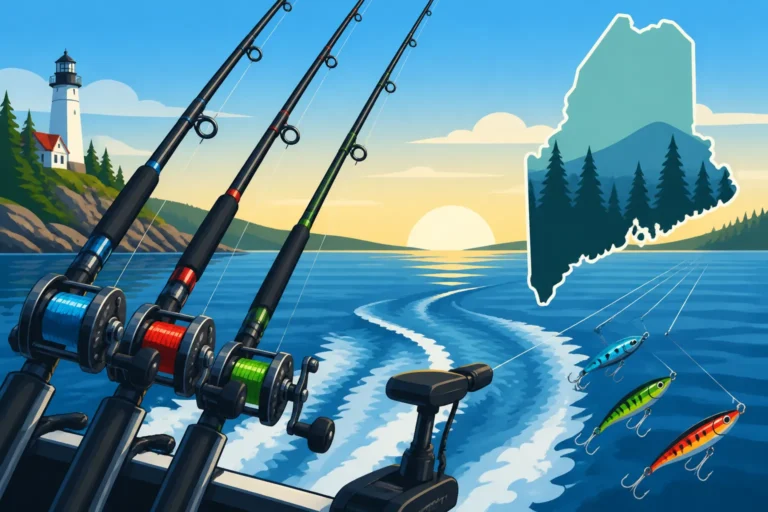
Think subtle and easy. If you're using artificial lures, a slow, deliberate retrieve is paramount. Instead of burning a spinnerbait or ripping a jerkbait, try barely crawling a jig along the bottom, or letting a soft plastic creature bait sit motionless for extended periods between twitches. For species like smallmouth bass, they might only commit to a bait that's practically handed to them. This often means working your lure along structure incredibly slowly, letting it fall, pause, and then just gently lift it. You might even consider vertically jigging directly over suspected holding areas. The "low" part of "slow and low" refers to depth. Fish will almost always seek deeper water after a cold front, so you need to present your bait where they are. This might mean weighting your baits more heavily, fishing deeper crankbaits, or targeting drop-offs that lead into the main lake basin. It requires patience, as those strikes can be incredibly subtle, feeling more like a slight weight on the line than an aggressive hit. This is definitely a time when those deep-water Trolling Techniques for Maine Lakes can shine, as you can present a lure at a consistent, deep level very slowly.
Locating the Reluctant Biters: Where to Look
Finding fish after a cold front is like solving a puzzle; they've moved, and they're not broadcasting their location. Your usual hotspots might be barren. The key is to think about comfort and safety.
Start by targeting areas with stable temperatures and protection from bright light. This usually means deeper water. Look for prominent depth changes: sudden drop-offs, ledges, and channels. Structure is always important, but even more so after a cold front. Submerged timber, rock piles, humps, and even dense weed lines (especially those with access to deeper water) offer fish both shelter and potential ambush points for a sluggish meal. On a bright, sunny day, northern banks or shady coves might hold fish a bit shallower, simply because they offer shade from the harsh overhead light. Furthermore, any area with even a slight current break or eddy can be a goldmine. Fish will often position themselves out of the main current, conserving energy while still having access to any food drifting by. A good fish finder can be your best friend here. Devices available on sites like Amazon can help you quickly locate schools of baitfish (where the predators will be) or identify subtle changes in bottom contour that might hold fish. Learning How to Read a Fish Finder on Maine Lakes effectively will dramatically increase your chances of finding those elusive fish hiding in plain sight. Don't be afraid to cover a lot of water methodically until you find a concentration of fish, then work that area thoroughly.
Bait and Lure Selection: Less is Often More
When fish are pressured and lethargic from a cold front, a flashy, oversized lure often does more to spook them than entice them. This is the time to downsize and go subtle.
Smaller profiles, natural colors, and minimal action are generally preferred. For artificial lures, think finesse. Small jigs tipped with soft plastics, tiny grubs, Ned rigs, shaky heads, or even very small, slow-falling jerkbaits can be highly effective. Colors that mimic natural forage, such as greens, browns, and muted grays, tend to outperform brighter, more aggressive patterns. Sometimes, a touch of flash from a small blade can be enough to trigger a reluctant strike without being overwhelming. When it comes to live bait, it’s often king in these tough conditions. A lively shiner, minnow, worm, or even a simple piece of nightcrawler presented naturally under a bobber or on a bottom rig can be irresistible to a finicky fish. The natural scent and movement of live bait can often trigger a strike when artificials fail. You can find a fantastic array of small, natural-colored soft plastics and jigs on platforms like Amazon that are perfect for these finicky post-front conditions. Remember, you're trying to appeal to a fish that doesn't want to work for its food, so making it easy and natural is key. This is where the debate of Live Bait vs Artificial Lures in Maine really comes into play, with live bait often having an edge.
Species-Specific Approaches After a Cold Front in Maine
While the general principles of "slow and low" apply across the board, different fish species in Maine will require slightly tailored approaches after a cold front. Knowing your target species' typical post-front behavior can give you a significant advantage.
Taming Trout and Salmon: Targeting Cold-Blooded Game
Maine is famous for its cold-water species, particularly brook trout, landlocked salmon, and togue (lake trout). These fish, while often already in cooler waters, still feel the effects of a cold front, albeit sometimes differently than their warm-water cousins.
Brook trout, especially in smaller streams and ponds, will often become incredibly wary and hug the bottom or tight to cover. In larger lakes, they'll retreat to slightly deeper areas, particularly around submerged springs or feeder brooks that maintain a more stable temperature. For fly anglers, this means switching from aggressive dry flies to weighted nymphs or small streamers fished very slowly and deep. Spin fishermen should opt for tiny spinners or small spoons retrieved at a snail's pace, or bait fishing with worms or powerbait near the bottom. Landlocked salmon, known for their preference for open, deep water, will often suspend at specific depths where the water temperature is most comfortable, rather than holding tight to structure. They might still chase a trolled streamer or spoon, but the presentation needs to be incredibly slow, and often deeper than usual. Pay close attention to your fish finder to locate schools of baitfish, as salmon will be nearby. For Lake Trout and Togue Fishing in Maine, after a cold front, these deep-dwelling fish might move even deeper or become more concentrated around specific thermal refuges like deep humps or drop-offs. Vertical jigging with heavy spoons or large tube jigs, presented with minimal action, can be effective. Tipping your jig with a piece of bait, like a smelt, can often seal the deal. Remember that these cold-blooded fish's metabolism slows, making a leisurely meal far more appealing than a chase.
Coaxing Cranky Bass: Smallmouth and Largemouth Tactics
Bass are notoriously sensitive to cold fronts, and their behavior can shift dramatically. If you're used to aggressive topwater explosions or hard-hitting crankbait bites, be prepared for a complete change of pace when targeting Smallmouth Bass Fishing in Maine or Largemouth Bass Fishing in Maine.
Smallmouth bass, found in many of Maine's larger lakes and rivers, will often move from rocky shoals and points into deeper water adjacent to these structures. They'll hug the bottom or suspend just above it, often in depths of 15-30 feet or more, depending on the lake. Their usually aggressive nature turns timid. Finesse techniques are paramount: drop-shotting small worms, slow-dragging tubes or jigs, or using a Ned rig with long pauses. Focus on areas with subtle transitions in bottom content or slight depth changes that offer a bit of cover. For largemouth bass, which prefer more vegetated and shallower habitats, the post-front shutdown can be even more pronounced. They will retreat from shallow pads and reeds to deeper weed lines, submerged timber, or even deep holes within coves. When targeting them, think about pitching jigs or Texas-rigged soft plastics into the thickest cover you can find, and letting them sit for an unusually long time. A slow retrieve is key, and don't be afraid to let your bait sit motionless for 10-20 seconds before barely moving it again. Bites will often feel like a subtle "thump" or just a sudden heaviness on the line, rather than a jarring strike. Be patient, pay close attention to your line, and set the hook on anything that feels remotely different. You might also find a few willing biters around deep docks or boat ramps, as these structures offer both depth and shade.
Patience and Persistence: The Angler's Mindset After a Cold Front
Let's be honest, fishing after a cold front can test the patience of even the most seasoned angler. It's easy to get discouraged when the action is slow and the fish are uncooperative. But remember, this is Maine fishing; it's always an adventure, and success often comes to those who stick with it and adapt.
The Power of Observation
One of the biggest mistakes anglers make after a cold front is sticking to their "old reliable" spots and techniques without truly observing what's happening around them. The fish have moved, and they've changed their attitude, so you need to be a detective on the water.
Pay attention to everything. Are there any subtle signs of baitfish activity, even if it's just a flicker? What's the current water temperature? If you have a temperature gauge, checking water temps at various depths and locations can give you crucial clues about where fish might be most comfortable. Look for natural cover, even small rocks or brush piles, that might offer a thermal refuge or a place for fish to escape the bright sun. Watch for subtle changes in the wind direction or cloud cover, as even a brief period of overcast skies can sometimes spur a short feeding window. Remember the advice on Reading Water Temperature for Maine Trout; it applies to many species. Also, don't just stare at your rod tip; actively scan the water for any ripples, disturbances, or bird activity that might indicate a subsurface presence. Your eyes and ears are powerful tools, especially on a quiet post-front day when fish are being exceptionally cautious.
Don't Give Up: It's Not Always a Skunk
It’s easy to feel defeated after hours of no bites, especially when the conditions feel stacked against you. But fishing after a cold front isn't about filling your cooler; it's often about the challenge, the learning, and the immense satisfaction of earning that single, hard-fought bite.
You might not catch your limit, and you might not even catch multiple fish. But the one fish you do land after cracking the code of a cold front will be far more memorable than a dozen caught on an easy day. Adjusting your tactics, down-sizing your gear, slowing your presentation, and persistently exploring new depths and structures are all part of the game. Sometimes, just experimenting with a different lure color or a minute change in retrieve speed can make all the difference. Think of it as a master class in angling — a chance to hone your skills and deepen your understanding of fish behavior. So, take a deep breath, enjoy the beauty of Maine's waters, and remind yourself that every cast, even without a bite, is a lesson learned. And who knows, that next subtle "tap" might just be the trophy you've been searching for. The satisfaction of figuring out a tough bite truly is what it's all about. It's often during these challenging times that you truly appreciate the sport, and perhaps even learn a few things that can help on other days, like when you're preparing for Fishing Before a Cold Front.
| Factor / Condition | Before Cold Front | After Cold Front | Angler's Strategy |
|---|---|---|---|
| Barometric Pressure | Falling / Stable Low, often cloudy | Rising / Stable High, often clear skies | Fish deeper, slower, with finesse and natural presentations. |
| Water Temperature | Stable or gradually warming/cooling | Rapidly dropping (surface), more stable in depth | Target thermoclines, deep structure, and consistent temps. |
| Fish Metabolism | Active, aggressive, willing to chase | Slowed, lethargic, reluctant to chase | Slow retrieves, long pauses, smaller baits, live bait. |
| Fish Location | Can be widespread, often shallower, active | Deeper water, tight to cover, concentrated | Focus on drop-offs, deep weed lines, submerged structure. |
| Light Penetration | Variable, can be overcast or moderate | High, bright sunlight, clear water | Seek shade, target low-light periods, deeper water, dense cover. |
| Bite Intensity | Aggressive strikes, strong takes | Subtle taps, light resistance, often just weight | Watch line closely, use sensitive rods, expect gentle bites. |
Disclaimer
This article is for general informational purposes only and does not constitute professional advice. Laws, prices and regulations vary by location and change over time. Consult a qualified professional for guidance on your specific situation.